A logistics company managing 60+ vehicles was spending hours daily on manual inspections—paper forms scattered across the yard, drivers waiting for supervisors to review checklists, and compliance documentation piling up in filing cabinets nobody could search. The operations team knew inspections were essential for safety and DOT compliance, but the process had become a bottleneck that delayed departures, frustrated drivers and consumed administrative time that should have gone toward growing the business.
After switching to digital inspections, they reduced inspection time by 50%, eliminated 100% of paper-based DVIR workflows, and achieved real-time visibility into fleet compliance status. This fleet inspection time reduction case study documents exactly how they transformed their inspection process and what logistics operators can learn from their experience.
Spending too much time on inspections?
See how digital tools can simplify the process — explore it in a quick demo.
Book Your Free DemoCompany Overview
This inspection automation logistics example features a regional freight and distribution company operating across the Southeast United States. Their fleet handles time-sensitive deliveries for retail, manufacturing, and e-commerce clients who expect reliability and on-time performance.
The fleet included box trucks, tractor-trailers, and sprinter vans serving delivery routes that demanded strict departure schedules. Every minute lost to inspection delays rippled through the entire day's operations.
The Problem: Paper-Based Chaos
Before implementing digital solutions, this logistics company relied entirely on paper-based inspection processes that hadn't changed in decades. Drivers grabbed clipboards from the dispatch office, walked around vehicles checking items, scribbled notes, and returned forms that often sat unreviewed until problems surfaced on the road. See how digital inspections eliminate this chaos — book a demo.
Inspection Process Pain Points:
- Manual DVIR forms taking 15-20 minutes per vehicle inspection
- Paper checklists with illegible handwriting and incomplete entries
- No way to verify inspections were actually performed thoroughly
- Forms lost, misfiled, or delayed in reaching maintenance teams
- Compliance documentation scattered across multiple filing systems
- Zero real-time visibility into fleet inspection status
Business Impact:
The operations manager described the frustration: "We knew inspections were happening, but we had no way to verify quality or catch issues before trucks left the yard. By the time we found problems, drivers were already on the road and deliveries were at risk."
Key Challenges Identified
Before selecting a solution, the management team analyzed why their inspection process consistently failed. Three fundamental challenges emerged that any digital inspection fleet case study must address. Learn how automation solves these challenges.
No Standardized Process
Every driver performed inspections differently. Some were thorough; others rushed through checklists. Without standardization, inspection quality varied wildly and critical items were frequently missed.
Slow and Delayed Reporting
Paper forms created a reporting lag that made real-time fleet management impossible. Issues identified during morning inspections might not reach maintenance until afternoon—or the next day.
Compliance Documentation Gaps
DOT audits require organized, searchable inspection records. Paper files made audits stressful, time-consuming, and risky. Missing documentation meant potential fines and safety rating impacts.
Solution: Digital Inspections with FleetRabbit
After evaluating multiple fleet safety inspection software results and vendor demonstrations, the company selected FleetRabbit for its intuitive mobile app, customizable digital checklists, and real-time reporting dashboard that addressed every identified challenge.
Mobile Inspection App
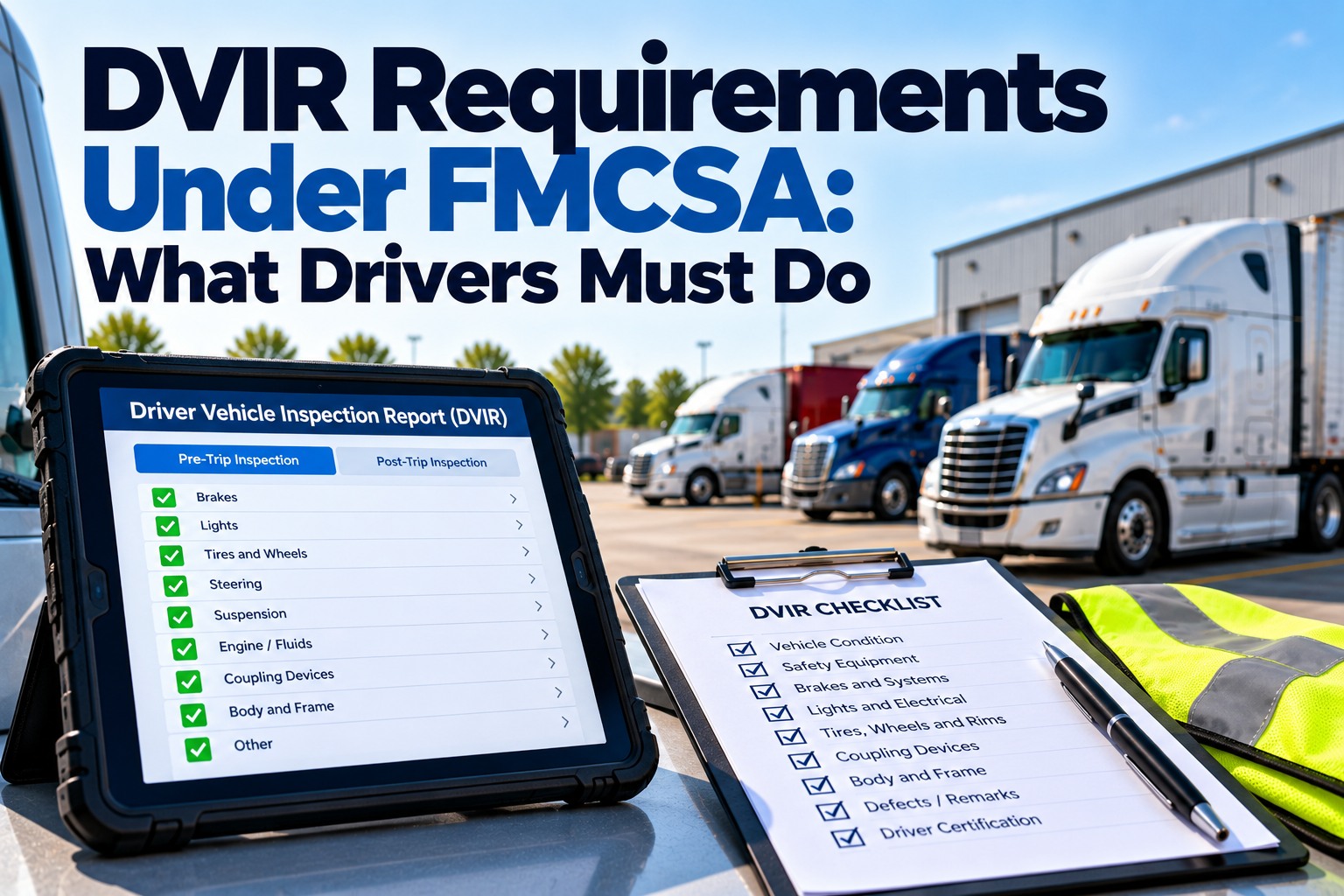
Drivers complete inspections on smartphones with guided workflows, photo capture for defects, and GPS timestamps proving when and where inspections occurred.
Digital Checklists
Customizable inspection templates ensure every driver follows the same standardized process. Required fields prevent incomplete submissions; logic flows guide thorough checks.
Real-Time Reporting
Completed inspections sync instantly to the management dashboard. Defects trigger immediate alerts to maintenance. Compliance status is visible fleet-wide at a glance.
Implementation Journey
The fleet inspection digital transformation happened faster than anyone expected. Unlike complex enterprise software rollouts, FleetRabbit's implementation focused on rapid deployment and immediate value delivery.
System Configuration
FleetRabbit team configured the platform with the company's 67 vehicles, customized DVIR checklists to match their specific inspection requirements, and integrated with existing fleet management workflows.
Driver Training
All 78 drivers received 20-minute training sessions on the mobile app. The intuitive interface meant most drivers were comfortable within their first inspection. Older drivers who initially resisted adapted within days.
Full Fleet Rollout
Paper forms were eliminated completely. Every vehicle inspection now flows through the digital system with photo documentation, timestamps, and automatic routing to maintenance when issues arise. See this workflow in a live demo.
Want to see how quickly this can be implemented in your fleet?
Take a closer look with a live walkthrough.
Results: Measurable Transformation
The numbers from this vehicle inspection automation case study speak for themselves. Within 30 days of full implementation, every key metric improved dramatically—and gains continued compounding over the following months.
Average inspection time dropped from 18 minutes to 9 minutes per vehicle—saving 585 driver-hours monthly across the fleet.
Zero paper DVIR forms. All inspection records are digital, searchable, and instantly accessible for compliance audits.
Inspection completion jumped from 77% to 99.2%. Required fields and accountability ensure thorough, complete inspections every time.
Defects now reach maintenance instantly instead of hours later. Critical issues trigger immediate alerts before trucks leave the yard.
Before vs After Comparison
| Metric | Before | After | Improvement |
|---|---|---|---|
| Inspection Time | 18 min average | 9 min average | 50% faster |
| Process Type | Paper forms, manual | Digital, guided | Fully automated |
| Issue Reporting | 45+ min delay | Instant alerts | Real-time |
| Completion Rate | 77% | 99.2% | +22 points |
| Photo Documentation | None | Every defect | 100% visual proof |
| Audit Readiness | Days to prepare | Instant access | Always ready |
Key Learnings
This fleet compliance improvement case study reveals principles that apply to any logistics inspection process improvement initiative. The transformation succeeded because it addressed root causes, not just symptoms. See these principles in action with a live demo.
Digital Inspections Save Significant Time
Guided workflows eliminate confusion and reduce inspection time by 50%. Drivers spend less time on paperwork and more time driving—improving productivity fleet-wide.
Automation Improves Accuracy
Required fields, photo documentation, and standardized checklists ensure consistent, thorough inspections. Human error and shortcuts become impossible when the system enforces compliance.
Real-Time Data Increases Efficiency
Instant visibility into inspection status, defect reports, and compliance metrics enables proactive management. Problems are caught and fixed before they cause operational disruptions.
Time Saved in Inspections Means More Efficient Operations
Take the next step toward smarter fleet management. Join logistics companies across the country who've already eliminated paper inspections and transformed their compliance workflows with FleetRabbit's digital inspection platform.