Accidents, penalties, and safety risks cost fleets millions each year. But fleet safety management systems can dramatically reduce these risks while protecting drivers, vehicles, and your company's reputation. The average fleet accident costs $70,000-$150,000 when you factor in vehicle damage, medical expenses, legal fees, increased insurance, and lost productivity. A single fatality lawsuit can exceed $5 million.
Yet most fleets operate reactively—addressing safety after incidents occur rather than preventing them systematically. The 15% of fleets with comprehensive fleet safety management programs experience 60-70% fewer accidents, 40% lower insurance premiums, and near-perfect compliance records. The difference isn't luck or better drivers. It's systems that identify risks before they become incidents.
This guide covers everything you need to build a safety program that protects your people, your assets, and your bottom line. Schedule a demo to see how safety management technology works in practice.
Protect Your Drivers. Protect Your Business.
Systematic fleet safety management reduces accidents by 60-70% while cutting insurance costs and ensuring regulatory compliance across your entire operation.
Want to enhance fleet safety and compliance? Explore it in a quick demo.
Why Fleet Safety and Compliance Matter More Than Ever
The regulatory landscape has intensified dramatically. DOT enforcement actions increased 23% in 2025, with average penalties rising to $16,000 per serious violation. Meanwhile, nuclear verdicts in trucking lawsuits now regularly exceed $10 million, fundamentally changing how juries view fleet liability.
Beyond regulatory pressure, safety directly impacts operational performance and profitability. Here's how fleet compliance software and safety programs affect your business across multiple dimensions.
Financial Protection
Every accident avoided saves $70,000-$150,000 in direct costs. Reducing incidents by 50% can save a 50-vehicle fleet $500,000+ annually in claims, repairs, and productivity loss.
Insurance Impact
Fleets with documented safety programs and clean records qualify for 25-40% lower premiums. A strong safety record can save $50,000-$200,000 annually in insurance costs alone.
Regulatory Compliance
DOT violations average $16,000 per serious offense. Pattern violations trigger audits, increased inspections, and potential operating authority revocation. Fleet compliance regulations demand systematic documentation.
Driver Retention
Drivers increasingly prioritize safety culture when choosing employers. Fleets with strong safety programs report 35% lower turnover—saving $8,000-$15,000 per avoided replacement.
Common Fleet Safety Risks You Must Address
Understanding the specific risks your fleet faces enables targeted prevention strategies. Here are the primary safety categories that fleet risk management tools should monitor and address.
Accident-Causing Behaviors
Fleet driver behavior monitoring identifies these patterns before they cause incidents, allowing intervention through coaching rather than accident investigation.
Compliance Violations
Vehicle Safety Issues
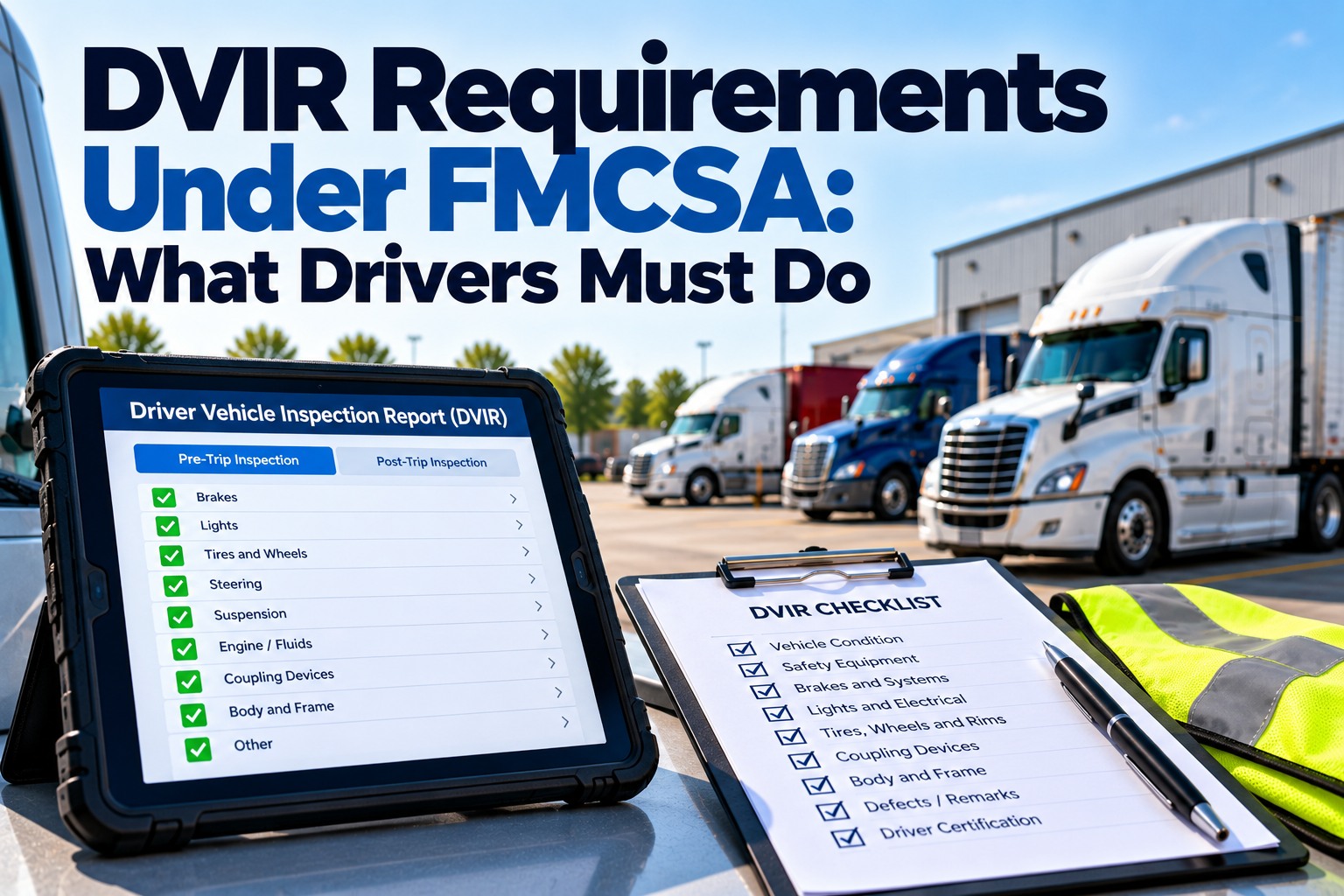
Fleet inspection software with digital DVIRs catches these defects before vehicles leave the yardpreventing roadside violations and accident-causing failures.
Best Practices for Fleet Safety Management
Effective safety programs combine technology, training, accountability, and culture. Here are the proven practices that fleet accident reduction leaders implement consistently.
Implement Digital Safety Inspections
Replace paper DVIRs with digital fleet inspection software that captures photos, timestamps submissions, and routes defects to maintenance automatically. Digital inspections achieve 95%+ completion rates versus 60-70% for paper systems while creating audit-proof documentation.
Deploy Driver Behavior Monitoring
Vehicle safety tracking systems monitor speeding, hard braking, rapid acceleration, and cornering to identify at-risk drivers before incidents occur. The key is using data for coaching, not punishment—fleets using coaching-focused programs see 50% greater safety improvement than punitive approaches.
Establish Preventive Maintenance Programs
Accident prevention fleet technology includes maintenance scheduling that prevents mechanical failures from causing safety incidents. Brake failures, tire blowouts, and steering problems are preventable with systematic maintenance programs that track condition-based service needs.
Create Accountability Systems
Safety culture requires visible accountability from top leadership through frontline drivers. Document training completion, track safety metrics by driver and supervisor, and tie safety performance to compensation. Fleets with safety-linked incentives report 40% better compliance rates.
Conduct Regular Safety Training
Monthly safety meetings, quarterly skills refreshers, and annual comprehensive training keep safety top-of-mind. Focus training on your actual incident patterns—if backing accidents dominate your claims, prioritize backing training over generic content.
FleetRabbit: Complete Safety and Compliance Platform
FleetRabbit delivers fleet safety management software that combines digital inspections, driver monitoring, maintenance tracking, and compliance documentation in one integrated platform. Safety becomes a natural part of daily operations rather than a separate initiative. Start your free trial to see the complete system.
Digital DVIR Inspections
Mobile app inspections with photo capture, defect categorization, and automatic routing to maintenance. 95%+ completion rates with audit-proof documentation.
Driver Behavior Tracking
Real-time monitoring for speeding, harsh events, and idling. Driver scorecards identify coaching opportunities before incidents occur.
Compliance Management
Track driver qualifications, certifications, and training. Automated alerts for expiring documents. Audit-ready records always available.
Maintenance Integration
Inspection defects trigger work orders automatically. Preventive maintenance scheduling prevents safety-critical failures. Full service history tracking.
Looking to improve fleet safety? Get a personalized FleetRabbit walkthrough.
The ROI of Fleet Safety Management Systems
Safety investments deliver returns across multiple categories simultaneously. Here's how fleet safety tools create measurable financial impact.
Reduced Accident Frequency
Fleet monitoring systems identify risky behavior before it causes incidents. Coaching-based intervention reduces accident rates 60-70% within the first year.
Lower Insurance Premiums
Documented safety programs and clean records qualify for preferred rates. Most fleets see 25-40% premium reductions within 2-3 policy cycles.
Compliance Confidence
Digital documentation creates audit-ready records automatically. Pass DOT inspections and audits with confidence knowing your paperwork is complete and accessible.
Improved Driver Retention
Safety-focused culture attracts and retains quality drivers. Lower turnover reduces recruiting costs and improves overall fleet performance.
Building Your Safety Management Roadmap
Implementing comprehensive fleet driver safety programs doesn't require massive organizational change. Here's a phased approach that delivers quick wins while building toward systematic safety excellence.
Weeks 1-4
Deploy digital inspections, establish baseline metrics, identify top safety risks. Quick wins from improved inspection completion.
Weeks 5-8
Activate driver behavior tracking, create scorecards, begin coaching programs. Target highest-risk drivers first.
Months 3-4
Connect maintenance systems, automate compliance tracking, establish safety meetings using real data.
Month 5+
Refine programs based on results, expand training, pursue insurance premium reductions with documented improvements.
The fleets with the best safety records didn't achieve results overnight—they built systems that improve continuously. Schedule a demo to see how FleetRabbit can accelerate your safety transformation.
Safety Isn't a Cost—It's a Competitive Advantage
Every accident prevented, every violation avoided, every driver retained creates compounding returns. The technology exists to transform safety from reactive incident management to proactive risk prevention. Start building your safety advantage today.