Fuel level sensor integration turns the reading in each tank into decisions — a theft alert, a leak work order, a fuel-card question or a maintenance check — by putting that reading next to the truck's location, ignition status, fuel purchases and service history. A tank level on its own only tells you how much is left; the shape of how it changes tells you why. Fuel is about a fifth of the cost of every mile, so a sensor that flags the wrong things, or flags the right things in a portal nobody opens, wastes the one number you can't afford to ignore. This guide covers where fuel sits in operating cost, the three ways to read a tank, five fuel-level patterns and what each one means, and how fuel data points to maintenance problems. Book a demo to see fuel levels next to your DVIR and PM records, or start free with 3 vehicles.
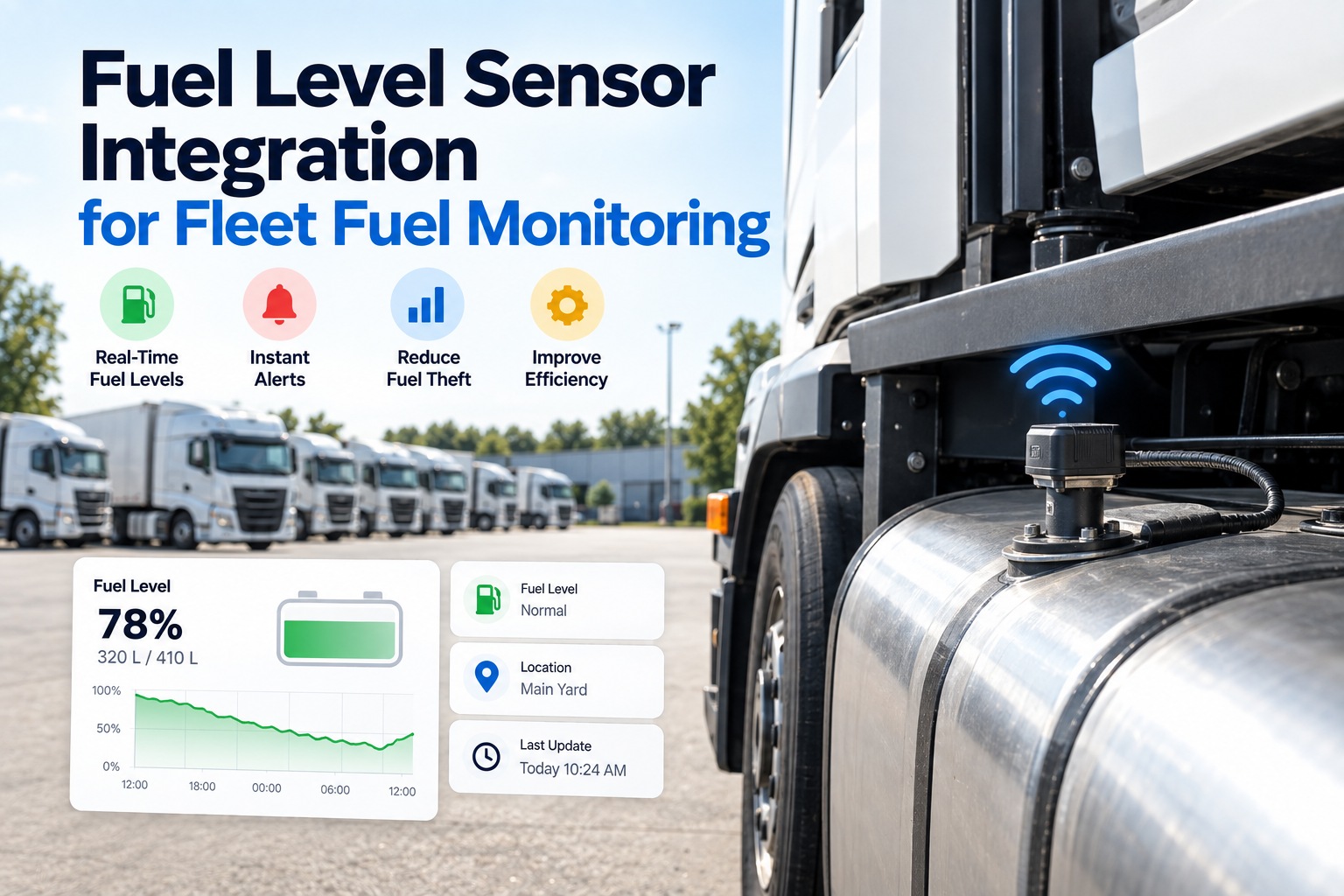
Fuel level sensors, in one view
Fuel Level Sensor Integration for Fleet Fuel Monitoring
For fleet managers, fuel and cost controllers, and shop leads: how to read tank-level data for theft, leaks, card mismatches and maintenance problems — without switching portals.
Fuel Is About a Fifth of Every Mile
In ATRI's 2026 analysis of operating costs, fuel averaged $0.482 of the record $2.336 it cost to run a truck one mile in 2025 — second only to driver wages. That is why a few gallons lost per truck per week, repeated across a fleet, shows up on the margin. Start free with 3 vehicles to see where your own gallons go.
Average marginal cost per mile, 2025. "Other" combines insurance, tires, tolls, and permits and licenses. Source: ATRI, An Analysis of the Operational Costs of Trucking, 2026 update.
Three Ways to Read a Fuel Tank
Where the reading comes from decides what it can catch, so choose the source before you set alerts. Many fleets start with the level the truck already reports and add dedicated sensors only on high-risk units. We can help you pick the source per unit in a demo.
OEM gauge via telematics
The level the truck already reports on its data bus, read by your telematics device.
Add-on capacitive probe
A rod sensor fitted inside the tank with no moving parts, calibrated to that tank's shape.
External ultrasonic sensor
Mounted under the tank, measuring the level through the wall without opening it.
Read the Shape of the Change, Not Just the Level
Every fuel problem leaves a different pattern in the tank data, and each pattern belongs to a different person. Put these five rules in place and most fuel alerts route themselves. You can turn these five patterns into alerts on a free account.
Sudden drop, ignition off
A large loss in minutes while the truck is parked.
Slow, steady loss while parked
The level keeps falling over hours with the engine off.
Refuel smaller than the receipt
The tank rose less than the fuel-card transaction says was bought.
Rising fuel used per mile
Same lane, same load type, more gallons each week.
Small overnight wobble
Tiny up-and-down changes while parked.
Which of your fuel alerts are theft, and which are leaks?
Bring a month of tank data and fuel-card receipts. In 30 minutes we'll sort the drops into these five patterns in FleetRabbit and show which ones already needed a work order.
When Fuel Data Is Really a Maintenance Alert
A truck that starts burning more fuel on the same work is usually telling you something mechanical before any warning lamp does. Compare fuel used per mile against the unit's own recent history, and open an inspection when it climbs — then let preventive maintenance schedules pick up what the inspection finds. A demo shows this on your own units.
Check these when fuel use rises
- Tire pressure and alignment — underinflation and drag add rolling resistance
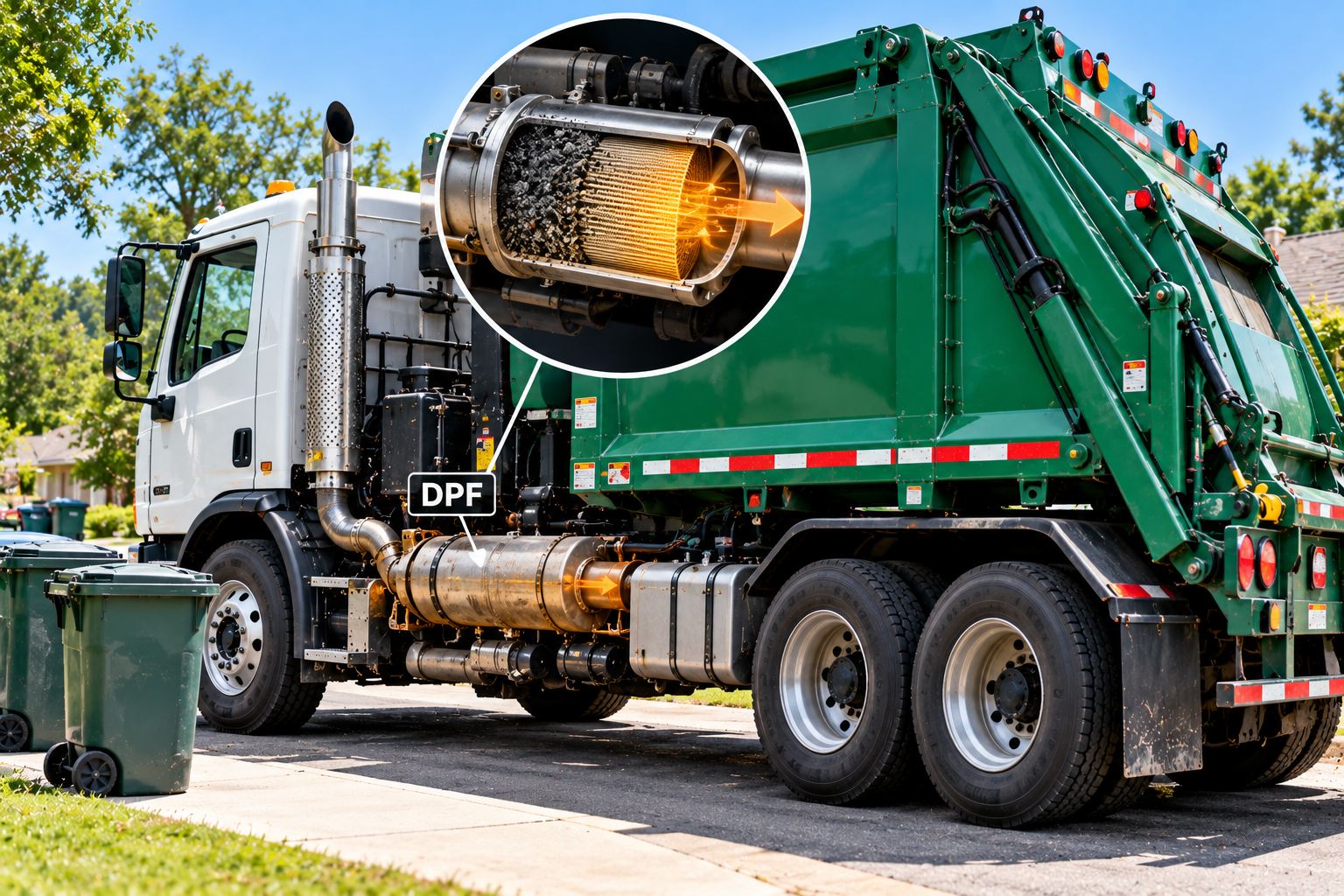
- Aftertreatment — frequent DPF regenerations burn extra fuel
- Injectors and air intake — poor combustion wastes fuel before it trips a code
- Dragging brakes — a stuck caliper or slack adjuster works against the engine
- Idle time — confirm it isn't simply more idling before calling the shop
Illustrative example
Same lane, same load type, idle time unchanged. The inspection finds two underinflated drive tires and a regeneration interval that has shortened — both logged as work orders before any lamp came on.
Five Rules for Readings You Can Trust
Fuel sensors are only as good as the rules around them, and most false alarms come from reading the tank at the wrong moment. Apply these before you tune thresholds, and link purchases through a fuel card integration so every fill has a receipt to compare against. Set these rules up free on 3 vehicles.
- Judge losses only when parked and level. Fuel sloshes on grades and in turns, so moving readings swing.
- Calibrate each tank. Saddle tanks aren't straight-sided, so the same drop in height means different gallons at different levels.
- Allow for temperature. Diesel expands and contracts, so set overnight thresholds above normal drift.
- Match every fill to a transaction. A refuel with no card record, or a card record with no refuel, both need a look.
- Check the sensor when alerts cluster. Repeated alerts on one unit can mean a faulty sensor, not repeated theft.
Frequently Asked Questions
What is fuel level sensor integration?
It brings tank-level readings into the same system as the truck's location, ignition status, fuel-card purchases, DVIRs and maintenance records, so a change in fuel can become the right alert or task. See it with your own units.
Do we need an add-on fuel sensor, or is the truck's gauge enough?
The truck's reported level is often enough for fuel used and refuel detection. Add-on capacitive or ultrasonic sensors are worth it on units where theft or small losses matter, because factory senders are designed for a dash gauge. Start free and compare both.
How do fuel sensors detect theft?
By flagging a large, fast drop while the truck is parked with the ignition off, especially away from a fueling location. A slow steady loss points more to a leak than to theft. Set up theft rules with us.
Why doesn't a refuel match the fuel-card receipt?
Either fuel went somewhere other than the tank, or the sensor needs recalibrating. Comparing fills with card transactions catches both, and a cluster of mismatches on one unit usually points to the sensor. Link your fuel card free.
Can fuel data help with maintenance?
Yes. Rising fuel used per mile on the same work is an early sign of low tire pressure, aftertreatment trouble, injector problems or dragging brakes, so it should open an inspection. See fuel-triggered inspections in a demo.
Do we have to replace our telematics to use fuel sensors?
Usually not. Many sensors report through the telematics device already in the truck, and FleetRabbit works with the providers fleets already use to bring that data into one view. Connect your provider free.
Every Gallon, With Its Reason Attached
See tank levels next to location, receipts, DVIRs and service history — so each drop becomes the right alert for the right person.