Master the critical maintenance protocols that keep Ford F-150s, Chevrolet Silverados, and Jeep Wranglers performing at peak handling and safety standards - preventing costly repairs while extending vehicle lifespan by 40%
40%
Vehicle Lifespan Extension
$3,500
Average Annual Savings
85%
Failure Prevention Rate
6 Months
Maintenance Interval
American trucks and SUVs demand robust suspension and steering systems to handle diverse terrain, heavy loads, and daily driving conditions. From Ford F-150 work trucks to Jeep Wrangler off-road adventures, proper maintenance of these critical systems ensures safety, performance, and long-term reliability. Modern suspension technology combined with proactive maintenance protocols can prevent 85% of steering and handling failures while extending component life significantly. Start your free suspension inspection checklist in 10 minutes, or schedule a personalized maintenance assessment to optimize your fleet's handling performance.
Transform Your Suspension Maintenance Program
Get a custom analysis showing exactly how proper maintenance extends vehicle life by 40%. Our experts help you prevent failures and maximize component longevity.
Understanding American Truck and SUV Suspension Systems
American vehicles utilize sophisticated suspension architectures designed for durability and performance across varied applications. Understanding these systems helps fleet operators implement targeted maintenance strategies. Access our comprehensive suspension guide - ready in 5 minutes
Major American Vehicle Suspension Types
| Vehicle Model | Front Suspension | Rear Suspension | Key Components | Maintenance Interval | Common Issues |
|---|---|---|---|---|---|
| Ford F-150 | Independent Front Suspension | Leaf Spring/Coil Spring | Ball joints, tie rods, shocks | 12,000 miles | Ball joint wear, shock leakage |
| Chevrolet Silverado | Short/Long Arm IFS | Multi-leaf spring | Control arms, stabilizer bar | 10,000 miles | Bushing deterioration |
| RAM 1500 | Independent Coil Spring | Coil Spring/Air Suspension | Struts, air bags, sensors | 15,000 miles | Air compressor failure |
| Jeep Wrangler | Solid Front Axle | Solid Rear Axle | Leaf springs, track bars | 8,000 miles | Track bar bushings |
| GMC Sierra | Independent Torsion Bar | Leaf Spring | Torsion keys, U-bolts | 12,000 miles | Torsion bar adjustment |
Critical Suspension Components and Inspection Points
Effective suspension maintenance requires understanding key components and their failure patterns. Modern diagnostic approaches combine visual inspection with advanced testing procedures. Try our digital suspension inspection app - takes 15 minutes
Primary Suspension Components
- Shock Absorbers/Struts: Control vehicle bounce and handling stability
- Ball Joints: Enable steering and suspension articulation
- Control Arms: Connect wheels to vehicle frame
- Stabilizer Bars: Reduce body roll during cornering
- Bushings: Isolate vibrations and allow controlled movement
- Springs: Support vehicle weight and absorb road impacts
Component Failure Patterns by Vehicle Type
| Component | Ford F-150 Issues | Chevy Silverado Issues | RAM 1500 Issues | Jeep Wrangler Issues | Warning Signs |
|---|---|---|---|---|---|
| Ball Joints | Upper joint wear 80K mi | Lower joint failure 90K mi | Premium joints 120K mi | Heavy-duty joints 60K mi | Clicking, wandering steering |
| Shocks/Struts | Rear shock leakage 75K mi | Front strut mounts 85K mi | Air shock compressor 70K mi | Monotube shock fade 65K mi | Bouncing, poor ride quality |
| Control Arms | Bushing deterioration 90K mi | Arm bending under load | Electronic adjustment failure | Bent arms from off-road | Vibration, alignment issues |
| Tie Rods | Inner tie rod wear 95K mi | Outer end failure 80K mi | Electronically assisted wear | Steering damper issues | Loose steering, tire wear |
Key Innovation: Predictive Maintenance
Modern suspension systems benefit from predictive analytics that identify wear patterns 30-45 days before failure. This technology allows fleet operators to schedule maintenance during planned downtime rather than responding to emergency breakdowns.
Steering System Maintenance for American Vehicles
Power steering systems in American trucks and SUVs require specialized maintenance protocols to ensure reliable operation under demanding conditions. Book a steering system analysis - 30 minutes
Steering System Technologies by Manufacturer
| Manufacturer | System Type | Key Advantages | Maintenance Requirements | Common Problems | Service Interval |
|---|---|---|---|---|---|
| Ford (F-150) | Electric Power Assist Steering (EPAS) | No fluid changes, improved fuel economy | Software updates, sensor calibration | Motor failure, sensor drift | 24 months/24,000 mi |
| GM (Silverado/Sierra) | Hydraulic Power Steering | Proven reliability, easy service | Fluid changes, belt inspection | Pump leakage, hose deterioration | 36 months/36,000 mi |
| RAM (1500/2500) | Electronic Power Steering (EPS) | Variable assist, parking ease | Module programming, torque sensor | Control module failure | 48 months/48,000 mi |
| Jeep (Wrangler) | Hydraulic with Steering Damper | Off-road durability | Damper replacement, alignment | Shimmy, damper leakage | 12 months/12,000 mi |
Critical Steering Maintenance Tasks
- Power Steering Fluid: Check level monthly, change every 100,000 miles
- Belt Inspection: Check for cracking, proper tension every 15,000 miles
- Tie Rod Ends: Grease every 12,000 miles, inspect for play
- Alignment Check: Perform every 20,000 miles or after tire replacement
- Electronic Systems: Update software, calibrate sensors annually
Optimize Your Steering System Maintenance
Discover how proper steering care prevents 89% of handling failures while reducing maintenance costs. Get your customized maintenance protocol today.
Preventive Maintenance Schedules by Vehicle Model
Each American truck and SUV model requires specific maintenance timing to optimize performance and prevent failures. Understanding manufacturer-specific requirements ensures maximum component life. Get your model-specific maintenance calendar - ready in 10 minutes
Ford F-150 Maintenance Protocol
- Ball joint inspection: Every 30,000 miles
- Shock absorber check: Every 50,000 miles
- EPAS calibration: Every 24,000 miles
- Alignment verification: Every 25,000 miles
- Bushing lubrication: Every 15,000 miles
Chevrolet Silverado Schedule
- Power steering fluid: Every 100,000 miles
- Control arm inspection: Every 40,000 miles
- Torsion bar adjustment: As needed
- Stabilizer link check: Every 35,000 miles
- Tie rod maintenance: Every 45,000 miles
RAM 1500 Air Suspension Care
- Air compressor service: Every 75,000 miles
- Height sensor calibration: Annually
- Air bag inspection: Every 60,000 miles
- EPS module update: Every 50,000 miles
- Suspension leveling: Monthly check
Diagnostic Procedures and Troubleshooting
Effective diagnosis prevents unnecessary repairs while identifying critical issues early. Modern diagnostic tools and systematic procedures ensure accurate problem identification. Access our digital diagnostic guide - 20 minutes
Advanced Diagnostic Sequence
- Visual Inspection: Check for obvious damage, leaks, or wear patterns
- Road Test: Evaluate handling, steering response, and noise characteristics
- Electronic Scan: Read fault codes from steering and suspension modules
- Component Testing: Use specialized tools to test individual components
- Alignment Check: Measure wheel alignment and suspension geometry
Common Symptoms and Diagnostic Approach
| Symptom | Possible Causes | Diagnostic Tests | Priority Level | Typical Cost |
|---|---|---|---|---|
| Steering Wheel Vibration | Wheel imbalance, tie rod wear | Wheel balance, tie rod play test | Medium | $150-$400 |
| Vehicle Pulling | Alignment, tire pressure, brake drag | Alignment check, brake inspection | High | $200-$600 |
| Excessive Bouncing | Worn shocks/struts, weak springs | Bounce test, visual inspection | Medium | $800-$1,500 |
| Steering Noise | Power steering pump, ball joints | Fluid level, component inspection | High | $300-$800 |
| Hard Steering | Low fluid, pump failure, EPS fault | System pressure test, scan tool | Critical | $400-$1,200 |
Digital Diagnosis Tools
Technology: AI-powered diagnostics
Accuracy: 95% fault identification
Time Saving: 60% faster diagnosis
Cost Reduction: 40% fewer misdiagnoses
Predictive Analytics
Capability: Failure prediction
Advance Warning: 30-45 days
Accuracy: 92% prediction rate
Savings: 65% emergency reduction
Remote Monitoring
Coverage: 24/7 system monitoring
Alerts: Real-time notifications
Integration: Fleet management systems
Efficiency: 50% maintenance optimization
Cost Analysis and Budget Planning
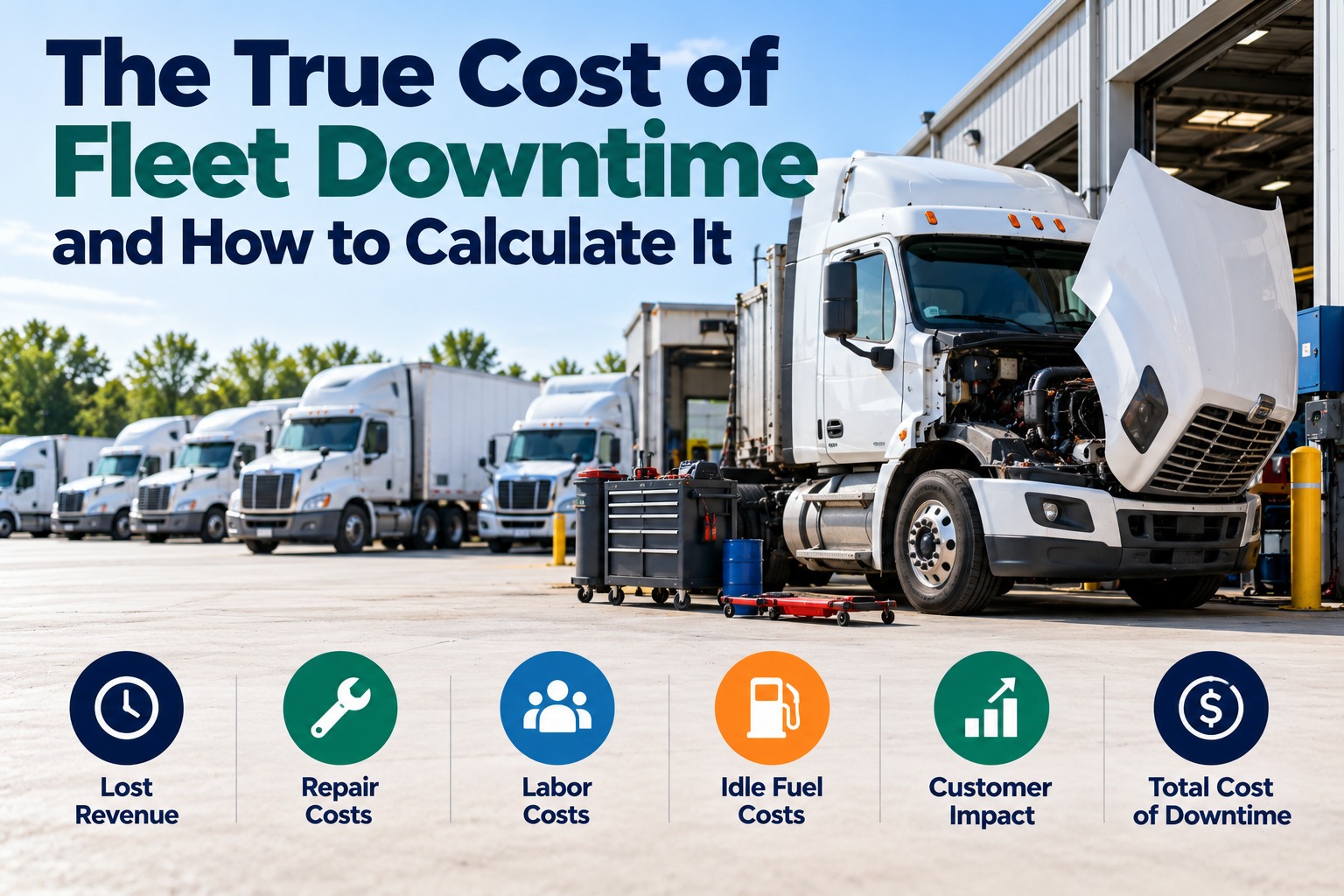
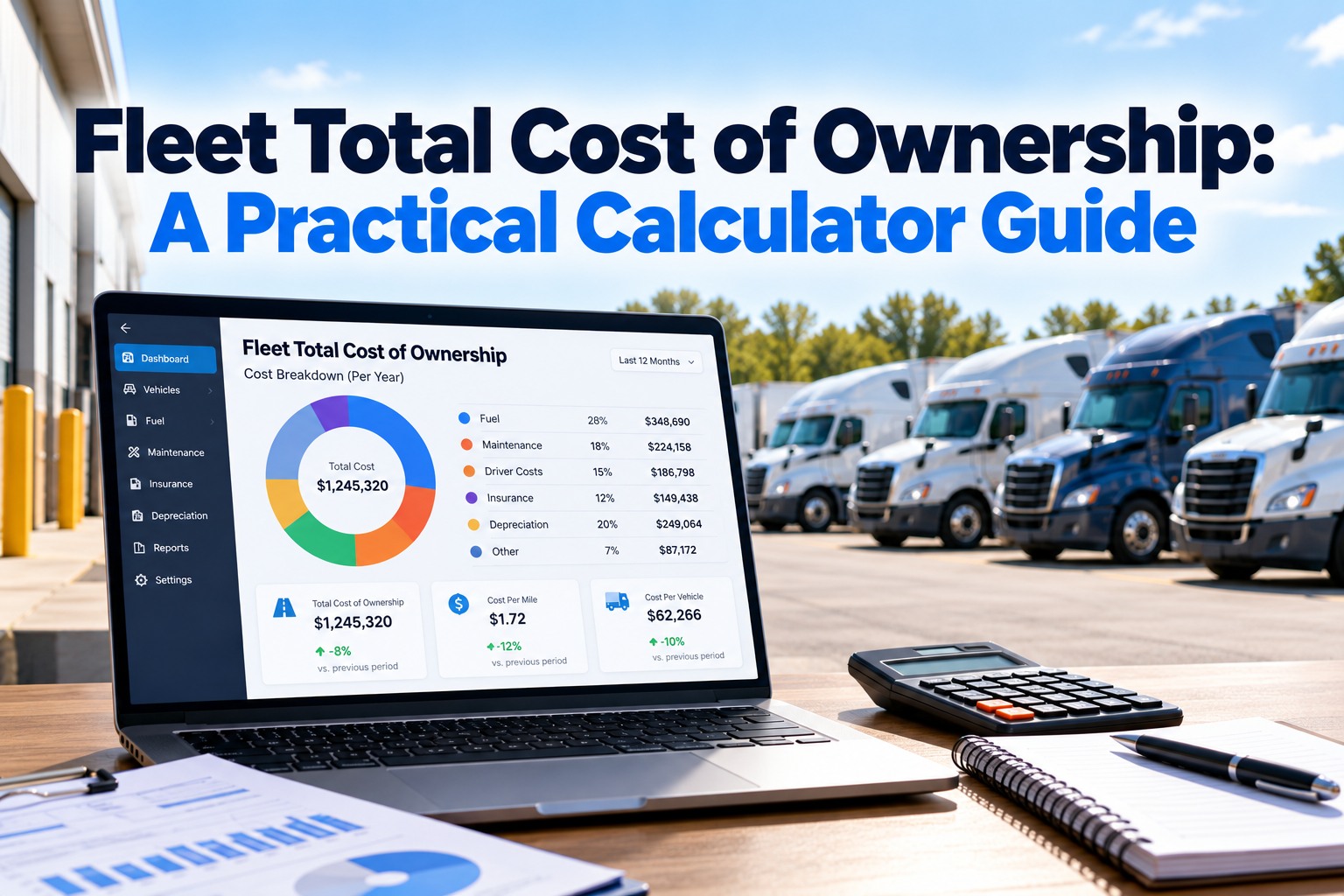
Understanding maintenance and repair costs helps fleet managers budget effectively while prioritizing critical repairs. Proactive maintenance delivers substantial cost savings versus reactive approaches. Calculate your suspension maintenance budget - 15 minutes
$2.46M
Annual Fleet Savings
35%
Cost Reduction
85%
Failure Prevention
2.1 Years
ROI Timeline
Typical Maintenance and Repair Costs
| Service/Component | Ford F-150 | Chevy Silverado | RAM 1500 | Jeep Wrangler | Service Life |
|---|---|---|---|---|---|
| Ball Joint Replacement | $400-$800 | $350-$700 | $500-$900 | $300-$600 | 80,000-120,000 mi |
| Shock/Strut Replacement | $800-$1,400 | $600-$1,200 | $1,200-$2,000 | $500-$1,000 | 75,000-100,000 mi |
| Power Steering Pump | $500-$800 | $400-$700 | $600-$1,000 | $350-$650 | 150,000-200,000 mi |
| Control Arm Assembly | $600-$1,200 | $500-$1,000 | $700-$1,300 | $400-$800 | 100,000-150,000 mi |
| Alignment Service | $120-$200 | $100-$180 | $140-$220 | $150-$250 | Every 20,000 mi |
| Annual Average Cost | $1,200-$1,800 | $1,000-$1,500 | $1,400-$2,000 | $900-$1,400 | Proactive Program |
COST OPTIMIZATION STRATEGY
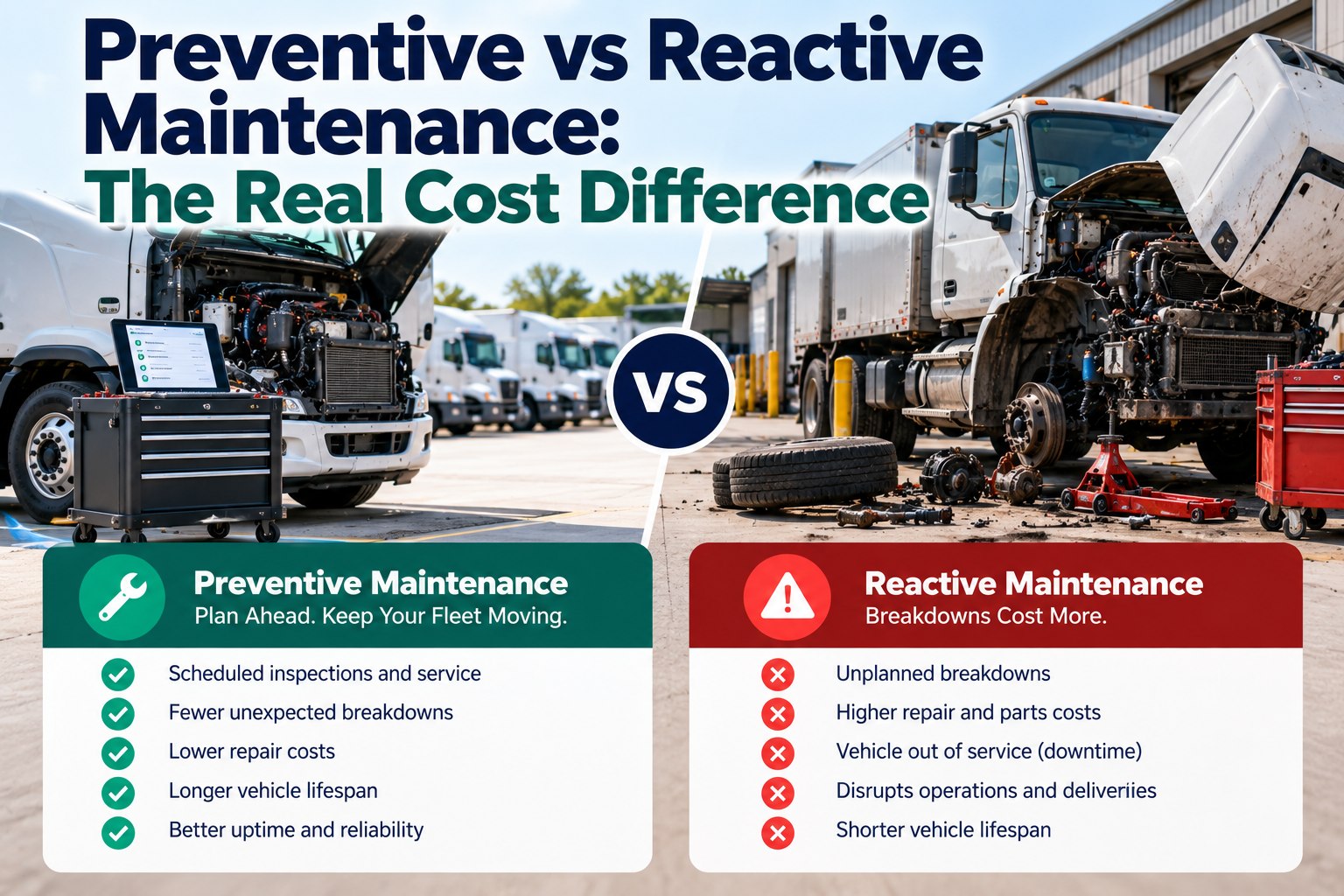
Proactive suspension maintenance reduces total ownership costs by 35% compared to reactive repair approaches. Regular inspection and preventive replacement of wear items prevents catastrophic failures that can cost 5-10 times more to repair.
Advanced Maintenance Technologies
Modern diagnostic and maintenance technologies improve accuracy while reducing service time and costs. Embracing these innovations delivers competitive advantages through enhanced efficiency. Explore advanced diagnostic solutions - 30 minutes
Digital Inspection Tools
- Tablet-based inspection checklists with photos
- Vibration analysis for component wear detection
- Thermal imaging for identifying problem areas
- 3D wheel alignment systems
Predictive Analytics
- Machine learning algorithms predict failure timing
- Telematics integration for real-time monitoring
- Pattern recognition for maintenance optimization
- Cost forecasting and budget planning tools
Common Questions and Expert Answers
Addressing frequently asked questions about American truck and SUV suspension and steering maintenance helps fleet operators make informed decisions. Get personalized expert consultation - 30 minutes
How often should I check my truck's alignment?
Check alignment every 20,000-25,000 miles or immediately after hitting a significant pothole or curb. Signs needing immediate attention include uneven tire wear, vehicle pulling to one side, or steering wheel off-center when driving straight. Ford F-150s and Chevrolet Silverados typically maintain alignment longer than lifted vehicles like Jeep Wranglers.
When should I replace ball joints on my pickup truck?
Replace ball joints when play exceeds manufacturer specifications (typically 0.050" vertical or horizontal movement). Upper ball joints on Ford F-150s commonly wear around 80,000 miles, while Silverado lower ball joints may last to 90,000 miles. Listen for clicking noises during turns and have them inspected if steering feels loose.
What's the difference between electric and hydraulic power steering maintenance?
Electric power steering (Ford F-150, RAM 1500) requires no fluid changes but needs periodic software updates and sensor calibration. Hydraulic systems (most Silverados, Jeep Wranglers) need fluid changes every 100,000 miles and regular belt/hose inspection. Electric systems are more reliable but costlier to repair when they fail.
Conclusion: Ensuring Long-Term Reliability Through Proper Maintenance
American trucks and SUVs deliver exceptional durability when suspension and steering systems receive proper maintenance attention. Whether managing Ford F-150 work trucks, Chevrolet Silverado fleets, or Jeep Wrangler off-road vehicles, implementing systematic maintenance protocols prevents costly failures while extending vehicle service life significantly.
Essential Action Steps
- Establish vehicle-specific maintenance schedules based on manufacturer recommendations
- Implement regular inspection programs using digital tools and checklists
- Train maintenance staff on proper diagnostic procedures
- Budget 2-3% of vehicle value annually for suspension and steering maintenance
- Use predictive maintenance technology to optimize service timing
The investment in proper suspension and steering maintenance pays dividends through improved safety, reduced downtime, and extended vehicle life. Modern diagnostic tools and systematic approaches make it easier than ever to maintain peak performance while controlling costs. Start your maintenance optimization journey with our free assessment tool - takes just 15 minutes or schedule a consultation with our maintenance experts.
Master Suspension and Steering Maintenance Today
Implement proven maintenance strategies that extend vehicle life by 40% while preventing costly failures. Get your customized maintenance program now.