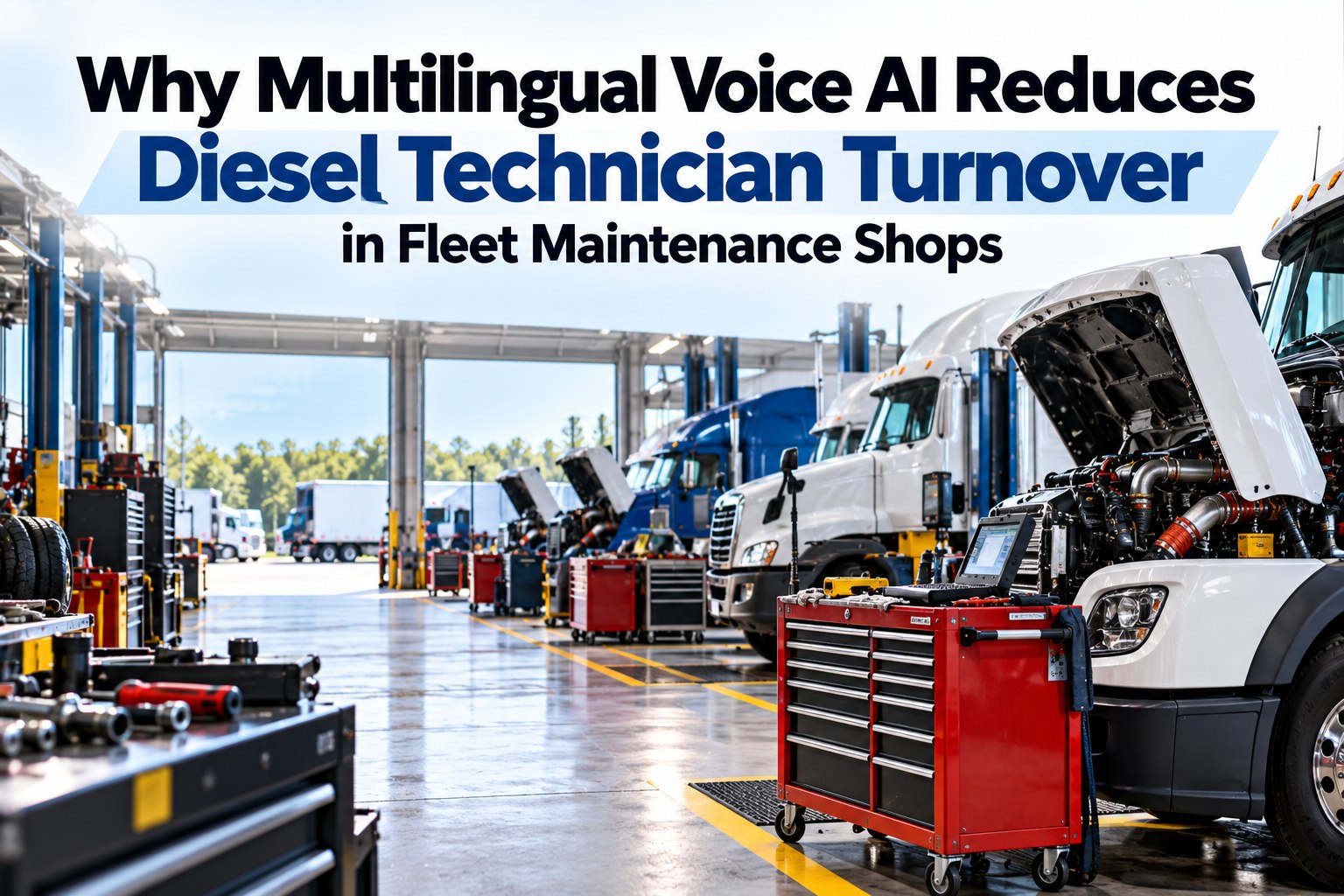
What happens when a fleet ditches clipboards for computer vision? The transformation is dramatic and measurable. We analyzed inspection data from fleets before and after implementing AI vehicle analysis, and the results reveal why 65% of maintenance teams plan to adopt AI by end of 2026. This visual comparison shows exactly what changes when artificial intelligence starts analyzing your vehicles. Book a demo to see AI inspection in action on your fleet.
Before & After: AI Vehicle Analysis
How One Technology Shift Transformed Fleet Inspections
The Transformation: Numbers That Tell the Story
AI vehicle inspection isn't incremental improvement — it's a category shift. When computer vision replaces human eyes, fleets see immediate, measurable changes across every inspection metric. The AI vehicle inspection market reached $1.9 billion in 2024 and is projected to hit $6.9 billion by 2033. Here's what the data shows from real fleet deployments:
Inspection Time
Defect Detection
Repair Cost/Truck
Breakdowns/Year
What AI Actually Sees (That Humans Miss)
Human inspectors catch obvious damage. AI catches everything — including micro-defects invisible to the naked eye. Systems trained on 30+ million vehicle images detect damage across 163+ vehicle parts with consistency that manual inspection cannot match. One survey showed automated inspections identify 96% of existing vehicle defects compared to just 24% for manual inspections. Learn more about AI predictive maintenance capabilities.
Human Inspectors Catch
- Large dents and scratches
- Obvious tire wear
- Visible fluid leaks
- Broken lights and mirrors
- Major body damage
AI Additionally Detects
- Micro-cracks as small as 0.2mm
- Early corrosion patterns
- Subtle paint degradation
- Tire tread depth to 1mm precision
- Undercarriage anomalies
- Brake wear indicators
- Suspension misalignment
Why Manual Inspections Fail
Manual inspections have a fundamental limitation: human inconsistency. Research shows human inspectors miss 15-30% of defects on average due to fatigue, time pressure, and subjective judgment. The problem compounds across large fleets where inspection quality varies dramatically between inspectors and shifts.
Inspector Fatigue
Accuracy drops 23% after 4 hours of continuous inspection work
Time Pressure
Rushed inspections miss 40% more defects than thorough ones
Subjective Standards
Same defect gets different severity ratings from different inspectors
Documentation Gaps
Paper records incomplete, illegible, or lost 35% of the time
See What AI Finds in Your Fleet
Upload vehicle photos and watch AI identify defects your manual inspections missed. Try it free with up to 3 vehicles — no credit card required. Most fleets find issues within the first inspection.
Before vs After: The Daily Workflow
The time savings compound across every vehicle, every day. A 50-truck fleet saves over 2,800 hours annually just on inspection time. Here's what changes when AI enters your DVIR workflow:
Before AI
Manual Walk-Around
15-20 minutes per vehicle checking each component
Paper Documentation
Handwritten notes, easy to miss items or write illegibly
Office Data Entry
Someone re-keys handwritten notes into system later
Manual Work Order
Hours or days delay before repair process starts
After AI
Guided Photo Capture
5 minutes total, AI prompts each angle needed
Instant AI Analysis
Defects flagged and classified in seconds automatically
Auto-Generated Report
Timestamped, GPS-tagged, fully DOT compliant
Auto Work Order
Repair queued instantly with parts and priority
The ROI Timeline: When Results Appear
Most fleets see measurable impact within weeks, not months. The first prevented breakdown often pays for the entire system investment. Deloitte research found that predictive maintenance increases productivity by 25%, reduces breakdowns by 70%, and lowers maintenance costs by 25%. Here's the typical progression:
Immediate Time Savings
Inspections drop from 45 to 5 minutes. Drivers complete inspections 89% faster with guided mobile capture. No training headaches — most drivers proficient within 30 minutes.
Hidden Defects Surface
AI catches issues manual inspections missed. Fleets typically find 35% more defects in the first month. Early detection prevents small problems from becoming expensive failures.
First Breakdown Prevented
Early detection stops a failure that would have cost $3,000-8,000 in emergency repairs, towing, and downtime. This single save often covers the entire system cost.
Pattern Recognition Activates
AI identifies fleet-specific failure patterns and begins predicting issues 2-4 weeks before occurrence. Maintenance shifts from reactive to proactive scheduling.
Full ROI Achieved
200-500% ROI documented. Maintenance costs down 25-40%, breakdowns reduced 70%+, insurance premiums drop 15% from improved CSA scores.
Compliance Transformation
DOT audits become simple with AI-generated documentation. Every inspection creates timestamped, GPS-verified, photo-documented records that satisfy compliance requirements automatically. FMCSA estimates proper DVIRs prevent approximately 14,000 accidents annually through early defect identification.
Motor carriers pass DOT audits without violations
Pass rate with AI-documented inspections
Timestamped
Every inspection logged with exact date and time automatically
GPS-Verified
Location proof for every inspection eliminates fraud concerns
Photo Evidence
Visual documentation for every defect with severity classification
Audit-Ready
Instant retrieval for DOT inspectors in seconds not hours
The Real Cost Comparison
AI inspection isn't an expense — it's a cost eliminator. Here's what fleets actually save based on preventive maintenance data from real deployments:
How AI Inspection Technology Works
Modern AI inspection systems use computer vision and machine learning to analyze vehicle images with medical-grade precision. The technology has evolved rapidly, making enterprise-level accuracy accessible to fleets of any size through smartphone-based capture.
Computer Vision
AI algorithms trained on 30+ million images detect 21+ damage types across 163+ vehicle parts with sub-millimeter precision
Pattern Recognition
Machine learning identifies fleet-specific failure patterns and predicts component failures 2-4 weeks before they occur
Fraud Detection
Advanced algorithms identify digitally altered images, duplicate photos, and attempts to conceal prior damage
Guided Capture
Mobile apps walk drivers through each inspection point, showing exactly what to photograph for consistent results
Implementation: Easier Than You Think
Modern platforms deploy in days, not months. No new hardware required — AI works with existing smartphones. Integration with your current fleet management software, ELDs, and CMMS happens seamlessly. Most drivers become proficient within 30 minutes.
Day 1-2: Setup
Account configuration, vehicle import, inspection template customization. Use existing smartphones — no hardware purchase needed.
Day 3-5: Training
30-minute driver training sessions. Most achieve proficiency in first session. Champions help train peers for faster adoption.
Week 2: Full Deployment
All vehicles and drivers active. Real-time dashboards show inspection status fleet-wide. First defects already being caught.
Week 3+: Optimization
AI learns your fleet's patterns. Connect to CMMS for auto work orders. Pattern recognition improves with each inspection.
Frequently Asked Questions
AI achieves 95-99% defect detection accuracy versus 70-80% for manual inspection. The improvement comes from consistency — AI doesn't get fatigued, rushed, or distracted. Systems trained on 30+ million images detect micro-damages and wear patterns that human inspectors consistently miss. One study showed AI catches 96% of defects versus just 24% for manual inspection.
Most fleets complete setup within 1-2 weeks. Day 1: Account setup and vehicle import. Week 1: Team training — drivers typically proficient within 30 minutes. Week 2: Full deployment with all vehicles active. No new hardware required — AI works with existing smartphones and tablets you already have.
Surprisingly, no. Drivers prefer AI inspection because it's faster (5 minutes vs 45), eliminates paperwork, and provides immediate feedback. Research shows zero correlation between driver age and adoption success when implementation is done correctly. Most fleets achieve 95%+ driver adoption within 30 days with proper training and support.
Most fleets see positive ROI within 60 days. The first prevented breakdown — which often happens in month one — typically justifies the entire investment. By month 6, fleets document 200-500% ROI through reduced repair costs ($8,500/truck savings), fewer violations ($2,400/truck savings), and improved uptime.
Yes — small fleets often see the highest percentage ROI because every vehicle represents significant capacity. FleetRabbit offers free AI inspection for up to 3 vehicles with no credit card required. Paid plans start at just $3/vehicle/month with no contracts. You can scale up or down anytime.
Yes. On February 19, 2026, FMCSA published a final rule explicitly authorizing electronic DVIRs under 49 CFR 396.11 and 396.13. Digital signatures fully replace wet ink requirements. AI inspection systems automatically generate DOT-compliant reports with all required elements: timestamped photos, GPS verification, digital signatures, and complete checklists.
Ready to Transform Your Inspections?
Join thousands of fleets that eliminated paper clipboards and achieved 95%+ defect detection. Start free with up to 3 vehicles — see the before/after difference in your own fleet within the first week.