A DOT auditor just sent your fleet a compliance review notice. You have 10 days to produce years of documentation. Do you know exactly where every file isor are you about to discover the gaps that 93% of carriers face during audits?
DOT audits follow a predictable structure—the same six compliance areas, every time. Fleets that maintain organized, AI-tracked documentation pass clean. Those relying on filing cabinets and spreadsheets face fines that now exceed $16,000 per violation. The difference between the 7% who pass clean and the 93% who don't isn't luck—it's systematic preparation. This guide gives you the exact checklist auditors use, the 2026 regulatory changes affecting compliance, and how AI keeps your fleet audit-ready 365 days a year.
What Triggers a DOT Audit?
Understanding why audits happen helps you prioritize compliance efforts. FMCSA uses multiple triggers to select carriers for review—and with the 2026 SMS scoring overhaul, data-driven selection is more precise than ever.
Poor CSA Scores
Carriers exceeding intervention thresholds in any BASIC category face increased audit probability. The 2026 SMS overhaul updates scores monthly—not quarterly.
Crash History
Reportable crashes (tow-away, injury, or fatality) significantly increase audit likelihood, especially multiple incidents within 24 months.
Complaints Filed
Safety complaints from the public, drivers, or other carriers trigger investigations. Anonymous hotline reports are taken seriously.
New Entrant Status
Carriers within 18 months of registration receive mandatory safety audits. Failing means immediate revocation of operating authority.
Roadside Violations
Pattern of inspection violations, especially out-of-service orders, flags carriers for deeper compliance review.
Targeted Enforcement
FMCSA runs periodic campaigns targeting specific violation types—Clearinghouse compliance and HOS violations are 2026 priorities.
The best defense? Maintain continuous compliance so none of these triggers apply to your operation. Learn how AI compliance automation keeps your fleet off FMCSA's radar.
The 6 Areas DOT Auditors Check (Complete Visual Checklist)
Every FMCSA compliance review examines these six categories. A gap in any single area can trigger deeper investigation across your entire operation. Here's what auditors request—and where most carriers fail:
Missing or incomplete documentation in any category can result in citations—or automatic failure for new entrant audits. Learn how proper DQ file management prevents 12% of all FMCSA violations.
2026 Regulatory Changes You Must Know
2026 brings the most significant enforcement updates since the ELD mandate. These changes fundamentally affect how carrier safety is measured, how inspections are documented, and how quickly violations escalate. Fleets that don't adapt face increased audit risk and higher penalties.
CSA Scoring Overhaul (Full Enforcement)
The new Safety Measurement System splits Vehicle Maintenance into two scoring categories—"Vehicle" and "Driver-Observed." Monthly updates (not quarterly) with data published just 10 days after capture. Data accuracy matters more than ever.
Electronic DVIRs Officially Authorized
FMCSA-2025-0115 removes all legal ambiguity around paperless inspection reports. Digital DVIRs with timestamps, GPS stamps, and photo documentation are now explicitly compliant under 49 CFR 396.11 and 396.13.
Paper Medical Certificates Expire
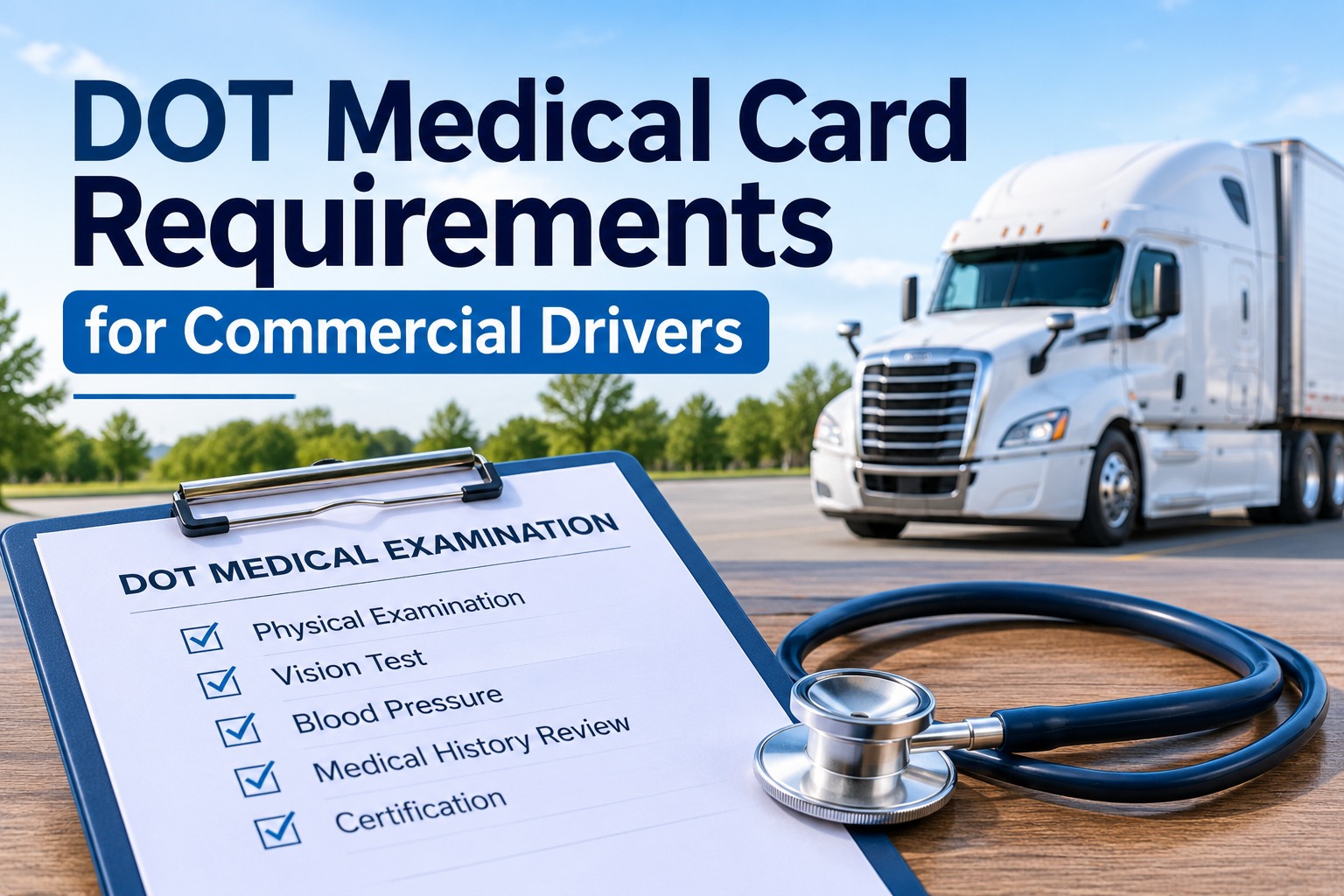
The temporary waiver allowing carriers to accept paper MECs ends. Medical certification must now be verified exclusively through Motor Vehicle Records (MVRs) from state licensing agencies.
Clearinghouse CDL Revocations
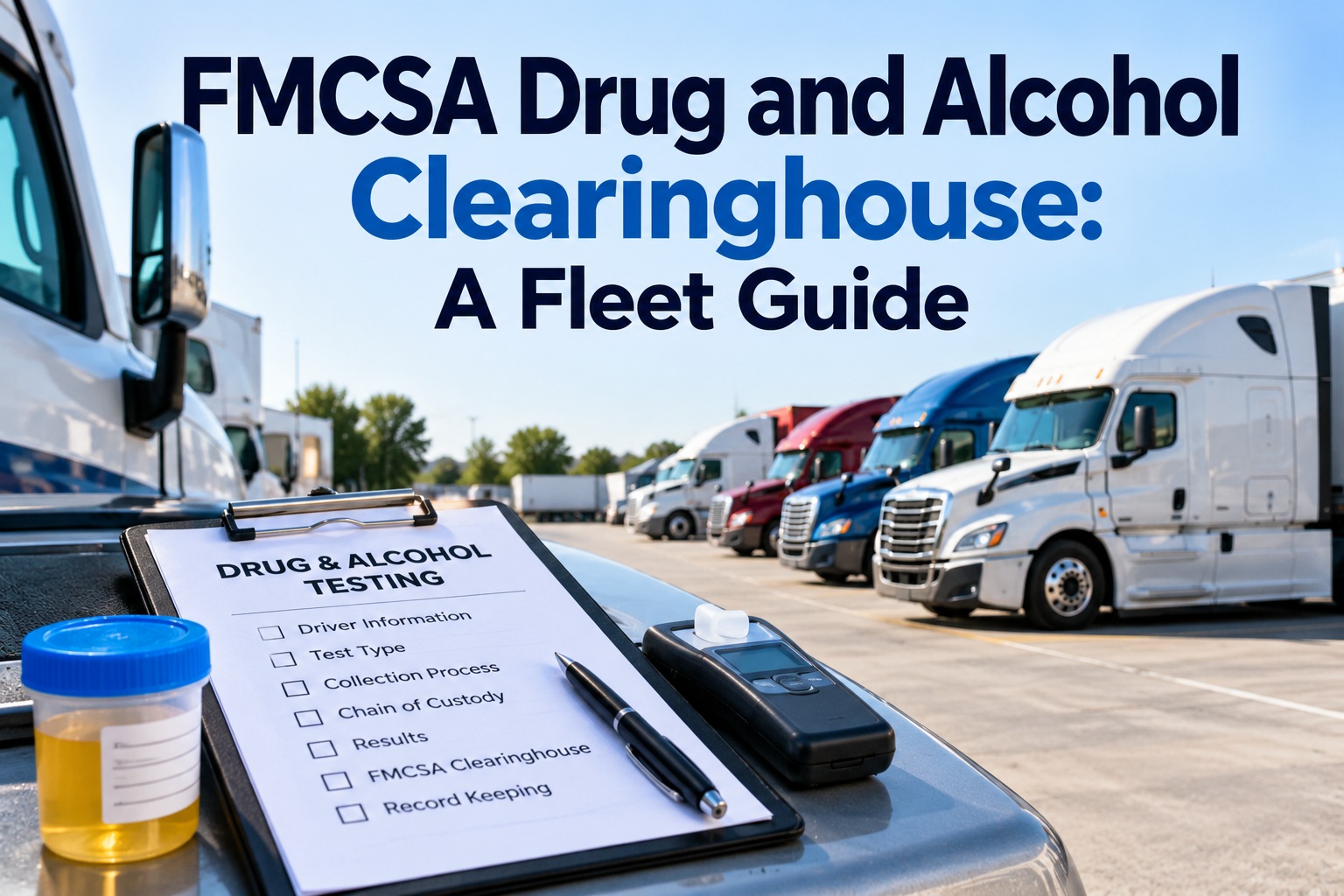
FMCSA actively revoking CDLs for drivers with unresolved "prohibited" status. Pre-employment full queries and annual limited queries are mandatory—missing queries result in $10,278 average penalty.
MC Numbers Eliminated
USDOT numbers are now the sole federal identifier for all carriers, brokers, and freight forwarders. All vehicles, insurance filings, and documentation must reflect USDOT numbers only.
Discover how digital DVIR apps create audit-ready inspection trails that pass FMCSA reviews with timestamps, photos, and GPS verification.
Stay Ahead of Regulatory Changes
FleetRabbit's AI Auditor automatically updates compliance rules when FMCSA regulations change—so your workflows always reflect current enforcement standards without manual policy updates.
Common Audit Violations & Penalties (2026 Data)
Understanding where other carriers fail helps you prioritize your compliance efforts. These are the most frequently cited violations during FMCSA audits—and the penalties that follow:
Note: Penalties compound when multiple violations are found. A single audit can result in $50,000-$125,000+ in combined fines for carriers with systemic compliance failures.
Why Manual Compliance Fails (The Hidden Risks)
Every expired document, every missed query, every incomplete file becomes a violation during audits. Manual tracking simply can't keep pace with the complexity of modern compliance requirements—especially with the 2026 changes.
How AI Keeps Your Fleet Audit-Ready Year-Round
FleetRabbit's AI Auditor transforms reactive document-chasing into proactive compliance management. Instead of scrambling when an audit notice arrives, you're prepared every single day. Here's how the system works:
Centralized Document Storage
Every compliance document in one searchable location—DQ files, maintenance records, insurance policies, permits, and certifications. All indexed by driver, vehicle, date, and document type. Find any document in seconds, not hours.
Smart Expiration Tracking
Configurable notifications via email, SMS, and in-app alerts. Set custom warning periods—30, 60, 90 days—for different document types. Medical cards, CDLs, annual inspections, insurance certificates—nothing expires without warning.
AI Compliance Verification
Artificial intelligence validates document completeness against FMCSA requirements. Missing application fields, incomplete MVR histories, unsigned acknowledgments—the system flags gaps before auditors find them.
Instant Audit Packages
Generate complete, organized audit files on demand. When FMCSA calls, you export everything they need in minutes—not days. Timestamped, sorted, and formatted exactly as auditors expect.
Regulatory Change Alerts
When FMCSA rules change—like the 2026 CSA overhaul or eDVIR authorization—the system updates your compliance requirements automatically. You learn through your dashboard, not violation notices.
Multi-User Access & Escalation
Compliance managers, drivers, mechanics—everyone sees what they need. If the primary person doesn't act on an alert, the system automatically escalates to supervisors. No single point of failure.
See how comprehensive FMCSA compliance management helps the top 7% of carriers pass audits without a single violation.
Your 10-Day Audit Prep Checklist
If you receive an audit notice, use this timeline to prepare. Fleets using AI compliance tools can generate these packages instantly—those using manual systems need every day of this timeline.
Gather Core Driver Documents
- Pull all DQ files for active drivers
- Verify Clearinghouse queries are current (pre-employment + annual)
- Confirm medical certificates via MVR verification
- Check employment applications for complete 3-year history
Review HOS & ELD Records
- Export 6 months of ELD data for all drivers
- Match logs to supporting documents (fuel receipts, BOLs)
- Address any unassigned driving events with annotations
- Verify ELD device is still on FMCSA registered list
Verify Vehicle Maintenance Records
- Ensure DVIRs link to repair documentation
- Confirm annual inspection stickers are current on all vehicles
- Pull preventive maintenance schedule compliance reports
- Organize repair orders with parts documentation
Drug & Alcohol Program Documentation
- Verify random testing pool records are current
- Confirm pre-employment test results for all drivers
- Check SAP/return-to-duty documentation if applicable
- Ensure D&A policy has signed driver acknowledgments
Final Review & Organization
- Organize all files by driver/vehicle for easy access
- Update insurance and authority documentation
- Prepare accident register with required details
- Brief staff on audit procedures and expectations
Pro Tip: Don't Wait for the Audit Notice
The best time to prepare for a DOT audit is before FMCSA ever contacts you. Fleets that maintain continuous compliance have nothing to scramble for when the call comes. With AI-powered document tracking, you're audit-ready every day—not just the 10 days after a notice arrives.
Audit Types: What to Expect
Not all DOT audits are equal. The type of review determines what documents are examined, how long it takes, and consequences for non-compliance. Understanding the differences helps you prepare appropriately.
New Entrant Safety Audit
Required for all carriers within 18 months of receiving operating authority. Failure results in immediate revocation of authority. Focus areas: basic safety management controls, driver qualification, vehicle maintenance, and drug/alcohol testing programs.
Compliance Review (CR)
In-depth examination of all six compliance areas. Triggered by poor CSA scores, crashes, or complaints. Can be onsite (1-3 days) or offsite (remote document review). Results in safety rating: Satisfactory, Conditional, or Unsatisfactory.
Focused Investigation
Examines specific compliance areas based on identified concerns. May focus solely on HOS, drug testing, or vehicle maintenance depending on what triggered the investigation. Shorter than full CR but can expand if issues are found.
Offsite/Remote Audit
FMCSA requests records electronically—you have 48 hours to produce them. Increased 400% since 2020. Requires digital document accessibility. Carriers with paper-only systems struggle to meet tight timelines.
Frequently Asked Questions
There's no set schedule for DOT audits. Carriers with high CSA scores, crash history, or complaints may be audited more frequently. New entrant carriers receive a mandatory safety audit within 18 months of registration. Some carriers go years without an audit, while others face multiple reviews. With FMCSA's increased use of remote audits (up 400% since 2020), you could receive notice at any time—which is why continuous compliance is essential.
Consequences range from corrective action letters to significant fines ($1,000-$16,000+ per violation), conditional safety ratings, or in severe cases, an Unsatisfactory rating that effectively shuts down your operation. For new entrant audits, failure can result in immediate revocation of operating authority. Even carriers who don't face the harshest penalties often see insurance rate increases and lost shipper contracts due to CSA score damage.
No. Motor carriers are required by law to cooperate with FMCSA compliance reviews. Refusing an audit or failing to provide requested records can result in an automatic Unsatisfactory safety rating and civil penalties. If you're operating under FMCSA authority, you've agreed to submit to compliance reviews as a condition of that authority.
Yes, absolutely. FMCSA-2025-0115, effective March 23, 2026, explicitly authorizes electronic DVIRs under 49 CFR 396.11 and 396.13. Digital inspection reports that capture vehicle identification, defects found (or "no defects" certification), driver signature, and repair verification are fully compliant. Fleets using digital platforms actually gain advantages during audits through timestamps, GPS stamps, and photo documentation that paper forms can't provide.
A typical onsite compliance review takes 1-3 days depending on your fleet size and the scope of the review. Larger fleets or focused reviews on multiple problem areas may take longer. Remote/offsite audits can be completed faster but require you to produce all requested documents within 48 hours. The preparation time—gathering and organizing records—often takes longer than the audit itself for carriers without digital compliance systems.
Driver Qualification File violations account for nearly 12% of all FMCSA citations—making DQF the single most documentable and commonly missed audit category. Common failures include missing or expired medical certificates, incomplete employment applications, failure to verify prior employment, and missing Clearinghouse queries. HOS violations are the second most common, followed by drug/alcohol testing program deficiencies.
Learn more about DVIR requirements and FMCSA compliance to ensure your inspection documentation meets current standards.
Get Audit-Ready in 30 Days
FleetRabbit's AI Auditor tracks every document, sends expiration alerts, validates compliance against FMCSA requirements, and generates complete audit packages on demand. Free for fleets up to 3 vehicles. Just $3/vehicle/month to scale your entire operation.