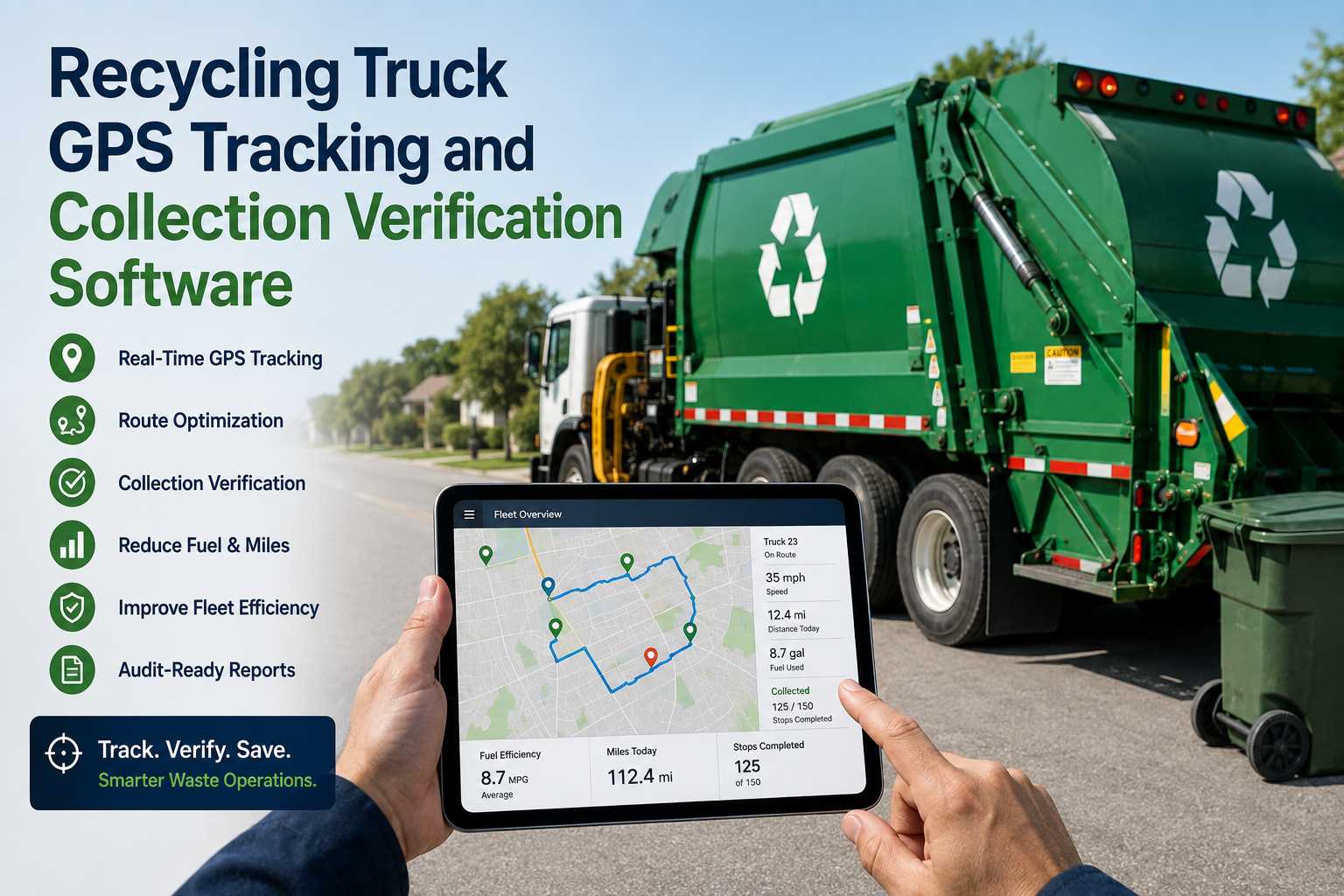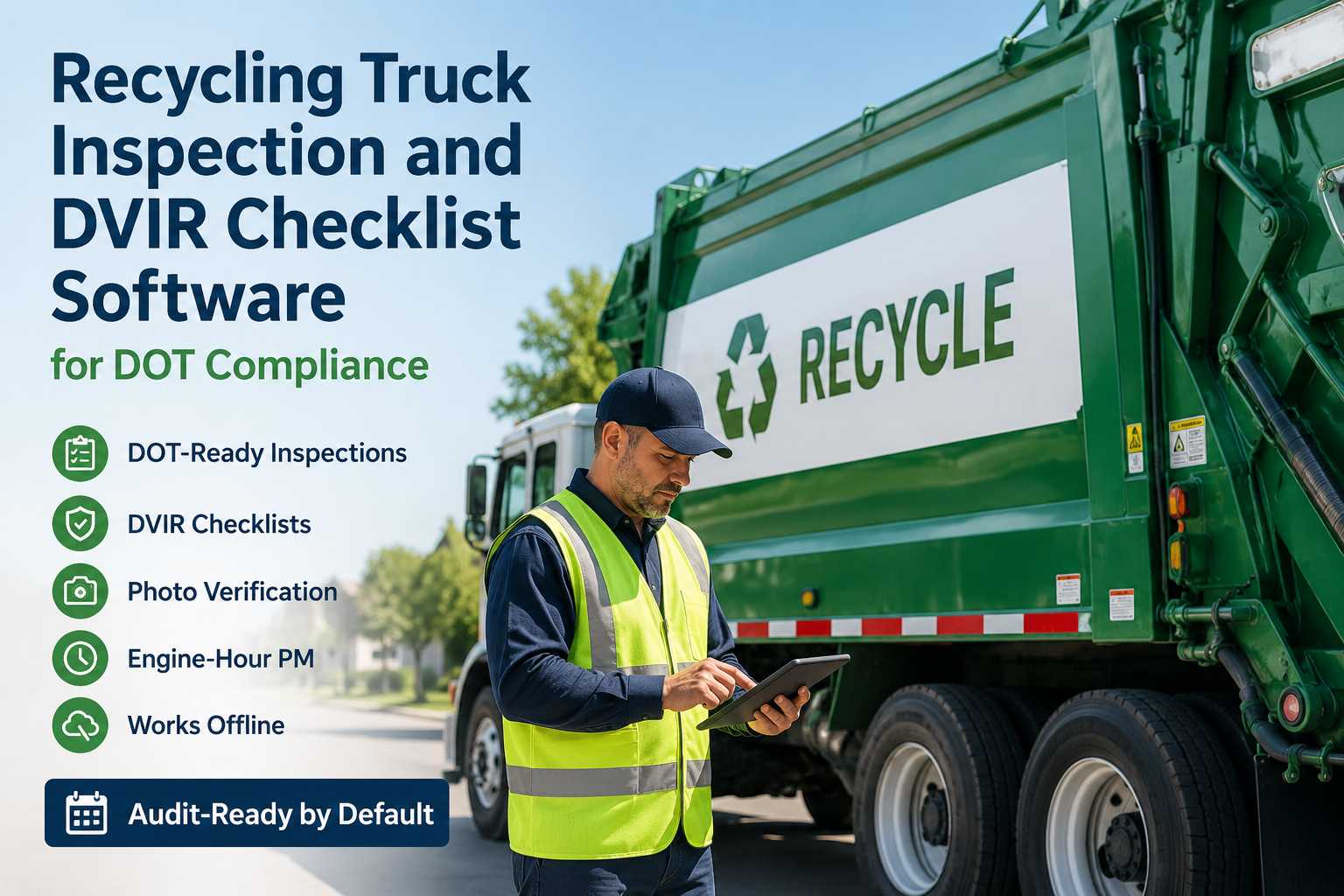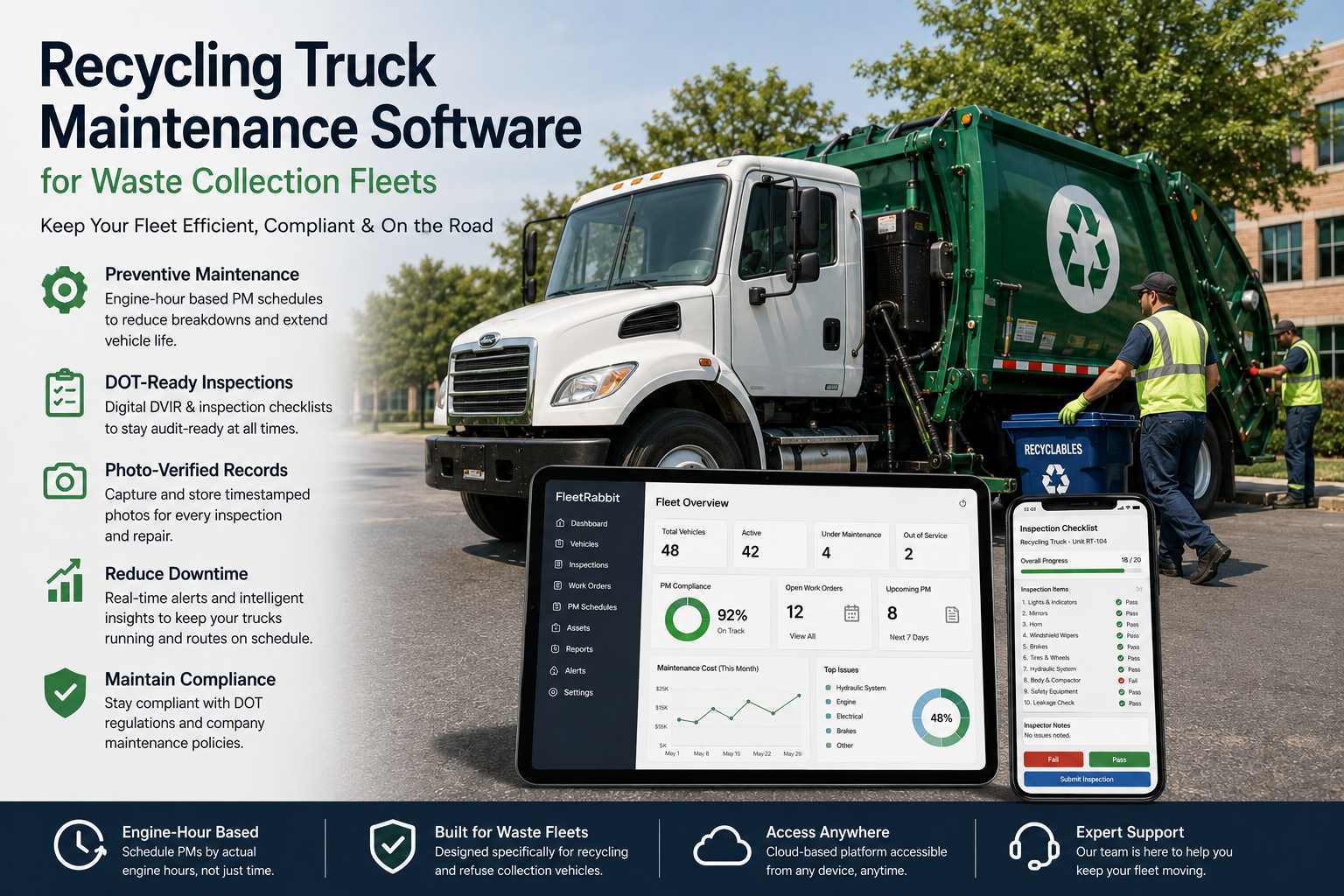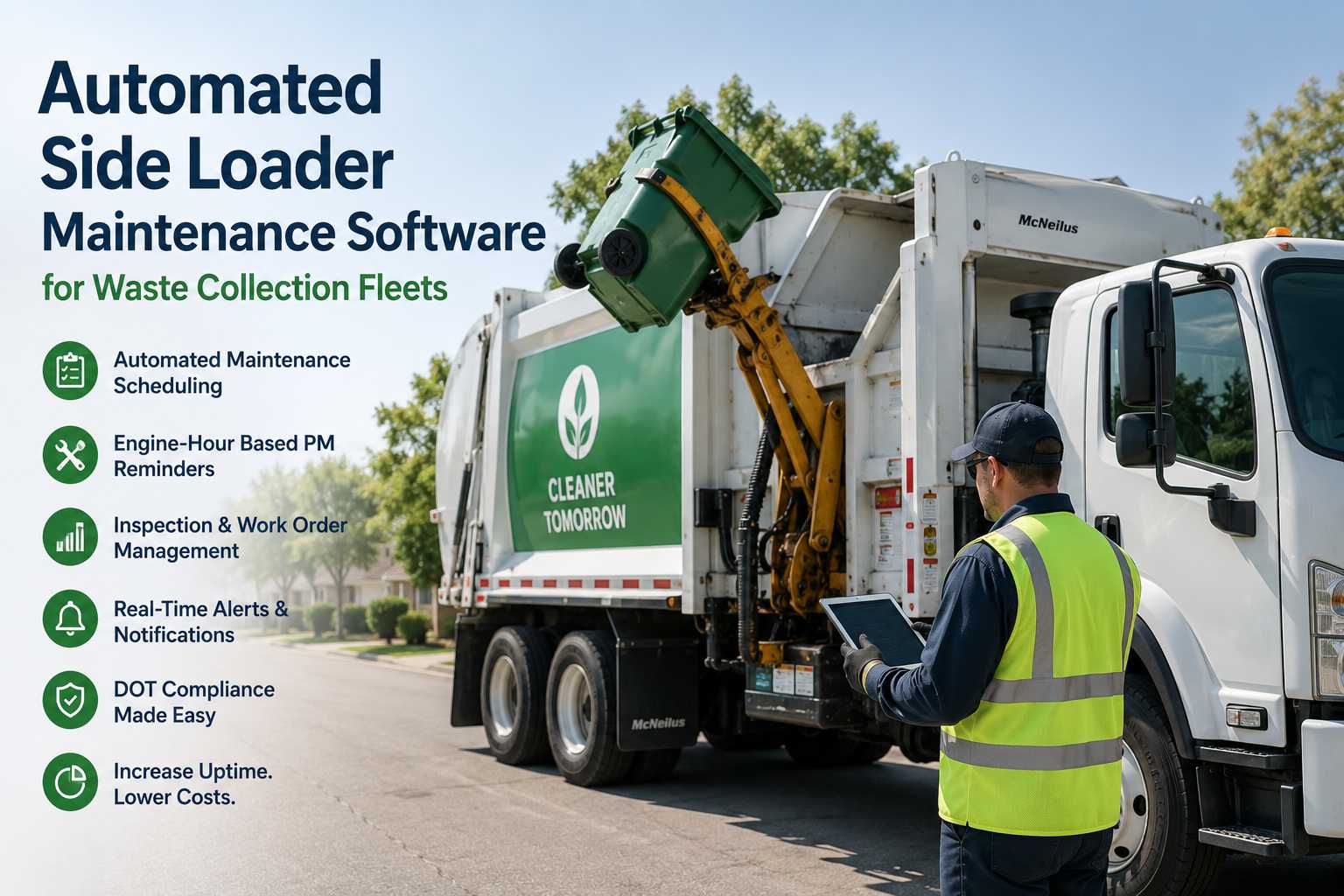
Municipal solid waste operations, private refuse contractors, and heavy fleet maintenance superintendents manage automated side loader (ASL) fleets under continuous mechanical stress: servicing high-pressure lift cylinders, measuring grabber arm pin tolerances, checking proportional control valve spools, and tracking PTO hydraulic duty hours before trucks leave the maintenance yard. When arm cycle lubrication intervals, packer blade wear pad clearances, and hydraulic fluid particulate counts remain tracked on paper shop dry-erase boards or disconnected fleet software, refuse operators face catastrophic arm fractures on suburban streets, costly roadside tow-ins, and severe municipal route abandonments. Fleet Rabbit delivers specialized automated side loader maintenance software engineered for high-cycle refuse equipment, uniting automated lift-cycle PM triggers, hydraulic pressure diagnostic logging, digital pre-route body DVIRs, and shop inventory parts staging. Eliminate sudden arm weld failures, prevent curbside hydraulic blowouts, and keep residential automated collection routes fully staffed and on schedule. Book a Demo to see Fleet Rabbit ASL maintenance software in action.
ASL FLEET TELEMETRY HEROAutomated Side Loader Maintenance & Fleet PM Software
Automate lift-arm preventive maintenance schedules, track hydraulic proportional valve pressures, log pin bushing wear, and turn pre-trip defects into staged shop work orders.
Why Generic Fleet Tools Fail Heavy Automated Side Loaders
Automated side loaders endure up to 1,200 heavy arm extensions, grabs, hoists, and compact cycles per route; managing them solely by chassis mileage guarantees premature component failure.
Unmonitored Lift Arm Pivot Bushing & Pin Wear
Repeated dynamic cart impacts cause severe ovaling in grabber arm pivot bushings. When grease intervals are tracked by road miles rather than lift cycles, pins seize or fracture mid-lift over suburban curbs.
Proportional Valve Drift & Pressure Spikes
Hydraulic fluid breakdown degrades proportional valve spool seals, leading to jerky arm extension and uncontrolled cart slams. Standard shop tools miss valve drift until packing cylinders fail under load.
Packer Panel Follower Track & Blade Gouging
Worn brass follower shoes allow compactor blades to gouge hopper sidewalls, causing structural floor warping and catastrophic pump cavitation that can sideline an ASL for weeks.
Shop Communication Lags & Parts Delays
Drivers noting weeping cylinder rods on paper slips often see those slips sit on maintenance clipboards for days. By the time parts are ordered, the seal blows and drops raw oil across collection routes.
How Fleet Rabbit Maximizes Automated Side Loader Uptime
Fleet Rabbit bridges the gap between the driver's cab and the maintenance garage, combining cycle-triggered service routines, mobile work orders, and parts management. Request a 1-on-1 walkthrough.
Lift-Cycle Triggered Maintenance
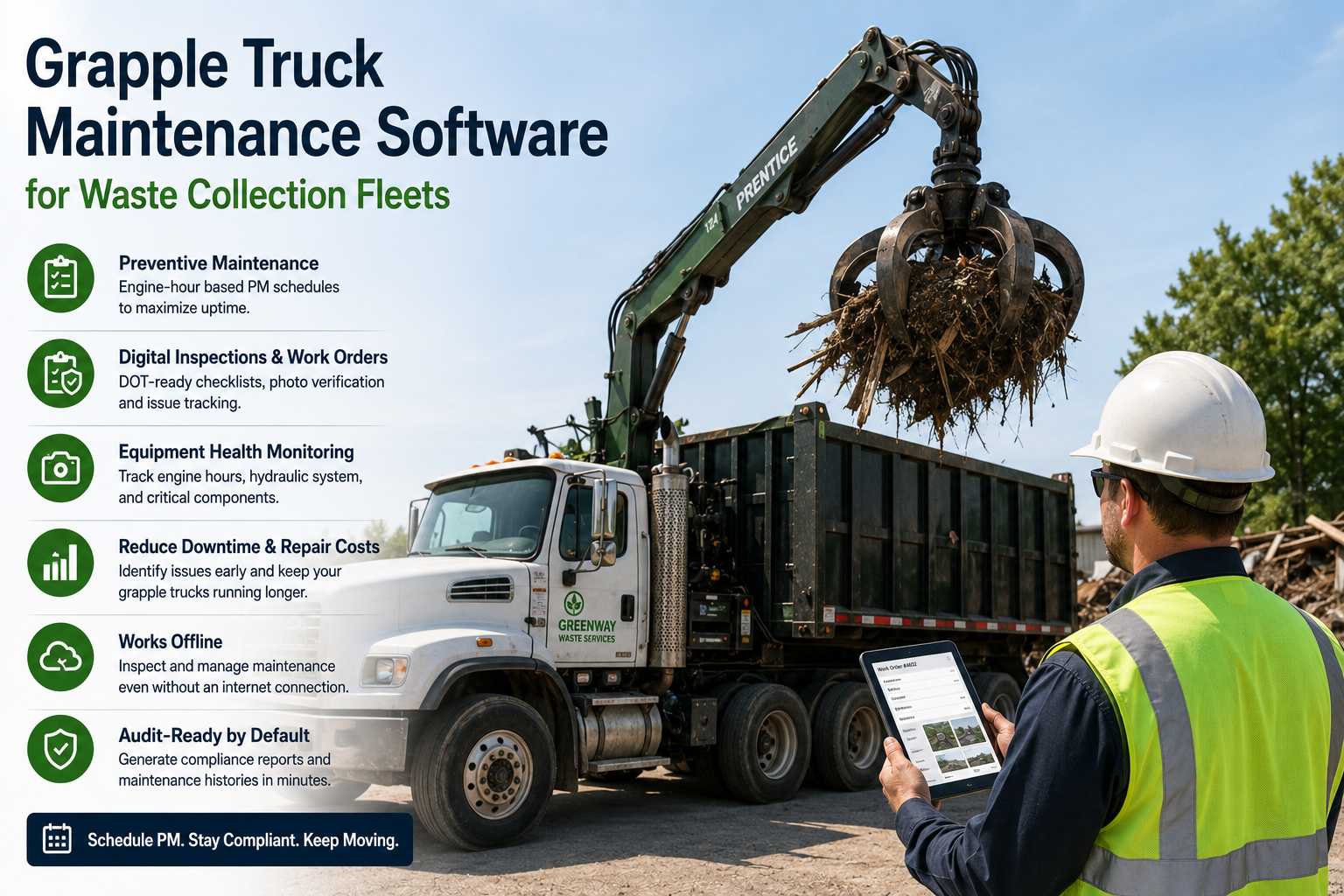
Trigger automated lubrication, pin inspections, and arm torque checks based on real-time PTO hours and lift cycles rather than inaccurate chassis odometers.
Hydraulic Health & Fluid Tracking
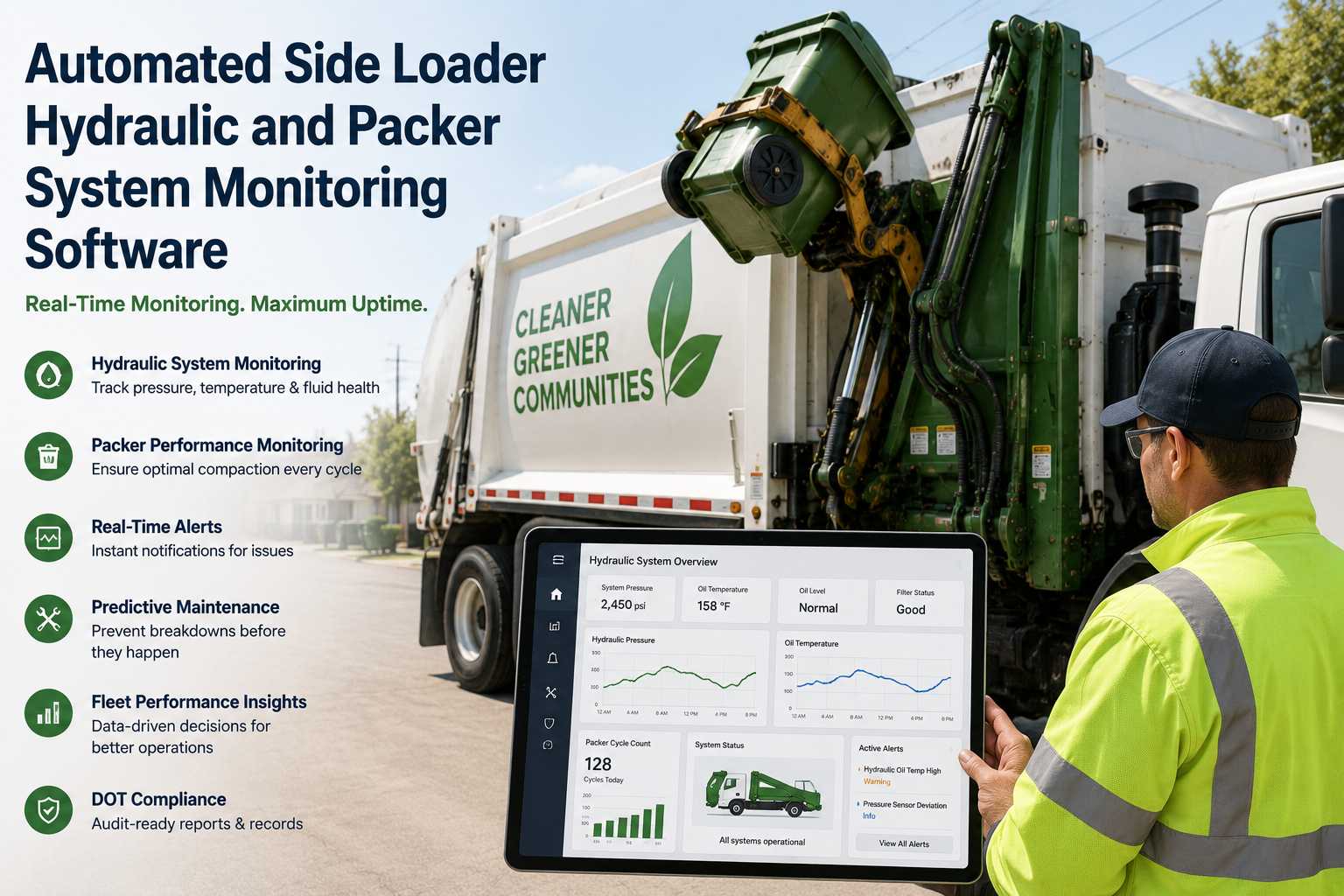
Log main relief valve operating pressures, cylinder cycle times, return line filter differential pressure, and ISO fluid particulate analysis directly in the shop terminal.
Refuse Body Digital DVIRs
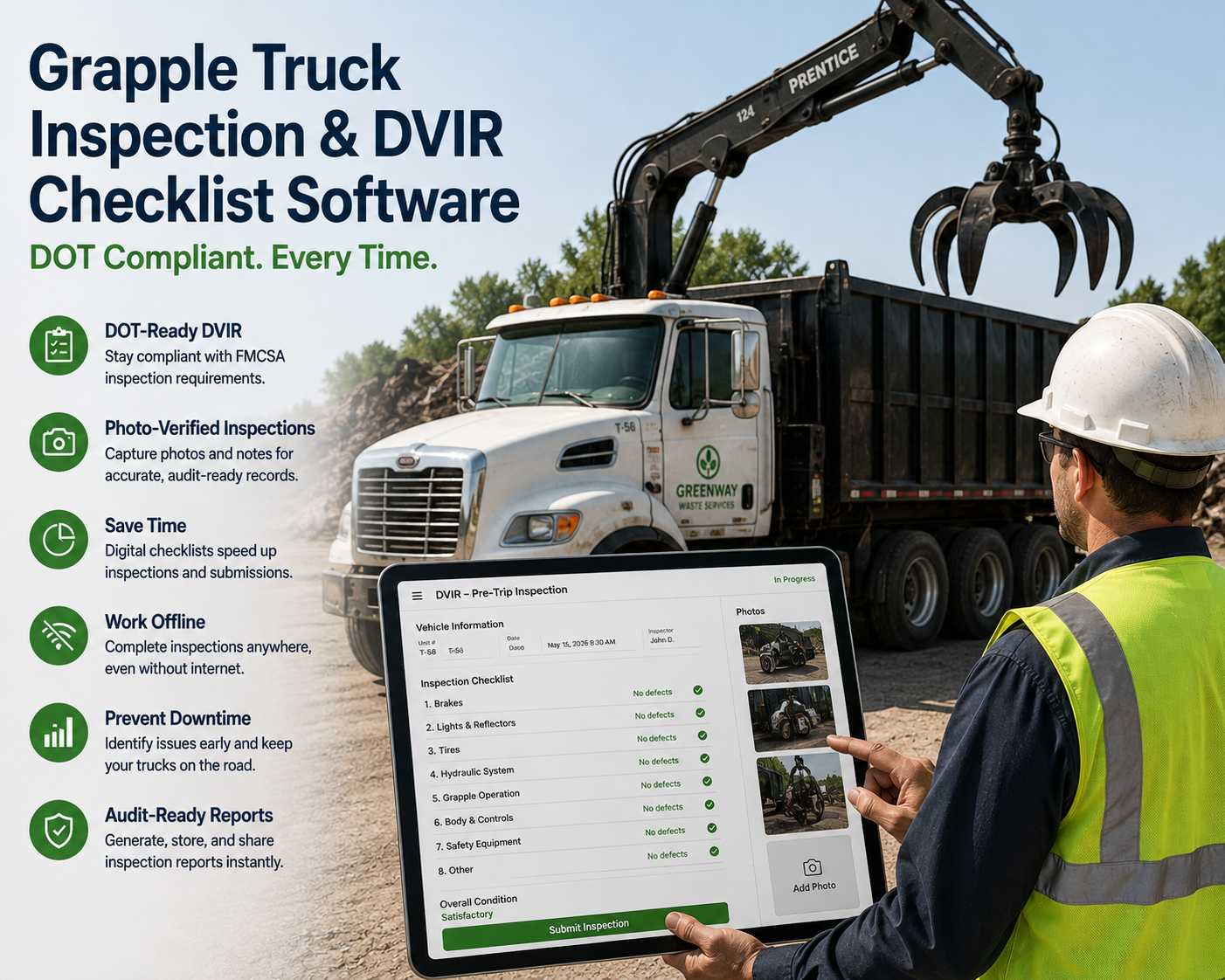
Specialized mobile walkaround modules covering grabber finger pads, auto-greaser reservoir levels, packer panel travel, and proximity sensors with mandatory photo verification.
Full Offline Shop Capabilities
Mechanics complete multi-point body rebuild inspections, close work orders, and assign parts in transfer stations and steel yard bays completely offline.
Refuse Parts & Hose Inventory
Automatically deduct hydraulic cylinders, custom high-pressure hoses, proximity switches, and grabber pads as work orders close, with low-stock reorder warnings.
ANSI Z245 & OSHA Lockout Vault
Maintain digital compliance audit trails for annual refuse body inspections, hopper lockout/tagout (LOTO) procedures, and emergency stop interlock testing records.
Refuse Industry Safety & Mechanical Standards Alignment
Fleet Rabbit’s ASL maintenance protocols are structured to satisfy American National Standards Institute (ANSI) refuse mandates, OSHA safety rules, and federal DOT guidelines.
Full integration of ANSI maintenance requirements for automated side-loading refuse equipment, including emergency shut-off checks, container grabber interlocks, and body props.
Enforces standardized electronic lockout/tagout (LOTO) checklists for hopper access, packing mechanism clearing, and high-pressure hydraulic line depressurization.
Aligns chassis brake inspections, dual-steer gearboxes, and suspension components with mandatory annual FMCSA periodic inspection tracking and electronic sign-offs.
Guarantees audit-ready maintenance ledgers demonstrating continuous fleet seaworthiness and vehicle availability to meet municipal collection contract KPIs.
ASL Maintenance Software Comparison
A capability comparison tailored for automated side loaders, hydraulic diagnostics, and refuse shop operations. Competitor data sourced from public records as of 2026. Request a technical comparison.
| Capability | Fleet Rabbit | Dossier Systems | Fleetio | Generic Spreadsheets |
|---|---|---|---|---|
| Pricing (per asset) | $5/month | $15–$35/month ($$$) | $4–$8/mo (base tier) | Manual overhead |
| Lift-Cycle & PTO Triggered PMs | Native cycle tracking | Hour tracking only | Odometer biased | Not available |
| Pre-Built ASL Body Inspection Templates | Dedicated refuse body sets | Custom configuration | Generic fleet forms | Static clipboard |
| Hydraulic Hose & Valve Part Tagging | Native body schematics | Basic parts catalog | Basic parts catalog | Manual binders |
| Offline Bay & Yard Sync | Full offline engine | Server-client network | Limited | Paper logs |
| Free Trial | 14 days, up to 3 assets | Demo only | 14 days | None |
| Contract Terms | Monthly or annual | Annual contract lock-in | Annual contract | None |
5-Step Implementation Roadmap
Fleet Rabbit delivers a rapid deployment path designed for refuse operations, moving your maintenance garage from reactive repairs to predictive ASL management in two weeks.
Chassis & ASL Body Serial Mapping
Import VINs, body model numbers (Heil, McNeilus, Labrie, New Way), PTO specs, arm serials, and current cylinder rebuild intervals.
Hydraulic & Arm PM Schedule Configuration
Set automated alerts for 250-hour grease cycles, 500-hour hydraulic oil filtration sweeps, and 1,000-hour arm pivot pin tolerance measurements.
Defect Triage & Out-of-Service Rules
Define automated vehicle grounding rules for critical failures like weeping hydraulic hoses, loose grabber arm bolts, or sluggish packing speeds.
Technician & Route Driver Rollout
Equip drivers for fast pre-route walkarounds and provide mechanics with rugged tablet tools for executing digital PMs and staging parts.
Maintenance Dashboard & Inventory Go-Live
Open the live fleet readiness console, activate automated parts reorder alerts, and generate one-click compliance reports for municipal contract audits.
2-Week Deployment Plan & Milestones
Modernize refuse maintenance operations and streamline shop work orders with zero interruptions to scheduled residential collection routes. Request an onboarding plan.
Week 1: Body Setup & Inventory Ingestion
- Digitize paper work orders, ASL arm grease logs, and past hydraulic cylinder replacement records
- Upload shop inventory catalogs for fittings, high-wear hoses, solenoid valves, and proximity switches
- Configure user permission roles for Route Driver, Shop Mechanic, Lead Technician, and Fleet Director
Week 2: Shop Pilot & Operations Launch
- Conduct quick 20-minute mechanic training on completing mobile work orders and assigning parts
- Validate offline report syncing across high-interference steel maintenance bays and remote transfer yards
- Activate central maintenance screen with real-time fleet roadworthiness states and PM countdown timers
Prevent Curbside Hydraulic Blowouts and Maximize ASL Collection Uptime
Standardize ASL body inspections, automate lift-arm preventive maintenance schedules, and stage repair parts instantly. Start today at $5/asset/month with a 14-day free trial.
Real-World Shop Performance Results
Proven operational outcomes reported by private waste contractors and municipal refuse maintenance departments. Request the full waste maintenance case study.
Arm Breakdown Elimination — 26-ASL Route Fleet
A regional waste hauler suffered frequent curbside arm breakdowns caused by ungreased grabber pivot pins and late hydraulic filter flushes. Fleet Rabbit deployed cycle-based PM triggers and digital pre-route body inspections, cutting roadside arm failures by 85% and saving over $42,000 in emergency wrecker and field service calls.
Hydraulic Triage Speed — 40-Vehicle Automated Fleet
A municipal refuse depot struggled with delayed defect reports, resulting in minor hydraulic weeping escalating to catastrophic curbside oil blowouts. Fleet Rabbit enabled drivers to attach photo-tagged defect notes during post-trip checks, dropping repair turnaround times from 6 days to under 16 hours.
An automated side loader is essentially a heavy industrial robot mounted to a severe-duty truck chassis. Treating maintenance like a standard delivery truck is a recipe for broken arms and leaked oil all over residential streets. Fleet Rabbit gives our shop complete visibility into lift-arm cycle wear and hydraulic pressures. Our mechanics stage parts before the truck rolls into the bay, which has kept our routes running at near 100% uptime.
Frequently Asked Questions
Upgrade Your ASL Maintenance Operations in Less Than 2 Weeks
Eliminate curbside arm breakdowns, automate cycle-based preventive maintenance, and maintain full ANSI Z245 compliance at $5/asset/month with a 14-day free trial.