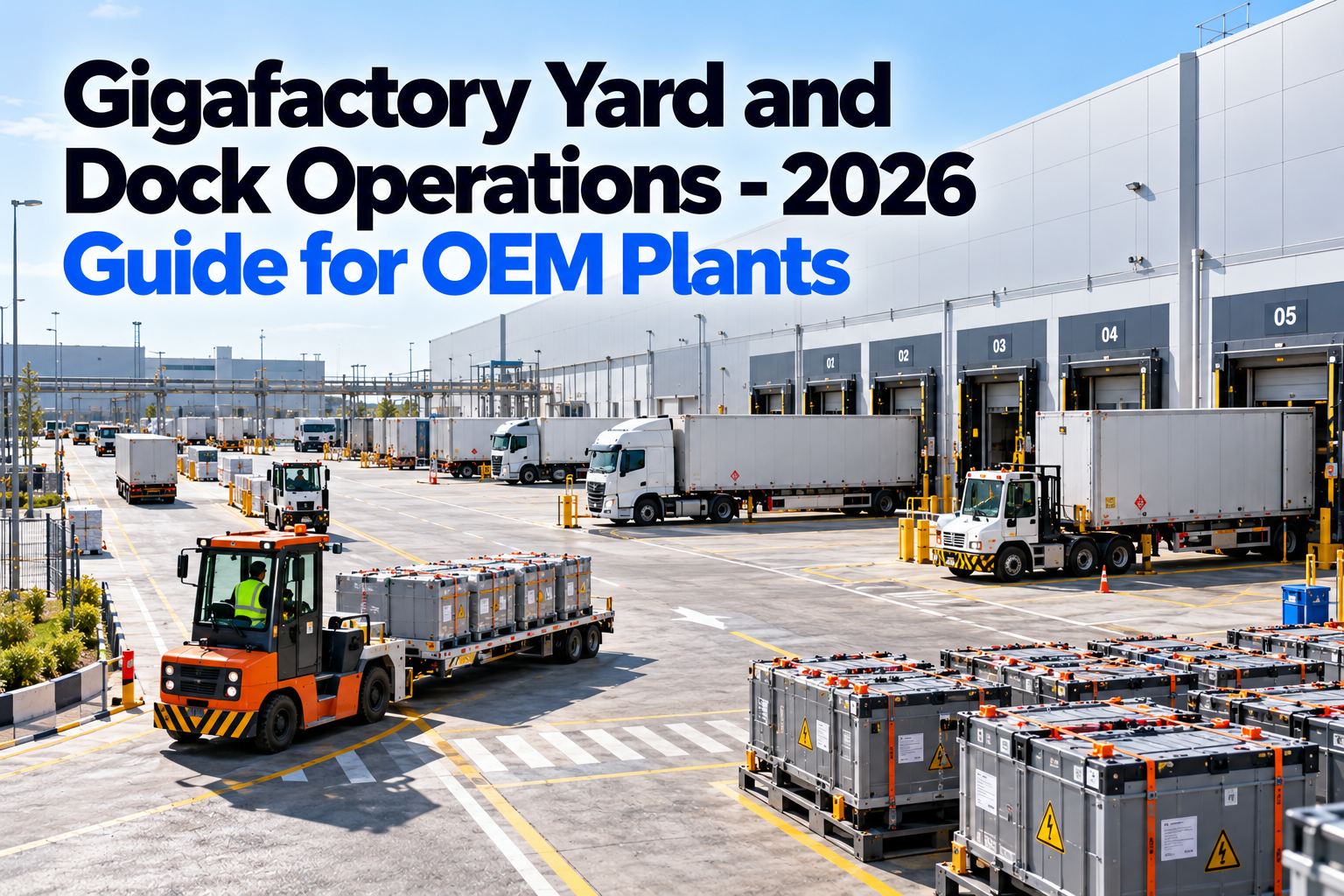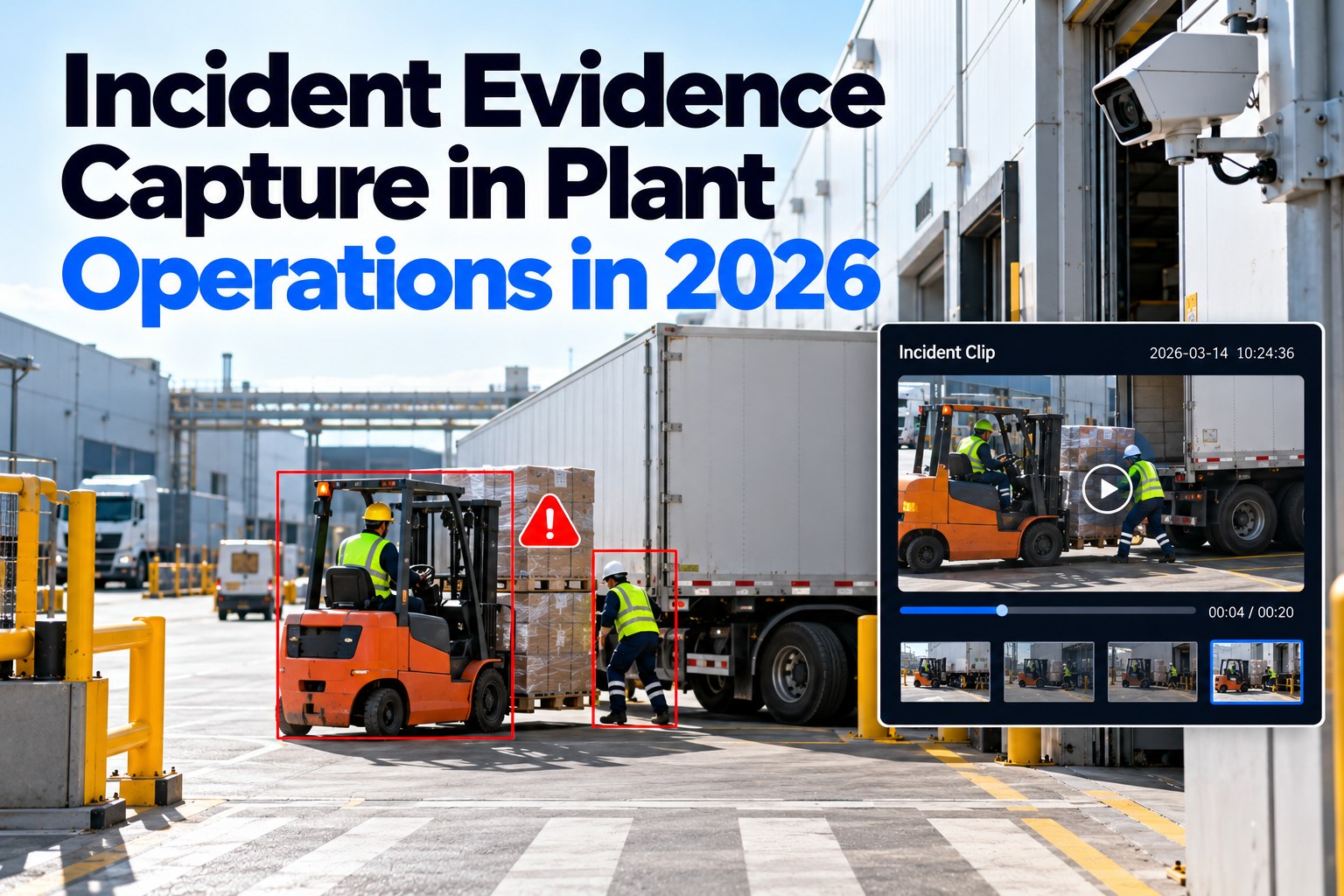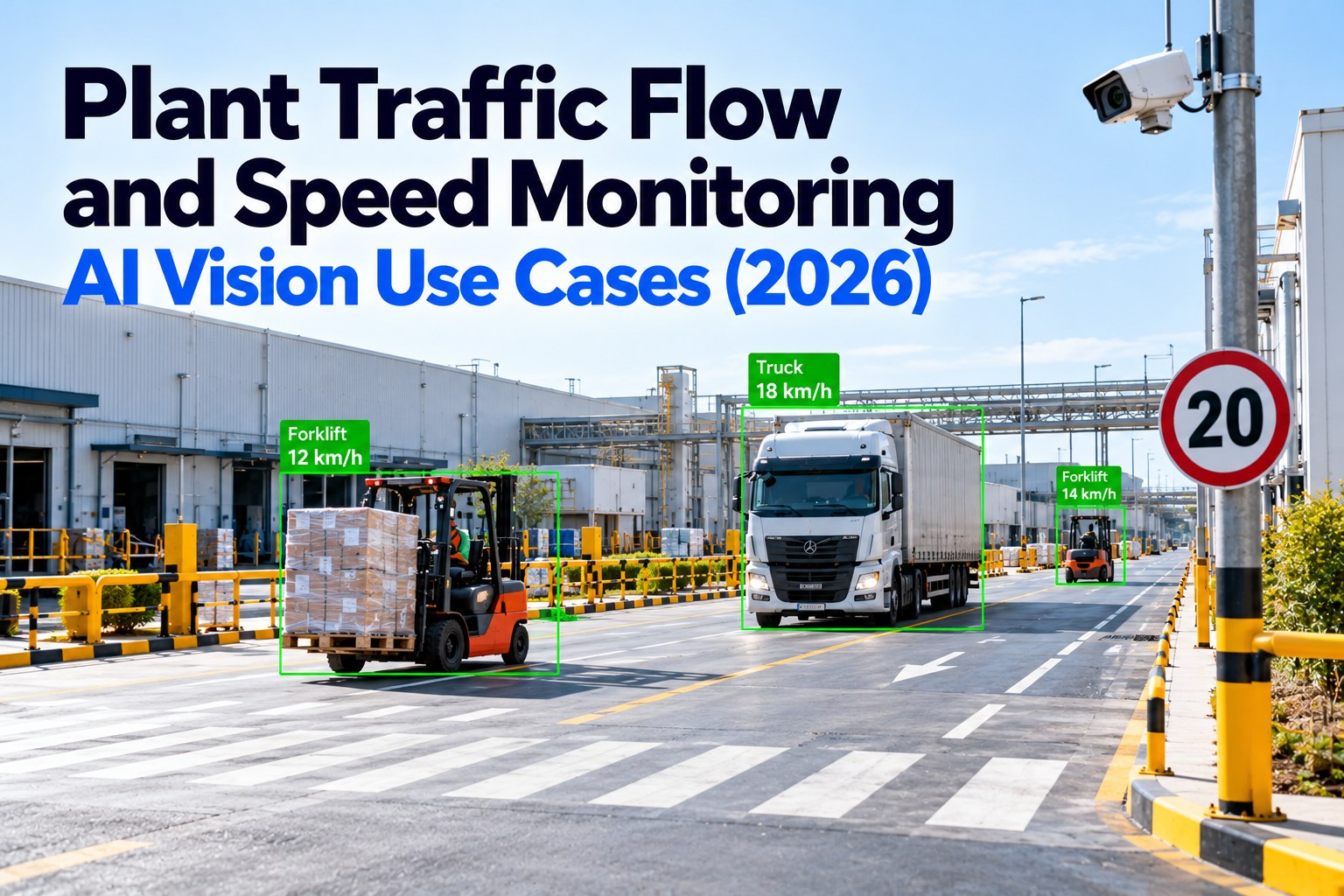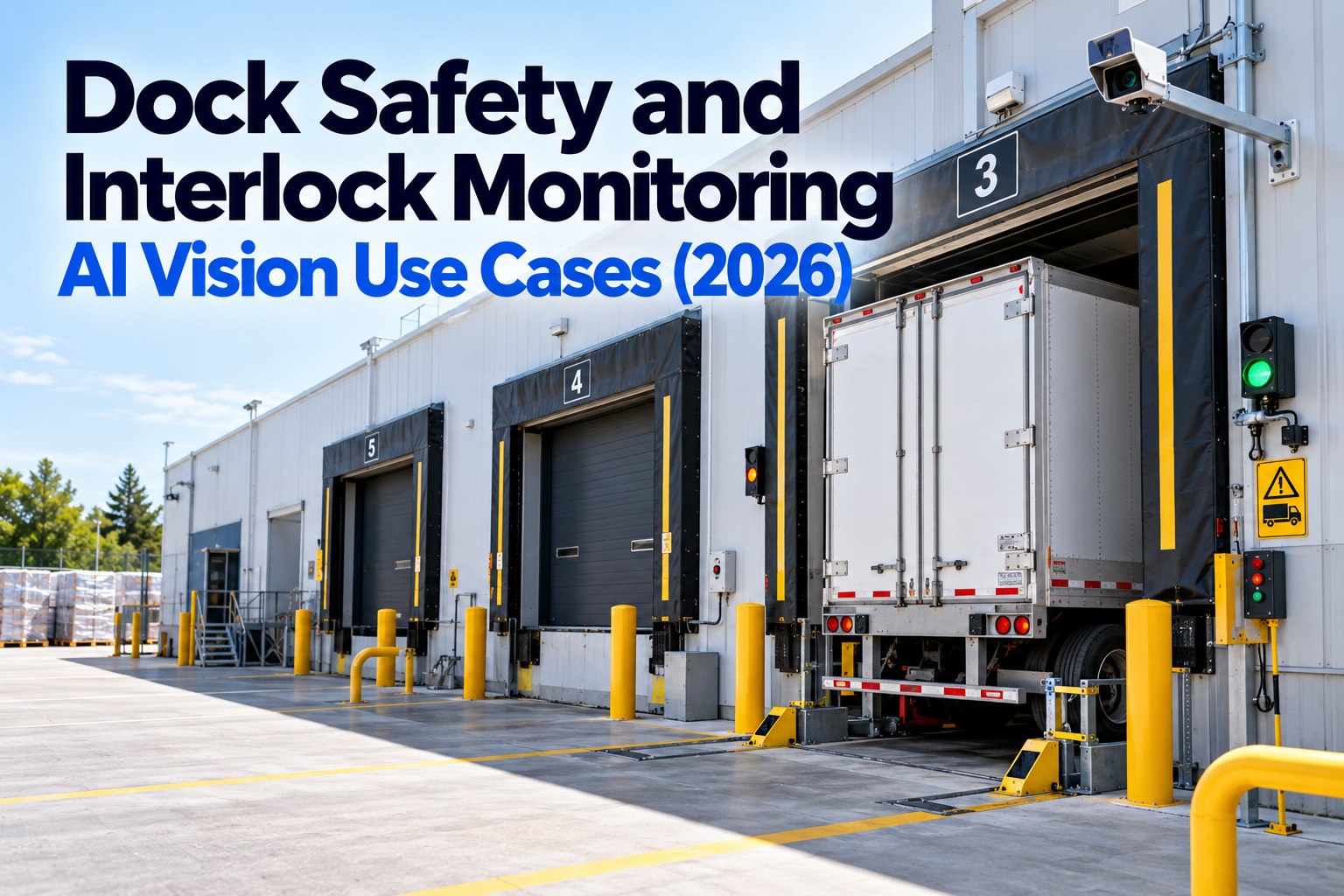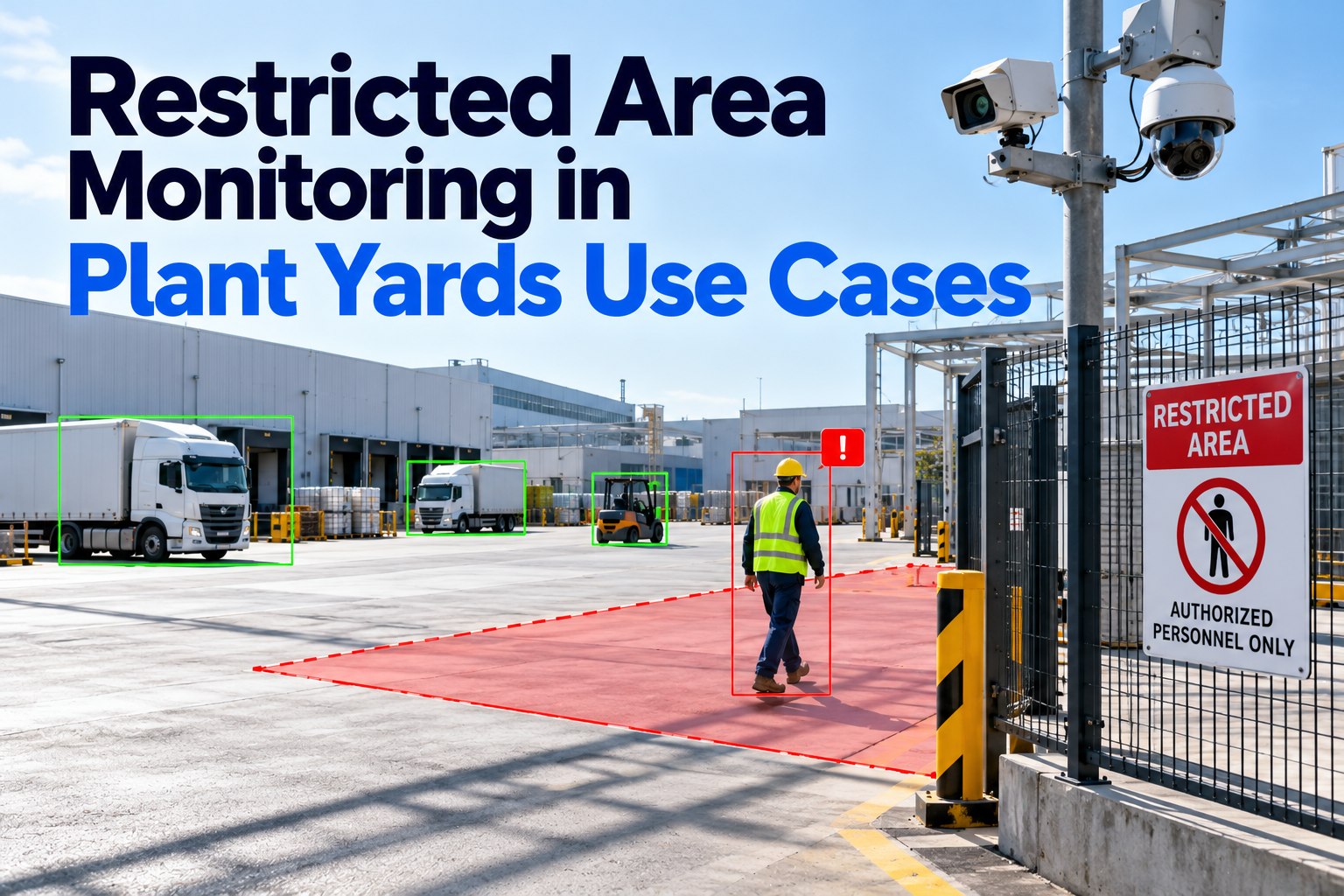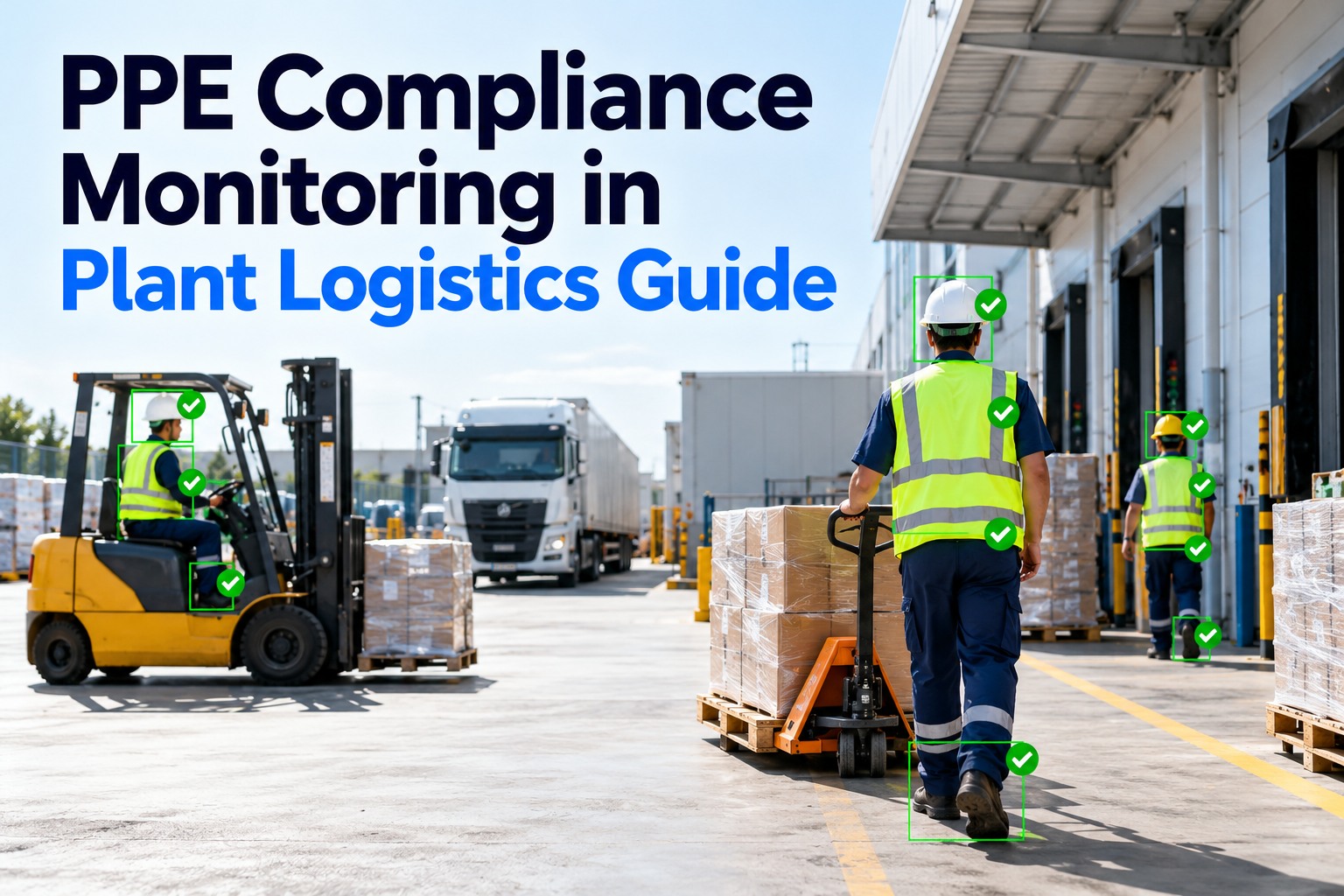
PPE rules in a plant are usually written for the shop floor. The harder place to enforce them is outside: the gate, the yard and the dock door, where tractors, trailers, chassis and forklifts share the same ground as drivers, spotters and loaders. It is also where the risk is highest. Transportation incidents caused 36.8% of U.S. work deaths in 2023. Vision systems can help, but only if they are scoped honestly, deployed with privacy in mind and tied to coaching rather than blame. This guide covers what cameras can and can’t confirm, a privacy-respecting setup, a coaching workflow, and the audit records OSHA expects. The examples focus on the trucks, trailers and chassis moving through plant yards. To see how evidence and approvals work in FleetRabbit, book a short walkthrough with our team.
Transportation incidents caused 71.7% of transportation and warehousing deaths in 2023
The Bureau of Labor Statistics counted 5,283 fatal work injuries in the U.S. in 2023. Transportation incidents were the most frequent event, at 1,942 deaths, and transportation and material moving occupations recorded 1,495 deaths, more than any other occupational group. In the transportation and warehousing sector, 667 of 930 deaths were transportation incidents.
Not every one of those happened in a yard, and PPE alone does not stop a moving truck. But high-visibility clothing is the control that makes a person on foot easier for a driver or forklift operator to see, and the yard is where foot traffic and vehicles cross most often.
Detection scope: what a camera can confirm and what still needs a supervisor
Vendors often list every item of PPE as detectable. In practice, what a camera can confirm depends on how big the item is, how far away the camera is, and the light. Set expectations by item before you choose cameras or write a policy.
The practical rule: use cameras for the items they confirm well, mainly hi-vis and head protection in open areas, and leave small items to supervisor checks and issue records. A system that flags gloves it can’t see will produce false alerts, and false alerts are what make crews stop trusting the system.
Which hi-vis class fits a truck yard under ANSI/ISEA 107
A plant yard is off-road, so Class 1 may meet the standard on paper. Your hazard assessment is what decides. Where tractors move trailers at speed, reverse onto docks or work at night, ask whether Class 1 is enough. Whatever you choose, the camera rule should match the policy: if the policy says Class 2, a Class 1 vest should not count as compliant. Inspect garments before use and replace them when they are torn, faded or heavily soiled, because faded fabric is less visible to drivers and to cameras.
Five rules for a privacy-respecting deployment
Camera monitoring of workers raises fair questions, and some laws set strict requirements. Two matter most for logistics sites. Illinois’s Biometric Information Privacy Act covers scans of face geometry, though not photographs on their own, and requires a written release and a published retention schedule. In Europe, EDPB guidance on video devices expects a clear legal basis, layered signage and short retention, and treats biometric recognition as high risk.
A coaching workflow that changes behaviour instead of collecting violations
The point of monitoring is fewer people on foot in a truck lane without hi-vis, not a longer list of infractions. Build the workflow so every observation reaches a person before it counts, and so the follow-up is coaching first.
Two habits keep the workflow fair. Review by zone and shift, not by individual, so a pattern at dock door 4 on nights leads to a fix there, such as a vest station at the door, before it leads to anyone being singled out. And record the rejected observations too: a camera that keeps flagging a shadow as a missing hard hat needs moving, and the rejection count is how you find it.
Visiting carrier drivers: the PPE gap most plant policies miss
In OEM and manufacturing plant logistics, many of the people on foot in the yard don’t work for the plant. Carrier drivers drop trailers, swap chassis and wait at the dock, often in whatever they arrived in. Under OSHA’s multi-employer worksite approach, more than one employer can be responsible for the same hazard, so “they’re not our employees” is not a safe position. Practical controls start at the gate: state the site PPE rule on the entry sign, keep loaner vests at the guard window, and record that a visiting driver was told the rule when they checked in. A camera at the gate lane can then confirm the vest before the driver walks into the yard, and the observation belongs to the site, not to a named driver.
Start with one dock door for 30 days, then expand
A site-wide rollout on day one produces a flood of alerts before anyone knows which ones are real. Pick one zone with clear risk, usually the busiest dock door or the main yard crossing. For the first two weeks, review every observation with the supervisor and note which ones were wrong and why: glare, a parked trailer blocking the view, a camera too far away. Move or re-aim cameras based on the rejected observations, not on the vendor’s defaults. In weeks three and four, run the coaching workflow for real and track two numbers: the share of observations a supervisor confirms, and the share of shifts with no confirmed misses. When confirmations are consistently high and crews accept the process, add the next zone. Share the zone results with the crews at each step, because people support a system they can see is fair.
Audit reporting: the records an OSHA inspector or your insurer will ask for
| Audit question | Evidence to keep | Rule behind it |
|---|---|---|
| Did you assess the hazards? | Written certification naming the workplace, the person who certified it and the date | OSHA 1910.132(d)(2) |
| Did you choose and fit the right PPE? | PPE selected per zone and task, and fit checks per employee | OSHA 1910.132(d)(1) |
| Were employees trained? | Training records showing understanding before work began | OSHA 1910.132(f)(2) |
| Did you retrain when use fell short? | Coaching and retraining records linked to observations | OSHA 1910.132(f)(3) |
| Who paid for the PPE? | Issue records showing PPE provided at no cost, with stated exceptions | OSHA 1910.132(h) |
| Was the camera actually working? | Camera check-in history, with offline periods shown | Evidence quality |
| How long is footage kept? | Written retention schedule and deletion log | BIPA 15(a); EDPB guidance |
The camera-health row is the one most sites miss. A camera that has stopped reporting looks exactly like a quiet zone with no breaches. If the record can’t show the camera was online, a clean month of reports proves nothing.
Where Oneflow fits today, stated plainly
That boundary is deliberate. Every stage in Oneflow says whether it runs automatically or is still done by a person, so a safety manager knows exactly what the system is claiming before anything is used in a coaching conversation or an audit.
One record for the gate, the yard, the dock and the trucks moving through them
PPE is one part of a safe yard. Drivers also walk around the truck before they leave, so pair yard monitoring with a digital DVIR and DOT inspection routine, and keep workshop-bay work on tractors and trailers in fleet maintenance records on the same platform.