Fuel represents 30-60% of total fleet operating costs—and without proper integration between your fuel cards and fleet software, you're flying blind on where that money goes. The fleets achieving the best results in 2026 aren't just using fuel cards; they're integrating them with telematics, accounting systems, and maintenance platforms to create a unified view that catches fraud, automates compliance, and drives real savings. This guide covers the integration practices that separate high-performing fleets from those still chasing receipts. Start integrating your fuel data with FleetRabbit.
What Fuel Card Integration Actually Means in 2026
True integration goes far beyond downloading CSV files. Modern fuel card integration creates a real-time data bridge between your fuel purchases and every other system that needs that information—telematics, accounting, maintenance, and compliance platforms.
Best Practice #1: GPS-Based Fraud Prevention
Fuel fraud costs fleets an estimated 19-22% of their fuel spend. The most effective defense? Matching every fuel transaction to GPS data proving the vehicle was actually at the station when the purchase occurred.
Protect Your Fuel Budget with GPS Integration
FleetRabbit connects your fuel cards with telematics data to validate every transaction and catch fraud before it hits your bottom line.
Best Practice #2: Real-Time Data Sync (Not Batch Uploads)
The difference between batch processing and real-time sync is the difference between finding fraud on your monthly statement and stopping it at the pump. Modern integrations should capture transactions within seconds, not days.
Best Practice #3: Automated IFTA Compliance
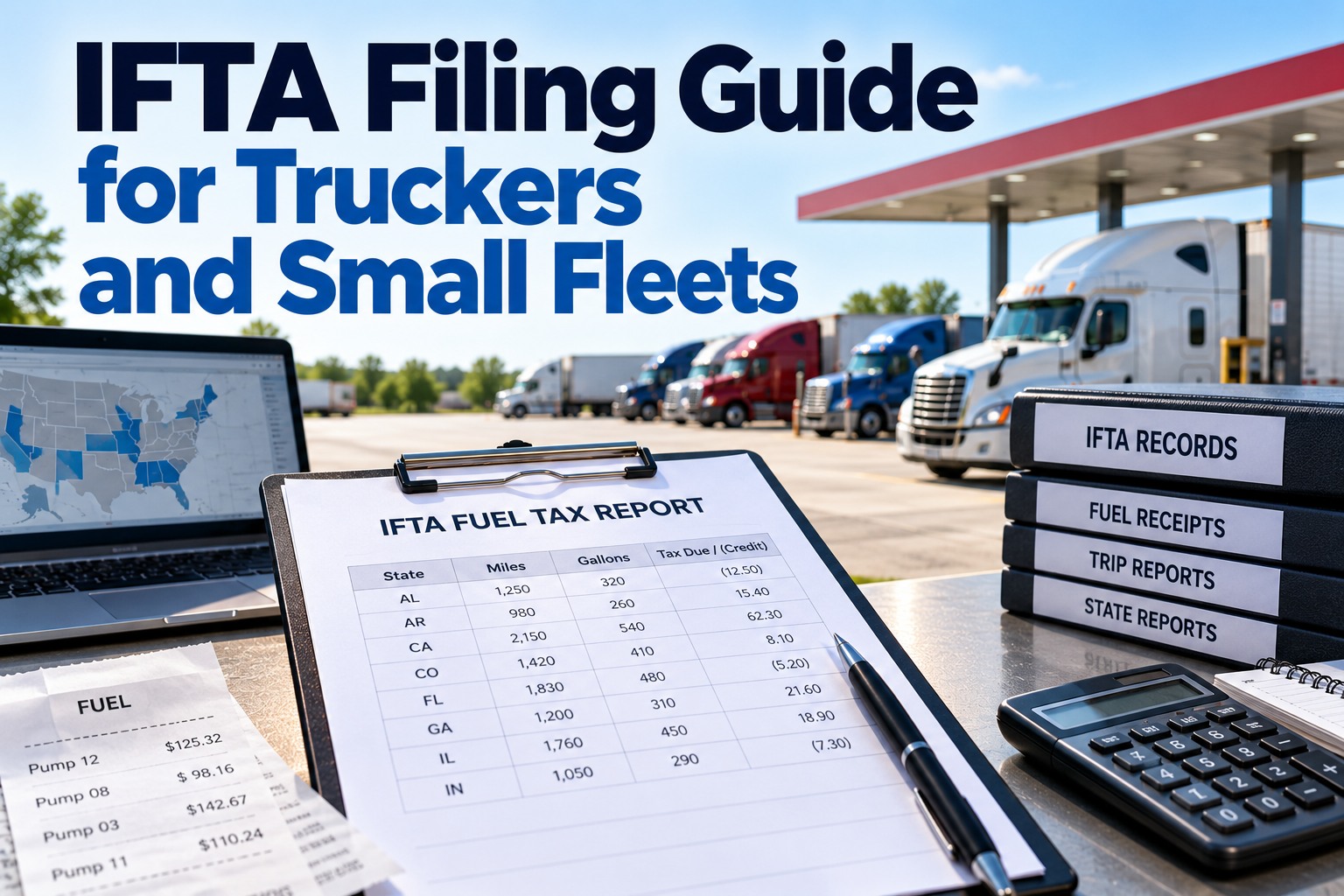
IFTA reporting is one of the most time-consuming compliance tasks for interstate carriers. Proper fuel card integration eliminates manual data entry by automatically matching purchases to jurisdictions based on GPS location.
Card captures: gallons, cost, location, timestamp
GPS tracks distance driven in each jurisdiction
System matches purchases to states/provinces
One-click quarterly IFTA report ready to file
Best Practice #4: Accounting System Integration
Every fuel transaction should flow automatically into your accounting system—categorized, coded, and ready for reconciliation. Manual data entry is both time-consuming and error-prone.
Best Practice #5: Telematics Data Enrichment
When fuel card data combines with telematics, you unlock insights that neither system provides alone. The integration creates a complete picture of fuel efficiency, driver behavior, and operational performance.
Integration Checklist: Is Your Setup Complete?
Complete Your Fuel Card Integration
FleetRabbit integrates with major fuel card providers to automate fraud detection, IFTA reporting, and efficiency tracking—all in one platform.
Top Fuel Card Providers with Strong Integration Support
Frequently Asked Questions
How quickly should fuel card data sync with my fleet software?
True real-time integration means transactions appear within seconds to minutes. If you're waiting 24-72 hours for batch uploads, you're missing the fraud prevention benefits that make integration valuable. Look for providers offering API connections rather than file downloads.
Can fuel card integration really reduce fraud by 80%?
Yes—when GPS validation is active. Systems that match transaction locations with vehicle GPS positions catch the most common fraud types: personal vehicle fueling, card sharing, and slippage. Some providers now offer fraud guarantees up to $250,000 when using their integrated platforms.
What if my fuel card provider doesn't integrate with my fleet software?
Check if your fleet software supports generic fuel card import via CSV or has an open API. Many platforms work with third-party integration services like FuelBI or BlueArrow that bridge different systems. Alternatively, consider switching to a fuel card with better integration support—the time savings often justify the switch.
How does integration help with IFTA compliance?
Integrated systems automatically match each fuel purchase to the jurisdiction where it occurred, then combine that with GPS-tracked mileage by state. This eliminates manual receipt collection and data entry, reducing quarterly IFTA preparation from hours to minutes.
How do I get started with FleetRabbit's fuel card integration?
Getting started is simple: sign up for a free trial and our team will help you connect your existing fuel cards within the first week. If you'd prefer a personalized walkthrough first, schedule a 30-minute demo with our integration specialists.
Key Takeaways
Ready to Integrate Your Fuel Data?
FleetRabbit connects your fuel cards, telematics, and accounting systems into one unified platform—giving you the visibility and control to cut costs and prevent fraud.
Join 2,500+ fleets already saving with integrated fuel management