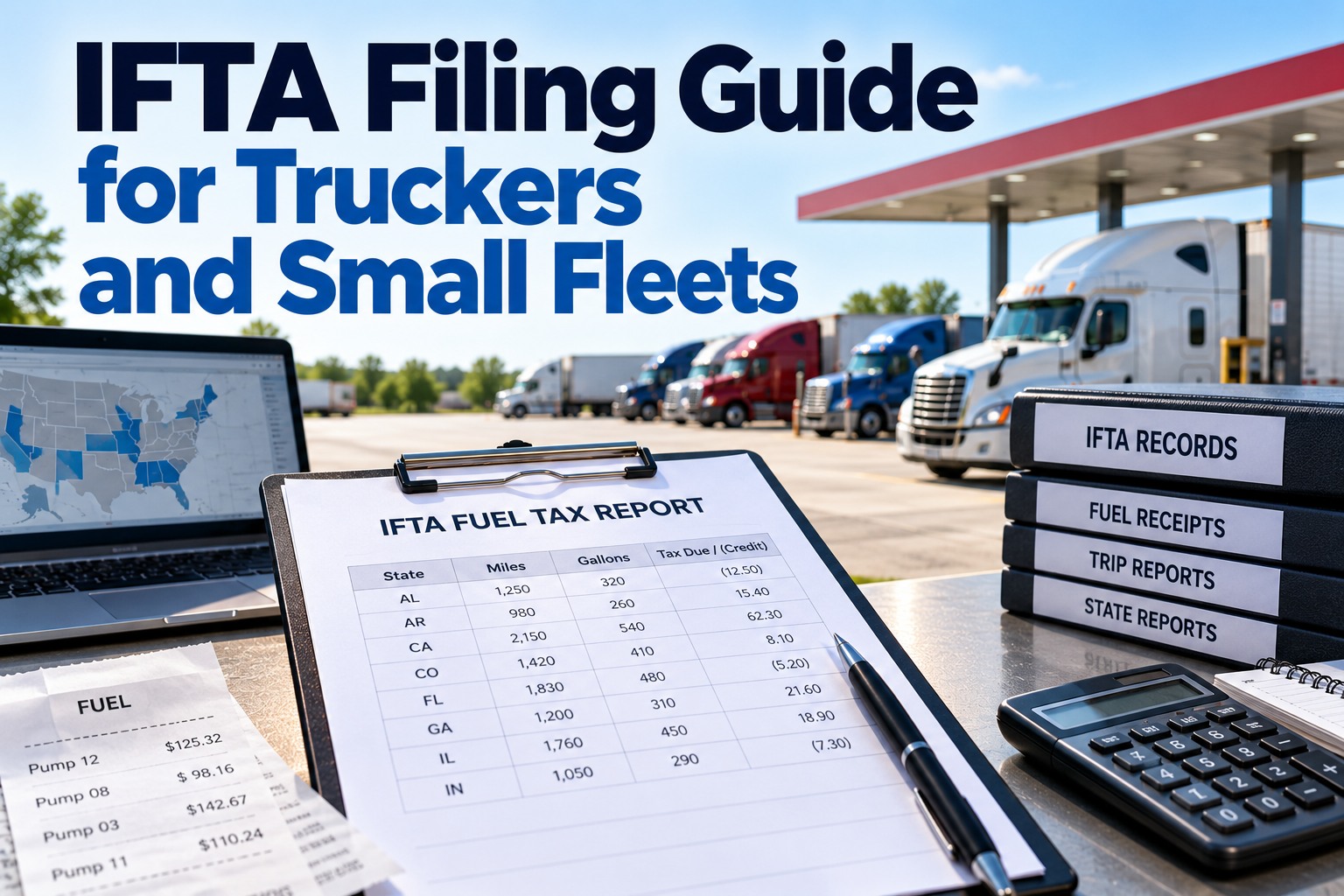
For fleet managers operating across state lines, fuel tax compliance isn't optional—it's the cost of doing business. The International Fuel Tax Agreement (IFTA) and related DOT fuel reporting requirements determine how you track, report, and pay fuel taxes across 48 states and 10 Canadian provinces. Get it wrong, and you face audits, penalties, license revocation, and operational shutdowns. Get it right, and compliance becomes invisible—a background process that protects your authority while you focus on moving freight. Start building audit-ready fuel compliance with FleetRabbit.
Does IFTA Apply to Your Fleet?
Before diving into compliance requirements, confirm whether your vehicles qualify. IFTA applies to qualified motor vehicles (QMVs) operating in two or more IFTA jurisdictions. Schedule a compliance assessment to verify your requirements.
2026 Quarterly Filing Deadlines
IFTA requires quarterly fuel tax returns regardless of whether you operated, purchased fuel, or owe taxes during the period. Missing even a "zero return" can trigger penalties and jeopardize your license.
What Your Quarterly Return Must Include
Each IFTA quarterly return requires specific data elements. Incomplete or inaccurate submissions trigger penalties and audit flags.
- Total miles traveled by all qualified vehicles
- Miles traveled in each IFTA jurisdiction
- Taxable miles vs. non-taxable miles
- Trip permit miles (if applicable)
- Beginning and ending odometer readings
- Total gallons purchased by fuel type
- Gallons purchased in each jurisdiction
- Tax-paid gallons (retail purchases)
- Bulk fuel withdrawals by vehicle
- Calculated fleet MPG by fuel type
- IFTA account number
- Base jurisdiction information
- Vehicle identification (unit numbers)
- Fleet information
- Certification and signature
Automate Your IFTA Compliance
FleetRabbit automatically tracks miles by jurisdiction, matches fuel purchases to vehicles, and generates audit-ready IFTA reports—eliminating manual errors and late filing risks.
Record Retention Requirements
IFTA mandates that carriers maintain comprehensive records for audit purposes. Failure to produce adequate documentation during an audit can result in default MPG assessments that dramatically increase your tax liability.
Fuel Receipt Requirements
Not all fuel receipts qualify for tax-paid credit. Receipts missing required information are red flags for auditors and can result in disallowed credits.
Understanding Penalties and Interest
IFTA penalties apply even when no tax is due. Filing late, paying late, or filing inaccurate returns all carry financial consequences.
The IFTA Audit Process
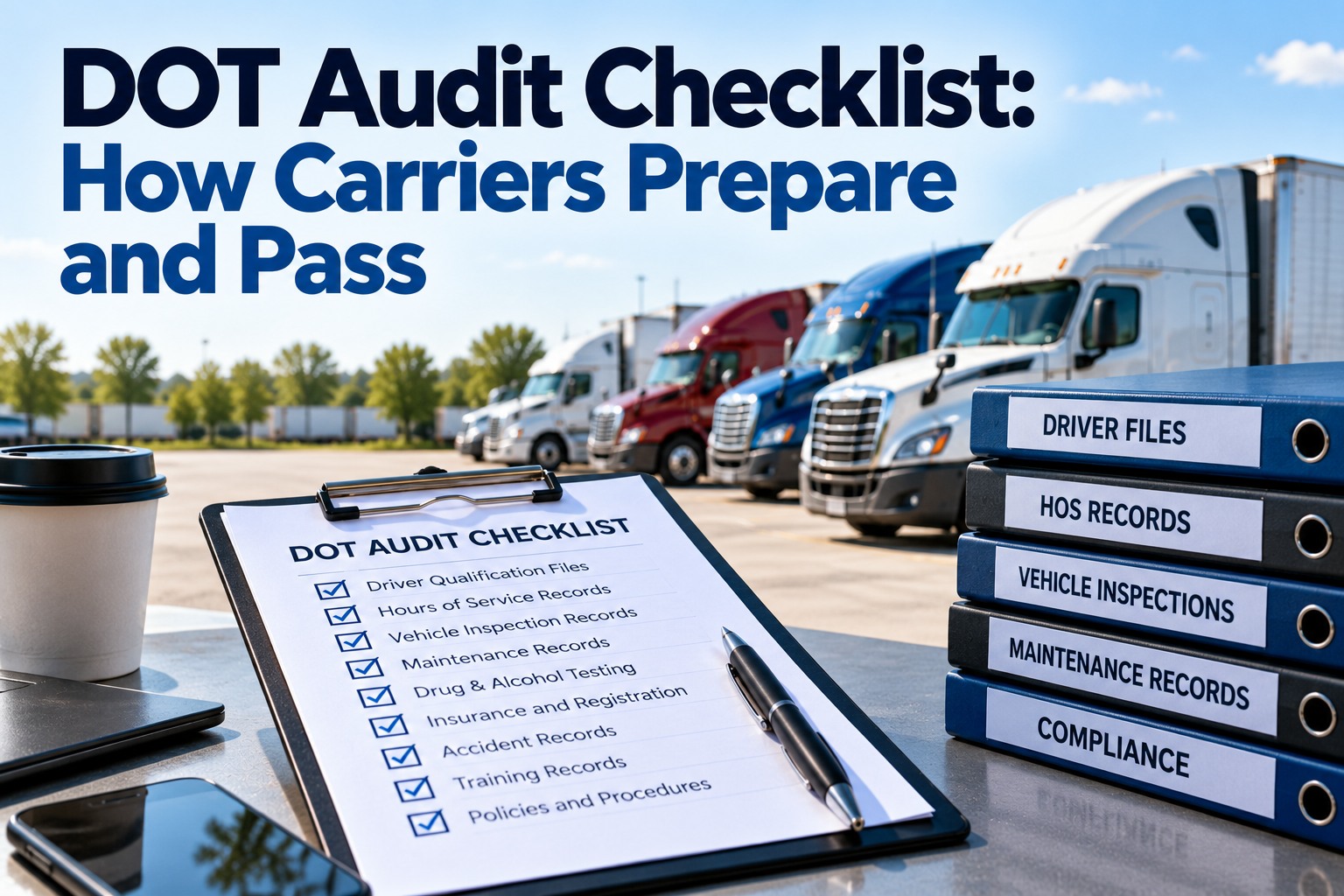
Each IFTA jurisdiction must audit at least 3% of its licensed accounts annually. Selection criteria include random selection, high-distance accounts, low-distance accounts, late filers, and accounts with reporting discrepancies. Understanding the process helps you prepare.
You'll receive written notice from your base jurisdiction's Motor Carrier Services. The notice specifies audit period (typically 4-8 quarters), records required, and scheduling options.
Auditor examines distance records, fuel purchase data, GPS/ELD logs, and supporting documentation. They verify miles by jurisdiction against your filed returns.
Unless specific circumstances dictate otherwise, audits use sampling methodology. Sample periods must be representative of your operations—seasonal variations may require multiple samples.
Auditor calculates any tax adjustments, penalties, and interest. You'll receive an audit report with detailed findings and the opportunity to respond or appeal.
Technology Requirements for 2026
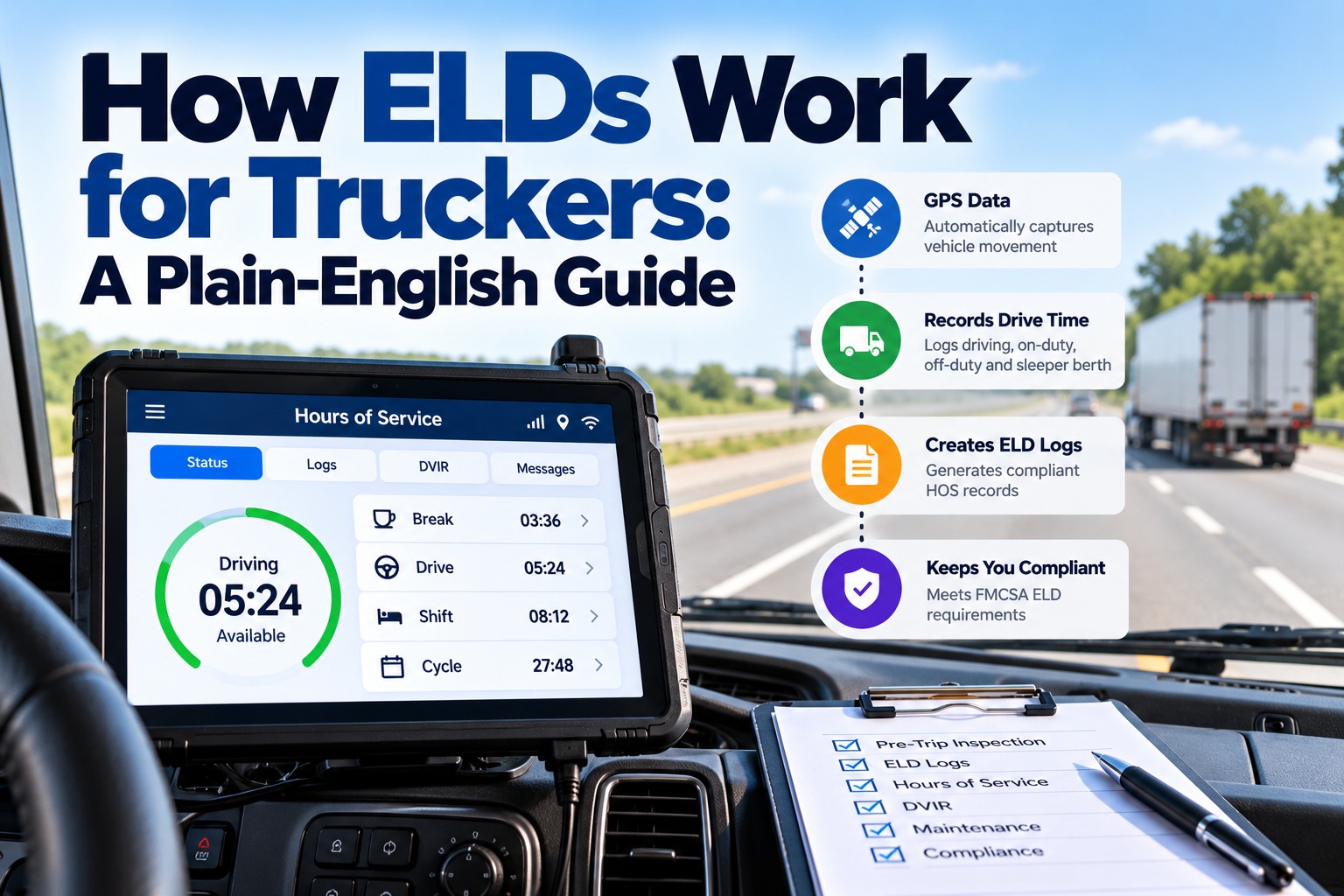
While IFTA doesn't mandate specific technology, the documentation standards effectively require electronic tracking for most fleets. GPS and ELD systems must meet specific data requirements to be audit-compliant.
Audit-Ready in Minutes, Not Hours
FleetRabbit maintains complete IFTA documentation automatically—fuel receipts, mileage by jurisdiction, and quarterly summaries ready for any auditor. Stop scrambling before deadlines.
Common Compliance Mistakes to Avoid
Most IFTA violations stem from preventable errors. These are the issues auditors find most frequently:
Frequently Asked Questions
What happens if I miss an IFTA filing deadline?
Late filing incurs a minimum penalty of $50 or 10% of the tax due, whichever is greater—even if no tax is owed. Interest begins accruing on any unpaid balance at 9% annually (0.75% per month for 2026). Consistent late filing increases your likelihood of being selected for audit. If you fail to file for multiple quarters, your IFTA license can be suspended or revoked, which means you cannot legally operate across state lines.
How long do I need to keep IFTA records?
IFTA requires retention of all supporting records for a minimum of four years from the due date of the return or the date filed, whichever is later. Some jurisdictions recommend keeping records longer. If you maintain GPS/ELD data through a third-party vendor, verify their retention period—if it's less than four years, you must download and store the raw data quarterly to ensure compliance.
Can I use my ELD data for IFTA reporting?
ELD data can support IFTA reporting, but ELDs are not automatically "IFTA compliant." There is no IFTA certification for ELDs. Your ELD must record position data at minimum 10-minute intervals with latitude/longitude to four decimal places, plus odometer readings. Most importantly, you must be able to export trip reports by vehicle showing miles by jurisdiction. Verify your specific ELD meets these requirements before relying on it for IFTA compliance.
What triggers an IFTA audit?
Audits are triggered by several factors: random selection (jurisdictions must audit 3% annually), late or inconsistent filings, significant discrepancies between reported miles and fuel purchases, or complaints. High-distance accounts (at least 25% of audits) and low-distance accounts (at least 15% of audits) face mandatory selection percentages. Filing accurately and on time is your best protection against audit selection.
What is the "default MPG" penalty?
If your records are insufficient to verify your reported fleet MPG during an audit, the auditor can impose a default MPG of 4.0 (or reduce your reported MPG by 20%, whichever results in higher tax). For a fleet averaging 6.5 MPG, being assessed at 4.0 MPG dramatically increases calculated fuel consumption and resulting tax liability—potentially adding thousands of dollars to your tax bill plus penalties and interest.
Do I need an IFTA license if I rarely cross state lines?
If you make fewer than 10 interstate trips per calendar year, you may qualify for trip permits instead of an IFTA license. However, trip permits require advance purchase for each jurisdiction entered, which becomes impractical and expensive for regular interstate operations. Most carriers operating in two or more jurisdictions find IFTA licensing more practical and cost-effective.
2026 Compliance Action Summary
Make 2026 Your Most Compliant Year Yet
FleetRabbit turns IFTA compliance from a quarterly scramble into an automated process. Track miles, capture receipts, generate reports—all audit-ready, all the time.