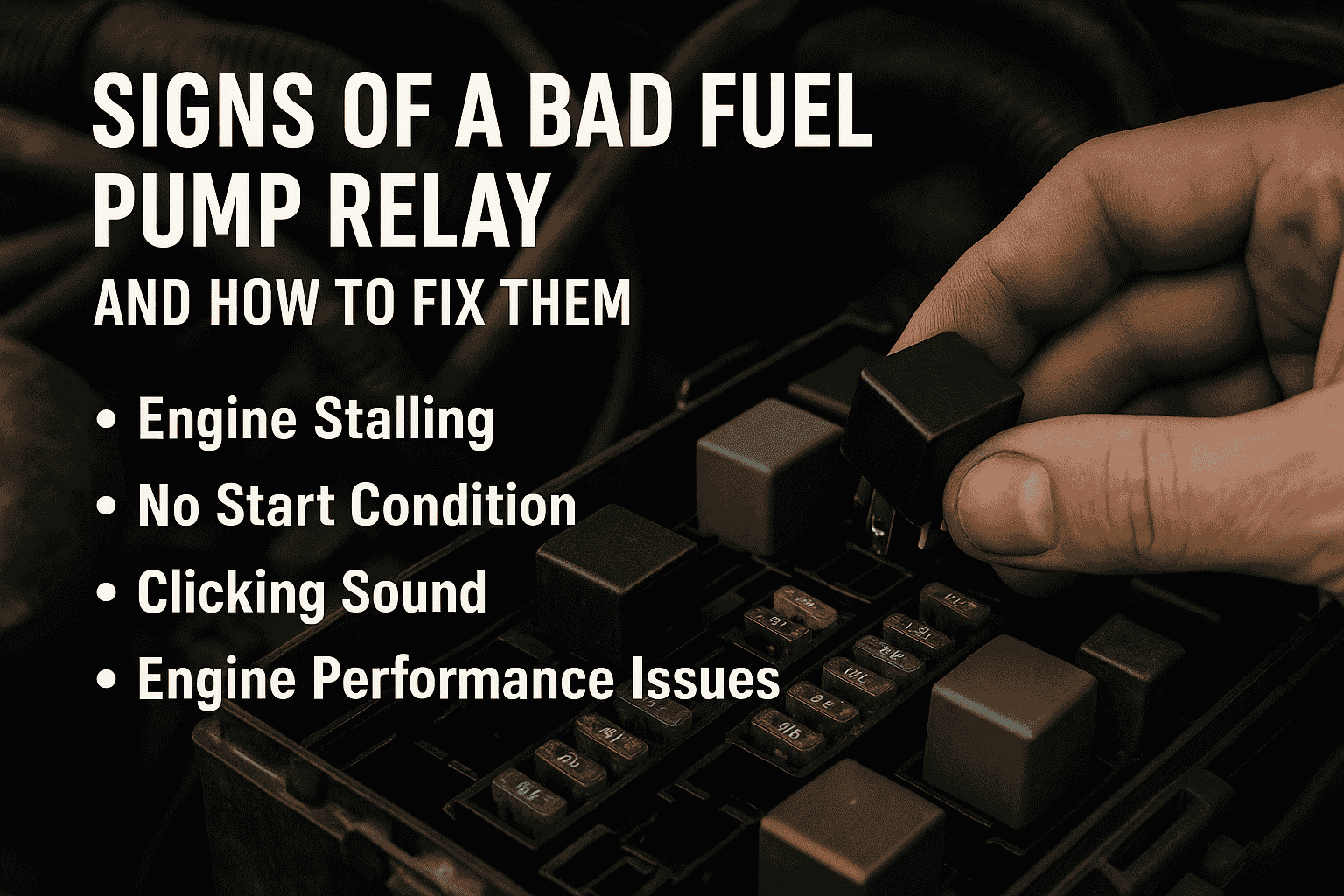
Vehicle owners experiencing intermittent no-start conditions often overlook a $15-25 fuel pump relay failure that mimics expensive fuel pump problems costing $800-2,500 to repair. While fuel pump replacement dominates diagnostic thinking, relay failures account for 40% of fuel delivery problems and create identical symptoms through complete electrical circuit interruption. The difference between a $20 relay swap and a $2,000 fuel system rebuild isn't diagnostic skill—it's understanding electrical fundamentals and systematic troubleshooting that identifies the actual failure point rather than guessing at expensive components.
The 2025 automotive market features increasingly complex fuel systems with multiple relays, control modules, and safety circuits that can interrupt fuel pump operation through dozens of different failure modes. Modern vehicles provide precise diagnostic capabilities through OBD-II systems, but interpreting electrical codes correctly separates successful DIY repairs from expensive misdiagnosis disasters. This comprehensive troubleshooting guide reveals exactly how to diagnose fuel pump relay problems, locate relays in different vehicles, and perform reliable repairs that solve the problem permanently rather than temporarily. Start your fuel system diagnostic analysis in under 10 minutes, or schedule a personalized electrical troubleshooting consultation.
2025 Fuel Pump Relay Reality Check
Diagnostic Truth: 75% of fuel delivery problems are misdiagnosed as fuel pump failure when relay, fuse, or wiring issues are the actual cause, leading to unnecessary $1,500+ repairs. Modern diagnostic tools provide precise electrical data, but only 30% of technicians properly test relay circuits before replacement recommendations. The difference isn't technical complexity—it's systematic electrical troubleshooting versus parts replacement gambling. This guide shows you how to diagnose accurately and repair cost-effectively.
Quick Fuel Pump Relay Diagnostic Assessment
Before replacing expensive fuel system components, assess relay function in 2 minutes. Understanding electrical symptoms and failure patterns determines accurate diagnosis and prevents unnecessary fuel pump replacement. (Try our relay diagnostic tool free)
5-Minute Relay Function Check:
- □ Does your engine crank but not start (no fuel pump priming sound)?
- □ Do you experience intermittent stalling followed by normal operation?
- □ Can you hear the fuel pump activate when you turn the key to "ON"?
- □ Does tapping the relay box sometimes restore fuel pump operation?
- □ Are there any blown fuses in the fuel system circuit?
If you answered "yes" to cranking without fuel pump sound, suspect relay failure first. (Book a free 30-minute electrical diagnostic consultation)
Effective fuel pump relay diagnosis follows systematic electrical troubleshooting rather than random component replacement. While you can't eliminate all electrical complexity, proper testing procedures identify actual failure points and prevent expensive misdiagnosis through proven diagnostic techniques. (Start systematic diagnosis with FleetRabbit free for 30 days)
The Real Numbers: Fuel Pump vs. Relay Failure Costs
Repair Cost Comparison: Accurate vs. Misdiagnosis
| Problem Source | Symptoms | Diagnosis Cost | Repair Cost | Total Investment |
|---|---|---|---|---|
| Fuel Pump Relay | No start, intermittent | $50-100 | $15-45 | $65-145 |
| Fuel Pump Fuse | Complete fuel failure | $25-50 | $5-15 | $30-65 |
| Wiring Problems | Intermittent operation | $100-200 | $150-400 | $250-600 |
| Fuel Pump Module | Gradual failure | $150-250 | $800-1,500 | $950-1,750 |
| Misdiagnosed Relay | Identical to pump | $150-300 | $1,200-2,500 | $1,350-2,800 |
| Control Module | Multiple systems | $200-400 | $500-1,200 | $700-1,600 |
Common Fuel Pump Relay Failure Symptoms
Fuel pump relay failures create predictable symptom patterns that experienced technicians recognize immediately, but novice diagnosticians often misinterpret as fuel pump problems. Understanding symptom progression helps identify relay issues early and prevent expensive misdiagnosis through proper electrical testing.
Progressive Relay Failure Patterns
Fuel pump relays typically fail gradually through contact oxidation, coil degradation, or thermal cycling damage that creates intermittent operation before complete failure. Recognizing early warning signs prevents roadside breakdowns through proactive relay replacement rather than emergency repairs. Identify relay failure patterns in under 10 minutes, or schedule a relay diagnostic consultation.
Prevent Fuel Pump Relay Failures
Our relay monitoring system identifies failing relays before complete breakdown, preventing roadside emergencies through predictive replacement scheduling and proper circuit protection.
Critical Relay Failure Symptoms
Definitive Fuel Pump Relay Failure Signs:
- No Fuel Pump Prime: Engine cranks but no fuel pump activation sound
- Turn key to "ON" position (don't start)
- Listen for 2-3 second fuel pump hum from tank area
- No sound indicates relay or electrical circuit failure
- Intermittent Stalling: Engine runs normally then suddenly dies
- No-Start After Heat: Fails to start when engine compartment is hot
- Tapping Restoration: Gentle relay tapping restores temporary operation
- Random Failure Pattern: Unpredictable starting problems without pattern
- Normal Cranking Speed: Starter operates normally, no fuel delivery
- Immediate Restart Success: Sometimes starts normally after failed attempt
Fuel Pump Relay Location and Identification
Locating fuel pump relays requires understanding vehicle-specific electrical architecture, as manufacturers place relays in different locations and use various identification systems. Modern vehicles often have multiple relays that can affect fuel pump operation, making accurate identification critical for successful diagnosis.
Common Relay Locations by Vehicle Type
Fuel pump relays are typically located in main fuse/relay boxes, but specific locations vary significantly by manufacturer and model year. Understanding common locations and identification methods helps locate relays quickly rather than searching blindly through multiple electrical boxes. Access relay location database in under 10 minutes, or schedule vehicle-specific relay consultation.
Step-by-Step Relay Testing Procedures
Systematic relay testing eliminates guesswork and provides definitive diagnosis through proven electrical testing methods. Understanding proper testing procedures prevents misdiagnosis and ensures accurate repair rather than random component replacement. Access testing procedures in under 10 minutes, or schedule hands-on diagnostic training.
Master Professional Relay Testing
Our testing guide provides step-by-step procedures, required tools, and safety protocols for professional-quality relay diagnosis and circuit analysis.
Relay Replacement and Installation
Proper relay replacement involves more than simple component swapping—it requires verifying circuit protection, ensuring proper relay specifications, and confirming installation orientation for reliable long-term operation. Understanding installation requirements prevents repeat failures through proper component selection and installation procedures. (Access installation guides in 5 minutes)
Critical Installation Requirements
Essential Relay Replacement Steps:
- Verify Relay Specifications: Match amperage, voltage, and pin configuration exactly
- Check Circuit Protection: Inspect fuses for proper amperage rating
- Clean Relay Socket: Remove corrosion and ensure proper contact
- Confirm Installation Orientation: Relays must be installed in correct position
- Test Circuit Operation: Verify proper function before completing repair
- Apply Dielectric Grease: Protect connections from corrosion
- Document Replacement: Record relay specifications for future reference
- Address Root Causes: Identify why relay failed to prevent recurrence
Advanced Electrical Troubleshooting
Complex fuel pump circuit problems require advanced diagnostic techniques that go beyond simple relay replacement. Understanding circuit analysis, voltage drop testing, and control module diagnosis helps solve difficult electrical problems that basic testing cannot identify.
Advanced Diagnostic Scenarios
- Multiple Relay Failures: Indicates circuit overload or control module problems
- Relay Operates But No Fuel: Pump motor failure, wiring, or fuel delivery issue
- Intermittent Circuit Problems: Requires specialized testing equipment and techniques
- Control Module Integration: Modern systems require scan tool diagnosis
- Security System Interface: Anti-theft systems can prevent fuel pump operation
- Network Communication: CAN bus problems affect multiple systems
- Voltage Drop Issues: Poor connections reduce relay operating voltage
- Ground Circuit Problems: Inadequate grounding prevents proper relay operation
Complex electrical problems require professional diagnostic equipment and expertise. (Get advanced diagnostic consultation - schedule appointment)
Reality Check: The Relay Diagnostic Truth
Let's be brutally honest about fuel pump relay diagnosis and what really separates successful repairs from expensive misdiagnosis disasters.
The Uncomfortable Truth About Relay Diagnosis
- Symptoms Lie: Fuel pump and relay failures create identical symptoms
- Location Confusion: Many vehicles have multiple fuel system relays
- Testing Shortcuts: Relay swapping isn't proper diagnosis—circuits need testing
- Quality Variation: Cheap replacement relays fail quickly under high current loads
- Hidden Problems: Bad relays often indicate underlying circuit problems
- Intermittent Issues: Most challenging electrical problems to diagnose reliably
- Security Integration: Modern systems complicate simple relay diagnosis
- Professional Tools: Proper diagnosis requires specific electrical testing equipment
Invest in proper electrical testing rather than guessing with expensive component replacement. (Get accurate electrical diagnosis - schedule consultation)
Conclusion: Your Path to Relay Diagnostic Mastery
Successfully diagnosing fuel pump relay problems isn't about electrical engineering expertise—it's about systematic testing procedures, proper diagnostic equipment, and understanding the difference between symptoms and root causes. The most successful DIY mechanics don't guess at electrical problems or assume expensive components have failed without proper testing.
Professional-quality fuel pump relay diagnosis requires following proven testing procedures, using appropriate diagnostic tools, and understanding electrical circuit operation rather than hoping component replacement solves intermittent problems. The difference between successful and failed electrical repairs isn't luck—it's systematic diagnosis that identifies actual failure points rather than symptoms. Start your fuel system diagnostic analysis in under 10 minutes, or schedule a personalized electrical troubleshooting consultation.
Remember, electrical diagnosis success depends on systematic testing, not random parts replacement. Every diagnostic decision, testing procedure, and repair choice either builds or destroys diagnostic accuracy and repair reliability. Make decisions based on proven electrical testing, not symptom guessing. Focus on circuit analysis, not component assumptions. Build systematic diagnostic skills, not parts replacement habits.
Stop Guessing at Electrical Problems
Join thousands of vehicle owners who mastered fuel pump relay diagnosis with FleetRabbit's systematic electrical troubleshooting system. Real testing, real diagnosis, real repairs.
Frequently Asked Questions About Fuel Pump Relay Diagnosis
Q: How do I know if my fuel pump relay is bad versus the actual fuel pump?
Listen for fuel pump activation when turning the key to "ON" position—a 2-3 second humming sound from the tank area indicates the pump is receiving power. No sound suggests relay, fuse, or wiring problems rather than pump failure. Try swapping the fuel pump relay with an identical relay from another circuit (like A/C clutch) to test. If the engine starts with the swapped relay, the original relay is faulty. Professional diagnosis uses multimeter testing of relay coil resistance and contact continuity for definitive confirmation.
Q: Where is the fuel pump relay located in most vehicles?
Fuel pump relays are typically located in the main fuse/relay box under the hood, though some vehicles have them in interior fuse panels or separate power distribution centers. Check your owner's manual for specific location and relay identification. Common locations include: driver's side fuse box (most common), passenger side engine compartment, interior fuse panel near driver's left knee, and trunk-mounted power distribution centers. The relay is usually labeled "FUEL PUMP," "FP," or similar designation.
Q: Can I replace a fuel pump relay myself, and what tools do I need?
Yes, fuel pump relay replacement is typically a simple DIY repair requiring only basic tools: needle-nose pliers for relay removal, multimeter for testing (optional), and dielectric grease for connections. The process: locate relay, remove old relay by pulling straight up, verify new relay specifications match exactly, install new relay ensuring proper orientation, and test operation. Total time is usually 5-15 minutes. However, if relay replacement doesn't solve the problem, further electrical diagnosis requires professional tools and expertise.
Q: Why do fuel pump relays fail, and how can I prevent future failures?
Common relay failure causes include: high current loads wearing contacts, heat cycling causing thermal stress, vibration loosening internal connections, corrosion from moisture exposure, and age-related contact oxidation. Prevention strategies: use OEM-quality relays rated for proper amperage, keep relay boxes clean and dry, address fuel pump problems promptly (failing pumps draw excessive current), avoid aftermarket electrical accessories that overload circuits, and replace relays proactively every 100,000-150,000 miles or 7-10 years.
Q: What should I do if replacing the relay doesn't fix my no-start problem?
If relay replacement doesn't restore fuel pump operation, systematically check: fuel pump fuse for proper amperage and continuity, relay socket for corrosion or loose connections, wiring harness for damage or voltage drop, fuel pump motor for proper resistance, and control module operation. Use a multimeter to verify 12V power reaches the fuel pump when relay activates. If voltage is present but pump doesn't run, the pump motor has likely failed. Complex electrical problems require professional diagnosis with advanced tools.
Q: How much should I expect to pay for fuel pump relay diagnosis and repair?
Professional relay diagnosis typically costs $100-150 for electrical testing and circuit analysis. The relay itself costs $15-45 depending on vehicle and quality level. Total professional repair usually ranges $125-200 including parts and labor. DIY relay replacement costs only the part price ($15-45) plus 15-30 minutes of time. However, if misdiagnosed as fuel pump failure, unnecessary repairs can cost $1,000-2,500. Always verify relay function before authorizing expensive fuel pump replacement to avoid costly misdiagnosis.