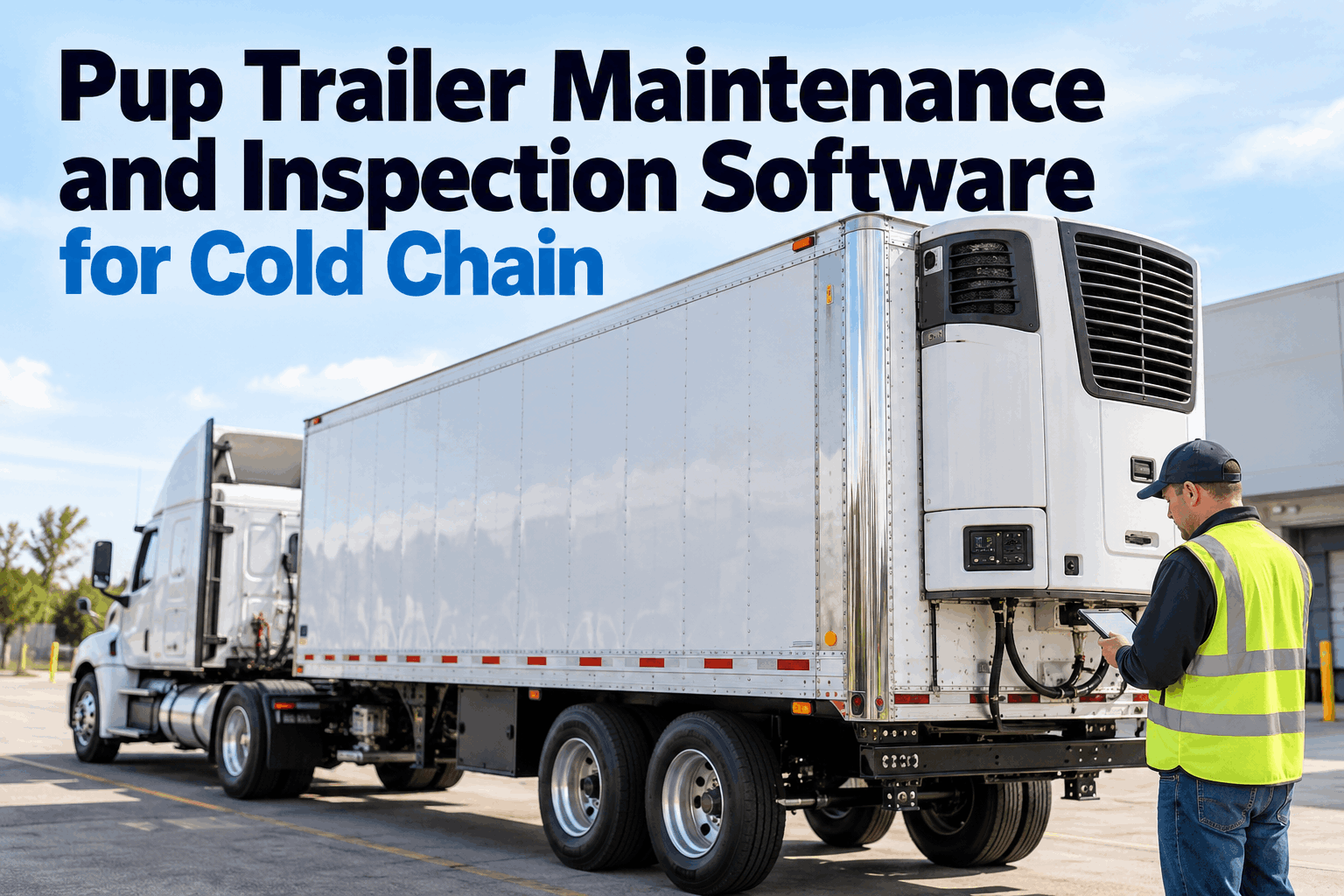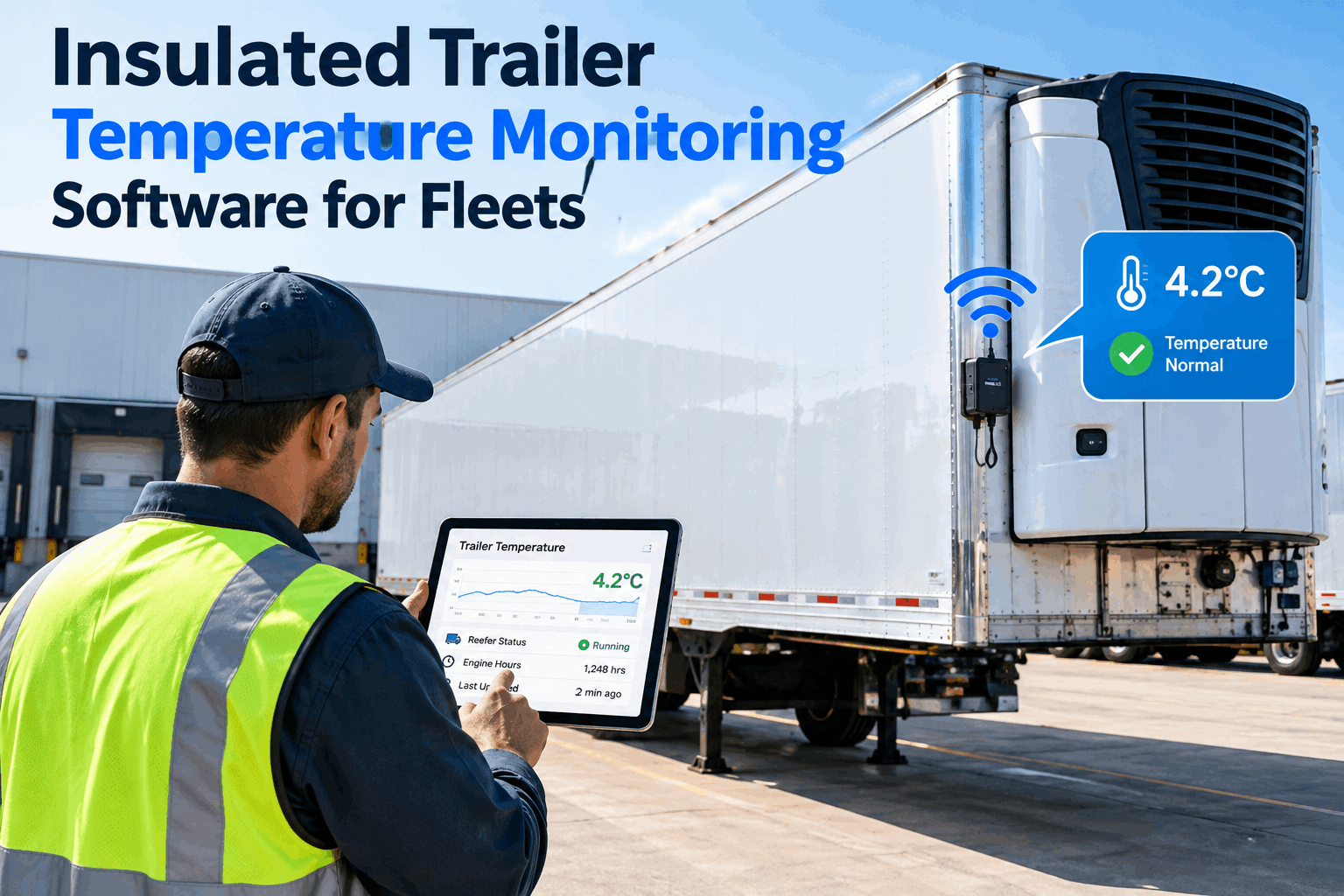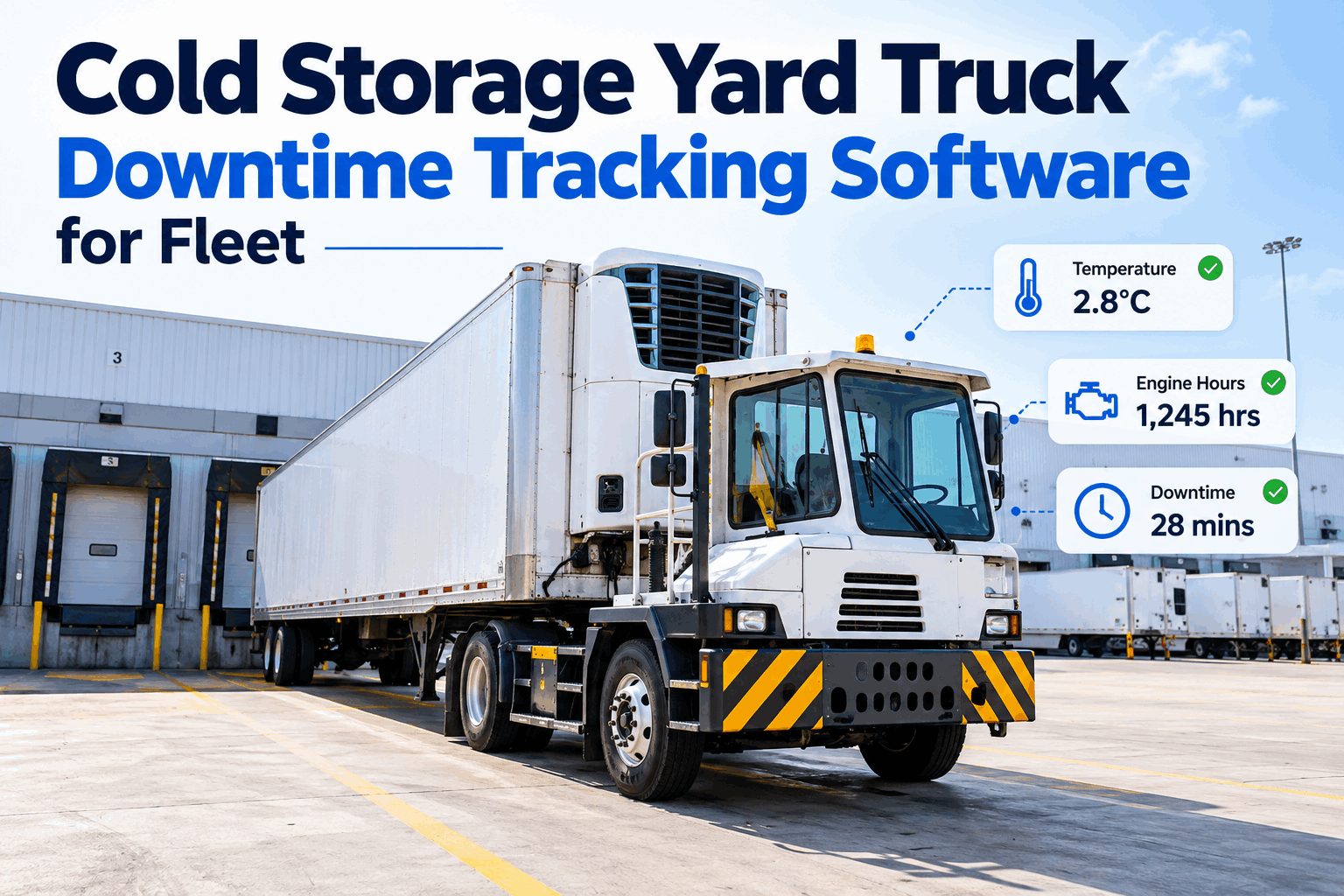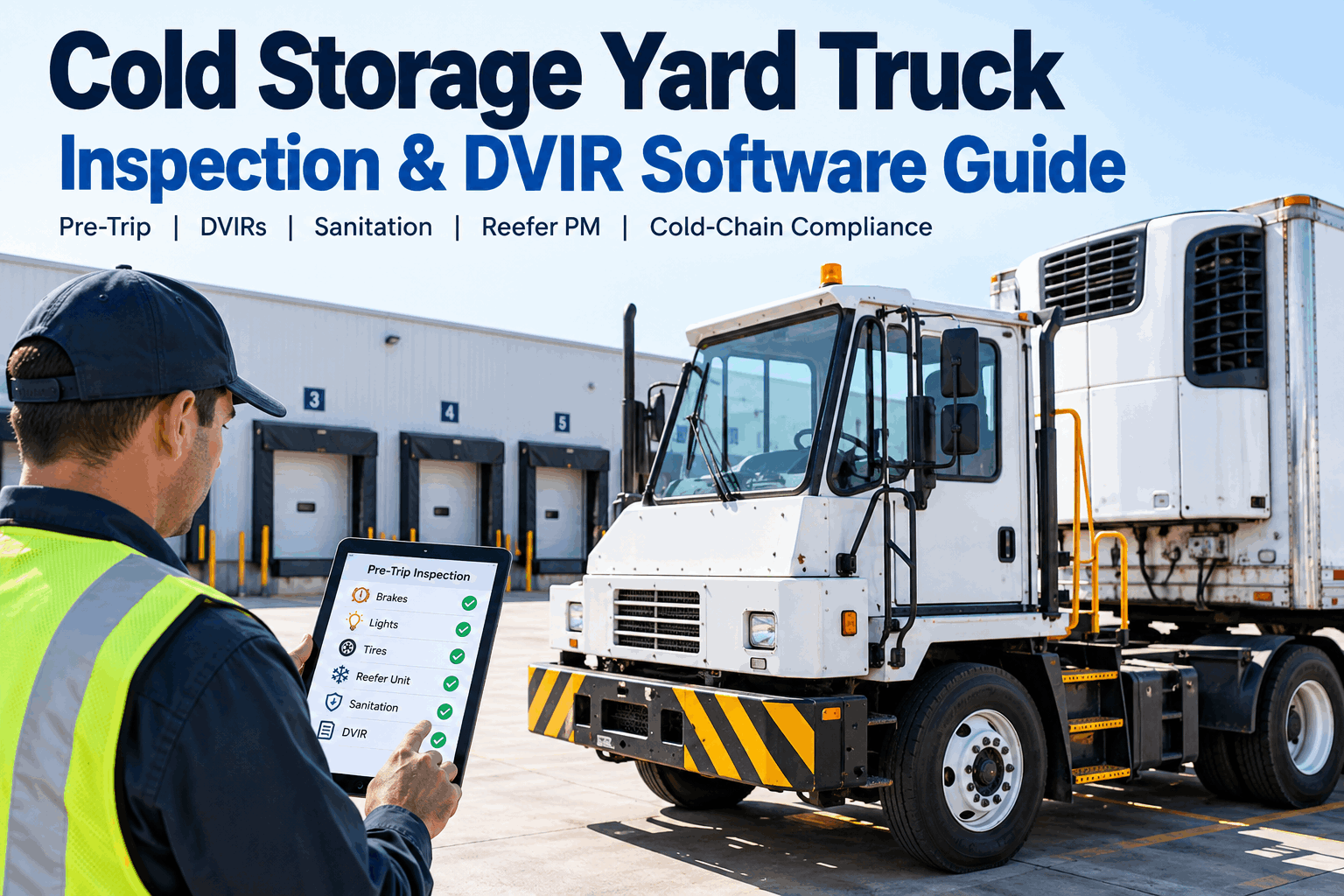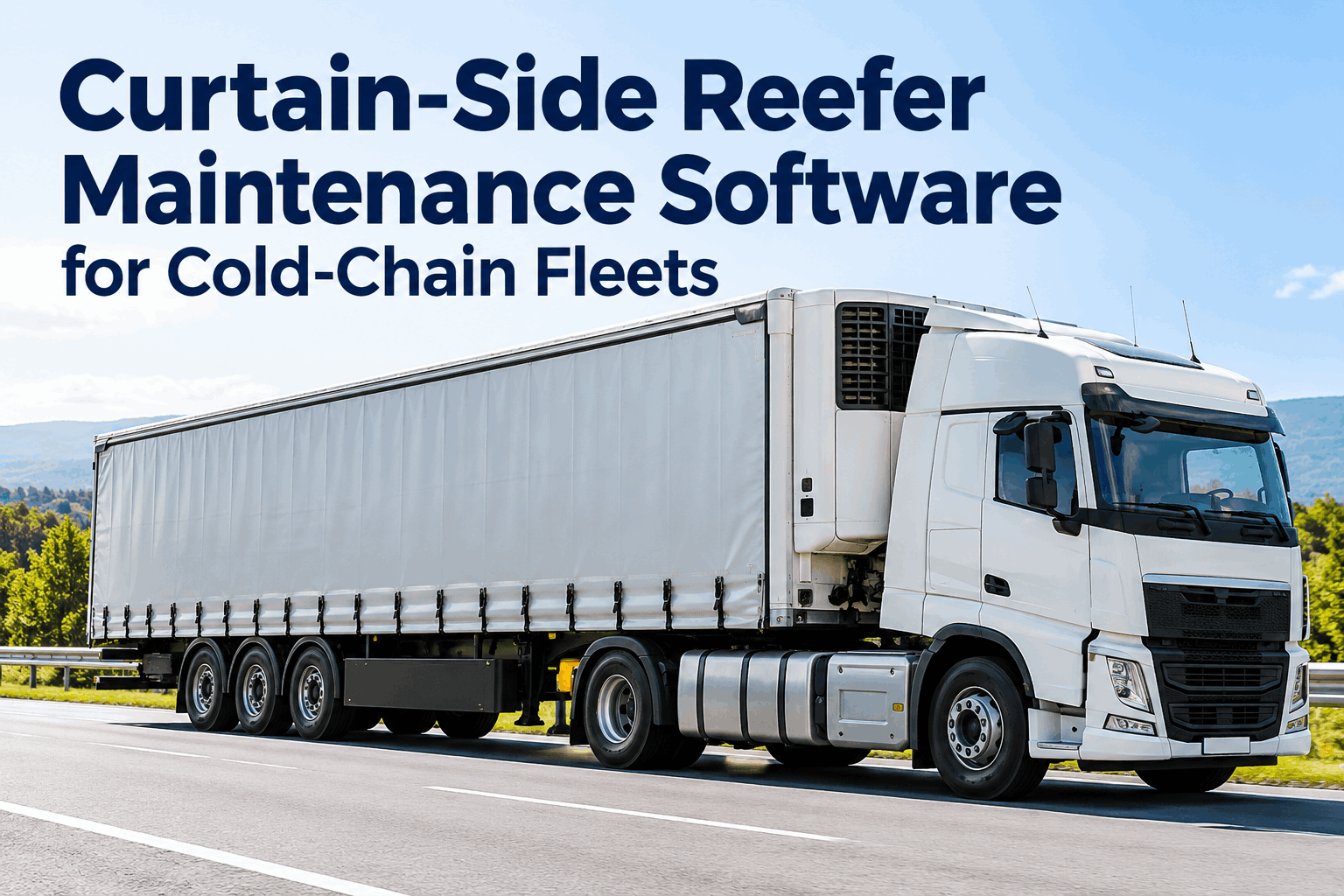
A curtain-side reefer trailer is built around a trade-off that a solid box trailer never has to make. Sliding fabric curtains let a forklift load from either side without opening rear doors, which is exactly why fleets choose this configuration, but a curtain seals a lot less tightly than a welded aluminum wall ever will. On a curtain-side reefer, the curtain itself isn't just bodywork, it's part of the cooling system, and maintaining it matters just as much as maintaining the compressor. See how FleetRabbit tracks both halves of that system.
Curtain-Side Reefer Maintenance Software for a Trailer Where the Curtain Is Part of the Cold Chain
Track curtain material, track and buckle wear alongside engine-hour reefer PM, so the whole sealing system, not just the compressor, stays on schedule.
Two Ways to Build a Reefer Trailer, Two Different Weak Points
A rigid box trailer relies on a welded, insulated shell that seals almost as well as it did the day it was built, so its cooling failures tend to trace back to the mechanical unit itself. A curtain-side trailer trades that airtight shell for side-access convenience, which means it has a second, entirely separate place a cooling problem can start: the curtain system itself, not just the compressor behind it.
The Curtain's Own Wear Points
A curtain doesn't fail all at once. It loses effectiveness gradually across several specific components, and any one of them being slightly off is enough to let cold air leak out faster than the reefer can replace it.
Maintain the curtain like it's part of the cooling system, because it is
Curtain, track and buckle inspections alongside engine-hour reefer PM. Free for your first three vehicles.
Why the Reefer Often Works Harder Here
Even a well-maintained curtain seals a little less tightly than a solid wall, which means the compressor behind it is frequently compensating for a small, constant air exchange that a box trailer's reefer never has to fight. Over time, that added load can mean a curtain-side unit benefits from a slightly closer eye on service intervals than the same reefer would need on a rigid trailer, since it's simply working under tougher conditions.
Side-Loading Adds a Timing Risk
The whole point of a curtain-side trailer is loading from the side without fully opening the rear, but that convenience comes with its own discipline requirement. Every time a curtain section is opened for loading, the trailer is losing its seal for as long as that section stays open, and getting it fully re-tensioned and closed promptly matters more than it might seem in the moment.
What Should Trigger Each Service Item
| Item | Best trigger |
|---|---|
| Curtain material inspection | Calendar + visual |
| Track and rollers | Calendar |
| Buckles and tensioners | Calendar, checked at every load |
| Bottom rail seal | Calendar + visual |
| Reefer PM | Engine hours |
| Setpoint accuracy test | Calendar, paired with reefer service |
A Combined Checklist, Not Two Separate Ones
Because a leaky curtain and a struggling reefer can produce the exact same symptom, a temperature that's slowly drifting, it makes sense to inspect both systems together rather than treating them as unrelated checklists. One pass, both halves of the cooling system confirmed.
What FleetRabbit Gives a Curtain-Side Fleet
Frequently Asked Questions
Unlike a welded box trailer, a curtain-side trailer's seal depends on the fabric, track and buckle condition, so wear in any of those components lets cold air escape faster than the reefer can replace it.
Often a slightly closer eye on intervals helps, since the compressor is typically compensating for a less airtight seal even when everything is in good condition.
The seal is lost for as long as a curtain section stays open during loading, so getting it fully retensioned and closed afterward matters more than it might seem.
Yes. Since both can cause the same symptom, a slow temperature drift, checking them in one pass makes it easier to identify the actual cause.
Yes. Start free with three vehicles and scale up as your fleet grows.
Maintain the Whole Cooling System, Curtain Included
Curtain, track and buckle inspections alongside engine-hour reefer PM and audit-ready records, all in one place.