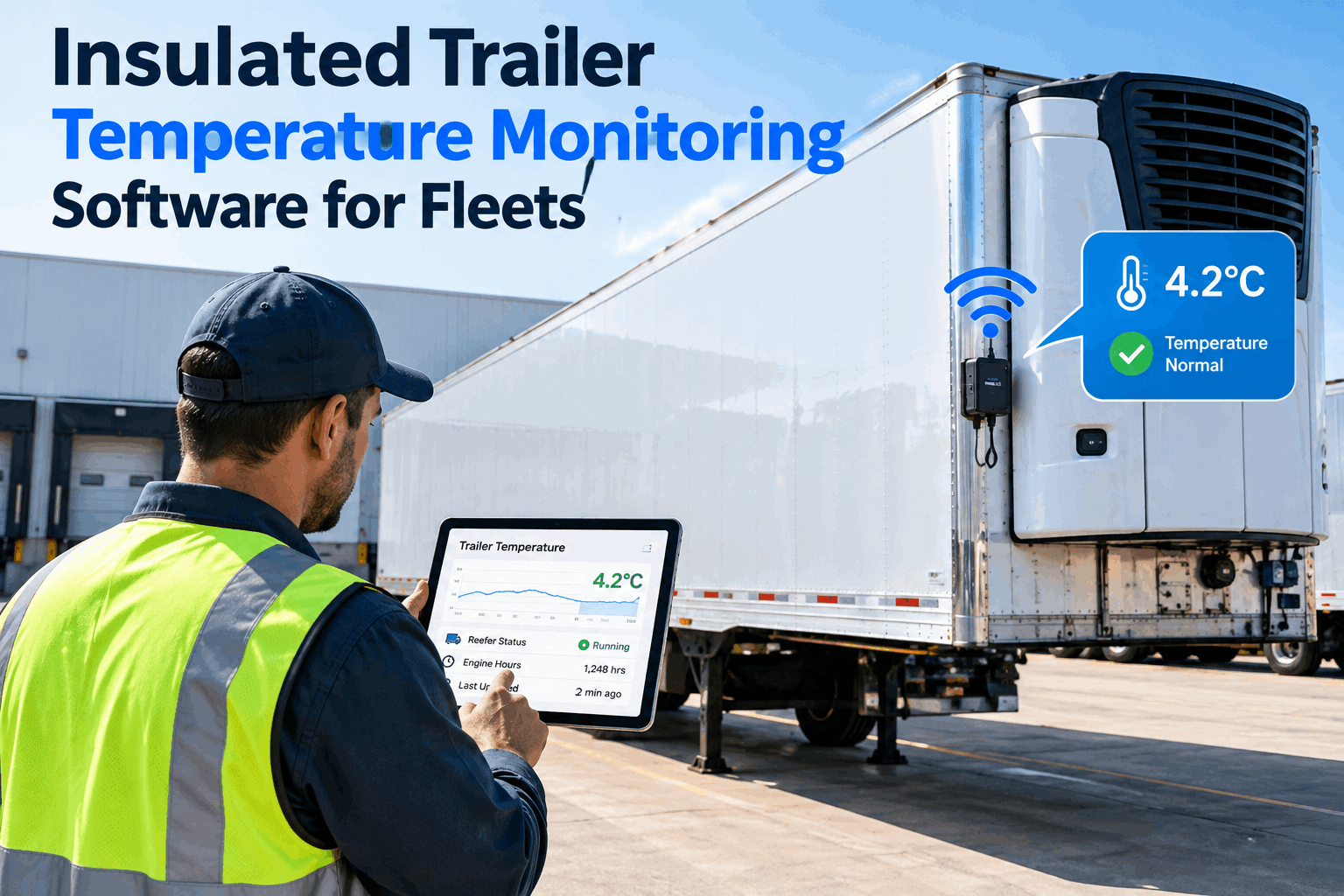
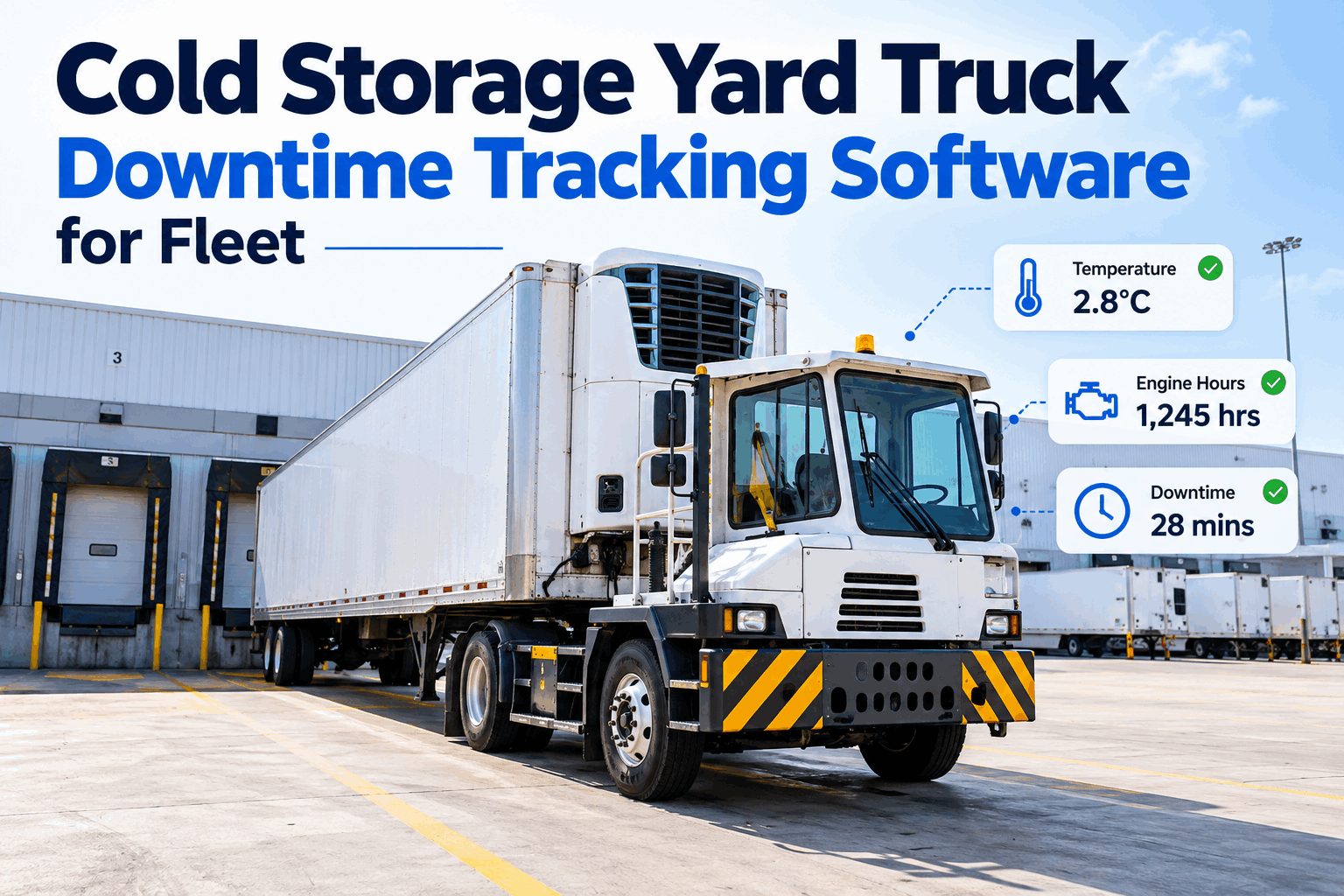
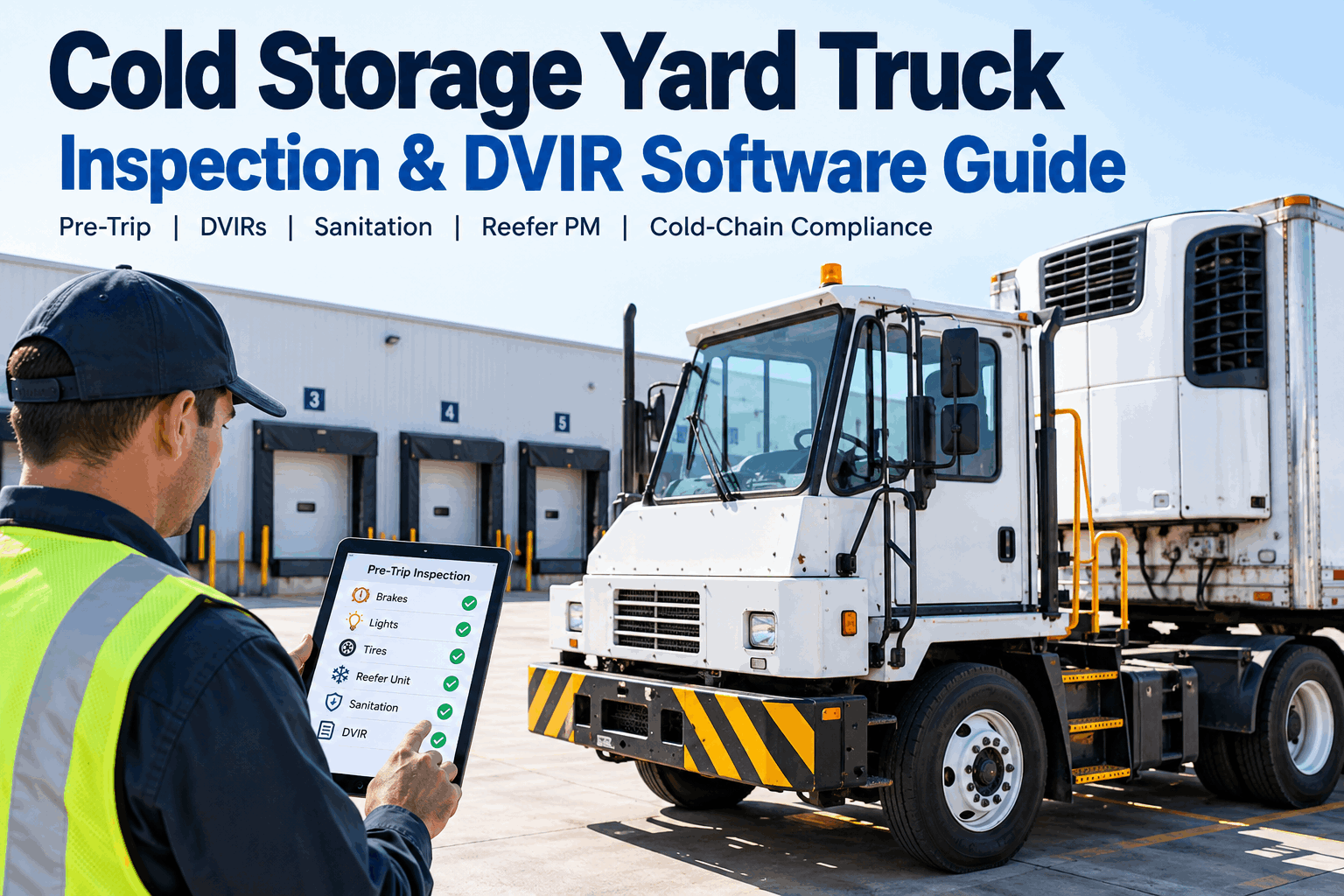
Commercial dairy cooperatives, raw milk bulk haulers, and packaged fresh-milk distribution networks navigate one of the most perishable, highly audited supply chains in modern food logistics. Transporting raw milk from rural dairy farm bulk tanks to processing plants—as well as delivering packaged fluid milk, cream, and cultured dairy products to supermarket distribution centers—leaves no margin for temperature excursions or delayed transit. When raw or finished milk temperatures rise above the critical 45°F (7.2°C) regulatory limit (or fail to hold between 34°F and 38°F for optimal retail shelf life), bacterial growth accelerates exponentially, causing curdling, off-flavors, and catastrophic batch rejections under the FDA Pasteurized Milk Ordinance (PMO) and FSMA Rule 204. When dairy logistics teams rely on manual chart recorders, paper wash tags, and unmonitored transport refrigeration units (TRUs), operations bleed capital through rejected tanker loads, unclaimed off-road diesel credits, and sanitation compliance failures. Dedicated dairy and fresh-milk fleet management software integrates sanitary tanker telemetry, automated wash station CIP tracking, multi-compartment temperature probes, and auxiliary reefer engine-hour maintenance into an audit-ready platform. To see our specialized dairy logistics engine in action, book a live consultation demo with our dairy cold-chain team or start monitoring your tankers immediately via our free platform sign up.
Fleet Management Software for Dairy and Fresh-Milk Fleets
Protect raw milk collections, automate insulated tanker wash-tag compliance, prevent retail delivery temperature rejections, and schedule proactive TRU compressor overhauls inside one connected dairy logistics platform.
Critical Vulnerabilities in Raw Milk Hauling & Packaged Dairy Distribution
Operating a dairy fleet involves strict sanitary and microbiological compliance combined with round-the-clock physical transportation challenges. From farm pickup routes with variable agitation times to multi-stop grocery delivery trailers running packaged fluid cartons, dairy fleets cannot tolerate refrigeration blips. Fluid milk acts as a sensitive biological product: prolonged loading times under direct summer sun, failing tanker insulation baffles, or unnoticed TRU alternator failures rapidly sour entire loads. If a 6,000-gallon tanker arriving at a bottling plant reads 46°F upon arrival, the entire shipment is rejected, resulting in thousands of dollars in lost milk, emergency disposal fees, and broken processor contracts. Dairy transport directors can streamline field collection operations by booking an interactive dairy logistics demo or configure custom compartment temperature limits directly via our quick platform sign up.
FDA Grade 'A' PMO 45°F Temperature Threshold Compliance
Under the Pasteurized Milk Ordinance, raw milk must be cooled to 45°F or less within two hours of milking and maintained at that temperature until processing. FleetRabbit uses multi-point probe telemetry across isolated tanker compartments, sounding immediate visual and mobile alarms if transit temperatures creep upward.
Sanitary Wash-Station (CIP) Digital Tag Traceability
Bulk milk tankers must undergo clean-in-place (CIP) washing every 72 hours, verified by physical wash tags recording wash date, time, chemical concentration, and cleaning facility. FleetRabbit digitizes wash tags via mobile barcode and QR scans, enforcing mandatory pre-trip verification before dispatch.
Packaged Dairy Retail Multi-Drop Cold-Chain Defense
Packaged milk delivery trailers run 15 to 30 supermarket and institutional drop-offs per morning, with drivers constantly rolling up rear doors. Wireless BLE door sensors correlate door-open duration with cargo area temperature recovery rates, prompting reefer boost cycles to protect dairy shelf life.
TRU Engine-Hour Preventive Maintenance & Defrost Monitoring
Transport refrigeration units powering packaged milk trailers experience heavy thermal loads and high vibration. The system continuously tracks auxiliary engine hours and diagnostic trouble codes (DTCs), generating proactive maintenance work orders for drive belts, compressors, and electric standby motors.
Operational Comparison: Manual Dairy Chart Logs vs. FleetRabbit Connected Cold-Chain
Traditional dairy cooperatives and milk haulers still rely heavily on circular paper chart recorders, handwritten farm intake slips, and physical wash tags that are easily misplaced, smudged, or damaged by wash-bay spray. Discover how migrating to unified dairy fleet management software transforms transport integrity across critical operational benchmarks. Quality assurance managers and fleet superintendents can evaluate live temperature verification tools by requesting a tailored dairy platform demo or explore driver mobile pre-trip wash logs through our self-service sign up.
| Dairy Transport Parameter | Paper Circular Charts & Manual Logs | FleetRabbit Dairy Operations Platform | Dairy Cooperative Advantage |
|---|---|---|---|
| Tanker Core Temperature Monitoring | Manual dip-stem checks at farm and plant | Continuous digital sanitary probe sync | Predictive alarms before 45°F PMO breach |
| CIP Wash Tag Recordkeeping | Cardstock tags tied to trailer plumbing | Encrypted digital wash tag with barcode & GPS | Zero intake rejections for missing wash tags |
| Reefer Engine Maintenance Scheduling | Calendar estimates; frequent service overruns | Automated engine-hour & DTC shop work orders | Extends TRU operating lifespan by 3+ years |
| Off-Road Diesel Tax Credit Recovery | Estimated or neglected on tax filings | Automated auxiliary engine fuel logs | Recovers up to $1,450/trailer in IFTA credits |
| FSMA Rule 204 Audit Preparation | Days of manual document pulling | Instant 1-click cloud compliance dossier | Instant export for state and federal inspectors |
4-Stage Sanitary Farm-to-Processor Milk Lifecycle
FleetRabbit standardizes dairy fleet tracking from farm-gate bulk collection through processing plant delivery, ensuring complete microbiological and logistical traceability across every gallon.
Sanitary Clearance & CIP Wash Validation
Before leaving the yard, drivers use mobile devices to verify the tanker's 72-hour CIP wash status, validate manifold safety seals, and log pre-trip electronic inspection data before gate departure.
Farm Bulk Collection & Temp Verification
At each dairy farm stop, drivers record collected volume, farm bulk tank temperatures, and agitation status. Multi-point tanker sensors verify that newly loaded milk holds safely below 45°F.
En-Route Thermal Defense & Telematics
While en route to the processing plant, continuous telemetry monitors compartment temperatures, agitation intervals, and chassis diagnostics, alerting dispatchers if thermal trends drift.
Plant Intake Sign-Off & FSMA Digital Archive
At the receiving plant dock, the system generates an instant digital trip manifest showing continuous temperature charts and wash-tag validation, speeding up unloading bay clearance.
Dairy Fleet Capital Stewardship: Eliminating Avoidable Operational Loss
Operating a fleet of sanitary milk tankers and refrigerated delivery trailers without connected software leads to hidden operational drains, including auxiliary reefer idling, unverified intake disputes, and missed component warranties. Identifying these systemic cost drivers helps dairy cooperatives and distribution executives build a compelling business case for software adoption. Measure your fleet's potential operational recovery by booking a one-on-one consultation demo or initiate platform onboarding directly via our rapid system sign up.
Analysis of Dairy Fleet Budget Drain Factors
Specialized Dairy Fleet Capabilities
Connects directly to multi-zone sanitary temperature probes, logging compartmental pulp temperatures continuously.
Maintains an immutable digital ledger of wash stations, chemical cycles, and seal tags, preventing intake lockouts.
Isolates fuel consumed by auxiliary reefer units from highway tractor engines, simplifying state and federal tax credit filings.
Sanitary Compliance and Quality Assurance Architecture
Dairy fleets operate under dual oversight: federal food safety regulations (FDA PMO and FSMA Rule 204) and commercial processor scorecards. FleetRabbit replaces fragile paper records with an automated compliance framework that guarantees end-to-end product integrity and eliminates audit friction.
Sanitary Temperature Verification
Automate Grade 'A' compliance with continuous, tamper-proof temperature histories across every farm pickup and transit leg. Pre-configured alarms warn drivers and dispatchers before milk approaches the 45°F threshold.
Key Data Element (KDE) Logging
Capture Critical Tracking Events (CTEs) including farm bulk tank loading, receiver intake timestamps, and seal verification numbers, generating instant digital traceability spreadsheets during FDA audits.
CIP Expiration & Seal Guard
The platform monitors 72-hour CIP countdown timers based on certified wash-station timestamps. If a tanker approaches expiration without a verified re-wash, the system alerts dispatchers to prevent loading.
Frequently Asked Questions for Dairy Fleet Operators
How does FleetRabbit verify tanker temperatures meet FDA Pasteurized Milk Ordinance (PMO) rules?
FleetRabbit connects directly to calibrated temperature sensors inside sanitary tanker compartments and refrigerated delivery bodies. Sensor readings are logged every 60 seconds with GPS and time stamps. If temperatures drift toward 45°F, visual and mobile push alerts notify the driver and central dispatch to take corrective action before regulatory limits are breached.
How does the platform digitize bulk milk tanker wash tags (CIP)?
When a tanker completes a 72-hour clean-in-place (CIP) wash, drivers or wash-station personnel use the FleetRabbit mobile app to scan the wash-station barcode, record chemical verification details, and upload photos of physical plumbing seals. The system tracks the 72-hour countdown timer, preventing expired tankers from being dispatched.
Can FleetRabbit track auxiliary reefer fuel consumption separately from tractor diesel?
Yes. FleetRabbit monitors auxiliary reefer engine run hours and fuel levels independently from the truck chassis. The platform automatically compiles certified off-road diesel consumption reports that allow your finance team to claim eligible state and federal IFTA fuel tax credits with zero guesswork.
How does the software handle rural dairy farm collections with poor cellular coverage?
FleetRabbit features an offline-first mobile architecture. Drivers can record farm bulk tank readings, enter volume measurements, and verify vehicle inspections without an active cellular connection. All data is cached securely on the device and syncs to the cloud the moment the truck reconnects to cellular service or depot Wi-Fi.