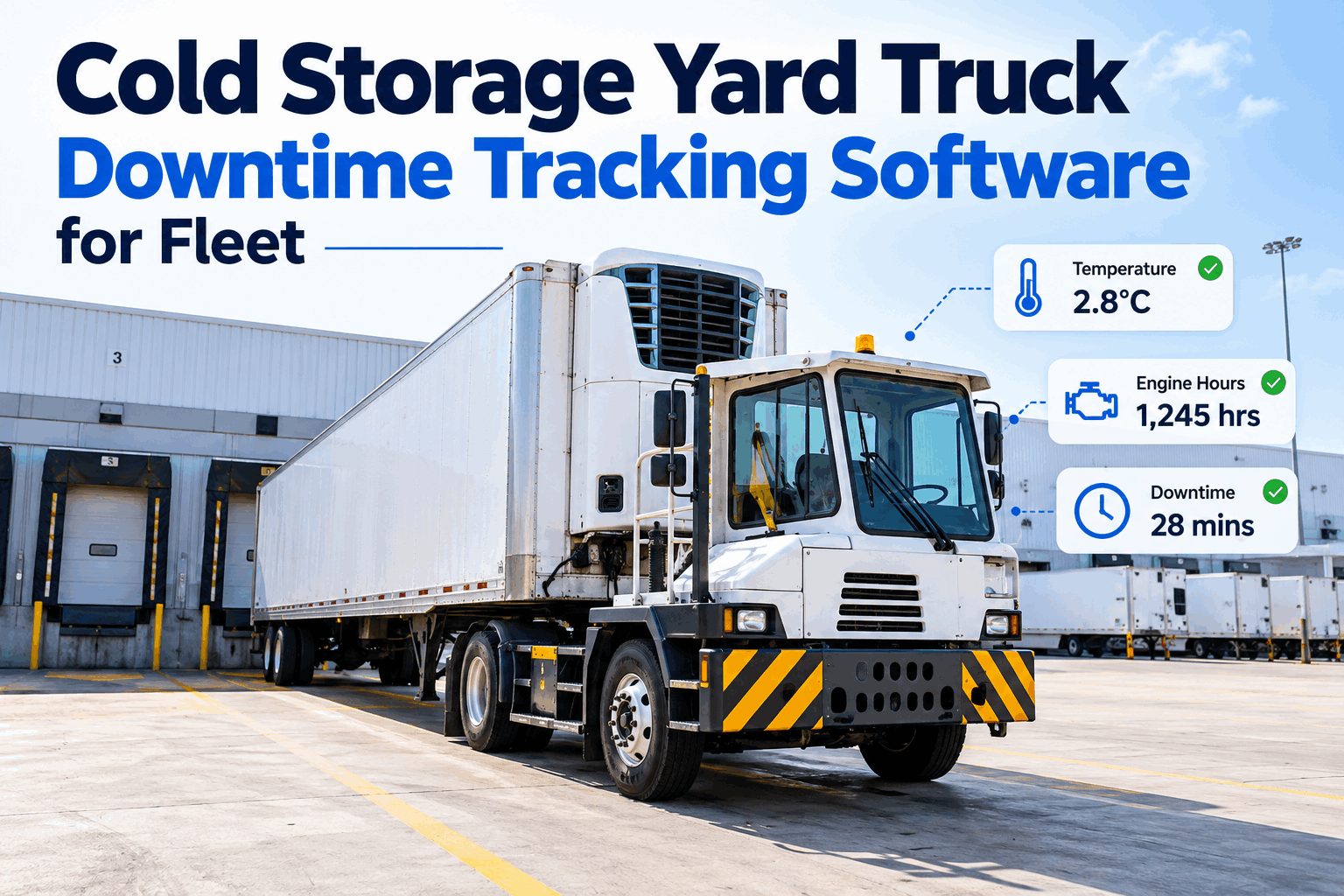
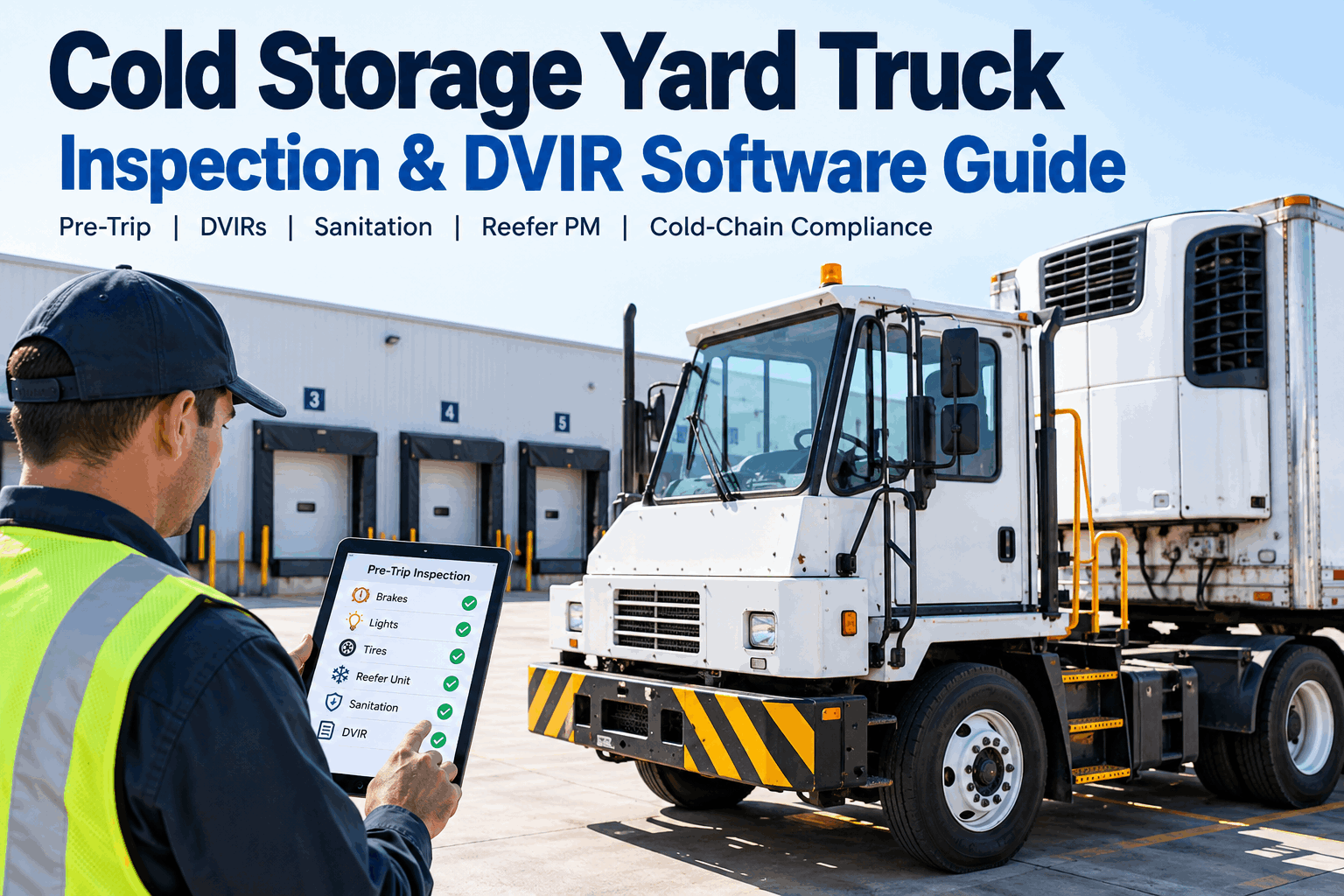
Refrigerated motor carriers, grocery retail distributors, and perishable food logistics operators face relentless operating margin compression: balancing diesel fuel surcharges against long-haul line-haul rates, maintaining agreed continuous temperature bands under FDA FSMA 21 CFR § 1.908, and preventing catastrophic cargo spoilage claims. While fleet managers closely scrutinize TRU microprocessor engine health and compressor oil degradation, one of the most severe diesel fuel drains in the cold chain hides in plain sight: degraded, torn, or unseated perimeter rear-door and side-door rubber gaskets. A single 1/4-inch tear in an elastomeric door seal forces a transport refrigeration unit to pull continuous high-speed cooling instead of cycling into low-speed or start-stop modes, burning an extra 0.45 to 0.75 gallons of diesel fuel every operating hour while drawing moisture into the trailer box to trigger evaporator coil short-cycling. FleetRabbit delivers dedicated door seal integrity and thermal event monitoring software engineered specifically for commercial refrigerated fleets. By uniting real-time door open-close magnetic sensor logs, return-air delta-T thermal gradient slopes, automated driver eDVIR gasket photo audits, and proactive work-order dispatch lockouts, FleetRabbit turns a $100 replacement rubber gasket into $3,800+ in annual fuel and maintenance savings per trailer. Eliminate unnecessary reefer engine run hours, protect fragile produce from hot-spot boundary excursions, and verify thermal integrity completely offline inside remote packing sheds and rural cross-dock terminals with zero cellular reception. Learn how our software detects air infiltration losses when you book a demo or begin testing immediately when you sign up for a free trial.
Why a $100 Door Seal Saves Thousands in Reefer Fuel Across Every Load and Route
A torn perimeter door gasket forces your reefer engine into non-stop high-speed pull-down, burning up to 0.75 extra gallons of diesel per hour while icing evaporator coils. Detect thermal boundary leaks automatically using delta-T telemetry, enforce mobile photo gasket inspections, and cut fuel waste before trailers leave origin staging.
The 4-Stage Infiltration Cascade: How a Bad Seal Drains Capital
A damaged rubber gasket triggers a compounding thermodynamic and mechanical cycle that multiplies fuel burn, accelerates engine wear, and threatens perishable cargo.
Cold Air Displacement
Dense refrigerated air escapes through perimeter gaps under positive air pressure while highway turbulence vacuums warm, humid ambient air into the top and sides of the trailer.
Microprocessor Mode Lockout
The TRU controller registers climbing return-air sensor temperatures, preventing the engine from shifting into fuel-saving low-speed or start-stop modes, locking the diesel engine at 2,200 RPM.
Evaporator Coil Icing
Entering moisture condenses directly onto evaporator fins, freezing into solid ice bridges that choke airflow and trigger frequent automatic defrost cycles that actively heat the interior box.
Thermal Boundary Excursions
Choked airflow creates rear-corner hot spots that exceed maximum FSMA temperature limits, causing receiver rejection at the delivery dock and leaving the carrier liable for total load spoilage.
The Compounding Overhead of Compromised Trailer Gaskets
Viewing door seal maintenance as a cosmetic shop item blinds carriers to one of the largest controllable operational expenses in cold-chain transportation. Review our cost reduction models when you book a demo with our team.
Runaway Diesel Fuel Consumption Across Long-Haul Lanes
A properly sealed trailer running frozen freight in summer cycles off for 40% to 60% of the trip. A trailer with leaking perimeter gaskets runs 100% continuous duty, consuming an additional 12 to 18 gallons of diesel every 24 hours. Over a single 3,000-mile cross-country run, a torn seal burns $70+ in wasted fuel.
Accelerated TRU Auxiliary Engine Hours and Premature Overhauls
Running continuous high-speed cooling to overcome air infiltration doubles engine run hours relative to odometer miles. Reefer units reach their 1,500-hour and 3,000-hour PM intervals months early, driving up filter replacement costs and forcing premature $14,000 auxiliary diesel overhauls.
Uncontested Cargo Spoilage Claims on Perishable Freight
When receivers insert digital pulp probes into rear pallets, moisture infiltration and hot-spot boundary air cause temperatures to read 4°F to 8°F warmer than the reefer bulkhead display. Receivers immediately reject the load, leaving carriers liable for $80,000+ in spoiled berries, leafy greens, or pharmaceuticals.
Agricultural Packing Sheds and Cross-Dock Cellular Voids
Driver pre-trip seal walkarounds and pulp temperature checks take place inside concrete packing sheds, underground cold vaults, and rural distribution facilities with zero cellular signal. Cloud-only tracking tools fail, dropping critical pre-cool verification records before departure.
Engineered for Precision Cold-Chain Fuel & Thermal Governance
FleetRabbit connects TRU telematics, door magnetic sensors, driver photo eDVIRs, and automated shop work orders into a unified operational console. See our platform in action when you sign up for a 14-day free trial.
Automated Thermal Infiltration Radar
Monitors discharge and return-air temperature slopes against outside ambient readings, automatically flagging trailers showing anomalous cooling recovery times indicative of air gasket leaks.
Photo-Verified Door Gasket Audits
Drivers perform mobile pre-trip walkarounds: inspecting top, bottom, and vertical rubber gaskets, checking door lock cam-action tightness, and uploading photo proof of any torn or gouged seals.
Thermal Leak Dispatch Lockout
When an operator documents a compromised door seal or telematics detect persistent air leakage, FleetRabbit blocks the trailer from receiving temperature-sensitive load dispatches until repaired.
Cold Storage Offline Mobile Syncing
Drivers verify door seals, record pulp temperatures, and capture BOL stamps inside concrete cold-storage vaults with zero cellular coverage; all records auto-sync upon reconnection.
Real-Time Infiltration Fuel Accounting
Tracks actual diesel burn rates per operating hour across the reefer fleet, identifying units operating with elevated consumption patterns to prioritize shop seal replacements.
1-Click 12-Month FSMA Audit Vault
Export certified regulatory dossiers containing past door seal walkaround photos, reefer PM work orders, and continuous temperature curves compliant with 21 CFR § 1.912 in seconds.
Thermal Boundary Governance Aligned with Federal Cold-Chain Mandates
FleetRabbit’s thermal tracking architecture operates in full compliance with federal sanitary food transport rules and commercial motor vehicle roadworthiness regulations.
Enforces carrier obligations to maintain refrigerated vehicles in suitable sanitary condition, ensure adequate temperature control, and prevent temperature abuse during transportation.
Mandates that motor carriers retain electronic records of written procedures, shipper operating specifications, continuous temperature profiles, and equipment maintenance files for at least 12 months.
Standardizes daily pre-trip/post-trip driver walkarounds (§ 396.11), cargo securement door lock checks, qualified mechanic repair signatures (§ 396.13), and 90-day maintenance record retention.
Reduces unnecessary diesel emissions and particulate matter by optimizing reefer engine run hours, ensuring units shift into low-emission standby or low-speed modes without air leakage.
Door Seal & Thermal Loss Tracking Software Comparison
A feature-level comparison focused on air infiltration detection, fuel conservation, and cold-chain compliance as of 2026. Book a demo to review the platform comparison.
| Capability | FleetRabbit | Generic Fleet CAD | Basic Telematics Portals | Physical Yard Stick Checks |
|---|---|---|---|---|
| Pricing (per asset/month) | $5/month | $25–$60/month | $20–$45/month | High fuel & claim waste |
| Delta-T Infiltration Leak Detection | Automated slope analysis | Not supported | Raw temp display only | None (undiscovered) |
| Photo-Verified Gasket Inspection eDVIR | Dedicated mobile module | Generic check box only | Not supported | Pencil-whipped slips |
| Torn Seal Dispatch Lockout | Instant dispatch block | Manual supervisor note | Not available | None (blind roll-outs) |
| Cold Storage Offline Mobile Sync | Full store-and-forward | Network dependent | Data dropped | Paper only |
| Free Trial Access | 14 days, up to 3 assets | Sales demo only | Demo only | None |
| Contract Terms | Monthly or annual | Multi-year lock-in | 3-year minimum | None |
5-Step Thermal Integrity Implementation Pathway
FleetRabbit embeds cleanly into your refrigerated fleet operations, maintenance garages, and driver mobile devices in under two weeks without shipping disruptions. Get started immediately when you sign up for a free trial.
Reefer Fleet & Telematics Stream Ingestion
Import refrigerated trailers, door sensor hardware IDs, compressor microprocessors (Thermo King / Carrier), and historical fuel consumption baselines via CSV or API.
Thermal Baseline & Delta-T Threshold Setup
Configure automated temperature slope triggers: define expected pull-down recovery times, ambient temperature variance buffers, and continuous-mode alarm thresholds.
Gasket Checklist & Dispatch Lockout Configuration
Establish mobile eDVIR inspection forms requiring drivers to photograph top, bottom, and side rubber gaskets, automatically locking trailers with torn seals from dispatch.
Drivers & Shop Mechanics Mobile Rollout
Equip refrigerated transport drivers and shop mechanics with the offline-first mobile app on standard smartphones or rugged tablets for rapid pre-trip walkarounds and repair sign-offs.
Thermal Command Go-Live
Activate live fleet temperature monitoring, automated air infiltration alert queues, fuel dissipation dashboards, and 1-click 12-month FSMA compliance reporting.
2-Week Deployment Plan & Milestones
Modernize your refrigerated fleet's thermal boundary governance and stop fuel dissipation with zero disruption to scheduled distribution shifts. Review our full onboarding plan when you book a demo today.
Week 1: Asset Audit & System Integration
- Audit paper shop work orders, historical fuel receipts, and door gasket replacement intervals
- Connect Carrier and Thermo King telematics feeds to verify real-time return-air streams
- Configure mobile pre-trip eDVIR walkaround checklists and photo-verified gasket forms
- Assign user access roles for Fleet Directors, Reefer Technicians, and Transport Drivers
Week 2: Depot Rollout & Live Verification
- Distribute mobile app to drivers and conduct 15-minute training on digital gasket audits
- Validate store-and-forward offline syncing inside concrete cross-docks and packing sheds
- Simulate a torn door seal defect to confirm automated dispatch lockout gating and shop routing
- Launch live fleet thermal dashboard and automated FSMA compliance reporting archives
Turn $100 Door Seals Into $3,800+ in Annual Reefer Fuel Savings
Eliminate air infiltration losses, stop reefer auxiliary engine wear, and ensure 100% FSMA compliance at $5/asset/month with a 14-day free trial. You can book a demo with our refrigeration specialists or sign up for immediate platform access.
Real-World Refrigerated Fleet Fuel Savings
Documented fuel and maintenance improvements reported by commercial refrigerated motor carriers and food distribution fleets. Review the complete cold-chain audit findings when you book a demo with our team.
$114,000 Annual Fuel Savings Across 80 Reefer Trailers
A regional refrigerated hauler operating 80 trailers in the Midwest struggled with soaring diesel fuel expenses during summer months. FleetRabbit deployed delta-T infiltration tracking and photo-verified gasket audits, identifying 22 trailers with compromised rear-door rubber seals. Replacing the $100 seals dropped average reefer burn from 1.15 gal/hr to 0.72 gal/hr, saving $114,000 in fuel in year one.
Zero Cargo Rejections and 26% Longer PM Cycles
A frozen food logistics network managing 55 multi-temp trailers suffered recurring cargo rejections caused by frost-clogged evaporators and rear-pallet hot spots. FleetRabbit automated door seal walkarounds and pre-cool dispatch lockouts, eliminating temperature rejections entirely while reducing reefer engine run hours by 26%.
Most fleet managers obsess over engine diagnostics and telematics sensors, but they ignore the fifty feet of black rubber wrapped around the rear trailer doors. We had trailers where the bottom door gasket had been sliced off by a forklift blade months ago. That reefer unit was running full-blast high-speed continuous cooling from Chicago to Dallas, burning twenty extra gallons of diesel every day and pumping frost into the evaporator until it choked. Before FleetRabbit, nobody caught it until a receiver rejected twenty tons of ice cream because the rear pallets read twenty degrees warmer than the bulkhead. FleetRabbit completely changed our fleet economics. It flags thermal air leaks from our telematics data automatically, requires our drivers to photograph the door seals during pre-trip inspections, and locks out any trailer with a torn gasket before our dispatchers can assign it a load. Replacing a hundred-dollar piece of rubber saved us over three thousand dollars in fuel on that trailer alone.
Frequently Asked Questions
Stop Reefer Fuel Dissipation and Protect Your Cold Chain in Less Than 2 Weeks
Turn $100 door seals into thousands in fuel savings, eliminate cargo claims, and ensure 100% FSMA compliance at $5/asset/month with a 14-day free trial.