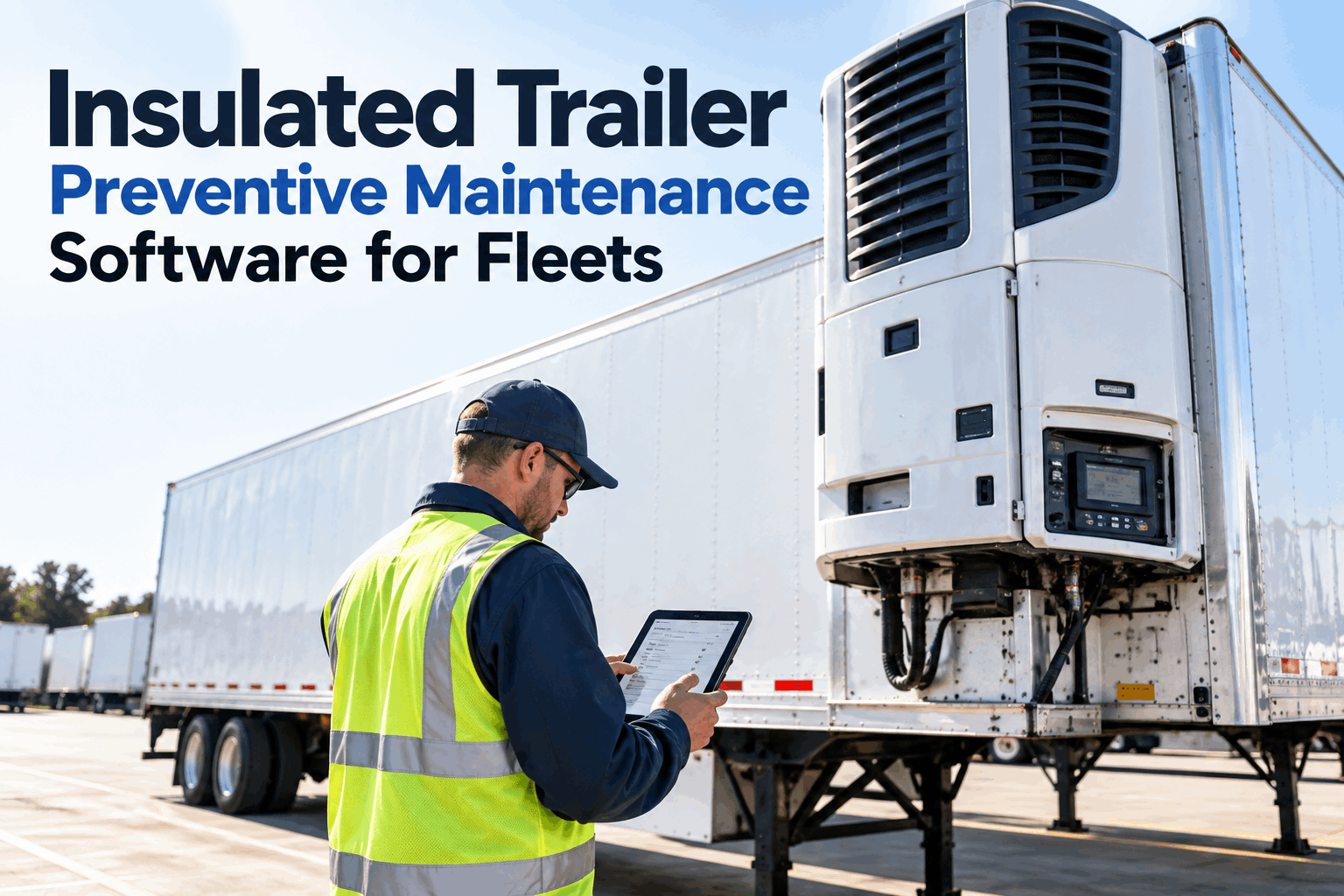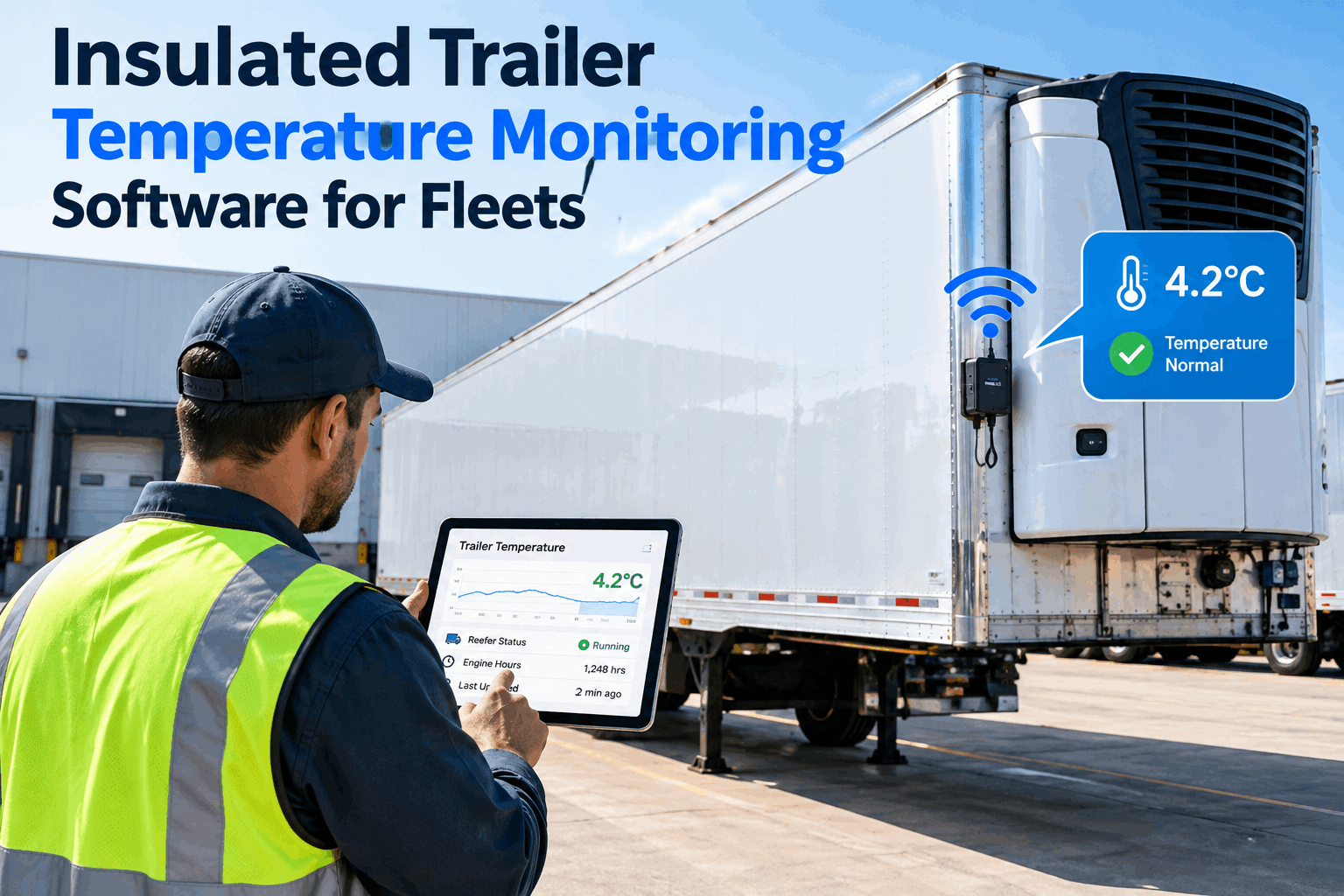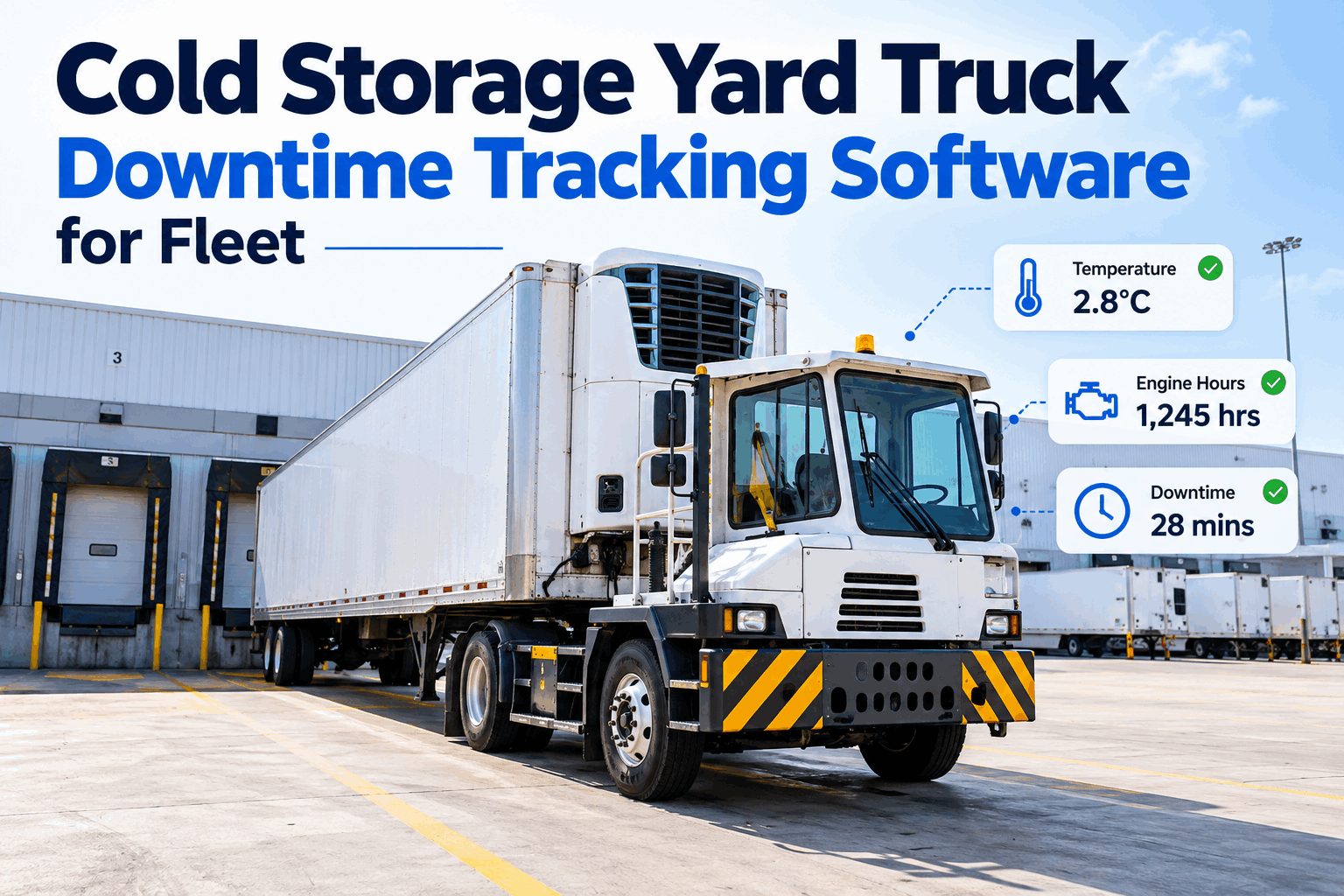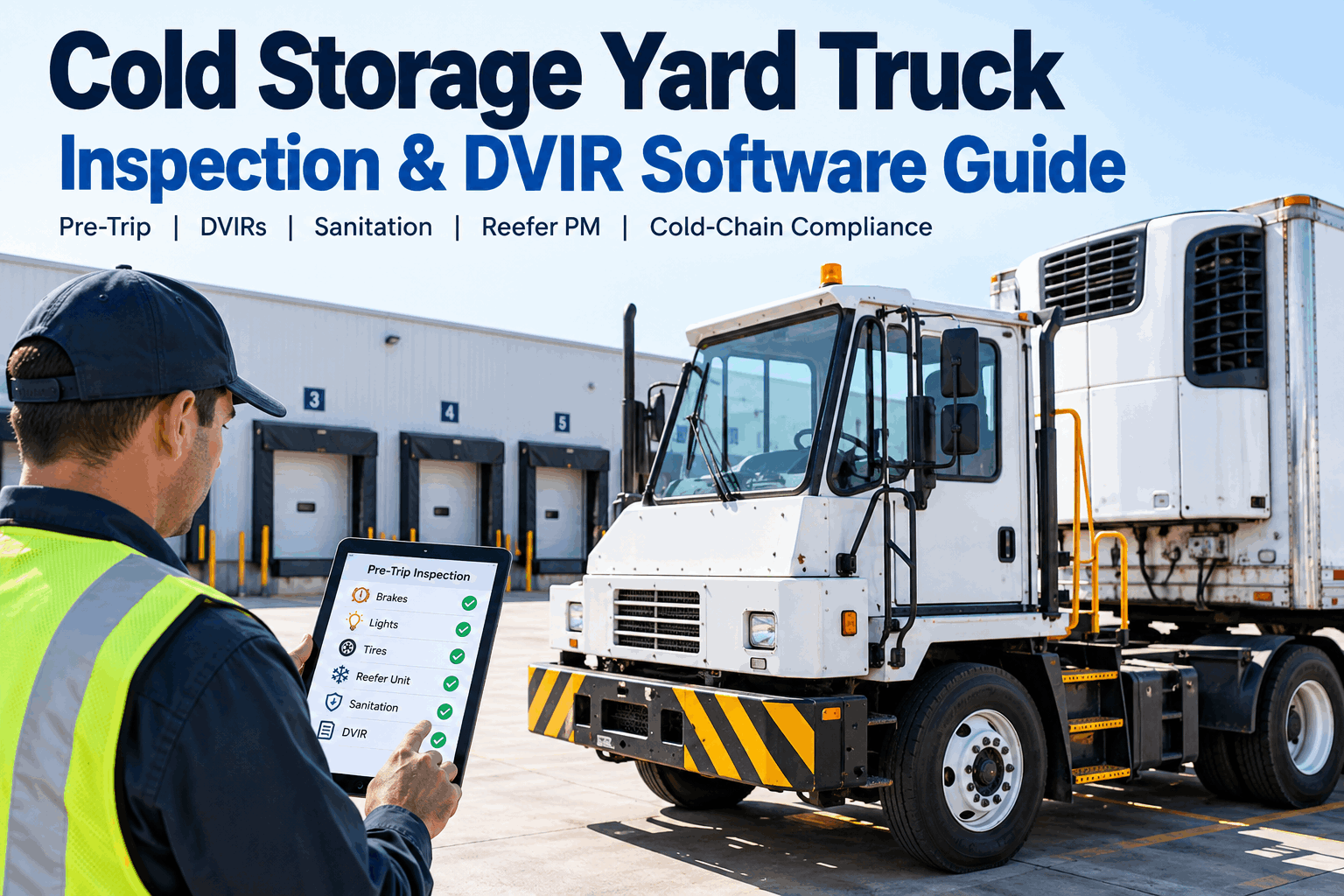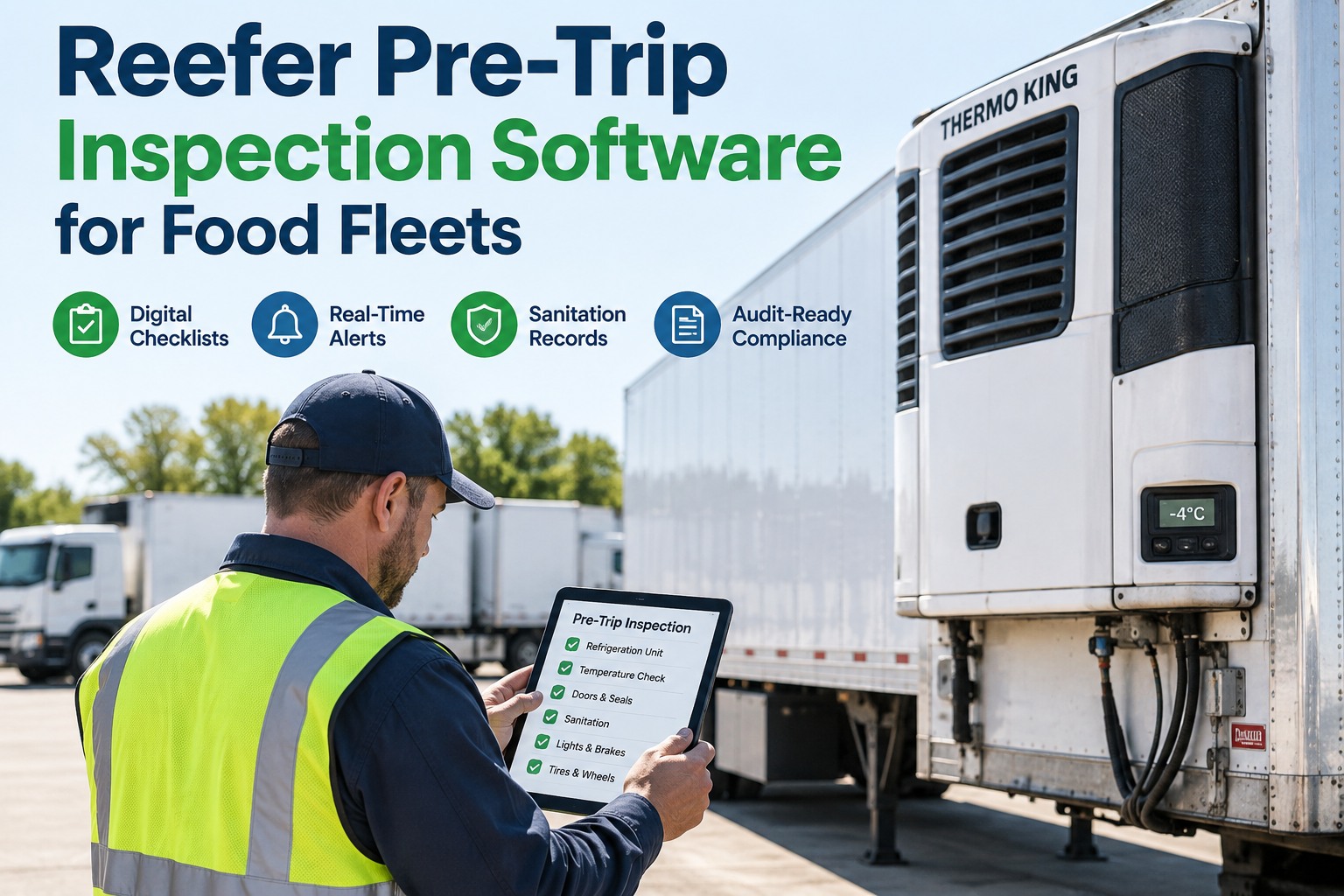
Refrigerated food fleet managers, cold chain quality leads, and perishable transportation safety directors know that cross-contamination risks and in-transit cooling failures usually originate before the truck leaves the loading dock. Driver pre-trip reefer inspections are essential to food safety, yet paper inspection sheets, verbal driver sign-offs, and fragmented clipboards routinely cause critical oversights: unwashed trailer beds, undetected air chute tears, depleted engine coolant, and failed pre-cooling setpoints. Under the FDA Food Safety Modernization Act (FSMA) Sanitary Transportation Rule, carriers must maintain documented proof that trailers are clean, mechanically capable, and sanitary before cargo loading. Fleet Rabbit delivers dedicated reefer pre-trip inspection software that replaces lost paper forms with an intuitive mobile driver workflow. Couriers and drivers complete time-stamped, photo-verified sanitation checklists, verify reefer engine readiness, log pre-cooling setpoints, and instantly route mechanical defects to shop mechanics. Eliminate dockside food safety rejections, safeguard high-value loads, and streamline audit-ready compliance across your perishable delivery fleet. Book a Demo to see our driver pre-trip reefer inspection workflows in action.
Reefer Pre-Trip Inspection Software for Food Fleets
Empower reefer drivers with an offline-first mobile inspection app: digitize pre-cooling logs, capture photo-verified trailer washouts, monitor reefer engine oil and belt status, and generate instant, tamper-proof electronic inspection records.
The Acute Vulnerabilities of Paper-Based Reefer Pre-Trips
Traditional pre-trip inspections for refrigerated trucks often suffer from "pencil whipping"—drivers checking off items without thoroughly inspecting the vehicle. When combined with loose paper forms, this manual workflow creates significant financial and regulatory risks for food distributors. Sign up to replace paper forms with digital driver checklists.
The 20-Point Digital Reefer Pre-Trip Inspection Workflow
Fleet Rabbit structures driver inspections into four systematic steps that guide operators around the tractor, the refrigeration unit, and the interior cargo space. Book a demo to test our mobile driver walkaround checklist.
- Inspect interior walls, ceiling, and t-duct floor for organic debris, dirt, or pest evidence.
- Capture mandatory photo of swept, clean trailer floor and clean bulkhead.
- Verify floor drain kazoos and scuppers are free of ice, debris, and blockages.
- Check for chemical, petroleum, or foreign odors that could contaminate food.
- Record wash-out certificate number or chemical sanitizer concentration (PPM).
- Inspect ceiling flexible air delivery chute for tears, clogs, or unhooked hangers.
- Check front return air bulkhead to ensure proper airflow space is unobstructed.
- Inspect rear and side door perimeter gaskets for cracks, tears, or dry rot.
- Verify rear door latches, locking hardware, and safety release seals.
- Confirm thermal strip curtains are hung properly, clean, and intact.
- Check reefer engine oil level and verify clean appearance on dipstick.
- Inspect coolant expansion tank level and check hoses for signs of leakage.
- Inspect alternator, fan, and compressor drive belts for cracks or slack.
- Verify reefer diesel fuel tank level and check fuel lines for leaks.
- Ensure battery terminals on the 12V auxiliary battery are clean and tight.
- Initiate unit pre-trip self-test diagnostic cycle on the microprocessor.
- Verify temperature setpoint against shipper bill of lading (BOL) requirements.
- Select appropriate operating mode (Continuous Run vs. Cycle-Sentry).
- Confirm unit initiates and completes automated manual defrost cycle.
- Verify internal trailer temperature reaches target setpoint before loading.
Closed-Loop Defect Triage: From Driver Walkaround to Bay Work Order
Finding a mechanical issue during a pre-trip inspection is only valuable if the maintenance garage resolves it immediately. Fleet Rabbit creates an automated bridge between drivers and mechanics. Sign up to automate defect-to-work-order routing.
Regulatory Standards: FDA FSMA & Food Transport Compliance
Our driver pre-trip inspection architecture is designed to satisfy federal food safety transportation rules and commercial motor carrier regulations. Book a demo to review our regulatory compliance reporting tools.
Paper Checklists vs. Fleet Rabbit Digital Reefer Software
Evaluate the clear operational differences between manual paper inspection clipboards and our automated mobile inspection platform. Sign up now to explore all platform features.
| Inspection Capability | Fleet Rabbit Mobile Software | Paper Checklists & Binders | Generic Fleet GPS Trackers |
|---|---|---|---|
| Subscription Rate | $5 / vehicle / month | High claim write-offs & paper cost | $25 – $45 / vehicle / month |
| Trailer Sanitation Proof | Mandatory photo capture & chemical log | Unverified handwritten initials | Not supported |
| Pre-Cool Verification | Time-stamped return air & setpoint log | Manual driver handwriting | Delayed batch telematics only |
| Defect Triage to Shop | Instant work order routing & red-tag | Delayed until paperwork returns | Not integrated with maintenance |
| Audit Export Speed | < 30 seconds PDF generation | Days searching through file folders | Requires custom engineering |
| Free Trial & Setup | 14-day free trial, self-serve | Not applicable | 1 to 3-year locked contracts |
Customer Case Study: FreshWay Logistics
Learn how an independent refrigerated distributor eliminated dockside sanitation rejections across 26 straight trucks and trailers.
Delivering dairy, fresh produce, and packaged poultry across three metropolitan distribution hubs, FreshWay Logistics suffered two major load rejections when receiving docks discovered organic residue on trailer floors and an air delivery chute torn near the front bulkhead. Drivers had checked off paper pre-trip forms without properly inspecting the trailer interior.
By deploying Fleet Rabbit, the company required drivers to submit photo verification of clean floors, clear drains, and intact air chutes on their smartphones before receiving dispatch clearance. Sanitation rejections dropped to zero, unmonitored reefer belt failures fell by 52%, and driver inspection compliance reached 100% within the first two weeks.