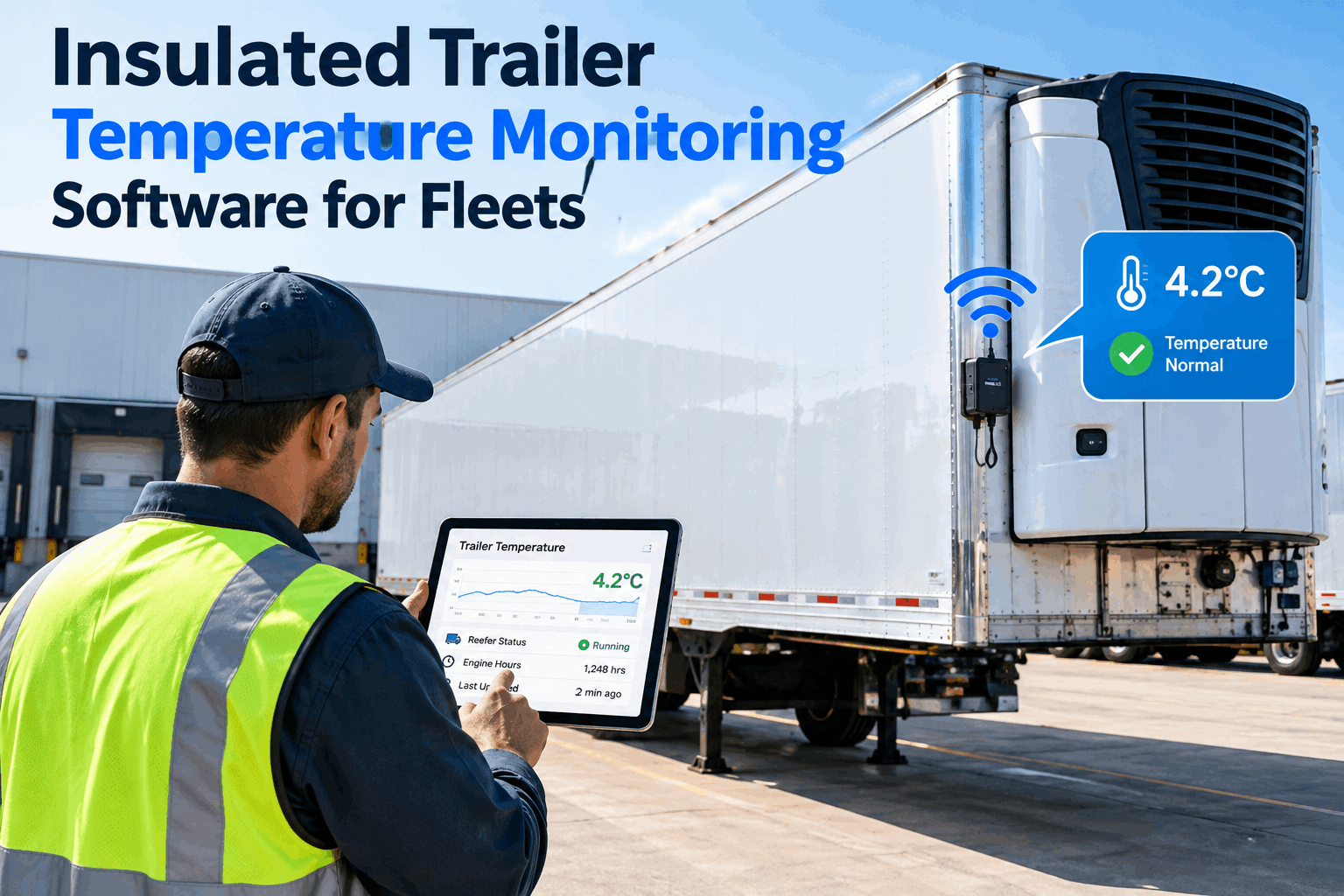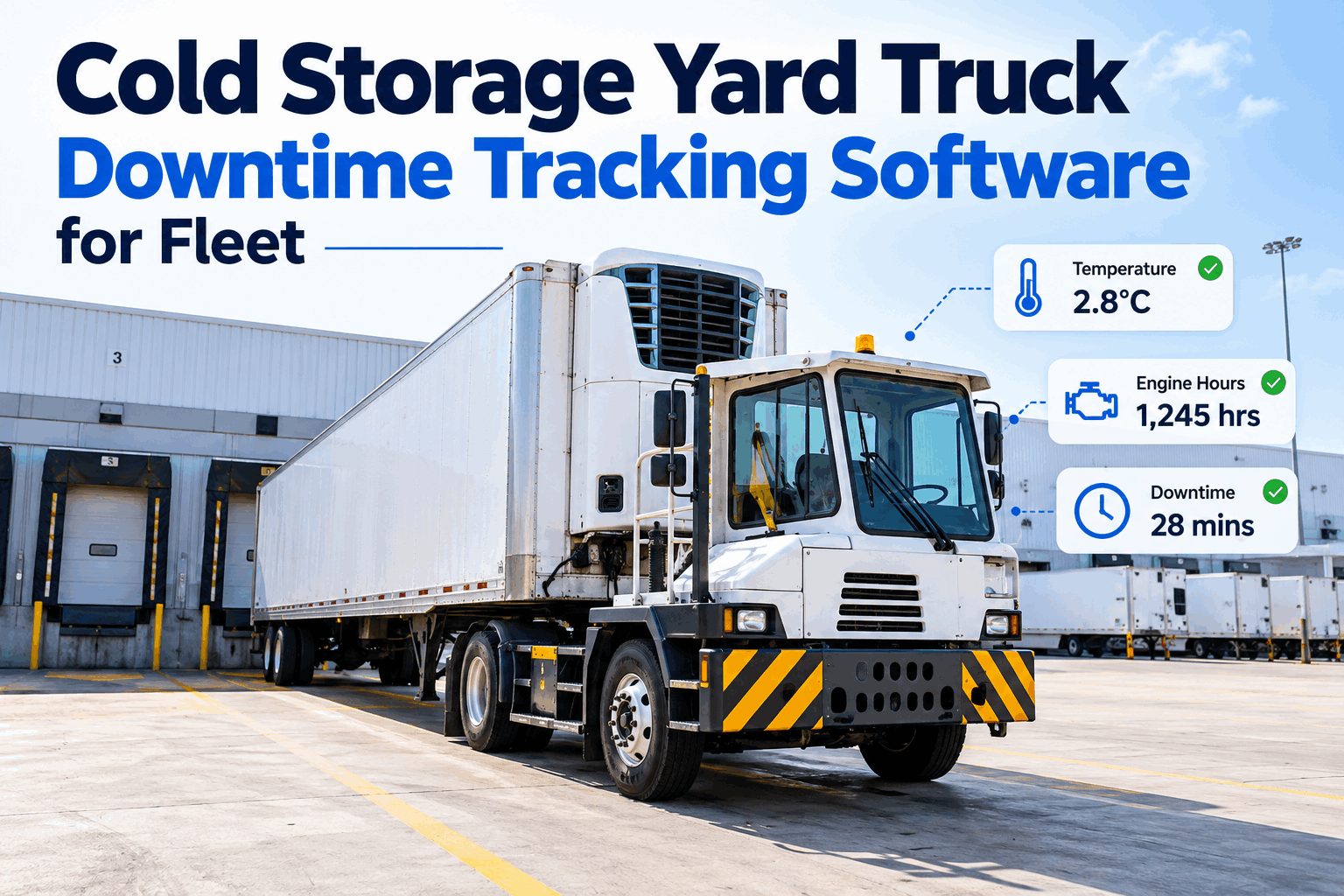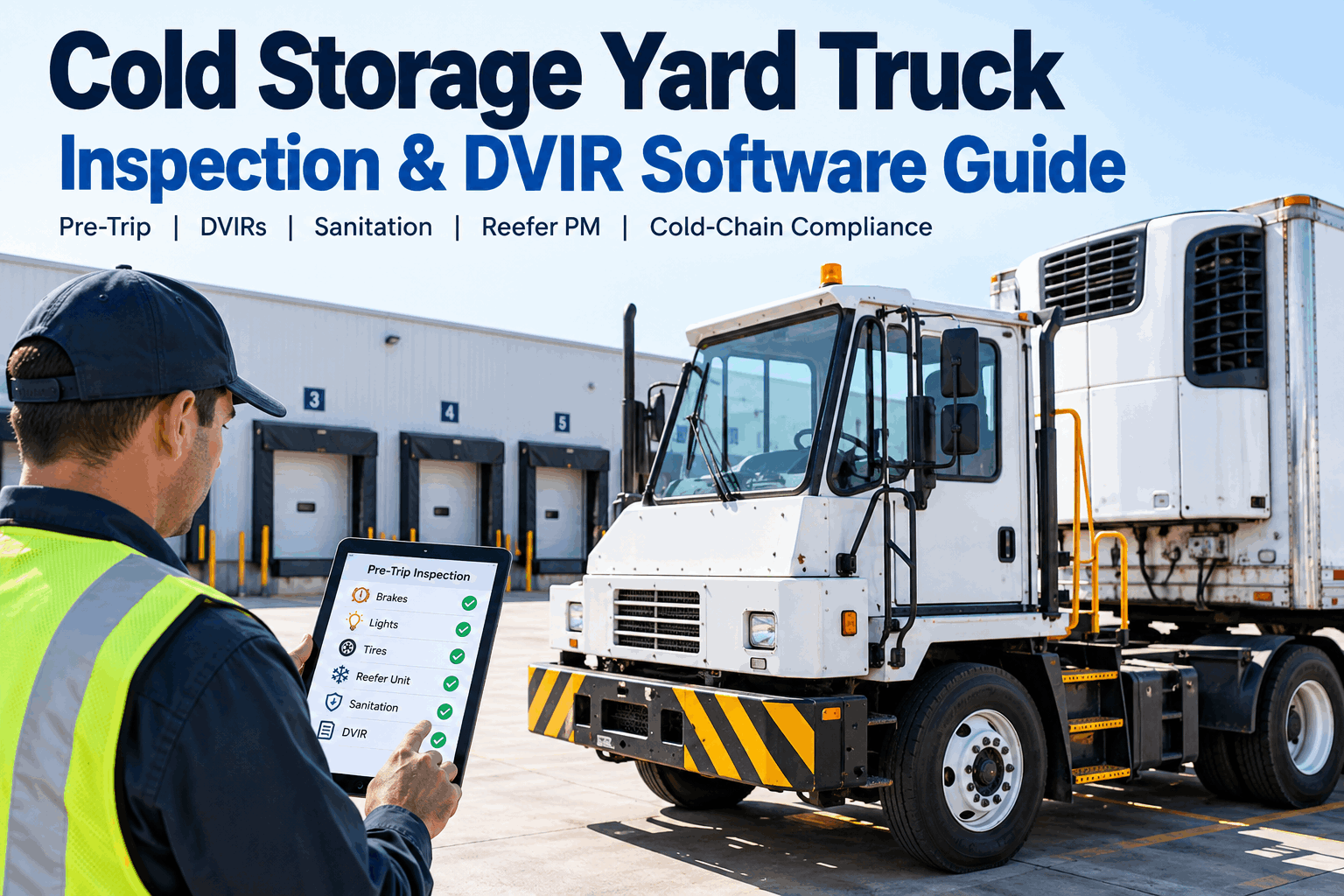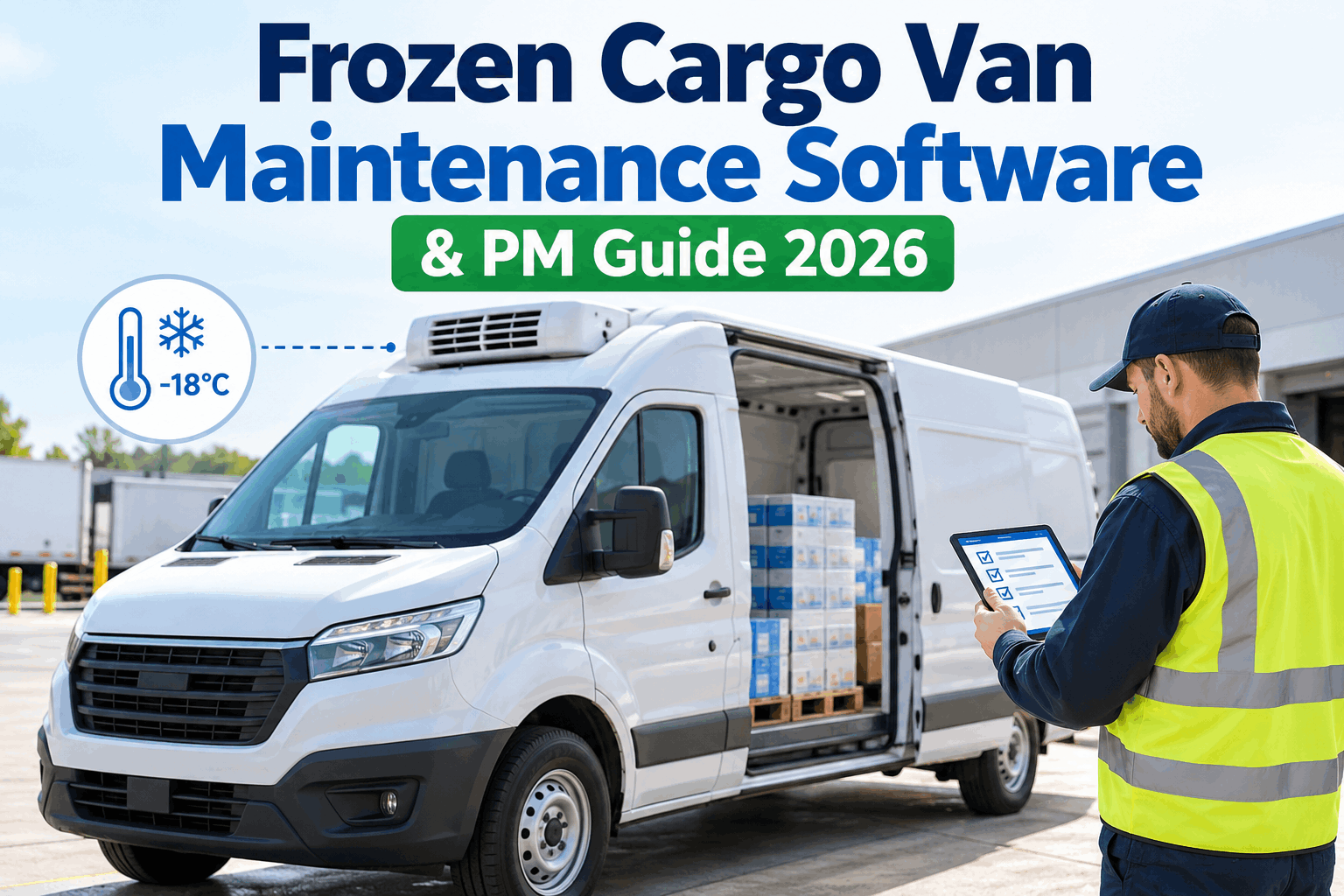
A frozen delivery van opens its doors more times before lunch than a long-haul reefer does all week. Every stop lets warm air in, and the refrigeration system has to win it back before the next drop. When that system is overdue for service, it stops winning. See how frozen-delivery fleets keep refrigeration PM on schedule and keep every stop inside the temperature range.
Frozen Cargo Van Maintenance Software for Stop-After-Stop Reliability
Schedule refrigeration PM by engine hours, get alerts when temperatures drift, and keep cold-chain records ready for every customer.
Why a Frozen Van Is Not a Small Trailer
Long-haul reefer trailer
- Few door openings per trip
- Own diesel unit, long run times
- Wear follows hours on the road
Frozen cargo van
- Dozens of door openings per route
- Refrigeration may be engine-driven, electric standby or self-powered
- Wear follows stops, idle time and run hours
A Day on the Route
Each stop is a small temperature event. Here is an illustrative route showing how the cargo area warms at each opening and needs time to recover.
A healthy unit recovers quickly between stops. A unit that is overdue for service recovers slowly, and the warm spots pile up. That gap is exactly what preventive maintenance closes.
Don't wait for a warm delivery
Put your vans on engine-hour PM and see what's coming due. Free for three vehicles.
Three Ways a Van Stays Frozen, Three PM Plans
Engine-driven
Compressor runs off the van's engine. Track refrigeration checks alongside engine hours and miles.
Electric standby
Plugs in overnight. Inspect cables, plugs and connections, and log the checks by date.
Self-powered unit
Has its own engine. Service on its own engine-hour meter, from the manufacturer's guide.
The Pre-Route Check, in Six Taps
Questions Your Customers May Ask
Food transport is covered by FSMA's sanitary transportation rule (21 CFR Part 1, Subpart O), and your obligations depend on your role and agreements. Confirm requirements with your compliance team.
How FleetRabbit Keeps the Fleet Cold
Frequently Asked Questions
Frozen food is commonly held at 0°F or colder, and some products such as ice cream are held colder still. Follow your customer's specification.
Frequent door openings make the system work harder on every route. Regular service helps it recover quickly between stops.
Use both where they apply. Vehicle service follows miles, while refrigeration units follow their own hours or the engine's, depending on how they're powered.
Yes, where your telematics or sensor provider supplies temperature data. Thresholds can be set to match each product.
Yes. Start free with three vehicles and add more as you grow.
Every Stop Frozen. Every Record Ready.
Refrigeration PM on engine hours, checklists drivers will actually use, and history you can show any customer.