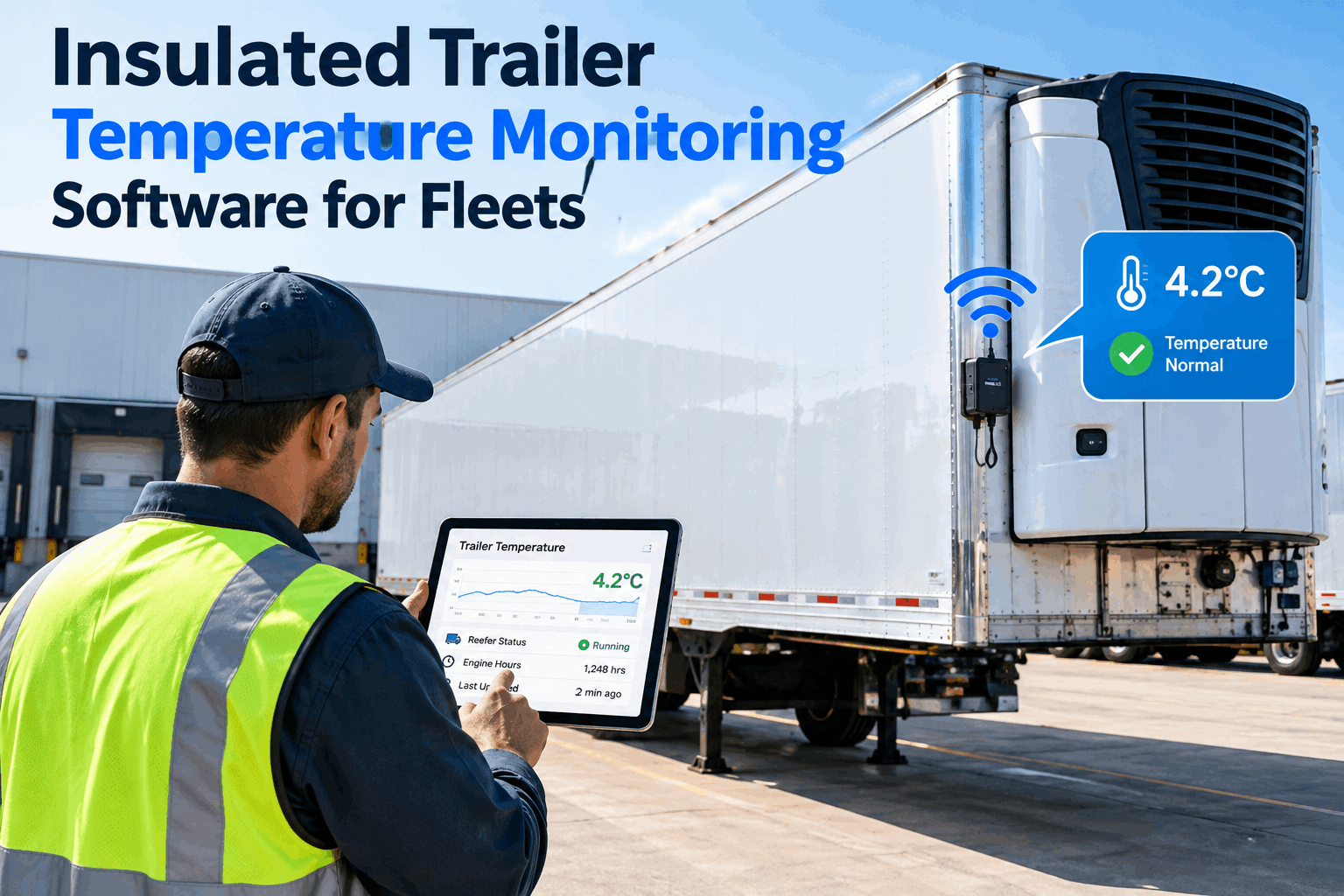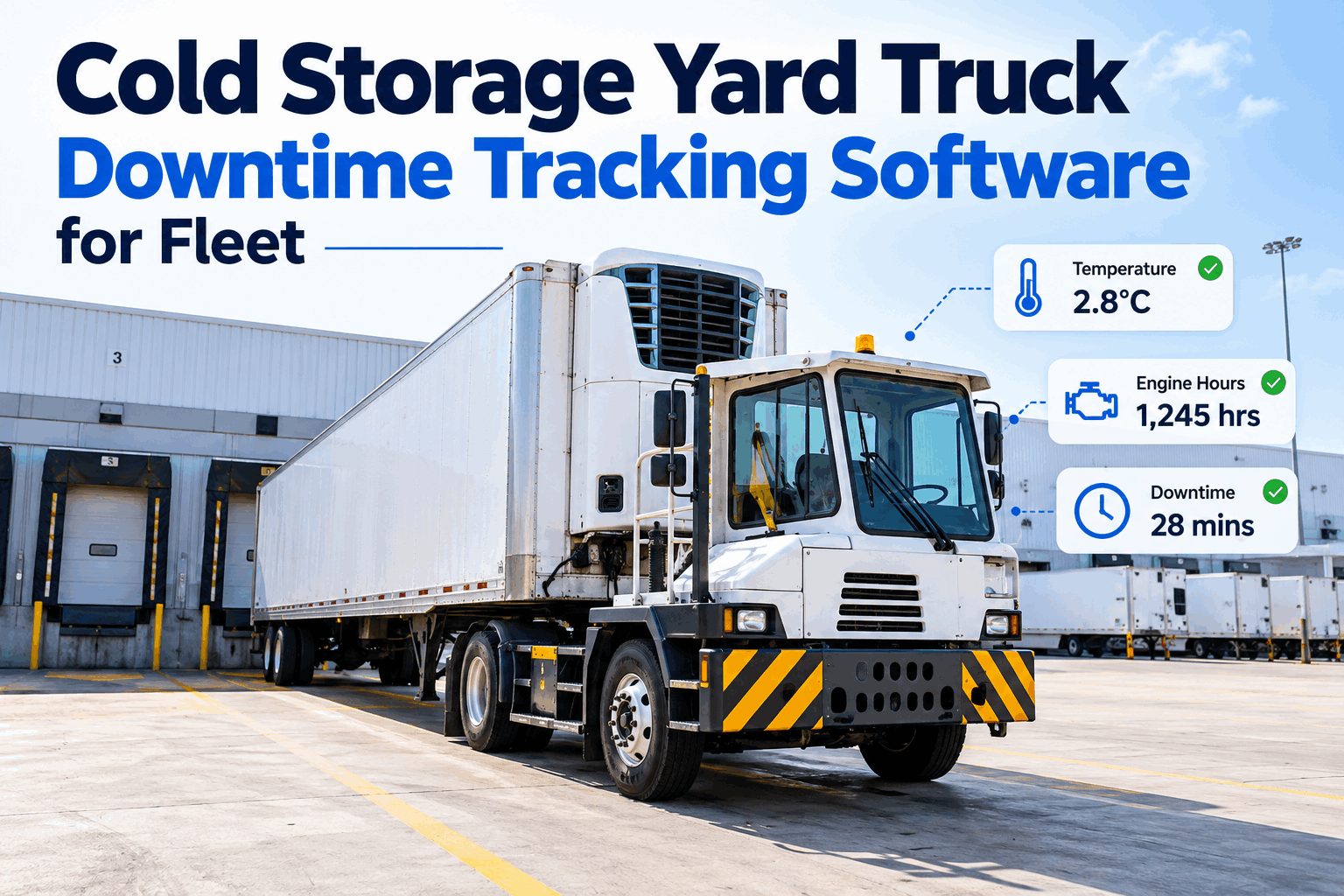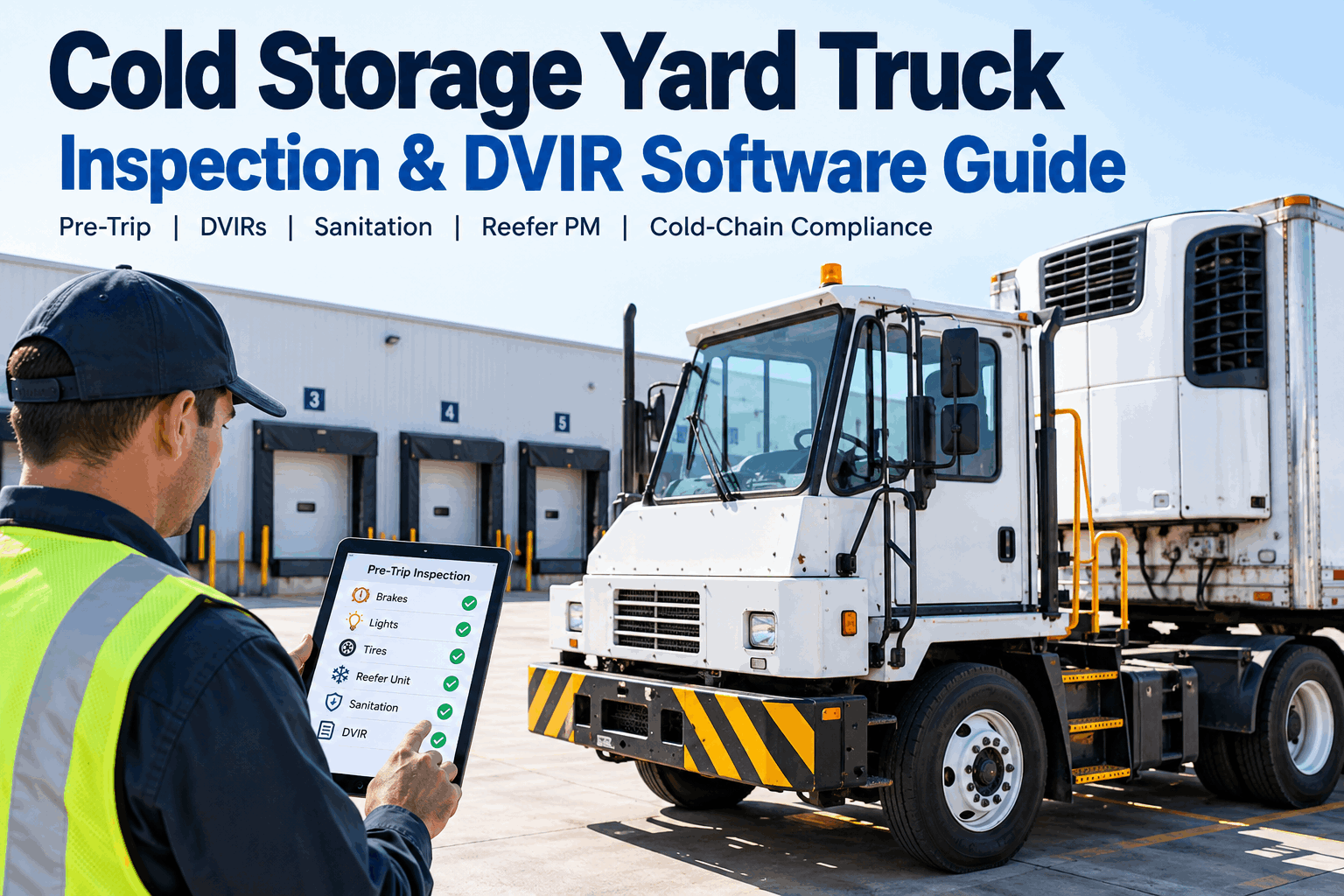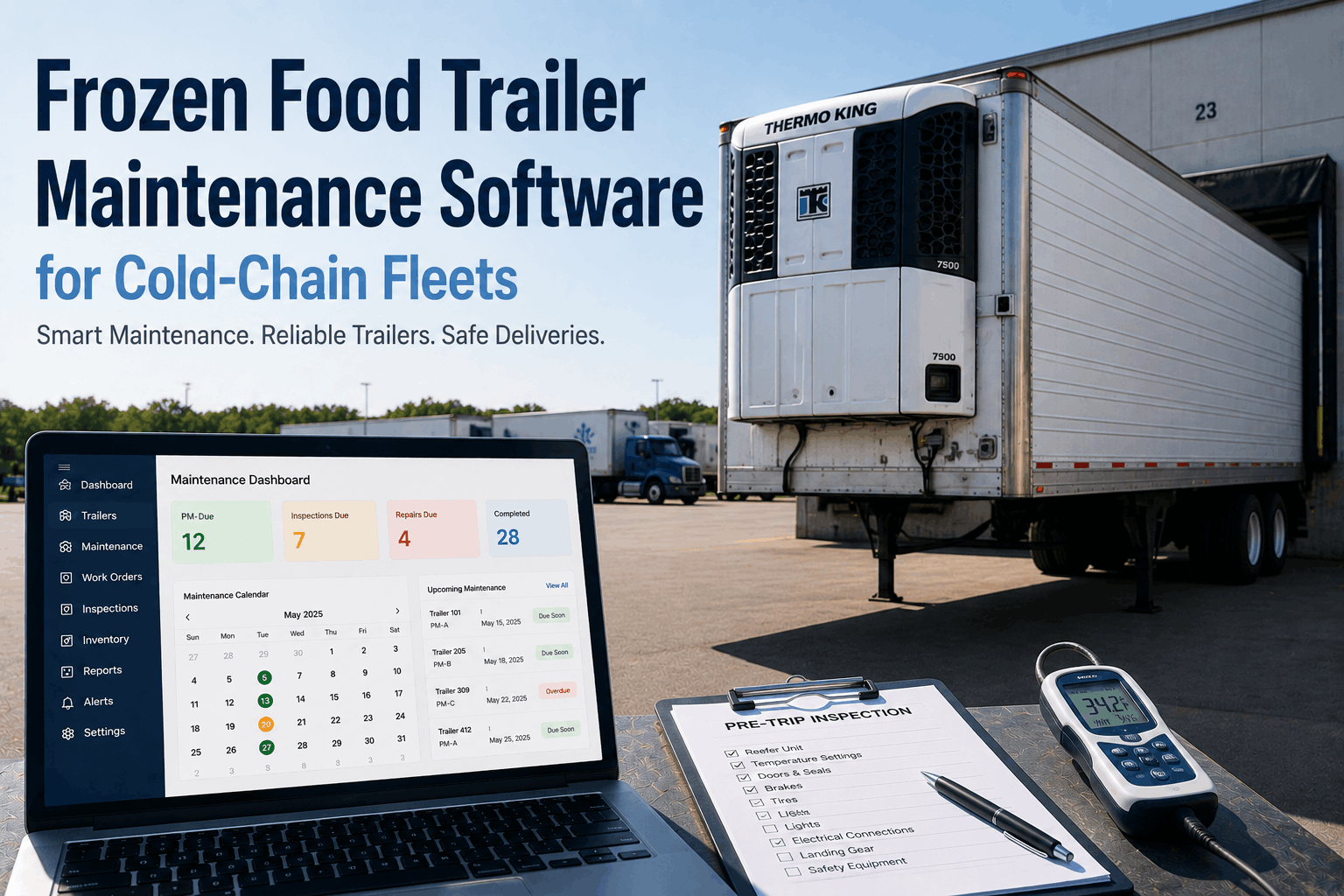
Frozen freight does not forgive the way chilled freight does. A produce load drifting a few degrees above setpoint might still be sellable at the receiving dock. A frozen load that partially thaws and refreezes is compromised the moment it happens, even if the driver never notices and the paperwork looks clean. That gap between "still fine" and "already ruined" is why frozen food trailer maintenance software has to work differently from general reefer tracking, catching problems before the thaw starts rather than after a receiver rejects the load.
Why frozen cargo has zero margin for a slow response
Most cold-chain thinking assumes a gradual failure curve: temperature drifts, someone notices, someone reacts. Frozen cargo breaks that assumption. Once a frozen product's core temperature rises enough to soften and then gets pulled back down, ice crystals reform larger and coarser than before, changing texture and, for many products, food safety status permanently. There is no dock inspection that catches this reliably. The only real defense is never letting the drift happen in the first place, which is why fleets serious about frozen freight tend to sign up for continuous monitoring rather than relying on periodic spot checks.
Catch the drift before the thaw, not after the claim
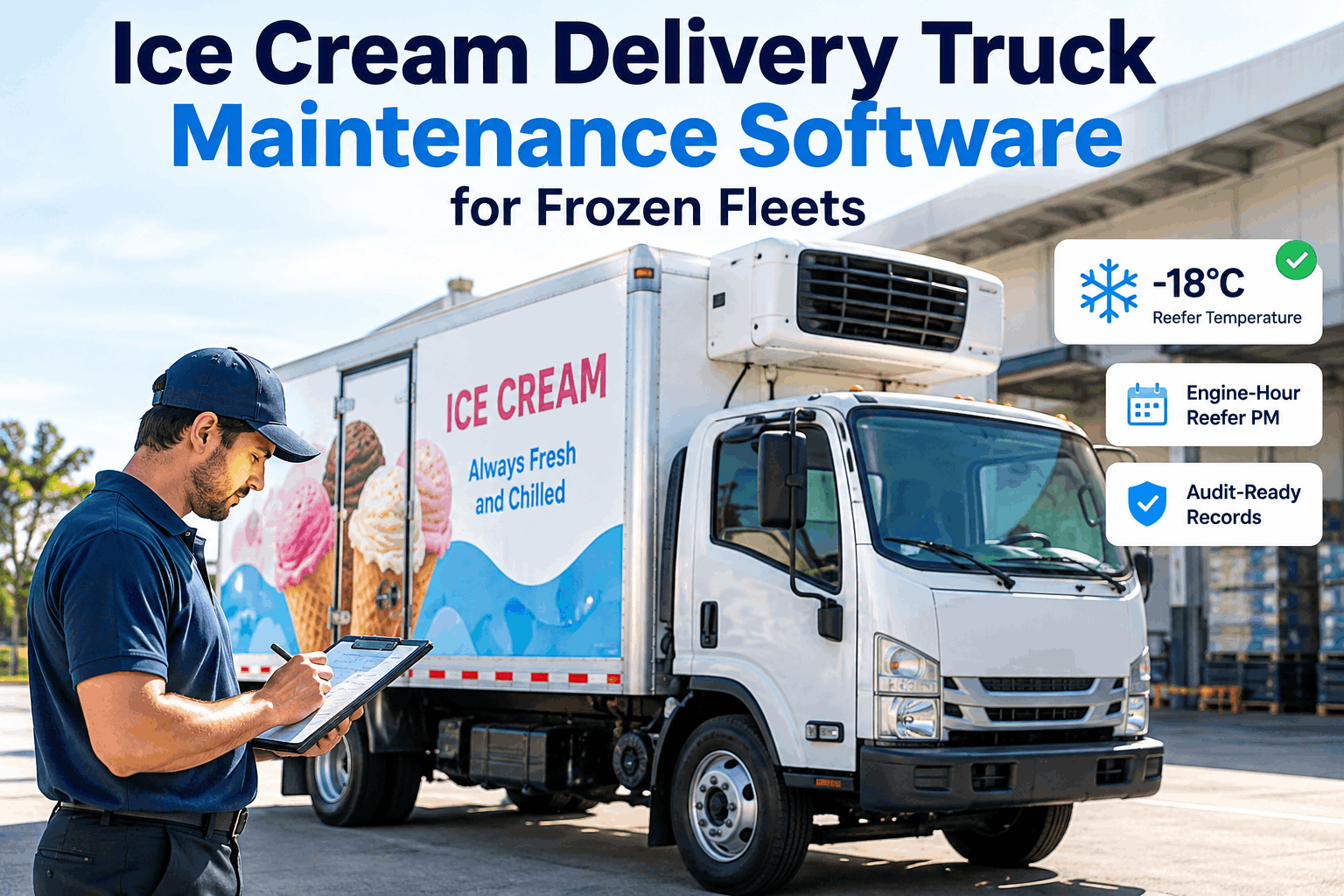
Continuous frozen-zone monitoring, engine-hour reefer PM, and FSMA-ready records in one platform.
The four signals that predict a frozen reefer failure before it happens
None of these four signals look dramatic on their own. Together, tracked over time against a unit's own baseline, they are the earliest possible warning that a frozen trailer is heading toward a failure, often weeks before a driver would ever notice a problem. Fleets ready to see their own units scored this way can sign up and connect existing telematics in a single afternoon.
Defrost cycles are supposed to protect the load, not create risk
Every reefer unit runs periodic defrost cycles to clear ice buildup from the evaporator coil, and during that cycle the box temperature briefly rises. On a well-tuned unit this is invisible to the cargo. On a unit that has drifted out of calibration, defrost cycles run more often than they should, each one adding up to real exposure time above the safe threshold across a long haul. Independent research on cold-chain refrigeration has found that a majority of defrost cycles triggered on fixed schedules turn out to be unnecessary, adding wear and temperature risk without adding protection. Scheduling defrost on demand instead of on a blind timer is one of the clearest wins a book a demo walkthrough can show your team directly.
Turning frozen-fleet data into an audit-ready record
| Requirement | Manual process | FleetRabbit |
|---|---|---|
| Continuous temperature log | Periodic manual spot checks | Automatic capture every trip, every zone |
| Probe calibration record | Tracked on paper, easy to lose | Tied to each PM cycle automatically |
| Deviation response | Found after delivery, if at all | Flagged and logged in real time |
| Retrieval for a claim or audit | Hours to days pulling files | Full trip and service history in minutes |
The most consequential piece of hardware on a frozen trailer often is not the compressor, it is the temperature probe itself. A probe reading even a few degrees off can make a compromised load look compliant on paper right up until a receiver's own measurement disagrees, and at that point the carrier typically owns the claim. Fleets that want that risk closed off are usually the ones ready to sign up and get every probe on a documented calibration cycle.
Give every frozen load a documented, defensible cold chain
Predictive reefer signals, calibrated probes, and audit-ready records working together on every trailer.
Frequently asked questions
Why does a brief temperature rise matter more for frozen cargo than chilled cargo.
A frozen product that partially thaws and refreezes changes texture and safety status permanently, even if the load appears fine on a quick inspection. Chilled cargo generally has more margin before a similar rise becomes a problem.
What is the earliest warning sign of a frozen reefer failure.
Rising compressor amp draw, increasing defrost cycle frequency, abnormal discharge pressure, and slower temperature recovery after door events are the leading indicators, often visible weeks before a driver would notice anything wrong.
Does this replace our existing reefer telematics.
No. FleetRabbit connects to the telematics and sensor data your reefer units already generate and turns it into predictive alerts, engine-hour PM scheduling, and audit-ready records.
How is a mixed load of frozen and chilled product handled.
Each compartment or zone gets its own independent temperature threshold and alert profile, since a breach in one zone can otherwise go unnoticed until a customer complaint surfaces it.
How quickly can a frozen-food fleet get set up.
Most fleets are live within days, since the platform connects to existing reefer telematics rather than requiring new hardware across the board.