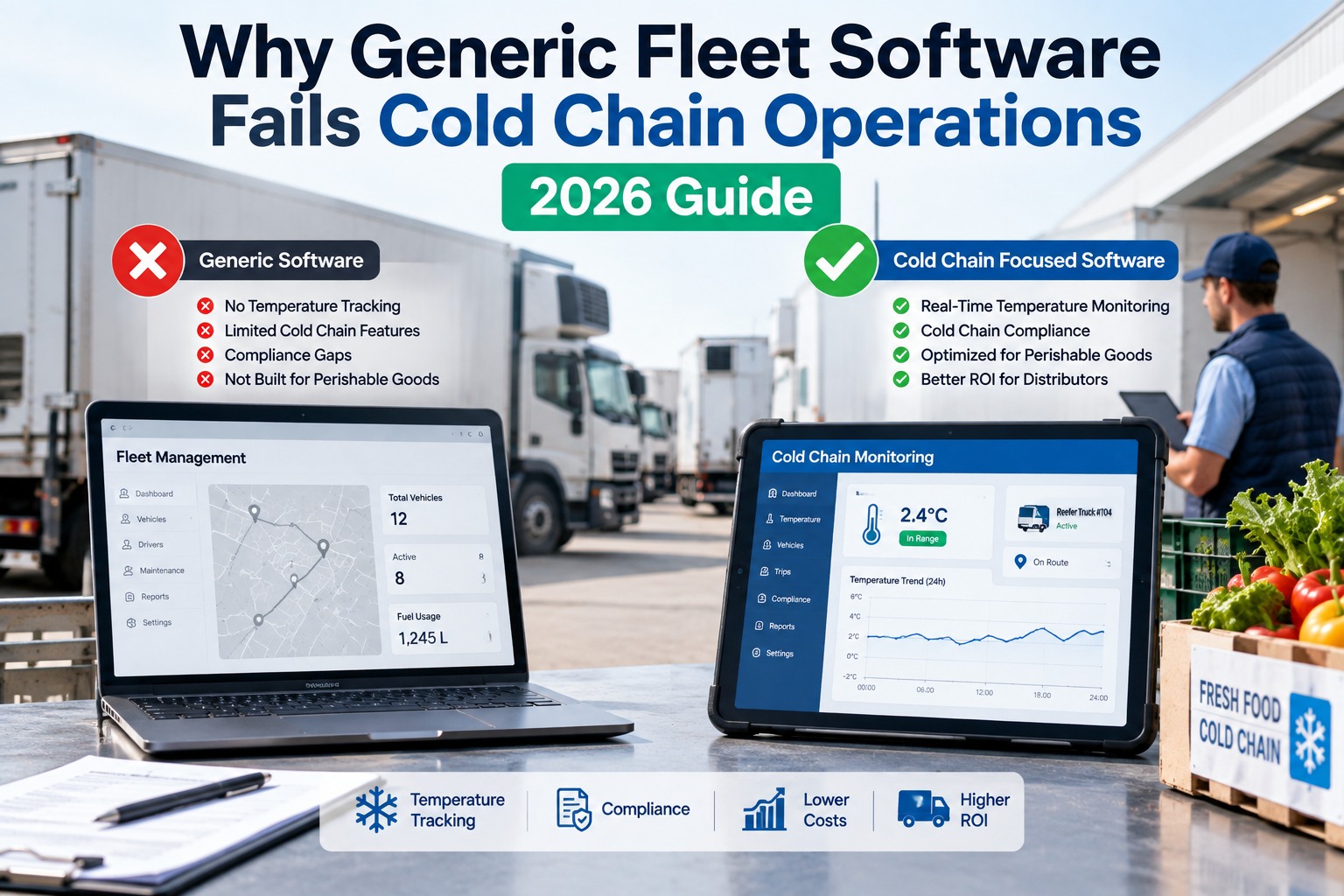
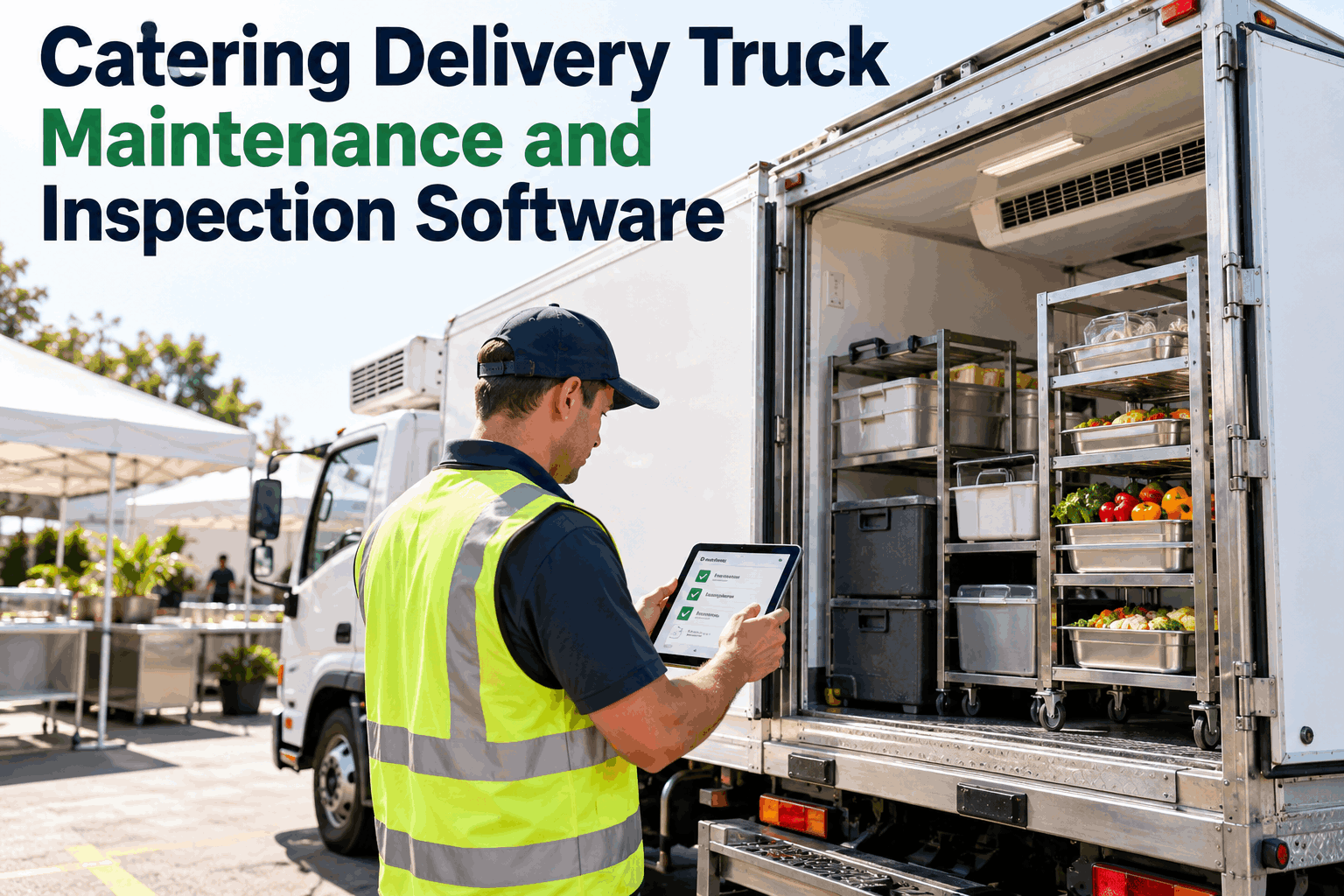
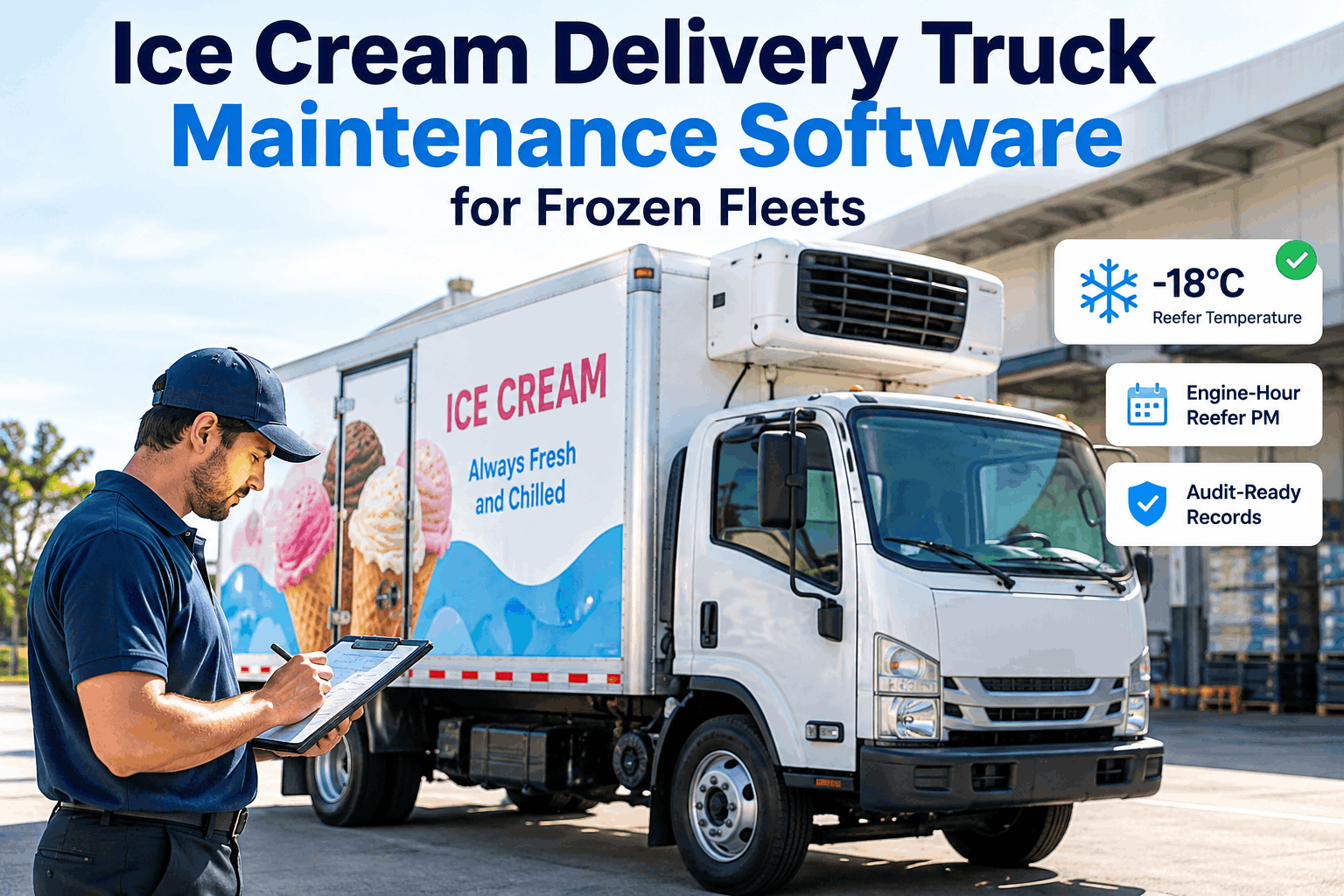
Refrigerated food distributors, dairy logistics directors, and cold-chain supply leads frequently attempt to run perishable operations on generic fleet tracking software—only to suffer catastrophic pallet rejections, rejected FDA audits, and premature compressor failures. Generic platforms are built for dry freight: they track tractor odometer miles, fuel consumption, and GPS pins, but remain blind to independent reefer diesel run-hours, defrost cycle fluctuations, and multi-zone temperature deviations. When trailer sanitation certificates, pre-cooling logs, and compartment sensor feeds live on paper sheets separate from generic tracking dashboards, distributors absorb costly cargo claims and receiver disputes. Fleet Rabbit delivers dedicated cold-chain fleet management software that bridges real-time microclimate sensors, engine-hour reefer preventive maintenance (PM), mobile trailer washout checklists, and one-click FSMA audit reporting into a single platform. Stop treating high-liability refrigerated units like dry vans, eliminate perishable cargo write-offs, and ensure seamless delivery-dock compliance across every route. Book a Demo to see our specialized cold chain platform in action.
2026 Executive Evaluation Blueprint
Why Generic Fleet Software Fails Cold Chain Operations: 2026
An in-depth comparative guide for perishable logistics executives: uncover why standard vehicle tracking platforms fail refrigerated fleets, evaluate true total cost of ownership, protect perishable margins, and automate FDA FSMA 21 CFR compliance.
Dry Van vs. Reefer Telematics
Compressor Engine-Hour PM
1-Click FSMA Audit Packets
52%
Fewer Reefer Seizures
Maintenance driven by compressor operating hours rather than truck miles.
< 30s
Real-Time Drift Alerts
Instant mobile push and SMS notifications when thermal thresholds drift.
$5
Per Asset / Month
Transparent cold-chain subscription with zero custom integration surcharges.
Stop Risking High-Value Perishable Freight on Dry Van Tracking Software
Eliminate roadside compressor burnouts, automate trailer sanitation walkarounds, and provide receiving docks with unalterable transit temperature logs.
Sign up for your free trial or
book a demo to view our live cold-chain telemetry dashboard.
The 4 Fatal Blind Spots of Generic Fleet Software in Refrigerated Logistics
Standard fleet software is architected for simple vehicles transporting dry goods. When forced into cold-chain distribution, four structural deficiencies consistently cause spoilage, regulatory failures, and elevated maintenance costs.
01
Tractor Odometer vs. Reefer Hour Disconnect
Generic GPS tracks truck odometer mileage. However, reefer diesel units run continuous high-rpm hours during stationary pre-cooling and extended dock loading. Mileage-based maintenance schedules miss acute oil breakdown and drive belt wear, triggering sudden compressor seizures on the highway.
02
Delayed Batch Pings vs. Sub-Second Thermal Alarms
Standard trackers batch breadcrumbs every 15 to 30 minutes to conserve server bandwidth. In deep-freeze ice cream or fresh meat haulage, a thermal failure, frozen coil, or open rear door destroys product integrity within 10 minutes—long before a generic tracker issues an update.
03
Zero Integrated FSMA Sanitation Verification
Generic platforms offer basic commercial vehicle DVIR checklists that lack sanitary wash-out logs, chemical sanitization verification, and allergen clearance sign-offs. This forces operators back to paper clipboards that fail receiver audits and violate FDA mandates.
04
Inability to Resolve Receiving Dock Disputes
When supermarket receivers reject pallets due to core pulp temperature probes, generic software cannot produce instant, cryptographic time-temperature reports showing pre-cooling and transit graphs, forcing carriers to swallow unjustified cargo rejection losses.
Purpose-Built Cold Chain Architecture: What Distributors Actually Need
Fleet Rabbit bridges telematics diagnostic telemetry, independent refrigeration microprocessors, and food safety inspection workflows into an integrated operations hub. Book a demo to inspect our cold-chain capabilities.
A
Independent Reefer Engine-Hour & Standby PM Engine
Capture actual compressor operating hours and electric standby runtime decoupled from truck chassis miles. Automatically trigger lubrication services, drive belt tensioning, and compressor valve overhauls based on true mechanical strain.
Sign up to automate your reefer maintenance schedules.
B
Continuous Multi-Zone Microclimate Telematics & Alarms
Monitor multi-temperature bulkheads simultaneously (e.g., deep-freeze -10°F, chilled dairy 34°F–38°F, and fresh produce 45°F–50°F) with instant automated alerts triggered the second compartments deviate from user-defined safety windows.
C
Digital Pre-Cooling & Trailer Washout Passports
Drivers complete pre-trip sanitary checks on mobile devices, documenting interior washouts, sanitizer concentration (PPM), and pre-cooling temperature verification with photo proof before dispatch marks the trailer cleared for loading.
D
Instant Point-of-Delivery Chain-of-Custody PDF Exports
Drivers generate tamper-proof, timestamped temperature PDF reports right from their smartphones, handing supermarket receiving managers cryptographic proof of continuous cold-chain compliance in under 30 seconds.
E
Closed-Loop Defect-to-Shop Repair Triage
When a driver flags damaged door thermal gaskets, defective evaporator fans, or refrigerant leaks, the platform instantly marks the trailer as non-dispatchable and routes a prioritized work order to shop technicians.
F
Offline-First Mobile Operation for Remote Depots
Drivers and yard technicians can complete sanitation walkarounds, record core pulp temperatures, and assign parts inside underground cold storage or rural packing sheds without cellular service; data auto-syncs upon reconnection.
Compliance Standards & Food Safety Regulatory Framework
Our purpose-built cold-chain fleet software aligns with federal food safety transportation rules and global food distribution benchmarks. Book a demo to examine our regulatory compliance tools.
FDA FSMA Rule
21 CFR Part 1 Subpart O
Enforces sanitary transportation requirements by maintaining unalterable digital vehicle cleanliness walkarounds, pre-cooling logs, and electronic temperature tracking records archived for up to 12 months.
HACCP & HARPC
Critical Control Points (CCPs)
Automates continuous temperature monitoring across loading, transit, and unloading points, generating automated corrective action work tickets whenever thermal boundaries are breached.
PACA Fair Trade
Perishable Produce Protection
Equips wholesale distributors with verifiable transit temperature graphs to defend against unjustified dockside produce rejections and resolve carrier payment disputes rapidly.
GFSI & SQF Standards
Storage & Distribution Audits
Structures preventative maintenance histories, evaporator hygiene inspection ledgers, and sanitation sign-offs to consistently achieve top-tier vendor certification ratings.
Comparative Evaluation: Generic Fleet GPS vs. Fleet Rabbit
Review how specialized cold-chain software eliminates perishable cargo losses and mechanical downtime compared to generic vehicle tracking tools. Sign up now to explore all platform features.
The 4-Step Migration Blueprint from Generic Software to Fleet Rabbit
Upgrade your fleet from generic tracking tools to dedicated cold-chain management without interrupting active delivery schedules. Book a demo to plan your migration steps with our specialists.
Phase 1
Reefer & Sensor Ingestion
Upload refrigerated trailers, straight trucks, temperature sensor IDs, and driver rosters using standardized CSV templates in minutes.
Phase 2
Thermal Range & PM Setup
Configure compartment safety thresholds (e.g., dairy 34°F–38°F vs. frozen -10°F) and runtime intervals for compressor lubrication.
Phase 3
Driver Mobile Onboarding
Equip drivers with our mobile app for paperless pre-cooling checks, trailer sanitation sign-offs, and instant point-of-delivery PDF exports.
Phase 4
Live Telematics & Audit Launch
Activate live thermal monitoring, automated reefer diagnostic work orders, and instant one-click regulatory audit reporting.
Customer Case Study: Valley Fresh Foods Distribution
Learn how a regional perishable food distributor replaced generic GPS software and eliminated cargo rejection claims across 28 refrigerated trucks.
Cold Chain Case
0
Rejected Pallet Deliveries
$64,000
Annual Spoilage & Tow Savings
100%
FSMA Inspection Pass Rate
Regional Food Distributor Eliminates Cargo Spoilage Losses Across 28 Units
Operating 28 refrigerated straight trucks delivering fresh dairy, meat, and produce to regional grocers, Valley Fresh Foods relied on a popular commercial fleet GPS tracker. Because the software only tracked vehicle odometer miles, an auxiliary reefer engine failed to receive an oil service, resulting in a blown compressor and $32,000 in spoiled seafood mid-route. Furthermore, generic inspection sheets failed a state FSMA spot-check.
After deploying Fleet Rabbit, the distributor automated reefer PM based on compressor run-hours and equipped drivers with mobile pre-cooling and sanitation checklists. In-service reefer failures plummeted by 52%, rejected loads fell to zero, and instant PDF delivery logs eliminated customer payment disputes entirely. Sign up to achieve similar cold chain results for your fleet.
Frequently Asked Questions
Why is odometer-based maintenance dangerous for refrigerated trailers?
Reefer diesel engines operate independently of the truck's chassis, often running for hours while stationary during pre-cooling or loading dock delays. Using vehicle odometer mileage to schedule maintenance ignores hundreds of hours of actual compressor wear, resulting in oil breakdown, alternator failures, and sudden compressor seizures on the highway.
Book a demo to view our engine-hour tracking workflows.
How does Fleet Rabbit automate FDA FSMA Sanitary Transportation compliance?
Fleet Rabbit digitizes all critical requirements of 21 CFR Part 1 Subpart O. This includes mandatory pre-trip pre-cooling documentation, trailer wash-out verification with photo proof, and automated continuous temperature tracking archived for instant one-click regulatory export.
What happens if cargo temperatures deviate from safe thresholds during transit?
When compartment temperatures exceed user-defined safety limits (such as rising above 38°F for dairy or 0°F for deep freeze), Fleet Rabbit triggers immediate mobile push notifications and SMS alerts to the driver and dispatch room, while simultaneously generating a prioritized repair work order.
Can drivers perform inspections and export delivery reports without cellular reception?
Yes. Fleet Rabbit features an offline-first mobile architecture. Drivers can complete pre-trip inspections, record pre-cooling temperatures, take photos of clean trailer interiors, and export PDF transit reports inside underground warehouse docks or rural routes without cellular service. All data auto-syncs once reconnected.
Sign up free to test our offline mobile app.
What are the pricing plans and contract commitments for cold-chain fleets?
Fleet Rabbit is priced at a transparent rate of $5 per asset per month billed annually, offering full access to reefer engine-hour maintenance, temperature telemetry, FSMA compliance reporting, and mobile driver tools. We provide a 14-day free trial on up to 3 vehicles with zero setup fees or long-term contract lock-ins.
Start your free trial today.
Ready to Move Beyond Generic Software and Protect Your Cold Chain?
Automate reefer engine-hour maintenance, eliminate cargo rejection claims, and ensure audit-ready FSMA compliance for just $5/asset/month.
September 19, 2026
By Mark
All Posts