Selecting enterprise cold chain fleet management software requires operations executives, fleet directors, and food logistics managers to navigate complex technical trade-offs across real-time temperature telemetry, transport refrigeration unit (TRU) bi-directional controls, food safety compliance, and software procurement costs. Modern perishable logistics operations cannot afford blind temperature spots, unrecorded cargo door openings, or delayed compressor diagnostic alarms that lead to cargo loss, broken distributor agreements, or severe regulatory citations under FDA FSMA Rule 204. When selecting a software partner, food and beverage distributors must evaluate whether a solution supports wireless multi-zone sensor connectivity, provides open hardware flexibility, and interfaces smoothly with existing warehouse management systems (WMS) and route dispatch software. To evaluate how our platform simplifies cold chain management, book a live consultation demo with our cold chain engineering team or begin configuring your reefer fleet immediately through our free account sign up.
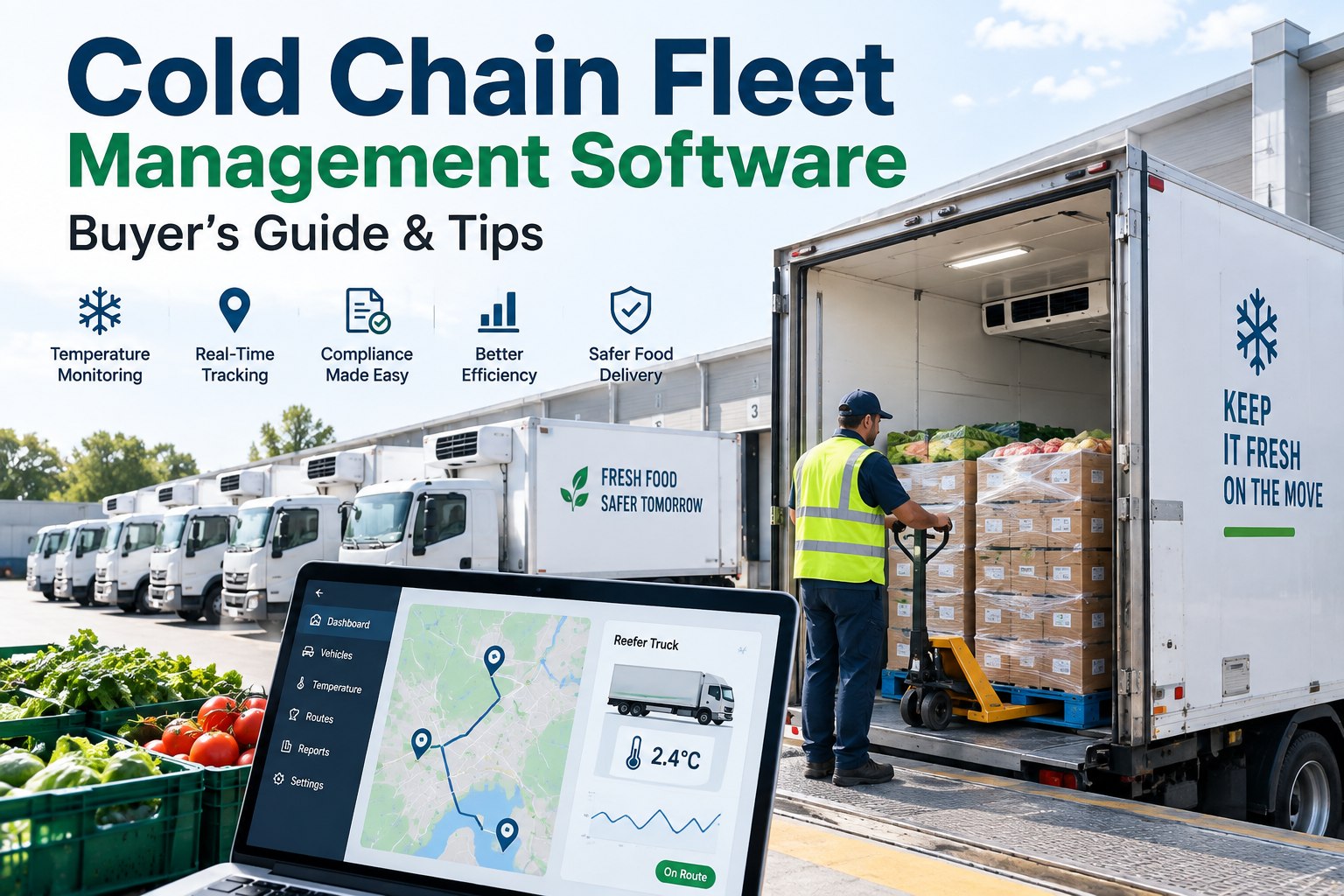
Cold Chain Fleet Management Software: Buyer's Guide & Tips
Learn how to choose cold chain fleet software with confidence. Compare core monitoring features, two-way reefer commands, total cost of ownership models, and rollout strategies tailored for commercial food distributors.
Prioritize wireless Bluetooth Low Energy (BLE) temperature and humidity sensors over hardwired cables. Ensure support for discharge air, return air, and pulp core readings across deep-freeze, chilled, and ambient compartments.
Look beyond read-only sensor data. True operational control requires bi-directional command over Thermo King and Carrier Transicold microprocessors to adjust setpoints, trigger defrost cycles, and clear non-critical alarms remotely.
Ensure the system automates electronic proof-of-delivery (e-POD), geofenced delivery timestamps, and unbroken digital temperature audit trails to comply with federal 24-hour trace-back mandates without manual paperwork.
Reject vendors requiring mandatory multi-year contracts, costly proprietary telematics modems, or high per-seat software licensing fees. Insist on open-standard telematics, monthly billing options, and accessible mobile driver tools.
Choose the Right Cold Chain Platform Without Proprietary Vendor Lock-In
Discover how open telematics, automated reefer preventative maintenance, and continuous temperature monitoring protect food distribution margins. Start free or speak with our solution architects today.
Essential Evaluation Pillars for Food and Beverage Fleet Executives
Procuring refrigerated fleet software involves much more than buying basic vehicle GPS tracking. Food distribution operations manage high-value, perishable cargo where an unnoticed 3-degree temperature excursion or a broken cargo door seal ruins thousands of dollars in fresh meat, seafood, dairy, or produce. Fleet buyers must assess how potential platforms correlate live ambient conditions, door open durations, and auxiliary refrigeration unit engine run hours. Selecting an agile system with real-time exception alerting allows dispatchers to intervene while a truck is en route, preventing costly receiving dock rejections. Perishable logistics directors can review our operational diagnostic tools by scheduling a personalized software walkthrough demo or configure test multi-temp parameters directly through our quick platform sign up.
Continuous Multi-Zone Temperature Telemetry
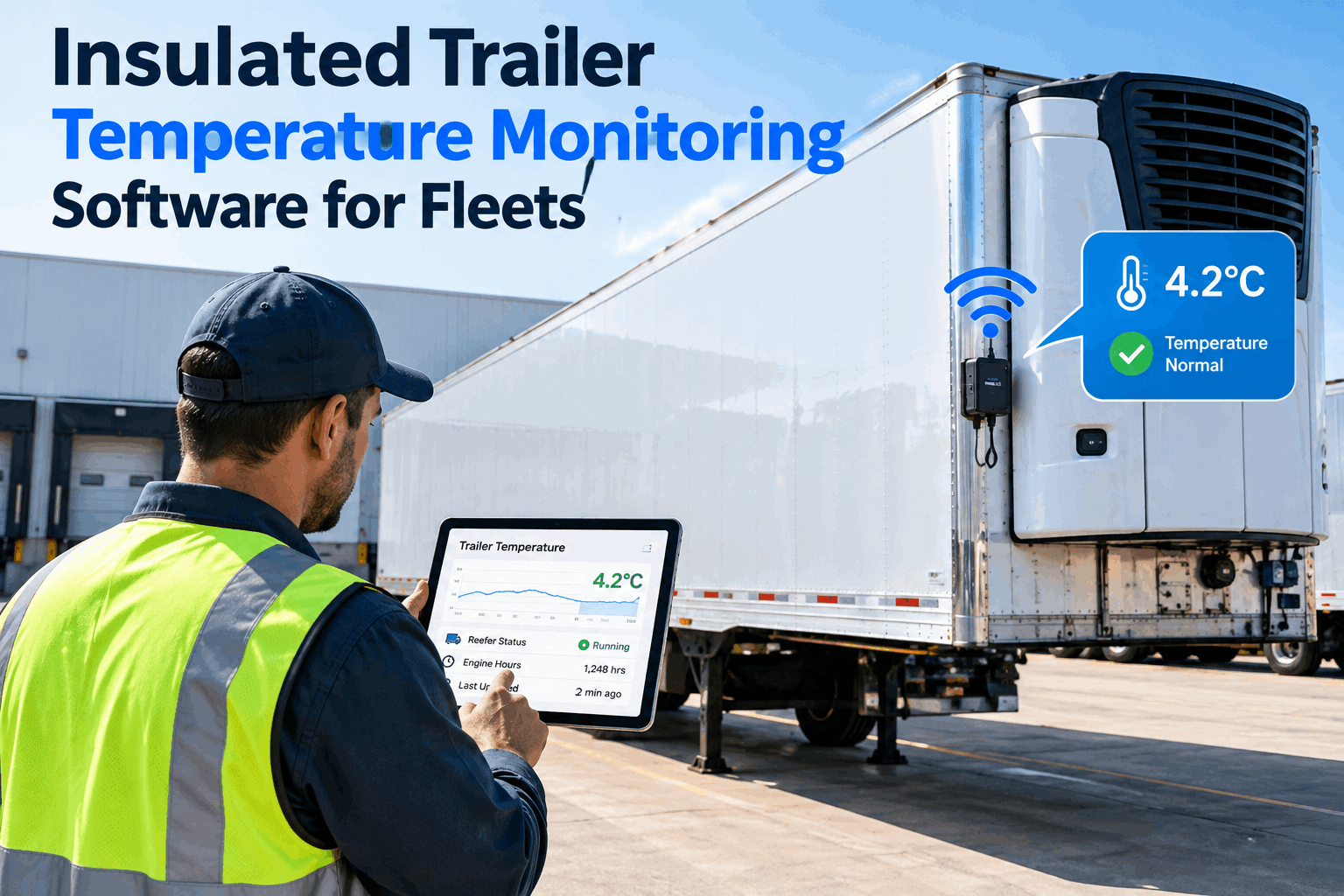
Refrigerated trailers with movable bulkheads require flexible compartment monitoring. Look for solutions using industrial wireless BLE probes that record discharge air, return air, and simulated core temperatures independently across deep-freeze, chilled, and fresh compartments.
Bi-Directional Controller Command
Read-only telematics leaves dispatchers powerless during field emergencies. Verify that the software communicates two-way with Carrier Transicold and Thermo King controllers, allowing dispatch to update setpoints, switch continuous to cycle-sentry, or initiate manual defrost cycles remotely.
Predictive TRU Engine-Hour Maintenance
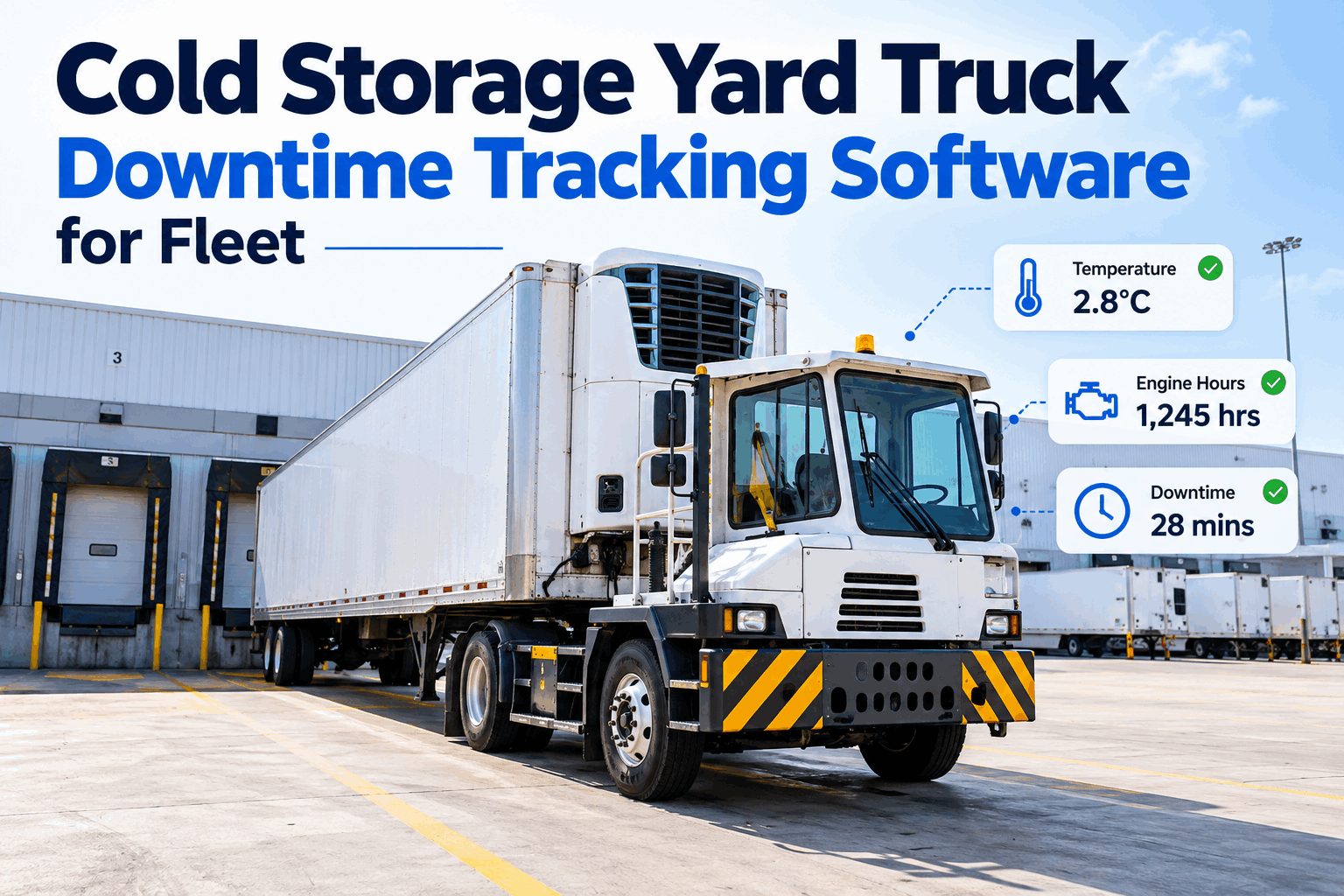
Transport refrigeration units undergo severe mechanical stress and vibration. Software with built-in CMMS maintenance functionality tracks auxiliary diesel run hours and diagnostic trouble codes (DTCs), generating automated shop work orders for belts, fluids, and compressors.
Regulatory Compliance & FSMA 204 Ledgers
FDA Food Safety Modernization Act regulations demand comprehensive electronic traceability. Ensure the platform compiles timestamped digital trip dossiers linking continuous temperature charts, door-open durations, driver inspection records, and customer sign-offs.
Direct Comparison: Outdated Legacy Telematics vs. Modern Cold Chain Platforms
When selecting cold chain management software, operations teams must weigh expensive multi-year contracts, costly black-box hardware, and complex training schedules against flexible, cloud-native alternatives. Review how traditional legacy providers compare directly against FleetRabbit's open, connected cold chain platform. Enterprise buyers can evaluate our flexible pricing tiers by requesting an executive software evaluation demo or explore our pre-configured fleet dashboard via instant platform sign up.
| Evaluation & Architecture Dimension | Legacy Reefer Hardware Vendors | FleetRabbit Modern Cold Chain Platform | Distributor Advantage |
|---|---|---|---|
| Software Subscription Cost | $22 - $40 / vehicle / month | Starting at $3 / vehicle / month | Saves up to 80% on annual software recurring spend |
| Hardware Ingestion Architecture | Proprietary hardware modems ($600+ / box) | Hardware-agnostic (BLE, J1939, OBD-II, Mobile) | Zero upfront proprietary hardware outlays |
| Contract Flexibility | Rigid 36 to 60-month lock-in contracts | Month-to-month flexibility • Cancel anytime | Eliminates long-term vendor lock-in risk |
| Reefer Controller Interface | Read-only basic telemetry or costly add-ons | Bi-directional Carrier & Thermo King commands | Remote setpoint changes and alarm resets from dispatch |
| Auxiliary Fuel & IFTA Tracking | Manual calculations or estimated metrics | Automated off-road reefer fuel tax credits | Recovers up to $1,850/trailer in annual tax credits |
| Implementation & Onboarding | 8 to 16 weeks with certified technician visits | Self-onboarding in under 14 business days | Rapid time-to-value across active delivery routes |
4-Stage Step-by-Step Software Selection & Rollout Roadmap
Deploying new cold chain fleet software across refrigerated trailers and multi-stop delivery vehicles requires a structured, low-risk process that protects daily warehouse and delivery operations.
Fleet Equipment Audit
Assess current tractor telematics, trailer refrigeration microprocessors (Thermo King SR-3/SR-4, Carrier APX/Advance), and interior bulkhead configurations. Choose an open system that unifies existing assets.
Wireless Sensor Setup
Attach industrial wireless BLE temperature and humidity probes inside trailer compartments and mount magnetic door sensors. Configure setpoint profiles and alert thresholds based on customer requirements.
Driver & Dispatch Pilot
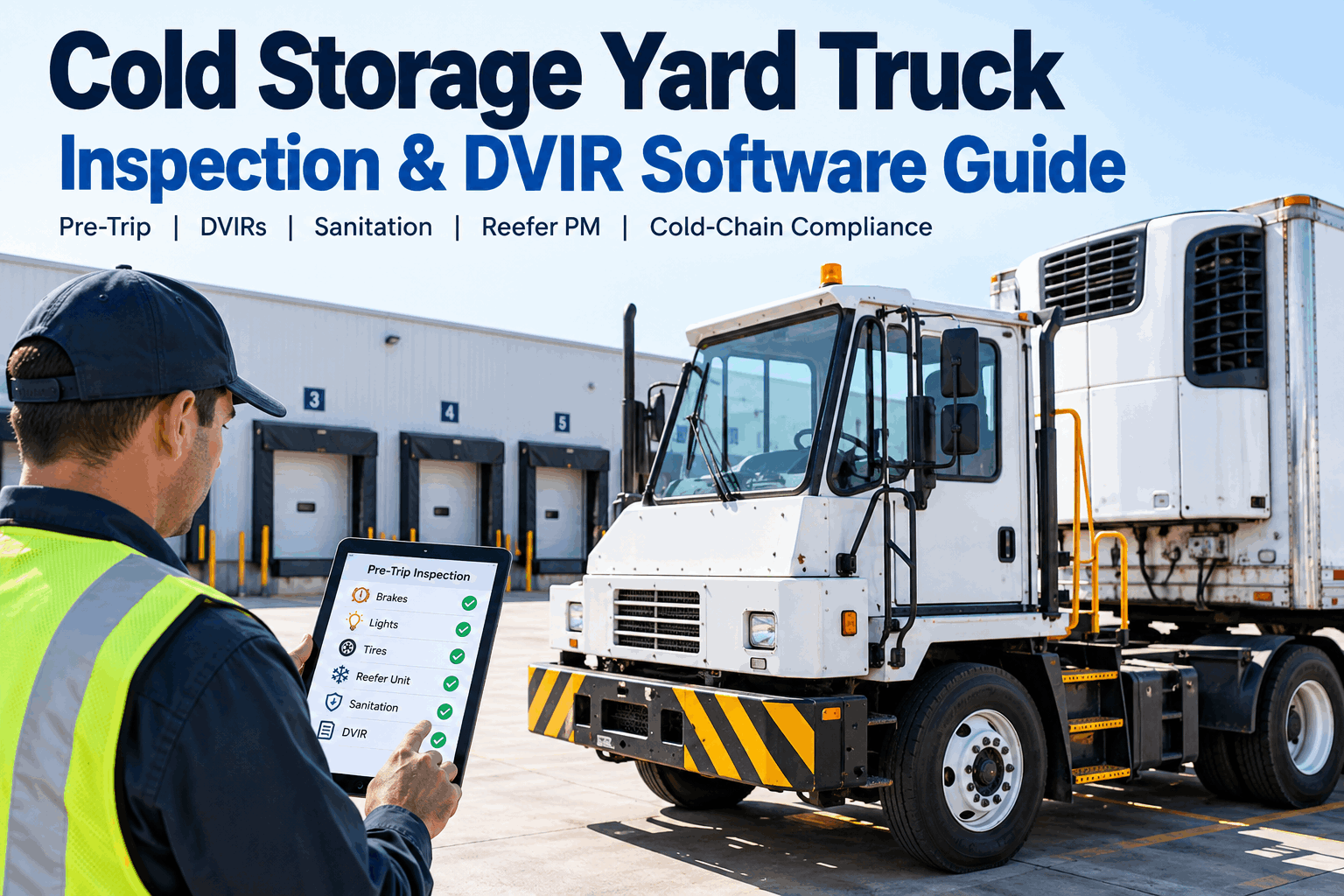
Equip field drivers with the mobile driver app for pre-trip eDVIR walkarounds, cargo barcode scanning, and digital proof-of-delivery sign-offs. Run pilot routes alongside legacy systems to validate data accuracy.
WMS, TMS & ERP Sync
Connect automated temperature logs, delivery timestamps, and auxiliary fuel consumption records directly to enterprise WMS, TMS, and accounting systems using standard REST APIs and webhooks.
Total Cost of Ownership: Where Unmonitored Cold Chains Bleed Profit
Operating refrigerated trailers without connected software leads to hidden operational drains, including excessive reefer pre-cool idling, unclaimed off-road fuel tax credits, and unmonitored compressor wear. Uncovering these hidden expenses helps logistics directors build a clear business case for software adoption before executive committees. Calculate your fleet's exact cost recovery by booking a one-on-one consultation demo or initiate platform onboarding directly via our rapid platform sign up.
Top Causes of Cold Chain Fleet Budget Drain
Key Platform Capabilities
Works with open-standard wireless BLE sensors, existing tractor telematics, or standard smartphones.
Direct two-way serial communication compatible with Carrier Transicold and Thermo King microprocessors.
Compiles tamper-proof temperature charts, door-open durations, and delivery signatures for instant FSMA audits.
ROI & Investment Payback Framework for Food Logistics
When selecting cold chain fleet software, executive leadership must evaluate both immediate cost savings and long-term operating resilience. FleetRabbit delivers quantifiable financial return across fuel, labor, vehicle maintenance, and customer retention metrics.
Auxiliary Fuel ROI
Automated pre-cooling countdown timers prevent empty trailers from idling for hours on terminal cross-docks, cutting auxiliary diesel consumption by up to 28%. Automated off-road consumption ledgers unlock full state and federal IFTA fuel tax credits.
Zero Load Refusals
Predictive core temperature modeling alerts dispatchers before sensitive cargo approaches critical thresholds. Geofenced electronic proof-of-delivery verifies compartment temperatures at the exact second of customer transfer, eliminating false rejection claims.
Predictive Asset Protection
Engine-hour counters and diagnostic trouble code (DTC) monitoring trigger proactive maintenance work orders for drive belts, compressor oil, and evaporator fans, avoiding catastrophic roadside breakdowns.
Frequently Asked Questions: Buyer's Guide & Selection Tips
What key technical features should food distributors look for when evaluating cold chain software?
Food distributors should focus on four core capabilities: wireless multi-zone sensor probe connectivity, bi-directional command over Thermo King and Carrier microprocessors, integrated CMMS preventative maintenance triggered by reefer engine hours, and automated FDA FSMA Rule 204 electronic audit trail compilation.
How does bi-directional reefer control help prevent cargo loss?
Bi-directional control allows dispatchers to adjust setpoints, initiate defrost cycles, and clear non-critical alarms remotely from the central web console. If a driver accidentally sets an incorrect temperature or a unit triggers an alarm mid-route, dispatch can resolve the issue immediately without waiting for the driver to pull over.
Can our fleet use existing telematics without purchasing proprietary hardware?
Yes. FleetRabbit's hardware-agnostic platform connects with existing tractor telematics gateways, factory OEM modems, or standalone wireless Bluetooth Low Energy (BLE) temperature probes, eliminating the need to purchase expensive proprietary black boxes.
How does the software streamline FDA FSMA Rule 204 compliance audits?
FSMA Rule 204 requires comprehensive digital traceability records across Critical Tracking Events. FleetRabbit records and stores immutable, timestamped data points—including GPS coordinates, compartment temperatures, door-open durations, and digital delivery signatures—in the cloud, allowing compliance managers to export certified electronic audit dossiers in under two minutes.
Upgrade Your Cold Chain Fleet Operations with Confidence Today
Eliminate load rejections, optimize auxiliary reefer maintenance, and maintain 100% regulatory compliance across every route. Experience FleetRabbit today with zero proprietary hardware lock-in.