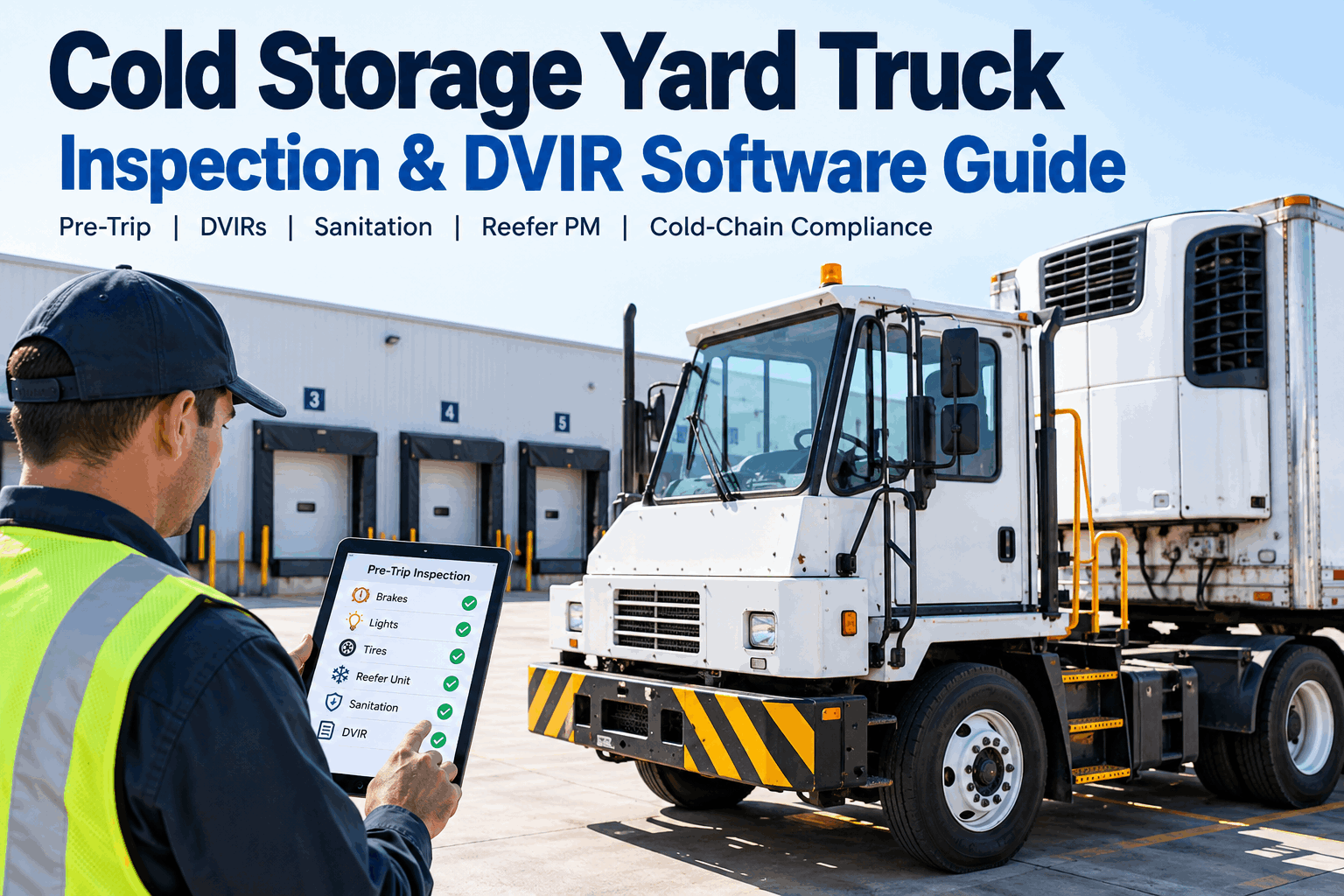
Commercial meat purveyors, seafood processors, and cold-chain protein distributors operate under non-negotiable biosecurity and thermal thresholds: preventing surface bacterial blooms like Salmonella or Listeria, eliminating histamine formation in wild-caught fish, and strictly upholding USDA-FSIS and FDA FSMA Sanitary Transportation mandates. When reefer compressor runtimes, multi-temp core probe records, automated defrost recoveries, and certified trailer wash-out receipts are handled via scattered paper clipboards or basic GPS telematics, protein fleets face dockside pallet rejections, catastrophic cargo write-offs, and compliance penalties. Fleet Rabbit provides dedicated meat and seafood distributor fleet management software that unites real-time compartment microclimate telemetry, automated engine-hour refrigeration PM, and digital bio-sanitation logs into one continuous operations center. Guarantee deep-chill protein integrity, accelerate driver receiving handoffs, and ensure complete regulatory audit defense across every mile. Book a Demo to inspect our specialized meat and seafood distributor workflows.
ASYMMETRIC CONTROL-TOWER HERO
USDA-FSIS & Seafood HACCP Compliant
Fleet Management Software for Meat and Seafood Distributors
Engineered for high-liability refrigerated protein transport: combine real-time continuous core temp telemetry, automated engine-hour reefer maintenance, and audit-ready sanitation passports.
28°F – 32°F
Zero-tolerance histamine inhibition logging
-10°F – 0°F
Continuous sub-zero compressor verification
99.9%
Instant point-of-delivery PDF audit trails
COMPACT CTA STRIP 1
Zero Temperature Drift. Zero Rejected Meat & Seafood Cargo.
Fleet Rabbit tracks independent reefer engine wear, triggers proactive service intervals, and produces audit-ready sanitary records on driver mobile devices.
SECTION 1: BIO-RISKS (DIAGNOSTIC TILES)
Why Generic Telematics Fails Meat and Seafood Logistics
Transporting fresh beef, poultry, and wild-caught seafood carries extreme liability. Traditional vehicle GPS systems track standard odometer miles and engine diagnostic trouble codes, ignoring the critical auxiliary mechanics and biological risks governing refrigerated protein haulage.
01
Histamine & Scombroid Toxin Proliferation
Tuna, mahi-mahi, and mackerel produce hazardous histamine if surface temperatures drift above 40°F even briefly. Standard trackers batch data hourly, alerting dispatch only after seafood has become biologically toxic.
02
Reefer Compressor Seizures During Heavy Pull-Downs
Bringing 40,000 lbs of freshly slaughtered poultry down to setpoint forces reefer diesels to operate under continuous maximum load. Calendar-based servicing neglects high thermal stress on oil, drive belts, and compressors.
03
Pathogen Cross-Contamination Liabilities
Switching loads between raw pork, processed deli meats, and shellfish without validated sanitary washouts violates FSMA and FSIS rules. Paper records fail receiver verification, causing immediate delivery refusal.
04
Unplanned Door Cycle Thermal Loss
Urban food-service distribution to restaurants and butcher shops requires dozens of door openings. Lacking microclimate door-sensor telemetry leaves drivers blind to cumulative shelf-life destruction.
SECTION 2: WORKFLOW MATRIX CAPABILITIES
Complete Cold-Chain Capabilities for Protein Distributors
Fleet Rabbit bridges telematics hardware, independent reefer microprocessors, and food safety inspection software into one connected operations console. Schedule a technical walkthrough.
A
Schedule lube servicing, belt tensioning, and compressor overhauls according to actual operating hours on reefer diesel engines and electric standbys, completely independent of tractor odometer miles.
B
Capture second-by-second temperatures from multi-zone reefer bulkheads. Immediate push, SMS, and automated dispatch calls fire the second compartment readings drift past strict meat or seafood tolerances.
C
Mandate automated trailer pre-cooling validation and sanitize washouts before loading. Drivers document sanitizer chemical PPM and photo-verify clean walls via mobile before dispatch marks the unit cleared.
D
Generate cryptographic, unalterable time-temperature PDF audit slips directly from driver tablets. Prove continuous thermal defense from packing plant to supermarket distribution docks in seconds.
E
Translate critical reefer fault codes—including sensor faults, defrost timer errors, and alternator drops—into prioritized shop work orders before mechanical failure destroys cargo.
F
Captains and drivers loading at coastal fisheries or rural processing facilities log pulp readings, inspections, and lot codes offline. Data syncs seamlessly once cellular connectivity returns.
SECTION 3: REGULATORY ACCORDION CARDS
Built for Stringent Protein Transport Compliance Standards
Fleet Rabbit’s cold-chain infrastructure is pre-configured to align with national and international meat, poultry, and seafood safety mandates.
FDA FSMA
21 CFR Part 1 Subpart O
Enforces verified sanitary transportation protocols, continuous temperature tracking logs, and certified clean vehicle records retained for instant inspection review.
USDA-FSIS
Meat & Poultry Rules
Guarantees strict compliance for fresh meat transit (36°F–40°F) and frozen poultry, automating documentation required during regular plant and carrier inspection checks.
FDA Seafood HACCP
21 CFR Part 123
Automates continuous Critical Control Point (CCP) tracking for fresh seafood, preventing histamine formation with documented continuous icing and mechanical refrigeration logs.
GFSI / BRCGS / SQF
Storage & Distribution
Structures fleet maintenance logs, reefer calibration certificates, and trailer sanitation audits into standardized digital dossiers for top-tier food safety certification.
SECTION 4: HORIZONTAL FEATURE COMPARISON
Meat & Seafood Fleet Software: Fleet Rabbit vs. Competitors
See how Fleet Rabbit replaces clunky enterprise tracking tools with streamlined, protein-specific automation. Request a personalized software audit.
| Operational Feature |
Fleet Rabbit |
Standard Fleet GPS |
Legacy Enterprise CMMS |
| Pricing |
$5 / asset / month |
$25 – $50 / asset / mo |
$75+ / asset / mo + setup fees |
| Reefer Engine-Hour PM |
Automated runtime triggers |
Odometer miles only |
Manual hours entry required |
| Histamine & High-Risk Drift Alerts |
Sub-second push & SMS |
Delayed batch updates |
No active telematics engine |
| Trailer Washout Mobile Sign-Off |
Photo & chemical PPM verified |
Not supported |
Desktop-only forms |
| Point-of-Delivery Audit PDF |
1-click mobile download |
Complex web export |
Slow multi-page reports |
| Onboarding & Trial |
14-day free trial, live in days |
Sales demos only |
6-month consultant rollout |
SECTION 5: IMPLEMENTATION PIPELINE
14-Day Deployment Pipeline for Protein Fleets
Transition your refrigerated transport fleet to automated compliance without delaying scheduled route dispatches.
Step 1
Reefer Unit Mapping
Import tractor numbers, reefer serials, multi-temp bulkhead configurations, and sensor hardware IDs into your dashboard.
Step 2
Threshold Setup
Configure precision safety windows (e.g., seafood 28°F–32°F; meat 34°F–38°F) and runtime PM schedules for oil and compressor overhauls.
Step 3
Driver App Rollout
Equip drivers with rapid mobile workflows for digital pre-cooling verifications, core pulp temperatures, and sanitation photo sign-offs.
Step 4
Go-Live Dispatch
Unlock continuous live thermal tracking, automated reefer diagnostic work orders, and instant dockside audit report generation.
SECTION 6: REAL-WORLD IMPACT
Real-World Fleet Impact: Coastal Seafood & Meat Logistics
Proven operational outcomes reported by regional protein processors and wholesale cold-chain distributors.
Case Overview
0
Receiver Load Rejections
$145,000
Annual Spoilage & Road Call Savings
100%
FSIS & Seafood HACCP Compliance
Stopping Histamine Spikes and Compressor Failures Across 42 Refrigerated Units
A premier distributor delivering fresh coastal seafood and aged meats to high-end restaurant chains and retail markets faced growing losses from reefer engine breakdowns and dockside delivery disputes over transit temperature logs.
By implementing Fleet Rabbit, the distributor initiated real-time compartment temperature monitoring paired with automated reefer engine-hour maintenance triggers. Emergency roadside reefer servicing plummeted by 54%, while one-click driver temperature reports eliminated receiver rejection claims entirely.
SECTION 7: FAQ
Frequently Asked Questions
How does Fleet Rabbit track maintenance specifically for reefer units?
Refrigerated transport units endure extreme wear that is decoupled from truck odometer mileage, particularly during extended dock idling and stationary pre-cooling. Fleet Rabbit captures actual diesel reefer engine runtime and electric standby hours to schedule oil changes, belt adjustments, and compressor rebuilds based on true machinery stress.
Book a demo to view the reefer maintenance engine.
How does the platform assist with FDA Seafood HACCP compliance?
Seafood HACCP mandates that fresh fish be held under continuous refrigeration to prevent hazardous histamine development. Fleet Rabbit tracks continuous compartment temperatures, automates core probe logging, and flags instant alerts if temperatures climb toward the danger zone, recording corrective action logs required by FDA inspectors.
Can drivers capture trailer sanitation wash-out records on mobile devices?
Yes. Drivers utilize the Fleet Rabbit mobile app to record trailer sanitization, scan wash-out receipts, capture photos of clean surfaces, and document sanitizing agent concentrations. These records link automatically to the trailer's digital asset profile and can be shown to shippers or receiving managers dockside.
Does the mobile app operate offline at remote processing or coastal docks?
Fleet Rabbit is built on an offline-first architecture. Drivers can perform pre-trip inspections, record compartment pre-cooling temperatures, and log delivery pulp readings without cellular connection. All data caches locally on the device and syncs to dispatch the instant connectivity is re-established.
Sign up free to test offline sync.
What is the cost structure for Fleet Rabbit meat and seafood distributor software?
Fleet Rabbit costs a flat $5 per asset per month billed annually. This gives full access to reefer engine-hour maintenance, temperature telemetry, FSMA/HACCP compliance documentation, and mobile driver tools. We offer a 14-day free trial on up to 3 assets with zero setup fees or long-term contracts.
Start your free trial today.
COMPACT MINIMIZED FINAL CTA SECTION 2
Protect High-Value Protein Cargo with Real-Time Control
Automate engine-hour reefer PM, pass USDA/FDA audits, and stop dock rejections for only $5/asset/month.
September 16, 2026
By Harper Lee
All Posts