Built for the van that opens its doors twenty times before lunch
Pre-trip inspection, sanitation records, and temperature monitoring tuned for stop-and-go delivery — not a single long haul with one door opening at the end.
Why a multi-drop van wears differently than a long-haul trailer
Same refrigeration principle, completely different stress pattern. A van built around twenty short stops a day fails in ways a single long trip never would — sign up to see which pattern your own routes actually match.
Long-haul trailer
One door opening at delivery, one continuous run, wear driven mostly by hours in transit and unattended dwell time.
Multi-drop van
Dozens of door cycles a day, constant recovery periods, and engine run-hours that pile up fast even on a route with low total mileage.
See the recovery curve on your own routes
FleetRabbit tells the difference between a normal door-open dip and a real excursion, stop by stop.
Pre-trip inspection built for the box, not just the van
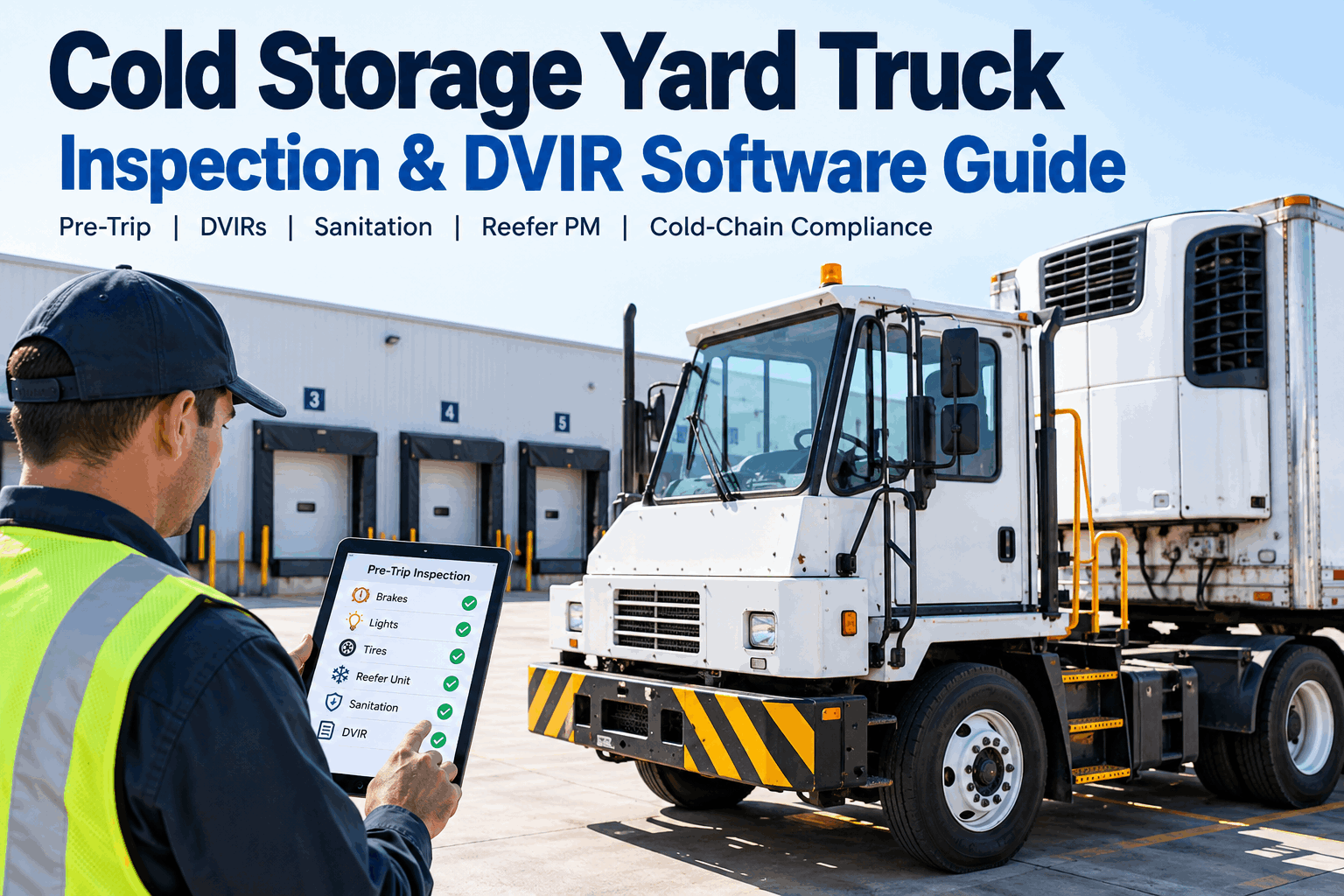
A standard vehicle DVIR checks the van. A reefer pre-trip has to check the box too, and most of what actually causes a mid-route problem shows up here first.
Each item gets logged with the driver's name and timestamp before the first stop, so a mid-route problem can be traced back to whether it existed before the van ever left the yard. Sign up to build this checklist against your own fleet's vans.
Sanitation records that travel with the load, not the driver's memory
A van that carries dairy on Monday and raw poultry on Tuesday needs proof the box was actually cleaned in between — not just a driver's word for it. That record matters just as much as the temperature log when a receiver or auditor asks, which is exactly why teams book a demo to see both logs pulled from one place.
Turn sanitation and pre-trip checks into one record
No more separate paper logs living in the glovebox, disconnected from the temperature data.
Engine-hour reefer PM for a route that racks up hours, not miles
A multi-drop route can log forty short miles and still put more wear on a reefer unit than a four-hundred-mile highway run, because every door-open recovery means the compressor works harder relative to how far the van actually traveled.
PM scheduled off the second number is what actually predicts the next failure — the first one barely correlates.
What happens between drop twelve and drop thirteen
Every door open on the chart earlier causes a dip. The question that matters is whether the unit recovers within its expected window, or whether the dip is getting a little deeper and a little slower every stop — the pattern that actually predicts a failure before it strands a route.
Catching that trend early means a service call before the box stops holding temperature at all, not after a whole afternoon of deliveries is already at risk. Book a demo to see this exact pattern flagged on a real route.
The stop count is the risk, not the mileage
A multi-drop reefer van earns its wear one door-open at a time, and a pre-trip check at the start of the day can't see any of that. Inspection, sanitation, and temperature monitoring only work together when they're tracked against the same route, stop by stop.
See it running on your own fleet — sign up to connect a van, or book a demo and bring a recent route to look at together.
Track every stop, not just the start of the day
Start free and connect your reefer vans today, or see it live with our team.