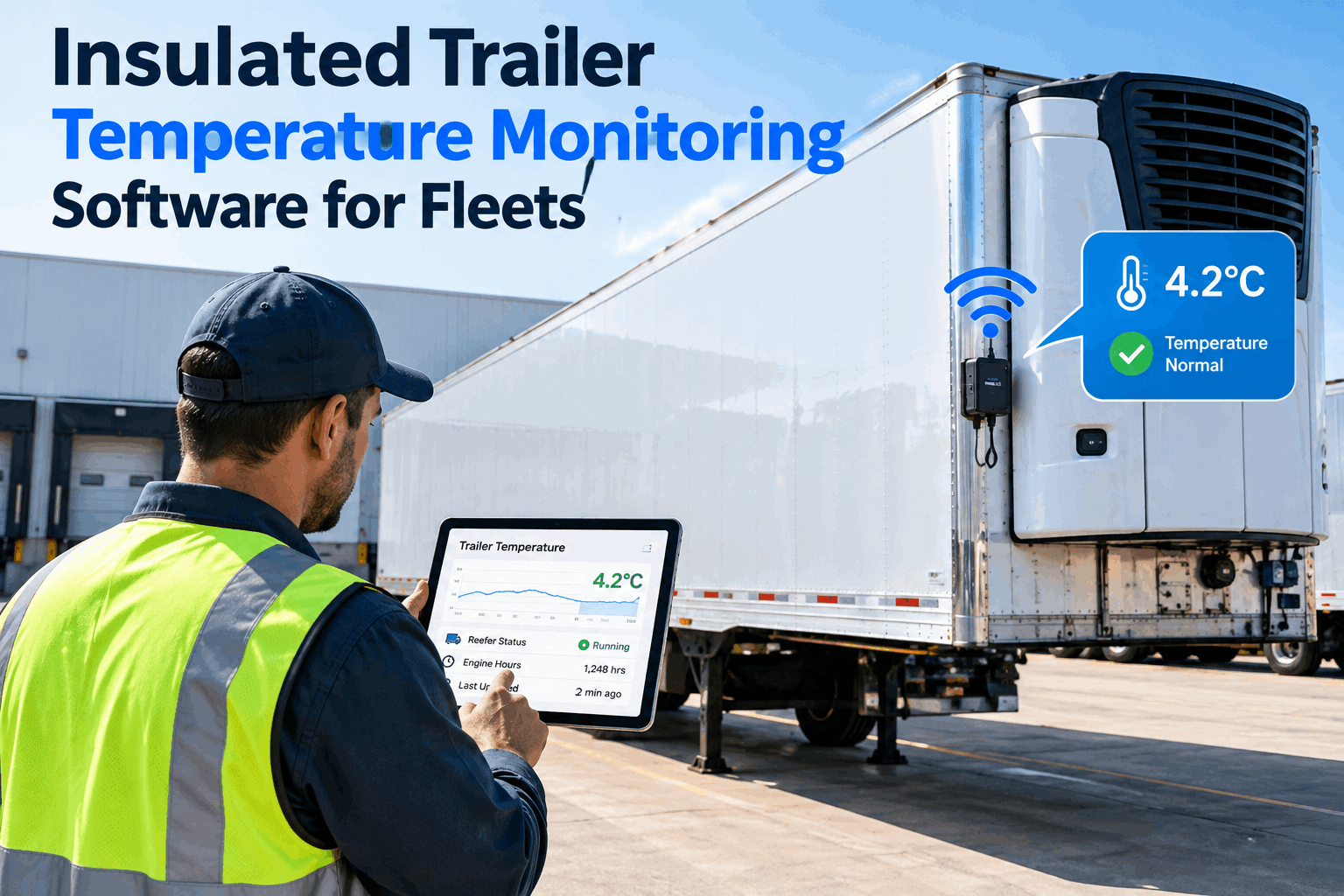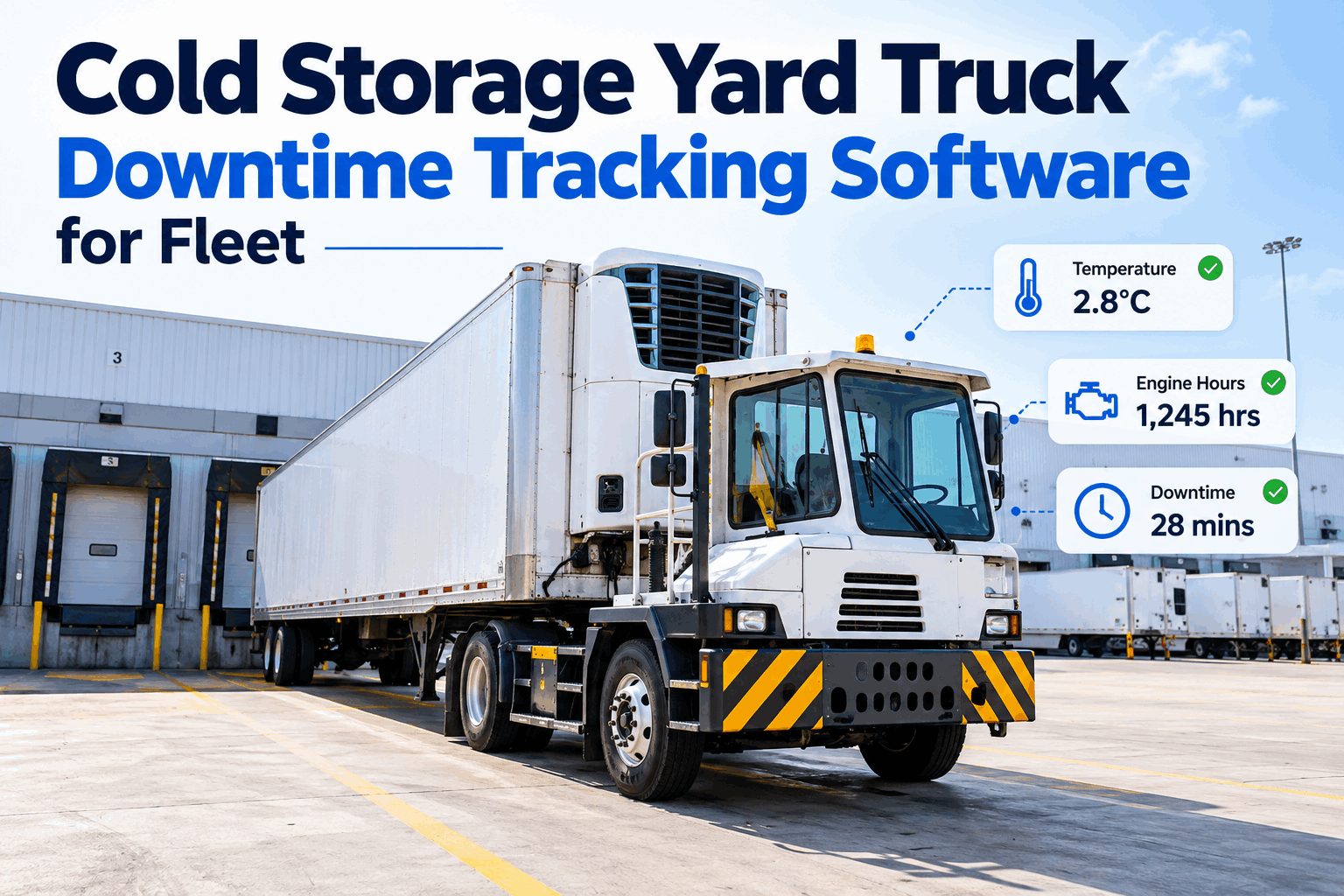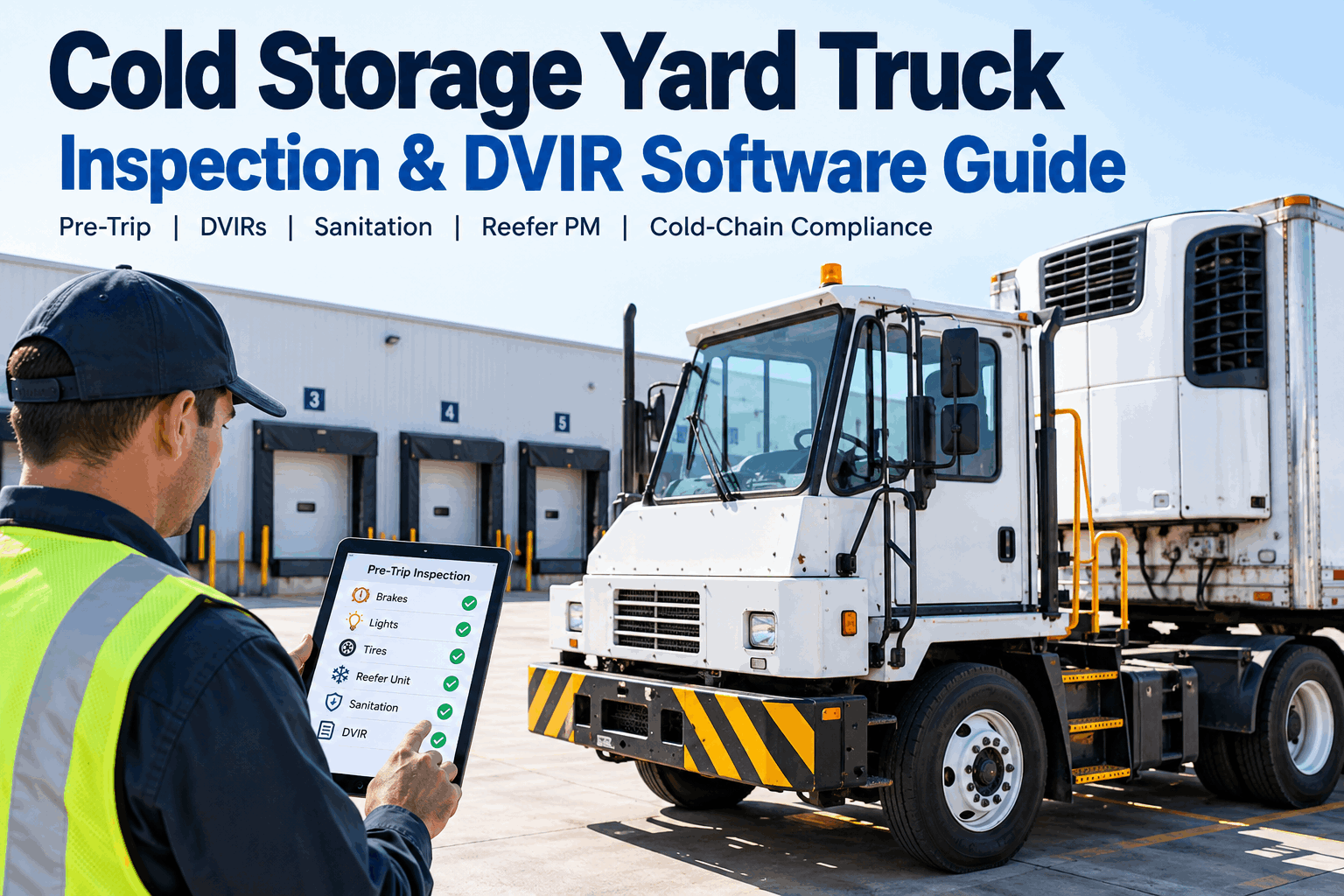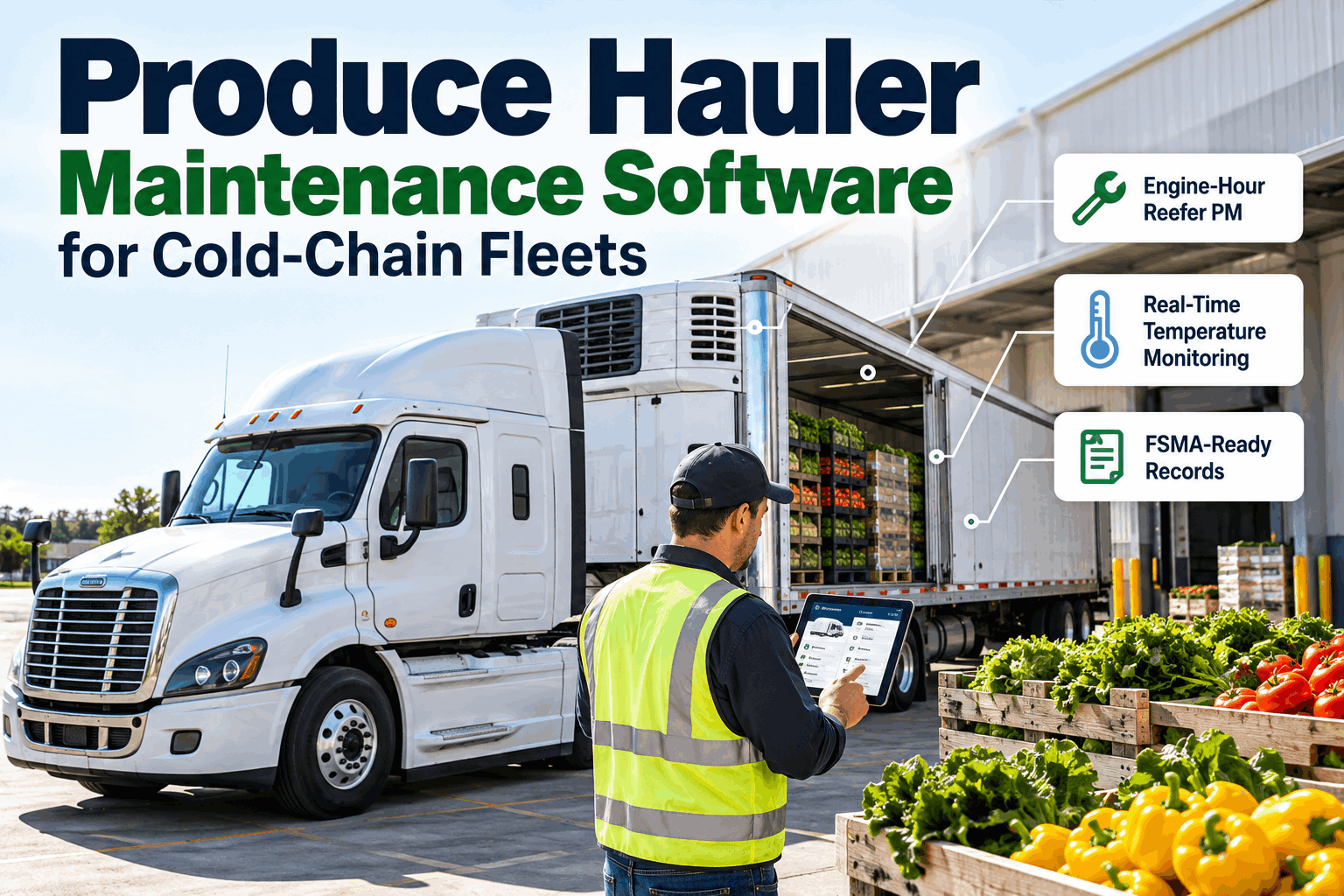
A produce load doesn't fail with a bang. It fails quietly, a few degrees at a time, somewhere between the dock and the store. The usual culprit is not the driver or the route. It is a reefer unit that ran past its service point because its hours lived in a notebook, not a schedule. See how cold-chain fleets keep reefer PM on time before the next load is at risk.
Produce Hauler Maintenance Software That Protects the Load, Not Just the Truck
Track truck and reefer engine hours, get alerted when temperatures drift, and keep FSMA-ready records in one place.
Two Engines, One Trailer
A refrigerated truck has two machines to keep alive: the tractor and the reefer unit. The reefer's diesel engine often runs while the truck sits at a dock, so its wear follows engine hours, not miles.
Serviced by miles, plus calendar items like DOT inspections.
Serviced by hours: oil, filters, belts and coolant on the manufacturer's interval.
How One Missed Service Becomes a Rejected Load
Catch it at step one, not step four
Put your reefers on engine-hour PM and see what's coming due. Free for three vehicles.
Not All Produce Rides at the Same Temperature
A single alert threshold for the whole fleet is a trap. Leafy greens and bananas need very different setpoints, so thresholds should follow the load.
Typical ranges for illustration. Always follow the shipper's specification and the ripeness of the product.
What Gets Serviced, and What Triggers It
| Task | Engine hours | Miles | Calendar | Daily check |
|---|---|---|---|---|
| Reefer oil and filters | ● | |||
| Reefer belts and coolant | ● | ● | ||
| Tractor oil and brakes | ● | |||
| Door seals and floor drains | ● | ● | ||
| Setpoint and pre-cool check | ● | |||
| Annual DOT inspection | ● |
FSMA Sanitary Transportation: What You May Need to Show
Your shipper may ask
- Can your equipment hold the required temperature?
- Is the trailer clean and in good repair?
- Are drivers and staff trained?
- Can you show temperature records for this load?
You can answer with
- Reefer PM history by unit
- Digital pre-trip and sanitation checklists
- Temperature alerts and logs
- Records searchable by trailer or date
FSMA's sanitary transportation rule (21 CFR Part 1, Subpart O) sets requirements for vehicles, equipment and records. Requirements depend on your role and shipper agreements, so confirm details with your compliance team.
How FleetRabbit Fits a Cold-Chain Fleet
Frequently Asked Questions
The reefer runs independently of the truck, often while parked. Its wear follows hours, so miles alone will miss it.
It depends on the manufacturer and oil type. Set the interval per unit from the maintenance guide, and let the software track the hours.
Yes, where your telematics or sensor provider supplies temperature data. Set thresholds to match each load.
It keeps maintenance, inspection and sanitation records organised and searchable. Confirm exact requirements with your compliance team.
Yes. Start free with three vehicles and add more as you grow.
Deliver Cold. Deliver On Time. Prove It.
Reefer PM on engine hours, checklists your drivers will use and records ready for any customer.