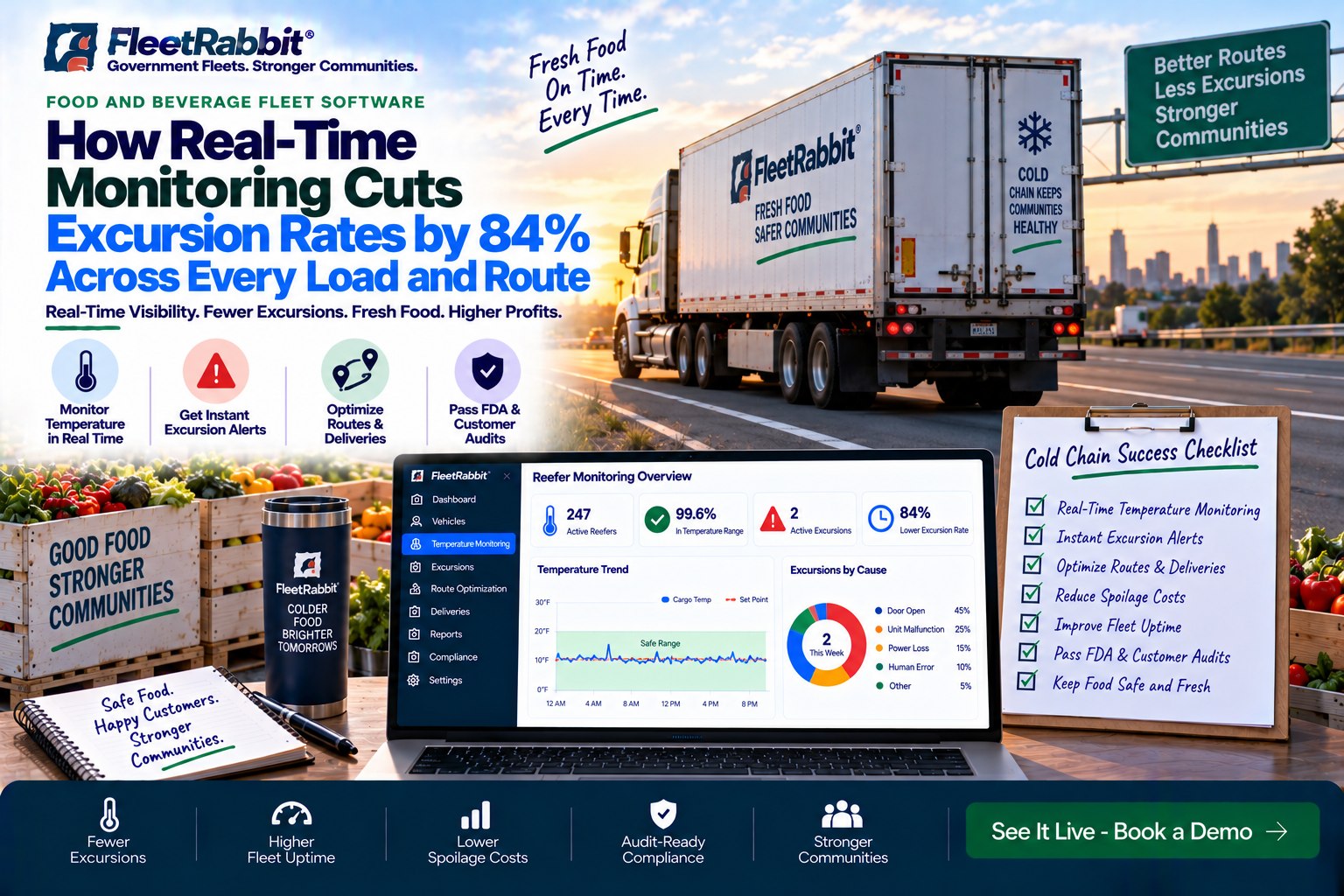
Most cold chain fleets don't lose loads because temperatures went out of range — they lose loads because nobody found out until it was too late. Real-time monitoring cut excursions changes that equation entirely, turning a problem that used to surface after delivery into one that gets caught, and fixed, while the truck is still on the road. Here's the data behind an 84% drop in excursion rates, and what it actually takes to get there.
Why 84% Is the Number That Matters
Passive data loggers and driver check-ins tell you what happened after a load has already been delivered — by then, the decision has already been made for you. Continuous sensor tracking paired with automated thresholds closes that window almost entirely, which is exactly where real time monitoring cut excursions for distributors stops being a marketing claim and starts being a measurable operational shift. Fleets that sign up and connect their first trailers typically see that detection gap close within the first week.
The 84% figure isn't about better sensors alone. It's the combined effect of catching a deviation in minutes instead of hours, giving dispatch a real window to act, and removing the guesswork that comes with driver-reported checks every few hours. That combination is what separates real time monitoring cut excursions tracking from simply having a thermometer on the trailer.
Watch the Detection Gap Close on Your Own Fleet
Benchmarks are useful, but your lanes, your commodities, and your current excursion rate are what actually decide the number. See it against your own data.
From Alert to Action: What Actually Happens in Real Time
The mechanics behind real time monitoring cut excursions best practices come down to a tight response loop. Every stage below shaves minutes off the old process, and minutes are the entire game when a reefer unit starts drifting off setpoint.
Continuous Sensor Reading
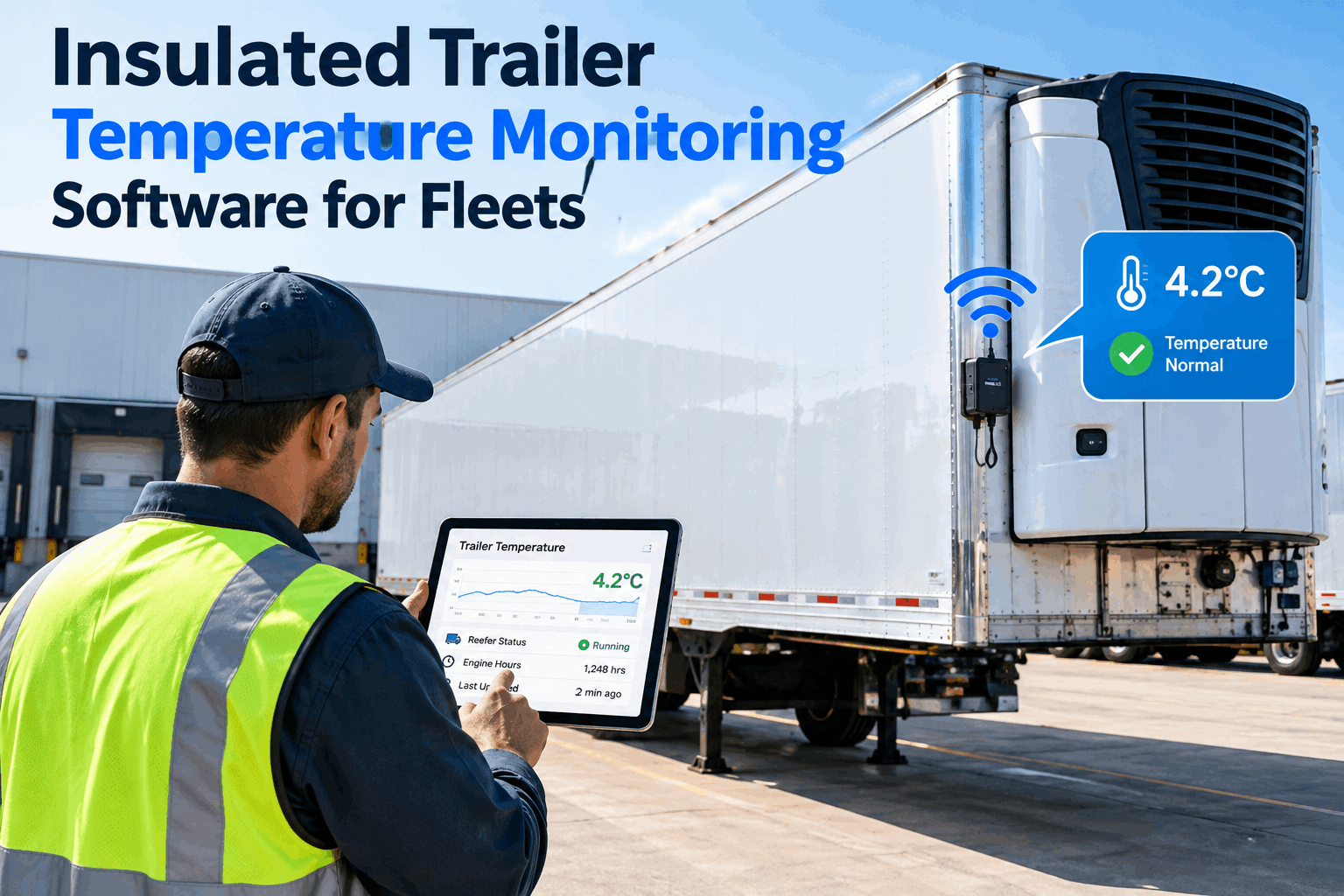
Multi-zone temperature data streams in every 1–5 minutes instead of relying on a driver's manual probe check.
Threshold Breach Detected
The system compares live readings against commodity-specific setpoints and flags deviations the moment they cross tolerance.
Alert Routed to Dispatch
Notifications reach the right person within minutes, not at the next scheduled check-in call.
Corrective Action Taken
Dispatch reroutes, adjusts the reefer setpoint remotely, or flags the load for inspection before it's condemned.
Real-Time Monitoring Also Fixes Route and Delivery Planning
Excursion prevention gets most of the attention, but the same live data stream feeds route and delivery decisions that used to run on guesswork. Once dispatch can see reefer condition, traffic delay, and appointment windows on one screen, routing stops being reactive. This is the part of cold chain uptime that rarely makes it into the pitch, but it's often where a second wave of savings shows up after the excursion numbers already look good.
None of this requires ripping out existing telematics hardware. Most distributors layer FleetRabbit on top of what they already run, which is usually the fastest way to see real time monitoring cut excursions reporting reflected in next month's numbers rather than next year's budget cycle. If your team is weighing a broader rollout, it's worth talking through the specific lanes before committing — you can book a demo and walk through it directly.
Getting the Full 84% Requires a Few Habits
The technology closes most of the detection gap on its own, but fleets that see the full impact tend to run a consistent process around it.
Set alert thresholds per commodity — frozen, chilled, and pharma loads don't share the same tolerance window.
Route every alert to a live person on shift, not a shared inbox that gets checked once a day.
Review excursion history weekly to catch patterns tied to specific trailers, routes, or drivers.
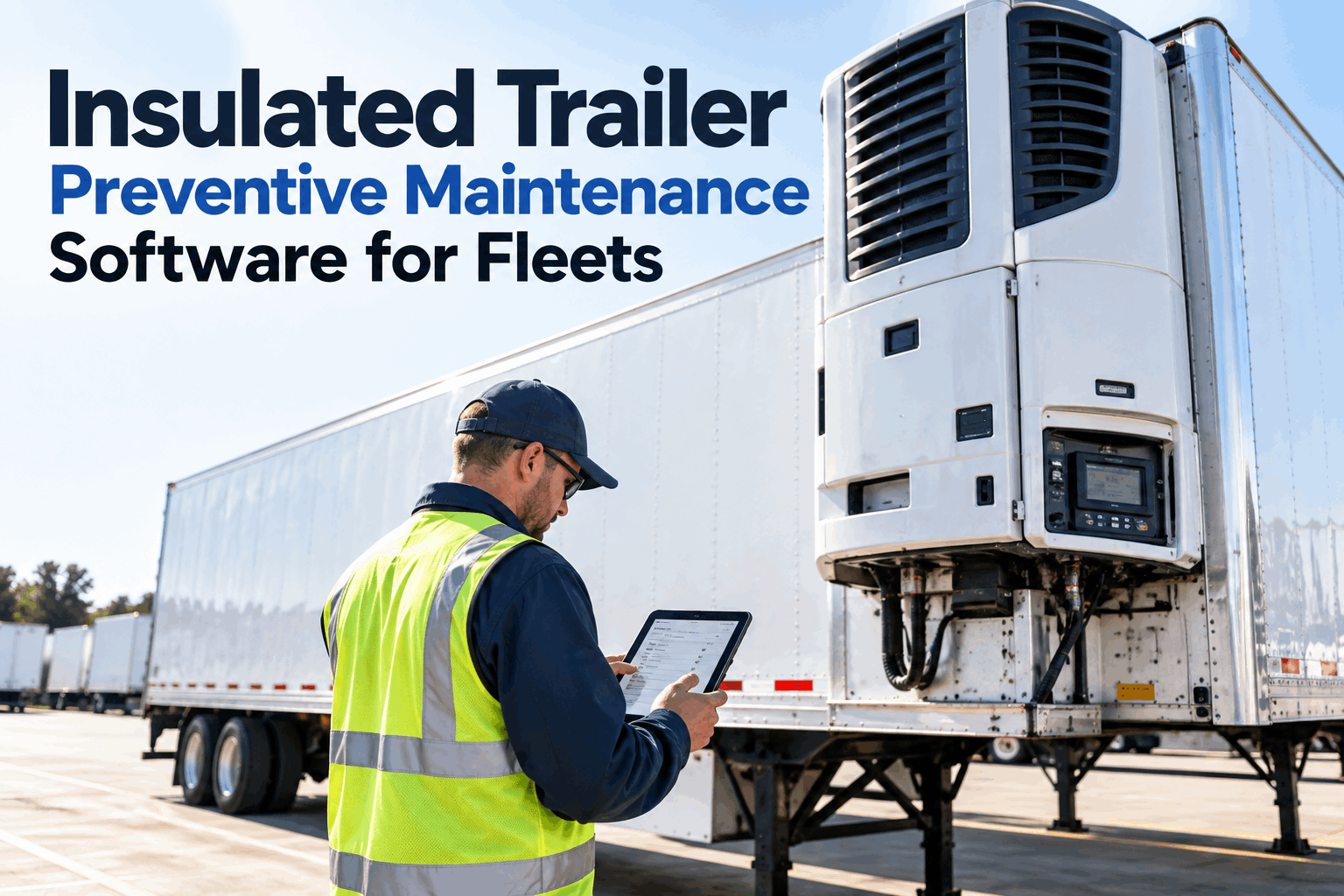
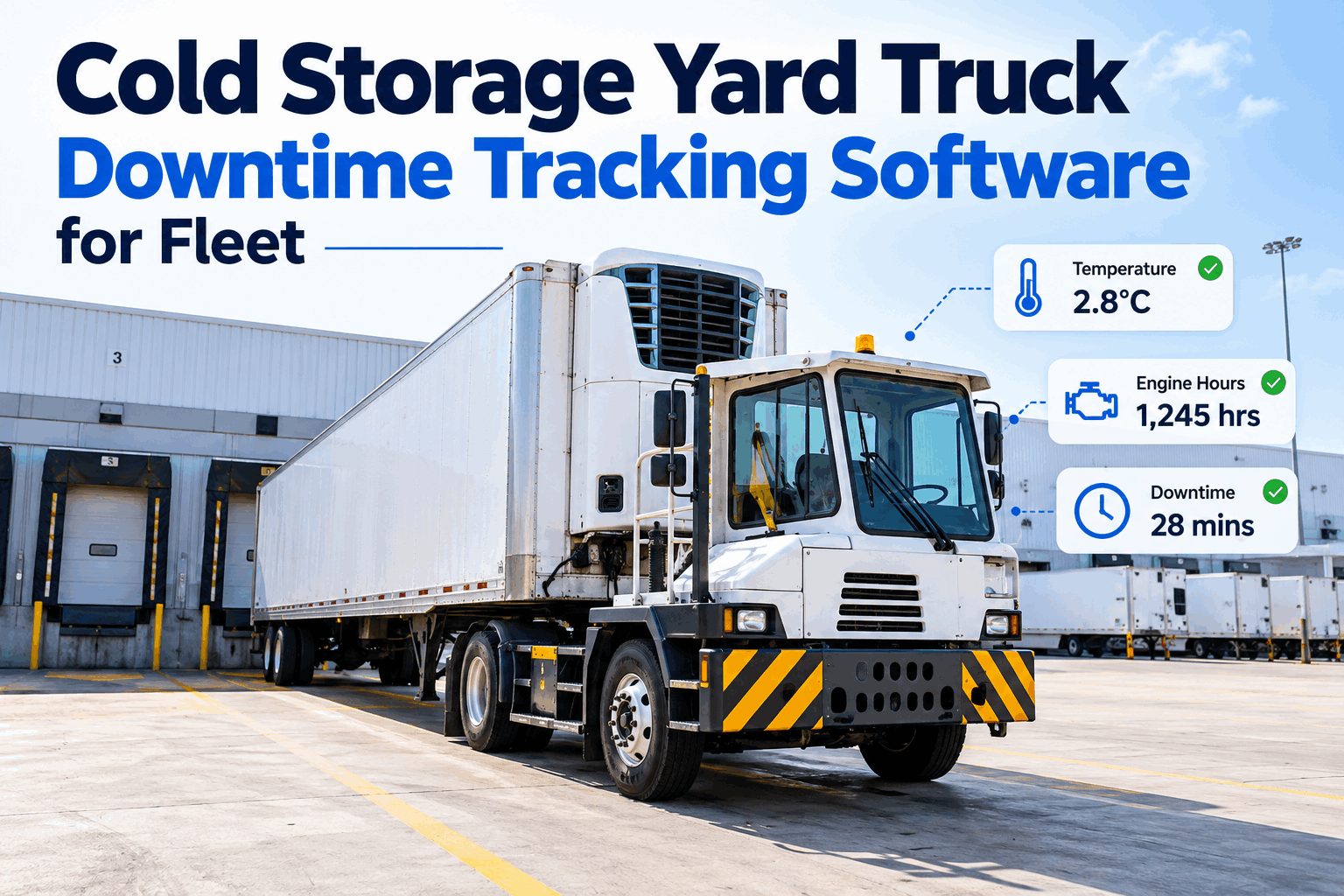
Pair temperature alerts with engine-hour maintenance data so failing units get flagged before they trigger an excursion at all.
Teams that build these habits early are usually the ones who can sign up and see a measurable drop in their excursion rate inside the first full delivery cycle, rather than waiting a full quarter to notice the change.
Common Questions From Distributors
How is an 84% reduction in excursions actually measured?
It's the drop in confirmed temperature excursions per month after switching from manual or passive logging to continuous real-time monitoring with automated alert thresholds, measured against the same fleet's baseline rate before rollout.
Does real-time monitoring work across mixed fleets with different commodities?
Yes. Thresholds are set per commodity and per zone, so a frozen load and a chilled produce load on the same route can run different tolerance windows without any manual reconfiguration.
What happens when an excursion alert fires overnight or outside dispatch hours?
Alerts route by severity and escalate automatically if unacknowledged, so a critical deviation doesn't sit unread until the next shift starts.
Can this data be used for FDA or customer audits directly?
Yes. Every reading, alert, and corrective action is logged automatically in an audit-ready format, replacing manual log pulls with a report that's ready on demand.
Is this only useful for large fleets running long-haul cold chain freight?
No. Regional and last-mile fleets often see the fastest relative improvement, since shorter routes leave less room for a slow manual check to catch a deviation before delivery.
Cut Your Excursion Rate Starting With Your Next Load
The gap between finding a deviation in minutes versus hours is where most of the 84% comes from. Connect your fleet and see it for yourself, or walk through your lanes with our team first.