Real-time temperature monitoring
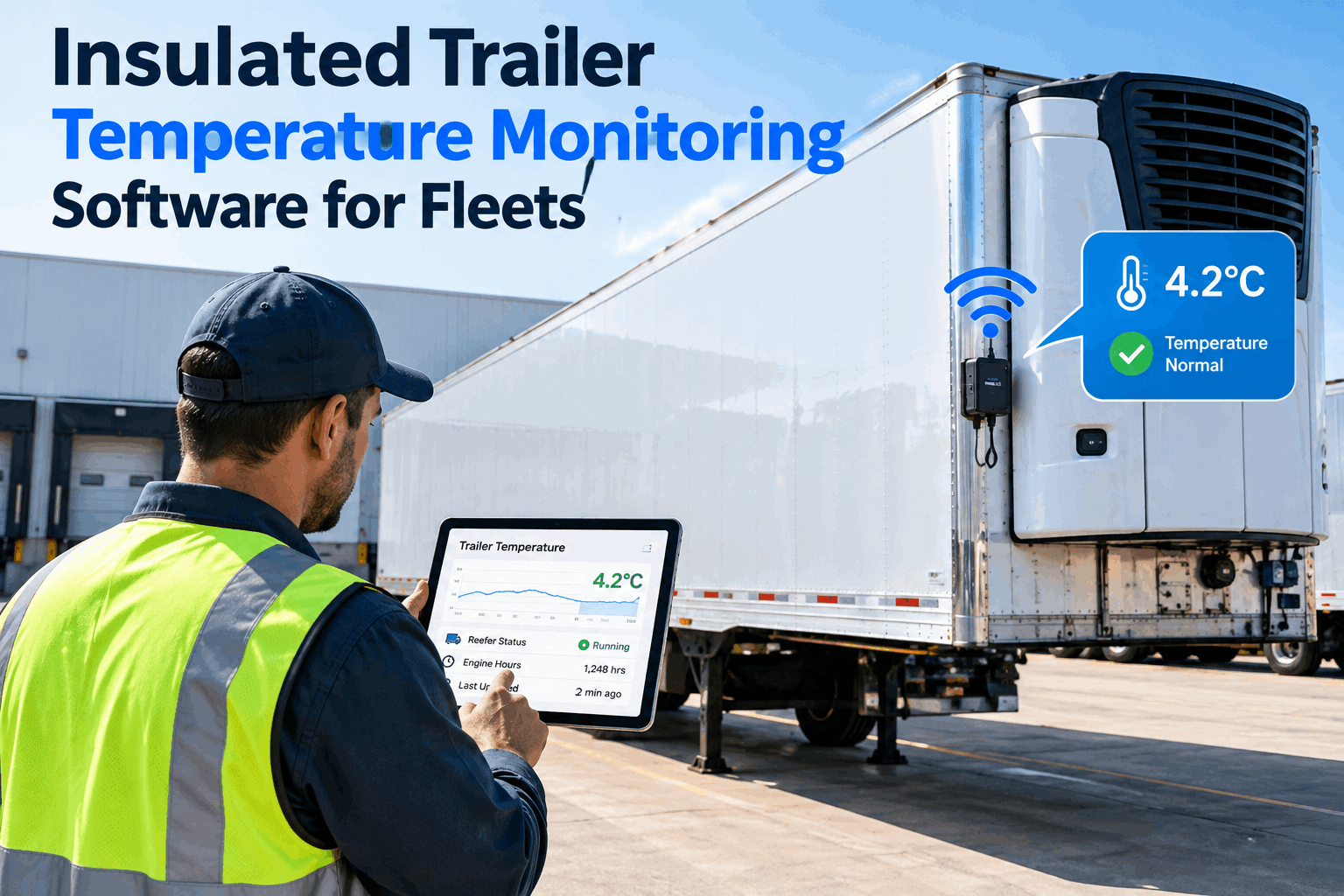
Continuous readings from pre-cool through delivery, with alerts the moment a trailer drifts out of range.
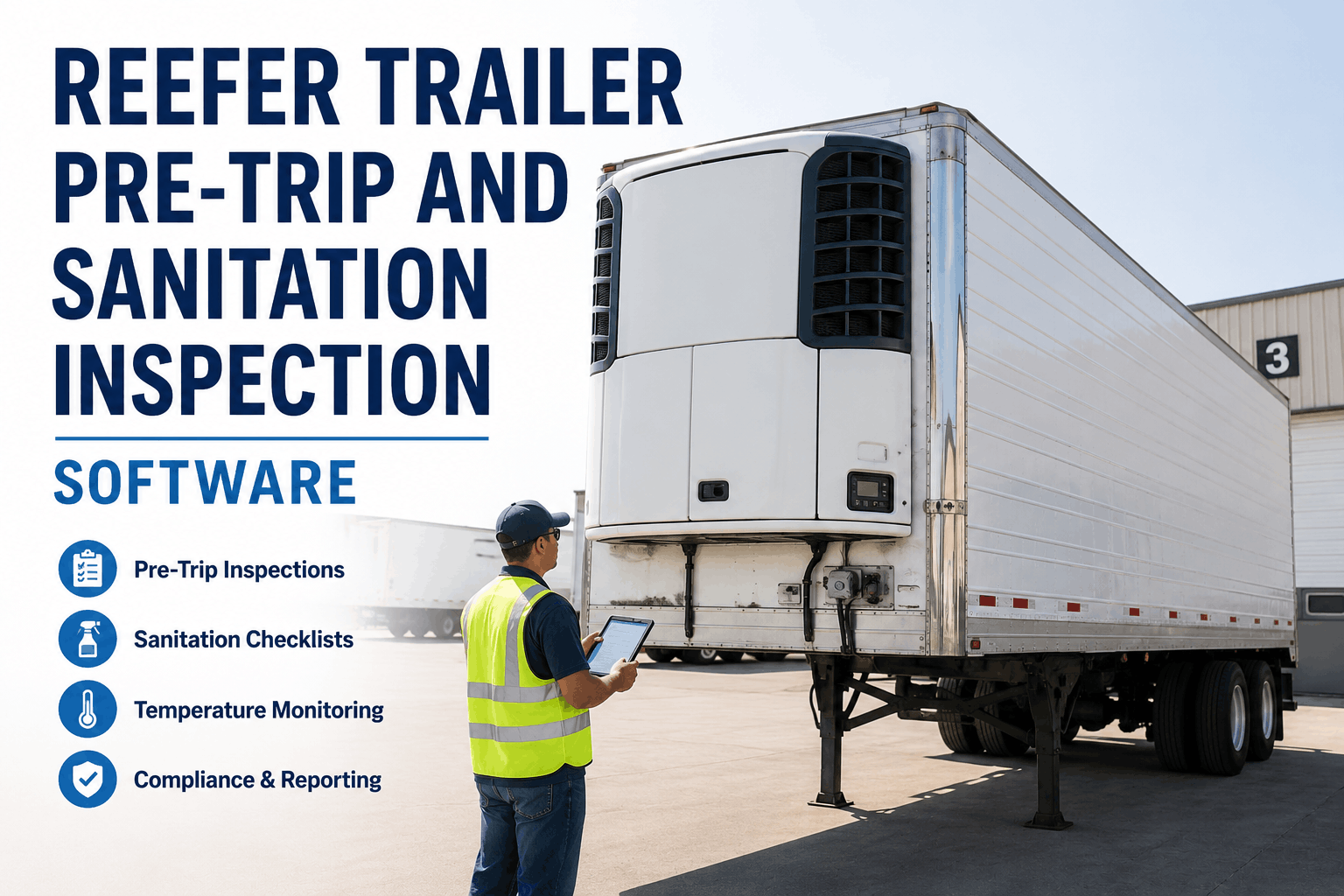
A reefer trailer can pass every mechanical inspection on its tractor and still lose an entire load overnight if the refrigeration unit drifts two degrees out of range at a rest stop nobody's watching. Cold chain compliance isn't measured in miles or brake pads, it's measured in a continuous line of temperature readings that has to hold from pre-cool to delivery, backed by a sanitation record that proves the trailer was clean before it was ever loaded. Reefer trailer inspection software is built around that reality, not a generic vehicle checklist.
Trailer verified at set-point temperature before the first pallet loads
Product and ambient temperature checked and logged at the dock
Continuous monitoring for the full route, with alerts on any excursion
Final temperature confirmed and matched against the full trip record
A trailer staged overnight at a customer yard or handed off between drivers is still inside this window, even with no driver present to notice a problem. Fleets that sign up for continuous monitoring close that exact gap.
The FSMA Sanitary Transportation Rule requires trailers to be kept free of conditions that could contaminate food, which means a wash-out between loads isn't optional when a trailer moves from an allergen-heavy commodity to one that can't tolerate cross-contact. A sanitation record with no timestamp is functionally the same as no record at all during an audit.
Teams that book a demo usually want to see how a wash-out gets logged against the trailer's ID, not just against a route, so the history follows the equipment.
See real-time temperature monitoring, sanitation logs, and reefer PM tracked together on one dashboard.
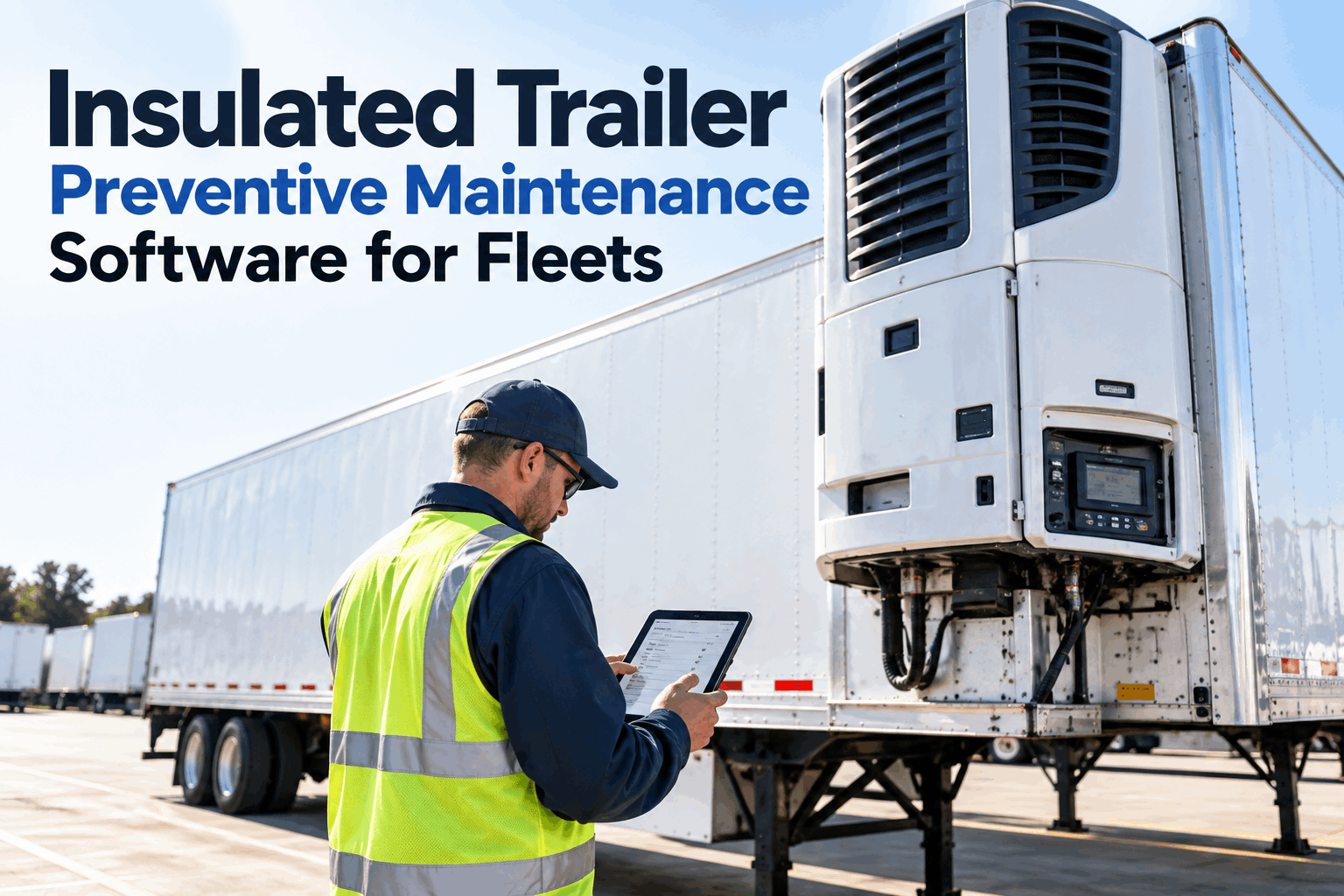
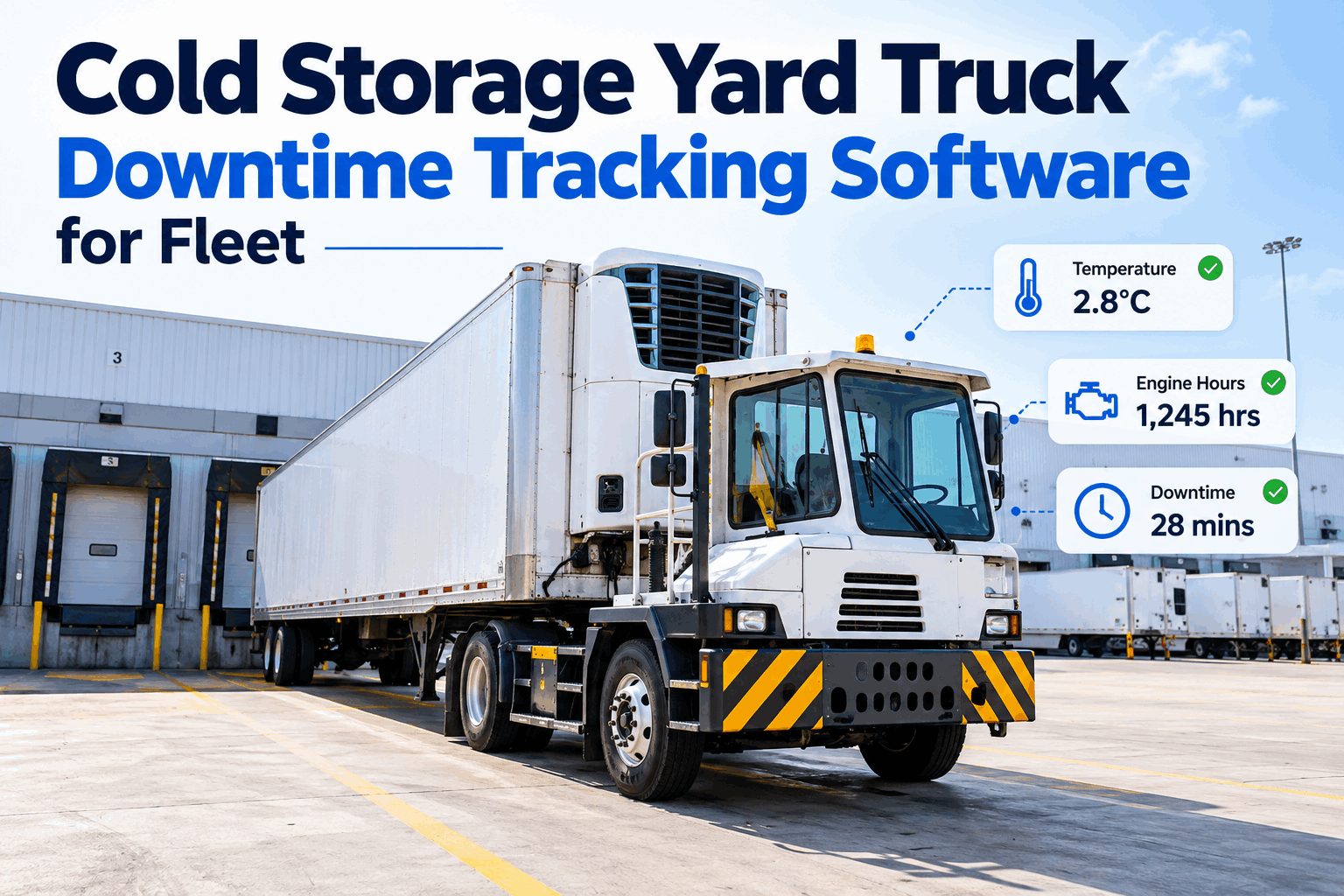
A trailer's diesel-powered refrigeration unit keeps operating even when the tractor is parked, which means it can log more engine hours in a week than the tractor pulling it. A maintenance schedule built around the tractor's mileage misses that entirely.
Engine-hour tracking on the reefer unit itself catches compressor and defrost-cycle wear before it becomes a mid-route temperature excursion. Agencies and carriers that sign up for unit-specific PM scheduling stop treating the reefer engine as an afterthought to the tractor's service plan.
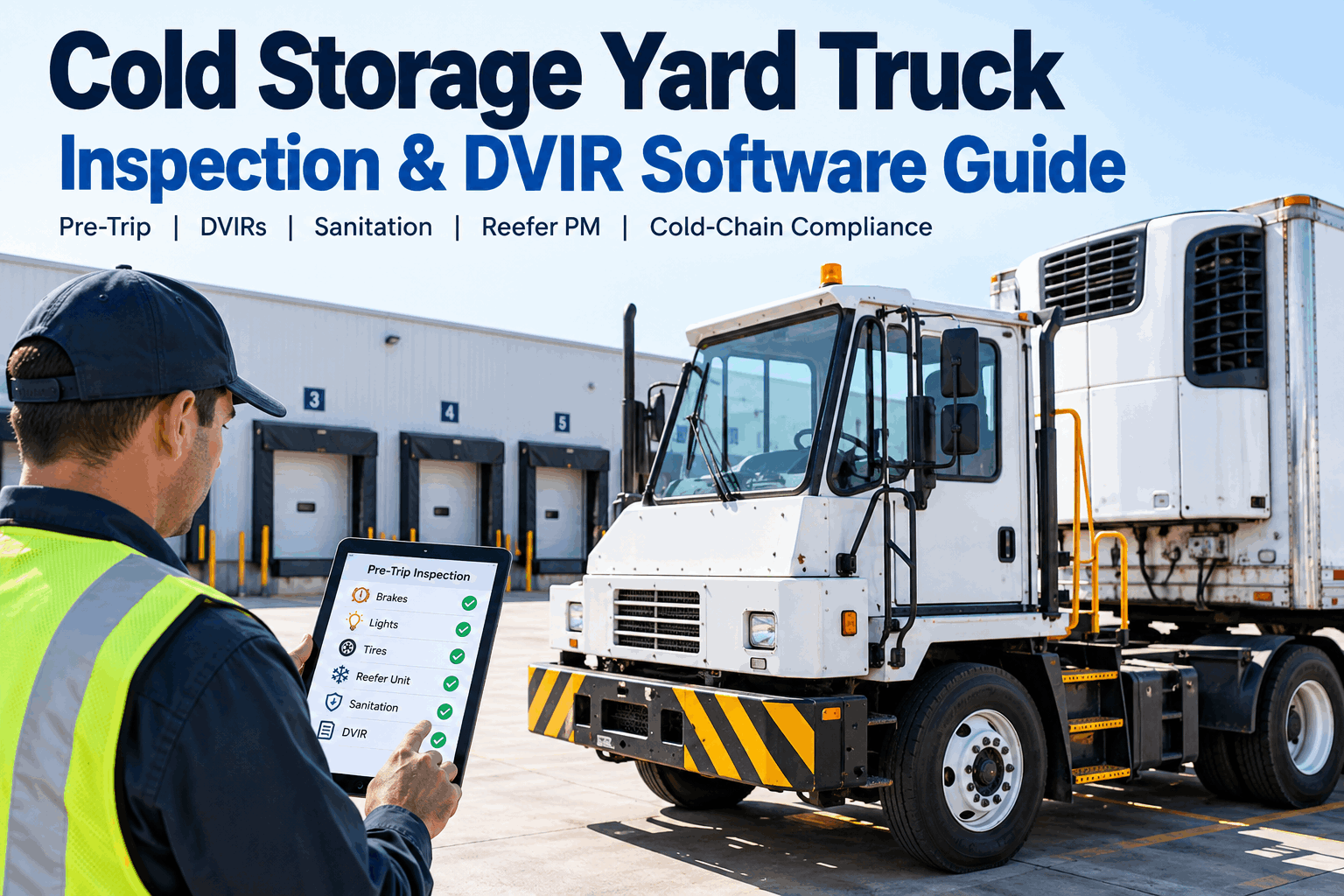
Door seals and gaskets checked for gaps that let cold air escape
Set-point and pre-cool temperature confirmed against the load requirement
Temperature recorder calibration verified, not just powered on
Fuel or battery level for the reefer unit checked separately from the tractor
Condenser coils and airflow inspected for buildup that reduces cooling capacity
Defrost cycle tested to confirm it triggers and clears correctly
Continuous readings from pre-cool through delivery, with alerts the moment a trailer drifts out of range.
Temperature and sanitation history exportable in the format FDA expects within a 24-hour request window.
Checklists built around door seals, set-point verification, and recorder calibration, not a generic vehicle form.
Maintenance scheduled off the refrigeration unit's own runtime, independent of the tractor's mileage.
Wash-out records tied to the equipment itself, so history follows the trailer across every route.
Every deviation captured with the written corrective action FSMA expects to see attached to it.
A load staged overnight at a relay yard sits unattended for six hours while a defrost cycle runs longer than expected, and by morning the product is out of range with no one having noticed. With continuous monitoring and excursion alerts, that same drift triggers a notification the moment it happens, not a rejected delivery the next day. Fleets running this way describe far fewer disputed loads and a sanitation and temperature record that's already built by the time a customer or auditor asks for it. If overnight handoffs are still a blind spot in your cold chain, a short book a demo session will show what continuous coverage looks like on your own routes.
Set up your first reefer trailer in FleetRabbit and see temperature monitoring, sanitation logs, and reefer PM generate themselves from day one.
Carriers must document temperature control through pre-cooling, transit, and delivery, keep vehicles in sanitary condition, and retain temperature and sanitation records for at least 12 months, producible to FDA within 24 hours of a request.
Yes. A trailer staged overnight, sitting at a relay yard, or handed off between drivers is still inside the compliance window, which is why continuous monitoring matters more than a driver's periodic check.
The refrigeration unit runs its own engine independent of the tractor, often accumulating more runtime than the truck pulling it. Mileage-based scheduling on the tractor misses that wear entirely.
A timestamped log of interior cleanliness checks and wash-outs between loads, particularly when a trailer moves between commodities with different contamination or allergen risks.
FSMA expects a written corrective action tied to the deviation, not just a note that it happened. Software that captures both the alert and the response keeps that record complete.
Most fleets start with a handful of trailers to confirm monitoring and reporting against their existing process, then expand fleet-wide. A demo is the fastest way to see a timeline for your operation.