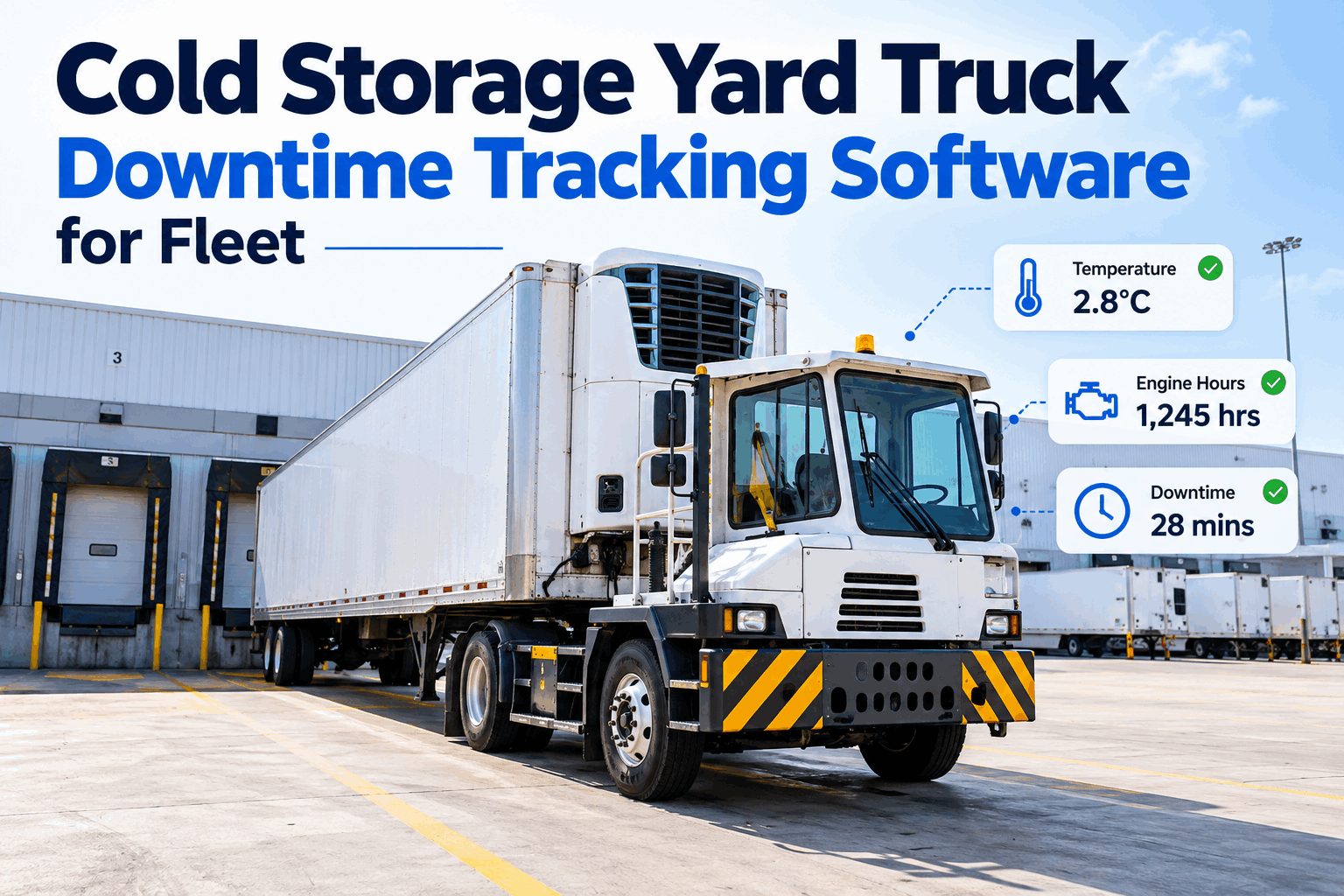
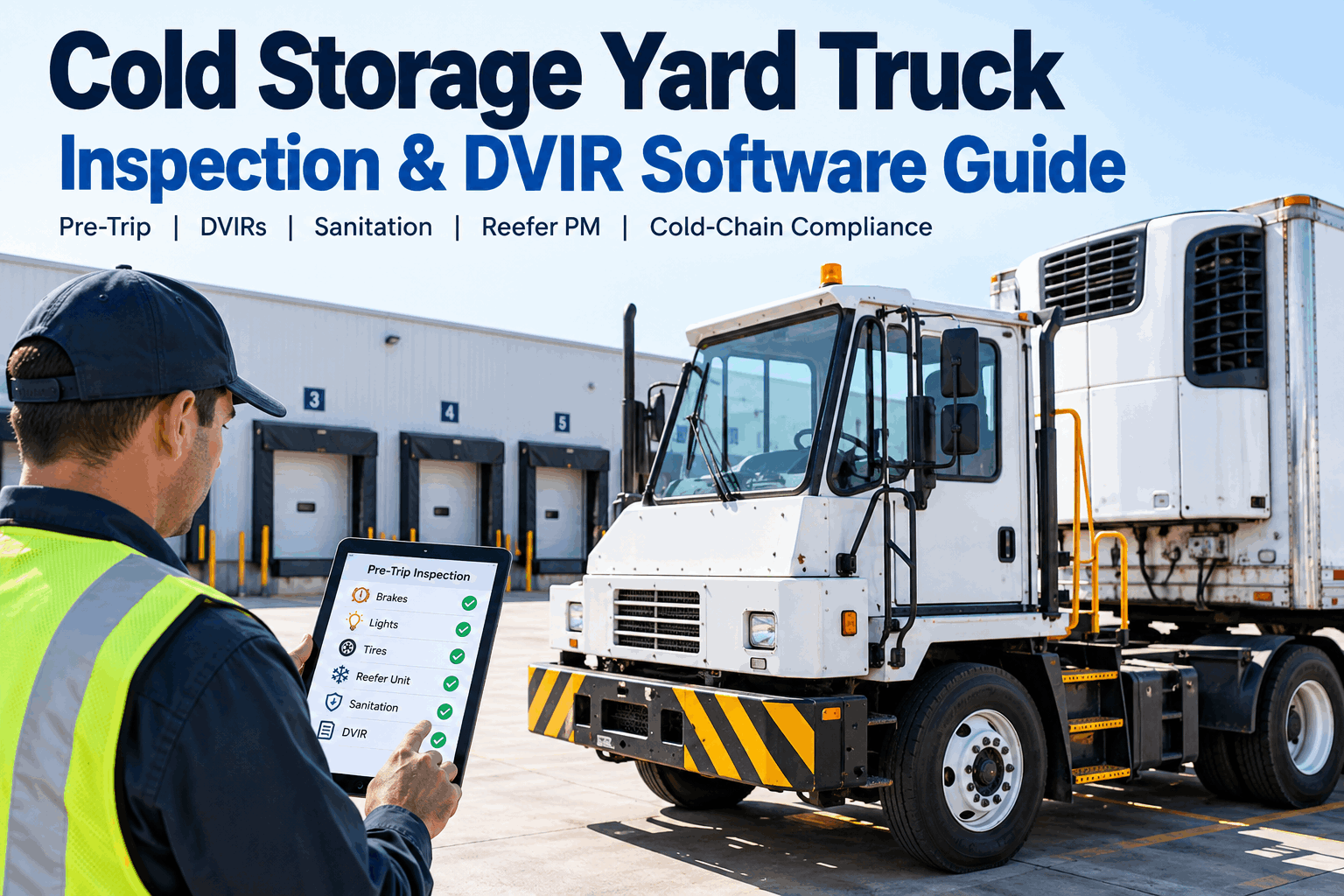
In temperature-controlled food logistics, a delayed repair is not just a standard maintenance backlog; it is an active threat to perishable cargo and regulatory compliance. When a multi-temp transport refrigeration unit (TRU) experiences compressor clutch slippage, micro-channel coil leaks, or erratic defrost cycles, maintenance dispatchers cannot afford to let technicians pick repair tickets at random from a paper queue. Without priority-based scheduling that considers active payload perishability, customer delivery windows, and real-time telematics diagnostic trouble codes (DTCs), refrigerated distributors risk catastrophic load spoilage, FDA FSMA Sanitary Transportation enforcement fines, and expensive emergency cross-docking fees. FleetRabbit unifies multi-zone temperature telemetry, automated fault prioritization, certified digital technician workbenches, and parts reservation into an intelligent cold chain work order hub. Book a 30-minute demo to see priority repair routing in action or explore the live FleetRabbit platform.
Reefer Work Order and Priority-Based Repair Software
Automatically rank, triage, and route refrigeration work orders based on active cargo temperature sensitivity, diagnostic severity, and route departure deadlines.
Protect Perishable Cargo with Priority-Based Repair Dispatch
Stop managing reefer maintenance on generic work queues. Transition to automated diagnostic fault triage, mobile repair guides, and tamper-proof compliance trails.
Why Generic Fleet Work Orders Fail in Food Distribution
Standard fleet work order software treats all equipment identical: an oil change on a yard hostler is handled with the same urgency as a faulty alternator on a loaded reefer. In cold chain logistics, this lack of context creates severe blind spots. When dispatch teams cannot instantly view cargo risk factors, loaded status, and temperature sensitivity alongside repair tickets, critical TRU faults get buried under low-priority routine jobs.
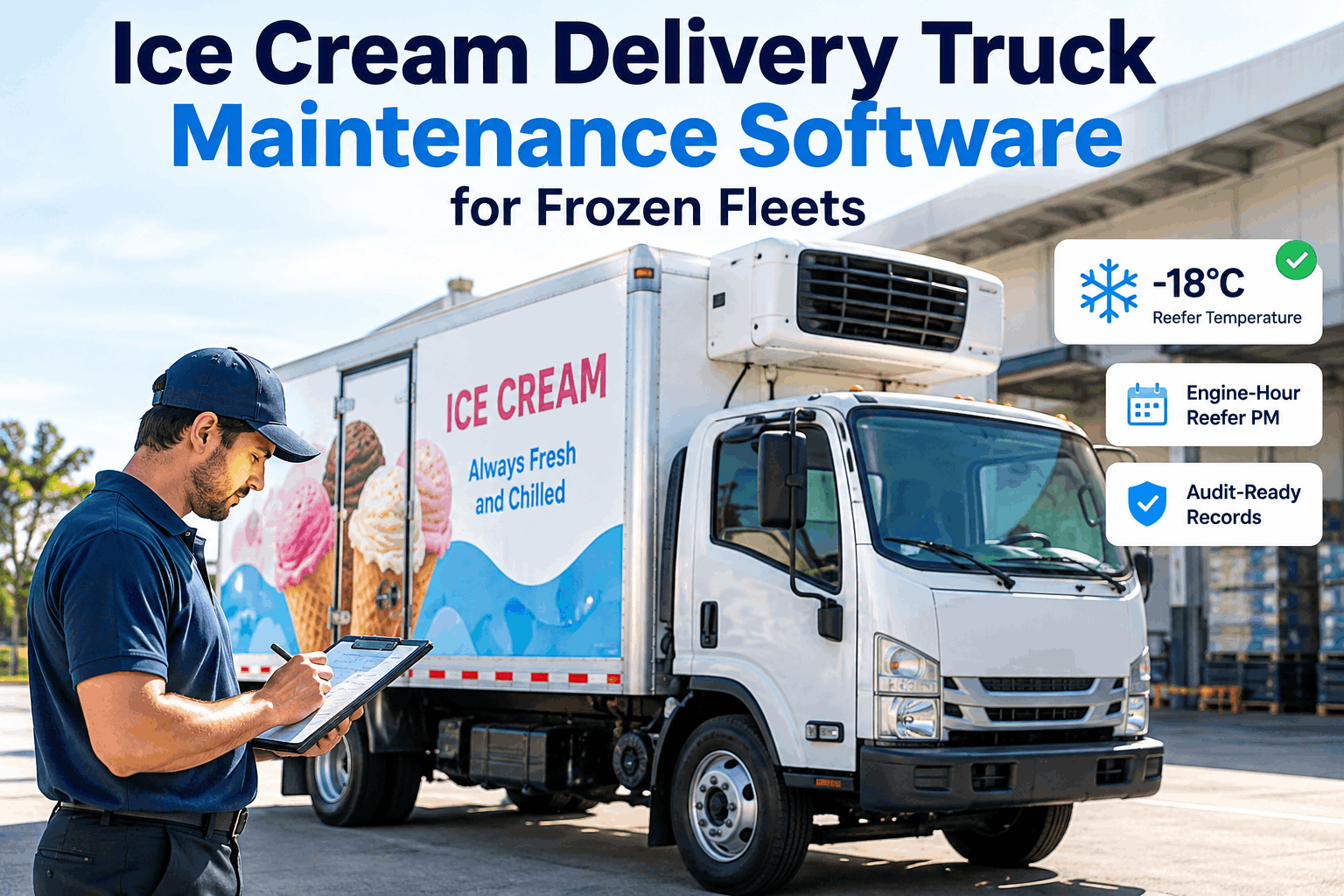
FleetRabbit resolves this by incorporating cargo telemetry, multi-zone thermal thresholds, and trip departure schedules directly into the work order ranking algorithm. If an inbound trailer with ice cream registers high discharge pressure or a sluggish pull-down rate, the platform automatically escalates the work order to Priority-1 status, notifies shop leads, reserves necessary replacement parts, and routes the trailer to the next available bay.
Dynamic Cargo-Aware Triage
Calculates ticket urgency based on real-time compartment temperature drift, ambient weather conditions, and loaded freight value rather than static creation timestamps.
Integrated EPA 608 Refrigerant Ledger
Tracks every ounce of R-404A, R-452A, or CO2 added or reclaimed during repairs, generating audit-ready digital logbooks to satisfy EPA and state environmental mandates.
Direct OEM Diagnostics Interface
Pulls fault code descriptions, wiring schematics, and recommended troubleshooting steps directly from Carrier Transicold and Thermo King CANbus telemetry into technician mobile screens.
Automated Post-Repair Verification
Before closing a ticket, the software requires a verified automated pre-cooling pull-down test, validating that the unit achieves and holds setpoint before releasing it back to dispatch.
Work Order Systems: Generic CMMS vs. FleetRabbit Cold Chain Engine
Reefer maintenance requires deep integration between physical shop mechanics, thermodynamic sensors, and operational route planning. Review how dedicated reefer software compares to generic maintenance platforms.
| Operational Feature | Generic Shop Work Order Tools | Paper & Whiteboard Queues | FleetRabbit Priority Reefer Platform |
|---|---|---|---|
| Fault Ingestion | Manual entry by driver or shop clerk | Driver hand-written DVIR slips | Automated CANbus DTC capture in < 30 seconds |
| Ticket Prioritization | First-in, first-out (FIFO) queue | Subjective shop foreman preference | Cargo risk, setpoint variance, and departure time |
| Refrigerant Tracking | Manual spreadsheets; disconnected receipts | Paper logbook prone to lost records | Built-in recovery, recharge, and annual leak rate calculation |
| Zone-Level Sub-Assemblies | Treated as one single trailer asset | No component-level tracking | Sub-assemblies tracked for rear evaporators, bulkheads, and doors |
| Proof of Readiness | Technician verbal confirmation | Signature on clipboard | Automated pull-down graph validation attached to digital sign-off |
The 4-Stage Lifecycle of a Priority Reefer Work Order
From the moment a sensor detects thermodynamic variance to the final post-repair release, FleetRabbit enforces systematic accountability across every touchpoint.
Intelligent Ingestion
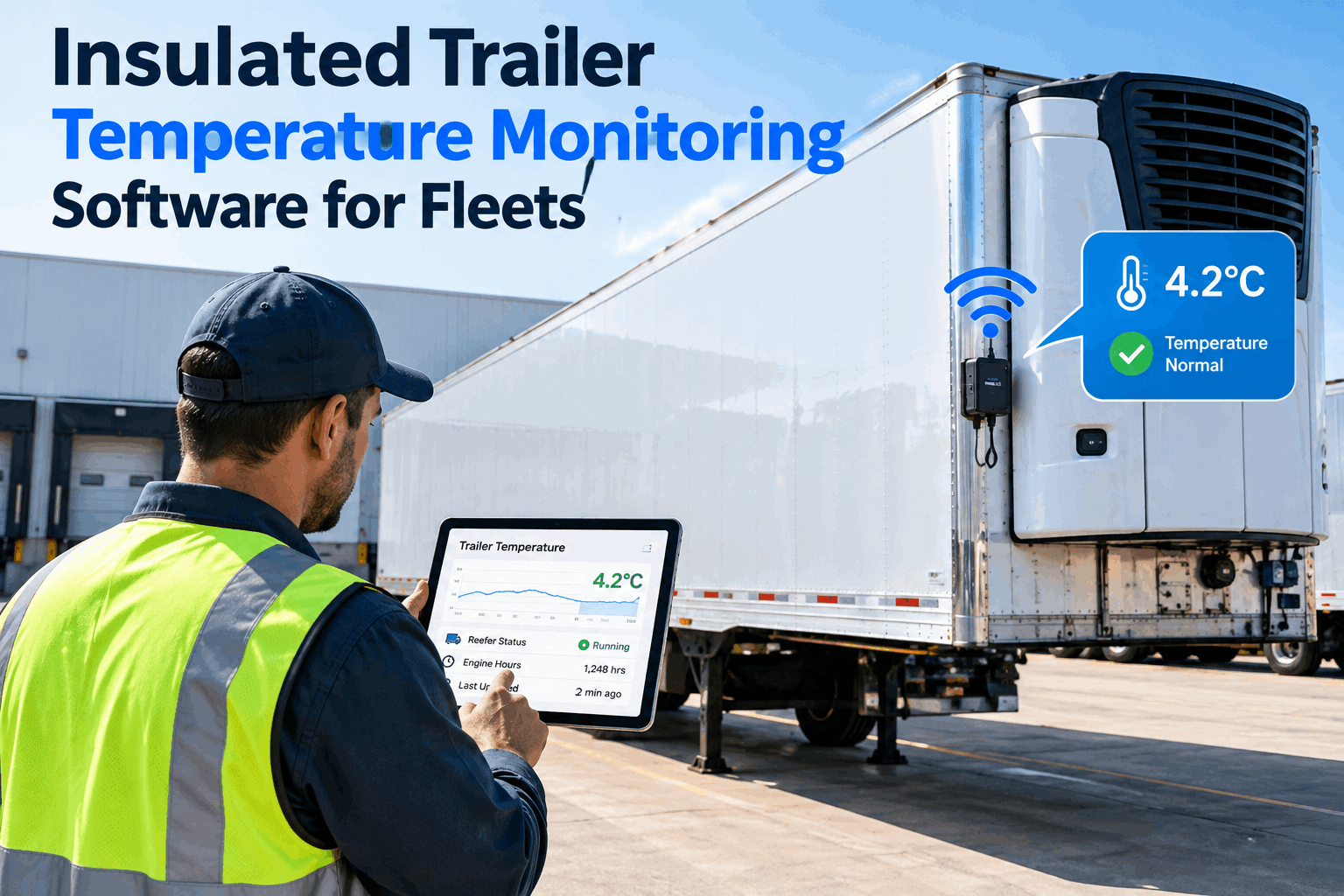
Telematics registers an abnormal discharge temperature slope or high-pressure cutoff on Trailer #R-502. A work order drafts instantly with all active fault logs and operational parameters attached.
Priority Allocation
Recognizing the trailer is loaded with ice cream set for delivery in 3 hours, the system assigns a P1 Critical status, selects an open bay, and reserves a pressure transducer in the storeroom.
Guided Mobile Repair
The technician completes diagnostic steps on a mobile tablet, documenting pressure readings, parts replaced, and refrigerant quantity added under strict electronic sign-offs.
Verified Release
The unit completes an automated 20-minute pull-down test to confirm setpoint stability. The work order seals, customer service logs update, and the trailer releases for departure.
Measurable Operational Returns for Temperature-Controlled Fleets
Deploying dedicated reefer work order management turns reactive garage firefighting into a predictable, high-uptime operation that directly impacts distributor profitability.
Eliminate technician downtime spent diagnosing symptoms from vague driver notes with pre-populated telematics fault logs.
Prevent distribution centers from holding loaded trucks at the gate due to unresolved or unverified refrigeration defects.
Automate refrigerant usage tracking to completely eliminate non-compliance penalties for unrecorded greenhouse gas leaks.
Avoid paying third-party cold storage facilities emergency transfer fees by repairing critical TRU issues inside your own facility.
Frequently Asked Questions
How does FleetRabbit receive fault codes from Carrier and Thermo King units?
FleetRabbit connects via two-way CANbus interfaces with native microprocessors (such as Thermo King SR-3/SR-4 and Carrier APX controllers) or telematics gateways. System alerts and trouble codes populate into the work order dashboard in real time.
Can technicians use mobile phones or tablets in the maintenance bays?
Yes. The FleetRabbit technician interface is responsive and runs on any iOS or Android device. Technicians can view wiring schematics, clock labor hours, log refrigerant usage, scan part barcodes, and capture photos directly from the bay floor.
How does the priority ranking engine prevent low-priority maintenance from being neglected?
FleetRabbit includes dynamic aging rules. While high-risk loaded trailers jump to the front of the queue, routine PMs and non-critical tickets gradually gain priority weight as their scheduled due dates approach, ensuring preventive maintenance schedules remain on track.
Does FleetRabbit maintain records for customer-mandated cold chain audits?
Yes. Every work order archive includes historical fault codes, technician work logs, replacement part lot numbers, and post-repair thermal graphs. These files export in one click to satisfy customer quality assurance inspections or FDA audits.
Modernize Your Reefer Fleet Maintenance Operations Today
Eliminate cargo loss, streamline shop efficiency, and maintain verifiable regulatory compliance across every route with FleetRabbit's priority-based work order software.