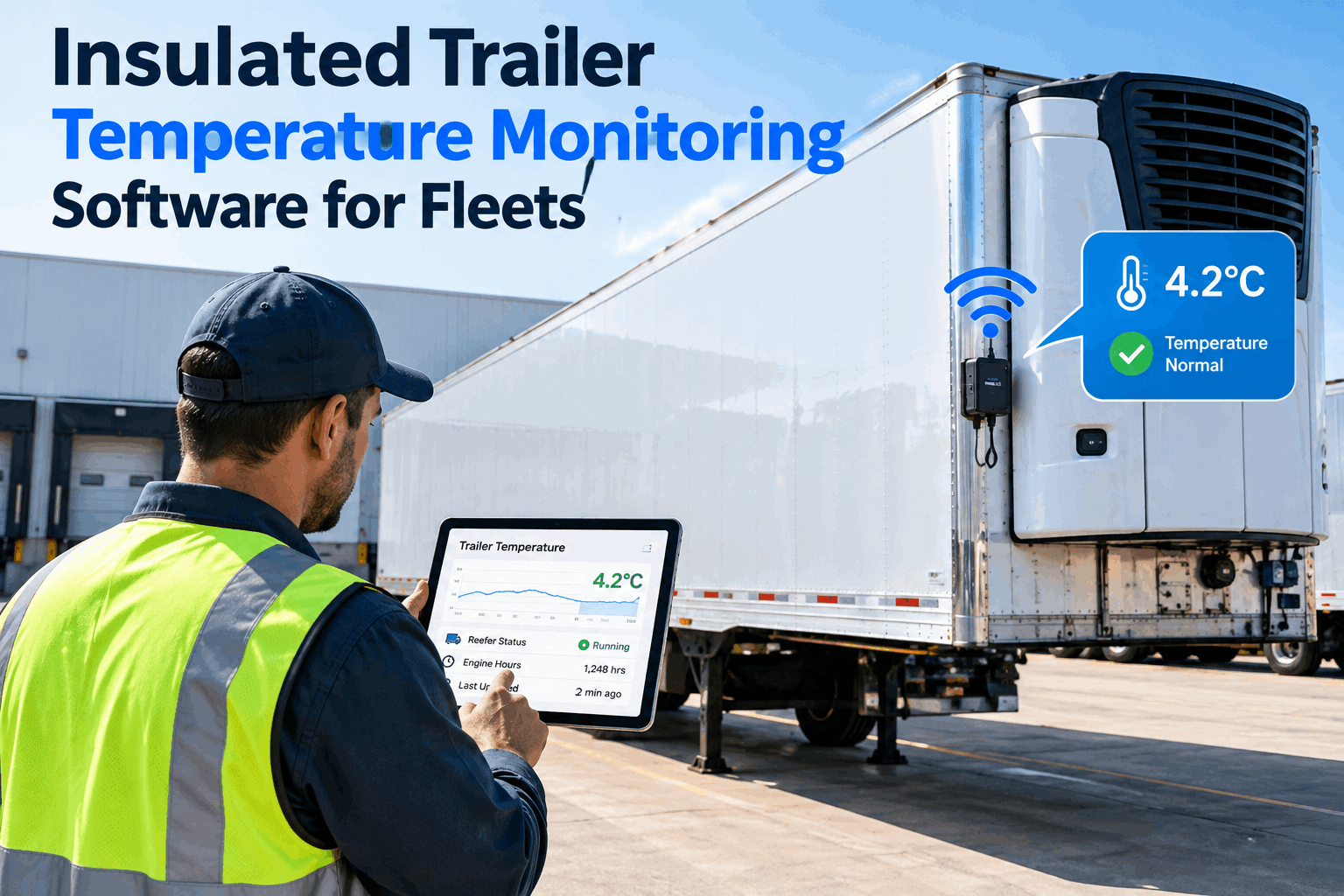
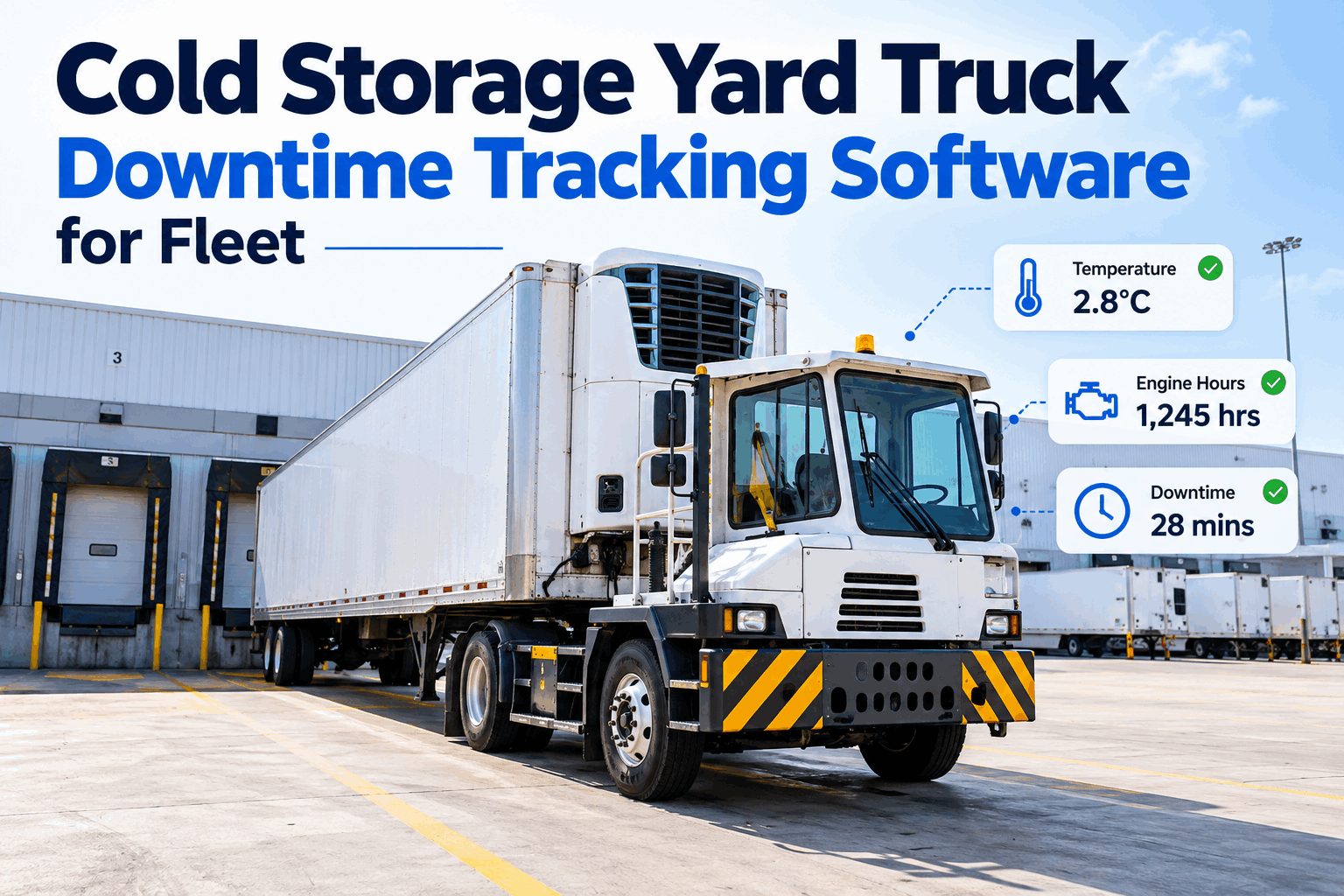
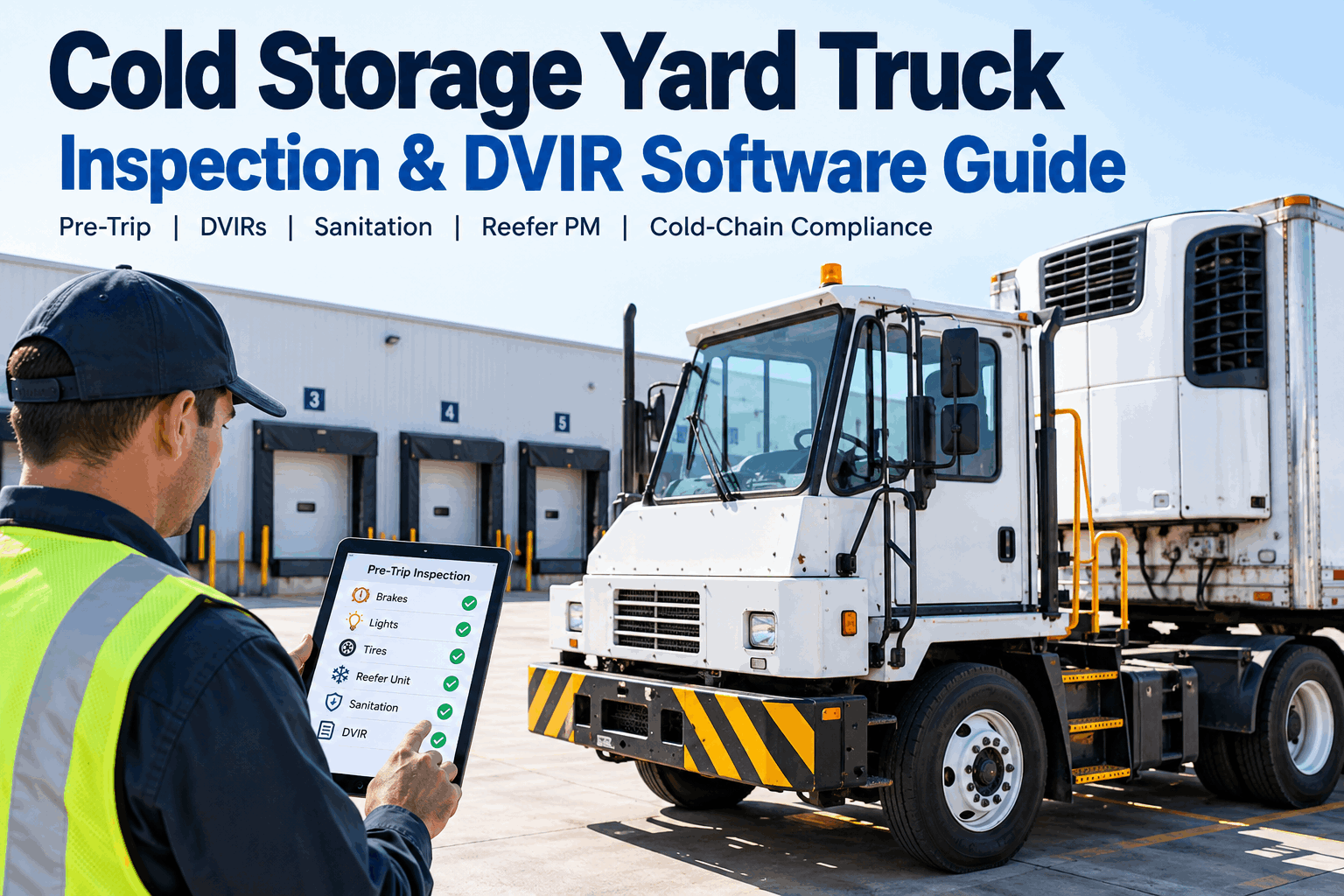
When a refrigerated truck carrying $180,000 in fresh produce runs two degrees above threshold for six hours—and the telematics system logs the anomaly but nobody acts—the load is condemned on arrival. The carrier absorbs the loss, the distributor misses their delivery window, and the end customer finds empty shelves. This isn't a temperature problem. It's a fleet management problem: no real-time alerting, no preventive maintenance schedule for the reefer unit, and no centralized dashboard connecting the dots between sensor data, driver behavior, and vehicle health. Modern cold chain operations can't be run on clipboards and check-in calls. Start your free FleetRabbit trial and see what systematic cold chain management looks like end-to-end.
Complete Operations Guide
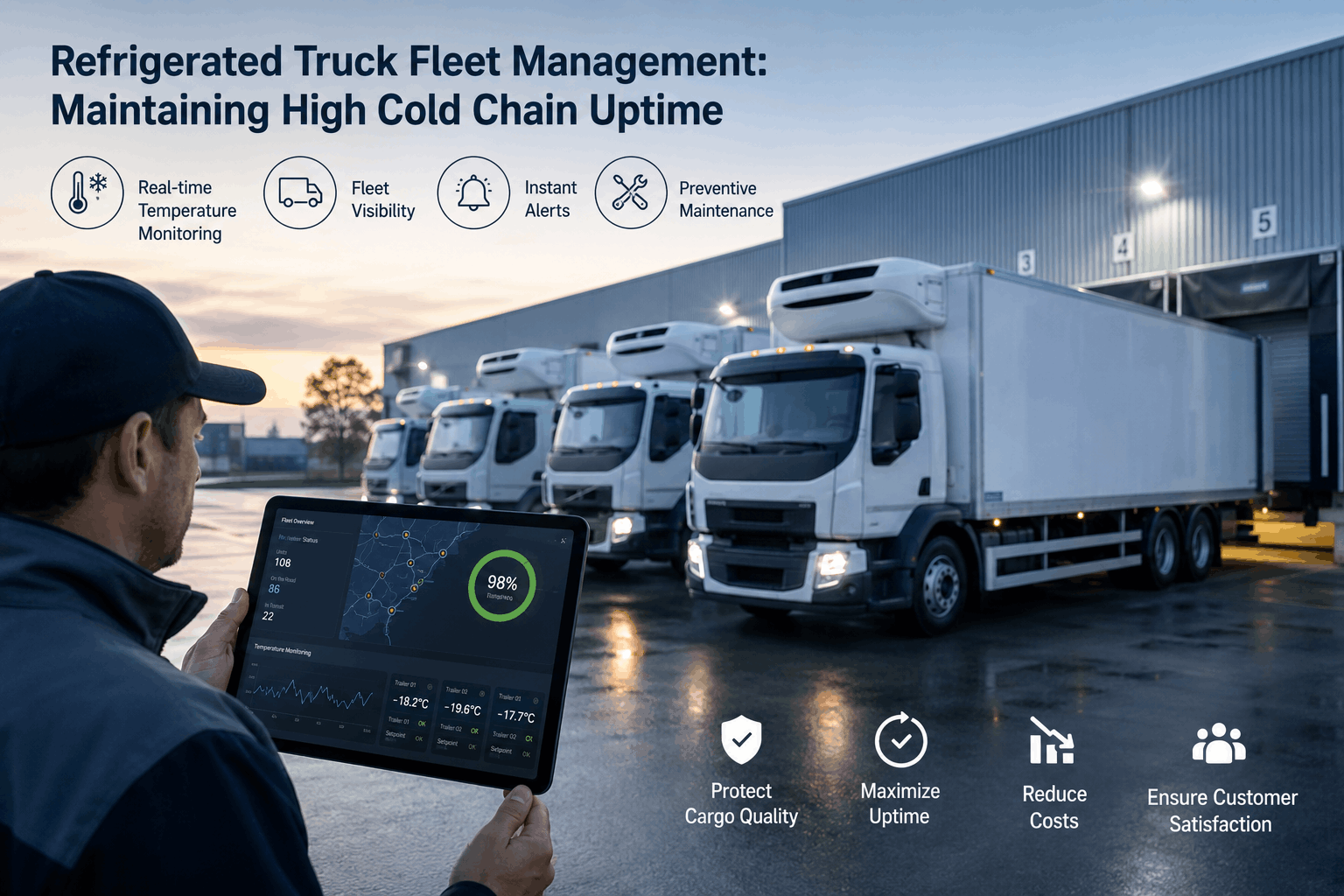
Refrigerated Truck Fleet Management: Maintaining High Cold Chain Uptime
Real-time temperature monitoring, preventive maintenance, and reefer fleet software that keeps food distributors running at maximum cold chain uptime
$35B+
Annual cold chain losses from temperature excursions in the U.S.
94%
Uptime achieved by fleets using predictive reefer maintenance
$52K–$180K
Average condemned load cost per temperature excursion incident
38 min
Average alert-to-action response with real-time fleet monitoring
Why Cold Chain Fleets Fail at the Worst Possible Moment
Most reefer fleet failures aren't sudden—they're the predictable result of deferred maintenance, ignored sensor data, and manual processes that can't scale. A fleet manager watching 40 trucks on a spreadsheet cannot realistically track engine hours on each reefer unit, flag recurring temperature deviations on specific trailers, or correlate driver pre-trip inspection notes with actual component failure rates. The result is a reactive operation: trucks break down mid-route, loads get condemned, and the root cause analysis happens after the loss—not before it.
The Six Critical Failure Modes of Unmanaged Reefer Fleets
No Real-Time Temp Alerts
67%
Fleets rely on driver-reported temperature checks. Excursions go undetected for hours, condemning loads that could have been saved with a 10-minute intervention.
Reactive Reefer Maintenance
58%
Reefer units are serviced after breakdowns, not before. Engine hour tracking, refrigerant levels, and belt inspections happen on paper—or not at all.
Siloed Vehicle & Cargo Data
51%
Vehicle GPS, reefer temperature logs, and driver DVIRs live in separate systems. No single view connects asset health to cargo integrity to route status.
Compliance Documentation Gaps
44%
FSMA requires continuous temperature records. Manual logs have gaps, illegible entries, and missing timestamps that expose carriers to regulatory liability.
Fuel Waste from Reefer Misuse
76%
Reefer units left running at incorrect setpoints or during extended dwell time. No automated setpoint enforcement. Fuel costs run 18–24% above optimized fleets.
No Repeat Failure Tracking
42%
The same trailer has recurring compressor issues across six routes. Nobody knows because work orders live in a binder and aren't linked to asset history.
The Cold Chain Uptime Pipeline: From Ignition to Delivery Confirmation
High-uptime cold chain operations follow a systematic pipeline where every stage—from pre-trip inspection to proof-of-delivery temperature log—is documented, monitored, and connected. When this pipeline runs through a single fleet management platform, temperature excursions trigger instant alerts, maintenance due dates are never missed, and every delivery creates a compliance-ready audit trail. The pipeline below represents the operational standard for food-grade distributors running 94%+ reefer uptime.
7-Stage Cold Chain Uptime Pipeline
Each stage has required checks, monitoring thresholds, and automated escalation triggers
1
Pre-Trip Reefer Inspection
Digital DVIR with reefer-specific checklist: setpoint verification, fuel level, door seal integrity, condenser coil, evaporator drain.
Before Departure
›
Trailer reaches target temp before loading. System confirms pre-cool achieved and logs timestamp. Load not authorized until threshold is met.
T-60 min
›
Continuous sensor data streamed to dashboard. Alerts fire within 90 seconds of threshold breach. Driver notified simultaneously with dispatch.
En Route
›
Automated escalation: driver → dispatcher → fleet manager. Nearest service location identified. Decision protocol: continue, reroute, or transfer load.
Within 10 min
›
5
Preventive Maintenance Trigger
Engine hours, mileage, and runtime hours automatically schedule reefer PM. Work orders generated before failure, not after. Parts pre-ordered by system.
Ongoing
›
6
Delivery Temp Verification
Temperature at time of delivery logged and attached to POD. Customer-facing compliance report generated automatically. Discrepancies flagged for review.
On Arrival
›
Daily uptime scores per asset. Repeat excursion flags. PM compliance rate. Fuel consumption vs. benchmark. Exportable for FSMA and customer audits.
Post-Route
Digitize Your Cold Chain Pipeline End-to-End
FleetRabbit's reefer fleet management platform connects pre-trip inspections, real-time temperature monitoring, automated PM scheduling, and compliance reporting into one dashboard—so your team acts on data before loads are at risk.
Reefer Maintenance Priorities & Service Intervals
Not every reefer maintenance item carries the same urgency. A failed door gasket on a parked unit is a next-morning repair. A compressor running hot mid-route on a seafood load is a stop-now situation. A tiered maintenance priority system—enforced by fleet software rather than dispatcher memory—ensures that critical failures trigger immediate response while scheduled PM items are completed before they become critical. The intervals below represent industry standards for Thermo King and Carrier reefer units in food distribution fleets.
Reefer Maintenance Priority Tiers & Service Intervals
Response: Immediate | Resolution: Pull from service now
Compressor failure or overheating
Refrigerant leak detected
Temperature excursion >5°F above setpoint
Fuel level critically low mid-route
Condenser fan motor failure
Immediate driver notification and dispatch alert. Reroute to service depot or authorize roadside repair. Do not continue to delivery with active reefer fault.
Response: Same Day | Resolution: Before next dispatch
Door seal wear or air leak
Drive belt showing wear indicators
Evaporator coil icing or blockage
Temperature deviation pattern (recurring)
Fuel filter approaching change interval
Flag unit for shop inspection before next assignment. Generate work order automatically. Assign replacement trailer if available.
Response: Planned | Interval: Every 1,500–2,000 engine hours
Engine oil & filter change
Belt and tensioner inspection
Refrigerant charge verification
Electrical system inspection
Defrost system test
Automated PM alerts at 250 hours pre-due. Work orders pre-generated with parts list. Scheduled during off-peak to minimize dispatch disruption.
Response: Scheduled | Interval: Every 90 days or 500 hours
Exterior coil cleaning
Door hardware lubrication
Sensor calibration check
Drain line flush
Trailer interior sanitization log
Bundled with scheduled PM visits. Driver-completable items added to digital DVIR checklist. Documented automatically in asset service history.
Before & After: What Reefer Fleet Software Actually Changes
Adopting fleet management software for a cold chain operation isn't just an efficiency upgrade—it restructures the entire risk profile of the business. When temperature data flows in real time, maintenance is driven by engine hours rather than gut feel, and every delivery carries a verified temperature trail, the entire operation shifts from one that absorbs losses to one that prevents them. The numbers below reflect the documented performance gap between manually managed reefer fleets and those running modern fleet software.
From 76% to 94% Uptime: Transform Your Cold Chain Operation
FleetRabbit's reefer fleet platform delivers real-time temperature monitoring, automated PM scheduling, GPS-linked sensor data, one-click compliance reports, and fleet health dashboards that cut excursion rates by 84% while keeping your maintenance team ahead of failures.
Building Audit-Ready Cold Chain Compliance Records
FSMA 204 and customer food safety audits require complete, continuous temperature records from pre-cool through delivery. A fleet that can't produce these records—or produces records with gaps, unsigned entries, or inconsistent timestamps—faces regulatory penalties, customer contract loss, and product liability exposure. The distributors who consistently pass audits build their compliance documentation from the first mile of every route, not the night before an inspection. When every sensor reading is automatically logged, every work order linked to an asset record, and every delivery stamped with a verified temperature, the audit package assembles itself. Book a demo to see FleetRabbit's compliance module.
Audit-Ready Cold Chain Compliance Package Components
01
Continuous Temp Records
Timestamped sensor readings at configurable intervals
Pre-cool confirmation log per trailer per trip
Delivery temperature attached to proof-of-delivery
02
Excursion Documentation
Timestamped threshold breach events with duration
Alert escalation log showing who was notified and when
Response action recorded with outcome
03
Asset Maintenance History
Complete work order history per reefer unit
PM completion dates and technician records
Calibration certificates for temperature sensors
04
Driver Inspection Records
Signed digital DVIRs with reefer checklist items
Pre-trip defect reports linked to work orders
Door seal and cargo integrity confirmations
05
Route & Load Chain of Custody
GPS route log correlated with temperature timeline
Stop events, door open/close timestamps
Load origin, carrier, and delivery confirmation
06
Fleet Uptime & Cost Summary
Per-asset uptime percentage by period
Maintenance cost per mile / per engine hour
Reefer fuel consumption vs. fleet benchmark
Expert Perspective: Uptime Is a System, Not a Luck of the Draw
"
The best cold chain fleets don't have fewer breakdowns because they bought better equipment. They have fewer breakdowns because they treat uptime as a managed outcome, not a hoped-for result. That requires two things most fleets lack: a software platform that tracks engine hours and flags PM due dates automatically before the failure window, and a real-time temperature monitoring layer that gives dispatch a 10-minute intervention window instead of discovering an excursion at the receiving dock. When a driver calls in saying the reefer is running warm, that's already a failure of the system—the alert should have reached dispatch before the driver noticed anything. We moved from 14 condemned loads a year to two, and we did it in 18 months, without replacing a single piece of equipment. We just started managing the equipment we already had.
— VP of Operations, Regional Food Distribution Carrier, 160-unit reefer fleet
94%
Reefer uptime achieved with predictive maintenance programs
84%
Reduction in temperature excursion incidents after software adoption
$2.4M
Average annual load loss savings for 100-unit reefer fleets
The food distributors achieving best-in-class cold chain uptime share a common infrastructure: fleet software that monitors reefer health continuously, PM systems that prevent failures rather than respond to them, compliance records that assemble automatically, and alert escalation that reaches the right person in minutes rather than hours. When these elements connect, cold chain management transforms from a high-anxiety reactive operation into a predictable, audit-ready, customer-satisfying machine. Start building your digital cold chain operation with the monitoring, maintenance, and compliance tools your fleet needs to run at 94% uptime.
Protect Every Load with Accountable Cold Chain Management
FleetRabbit's reefer fleet platform monitors temperature in real time, automates PM scheduling before failures happen, logs every route for FSMA compliance, and keeps your dispatch team acting on data—transforming cold chain management from a liability into a competitive advantage.
Frequently Asked Questions
How does real-time temperature monitoring work in a reefer fleet management system?
Real-time monitoring relies on IoT temperature sensors installed in the trailer cargo space and connected to the fleet management platform via cellular or satellite data link. Sensors log readings at configurable intervals (typically every 1–5 minutes) and transmit to a central dashboard. When a reading exceeds the configured setpoint threshold—by even a fraction of a degree—the system fires an alert to the driver's mobile device and simultaneously notifies the assigned dispatcher. The alert includes the asset ID, current temperature, setpoint, duration of excursion, and the truck's GPS location. FleetRabbit integrates with existing Thermo King, Carrier, and aftermarket sensor hardware, so most fleets can activate monitoring without replacing installed equipment. The key differentiator versus standalone data loggers is the active alerting: data loggers record excursions for post-delivery review; connected fleet software alerts you while the load is still saveable.
What preventive maintenance intervals should we use for refrigeration units?
Major reefer manufacturers publish recommended PM intervals by engine hour, not calendar time—because a reefer running continuous refrigeration accumulates hours far faster than the tractor pulling it. Standard intervals include: full PM service (oil, filters, belts, refrigerant check) every 1,500–2,000 engine hours; belt and tensioner inspection every 750–1,000 hours; coil cleaning and defrost system test every 90 days; and sensor calibration annually or per manufacturer spec. Fleet software enforces these intervals automatically by tracking reefer engine hours from the ECU and generating work orders at configurable lead times before the due date—typically 250 hours before the interval. This eliminates the "I thought someone else scheduled it" problem that causes most preventable failures.
How do we meet FSMA 204 requirements with fleet software?
FSMA 204 (Food Traceability Rule) requires shippers and carriers of foods on the Food Traceability List to maintain Key Data Elements including temperature records for refrigerated transport. Fleet management software satisfies this by: automatically recording continuous temperature logs with timestamps and GPS coordinates attached to each load; linking pre-cool confirmation records to specific trips; storing delivery temperature readings with proof-of-delivery timestamps; and generating exportable compliance reports that satisfy FDA audit requests within 24 hours of a request (the FSMA 204 standard). The critical requirement is that records must be traceable to specific lots and shipments—not just a general temperature log for the trailer. FleetRabbit's compliance module links sensor data to bill of lading numbers and customer delivery records to create the chain-of-custody documentation the rule requires.
What's the ROI calculation for reefer fleet management software?
The ROI case for reefer fleet software rests on four value streams: condemned load prevention (average $52,000–$180,000 per incident; software typically reduces incidents from 14–22 per year to 1–3), unplanned breakdown reduction (average $8,000–$14,000 per roadside failure including towing, emergency repair, and load rescheduling; PM software cuts unplanned breakdowns by 65–80%), fuel optimization (reefer units left at incorrect setpoints or running unnecessarily add 18–24% to fuel costs; software-enforced setpoints and idle monitoring recover much of this), and compliance cost avoidance (FDA penalty exposure for FSMA 204 non-compliance; customer contract penalties for temperature excursions). For a 40-unit reefer fleet with 6 condemned loads per year, preventing 4 of those loads alone typically covers the full annual software cost within the first 60 days of operation.
Can fleet management software integrate with our existing TMS and ERP systems?
Modern fleet management platforms are built with API-first architectures that connect to transportation management systems, ERP platforms, and customer portals. FleetRabbit supports integrations with major TMS platforms for load assignment and route data, ERP systems for parts inventory and work order cost posting, and customer portals for direct temperature report delivery. The most valuable integrations for cold chain operations are: TMS integration that automatically assigns temperature setpoints to trailers based on load specifications, ERP integration that posts maintenance work order costs directly to asset cost centers, and customer-facing temperature portals that give food service customers self-serve access to their delivery records without requiring manual report generation. Integration typically completes in 2–4 weeks depending on the existing systems involved.
May 20, 2026
By Taylor
All Posts