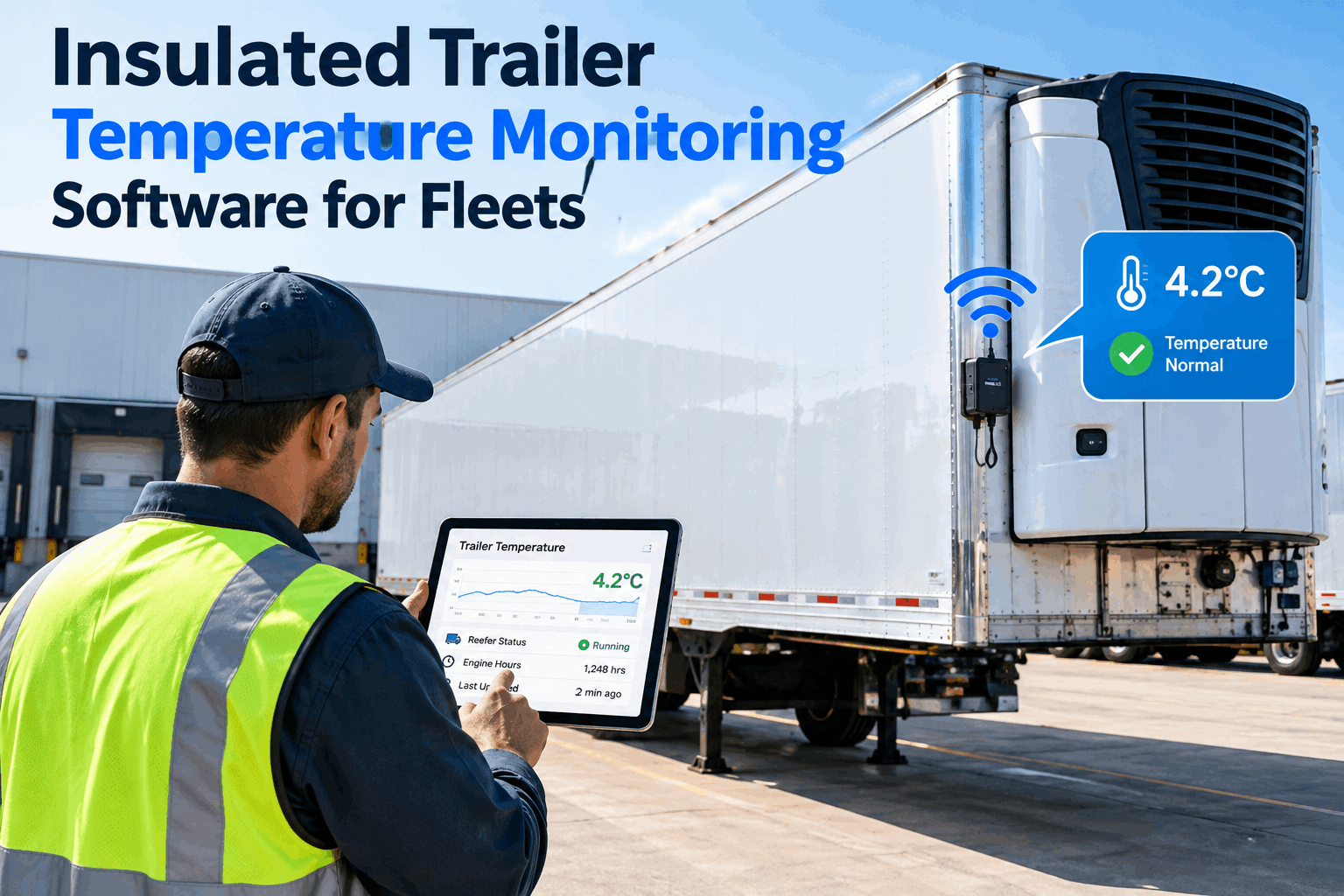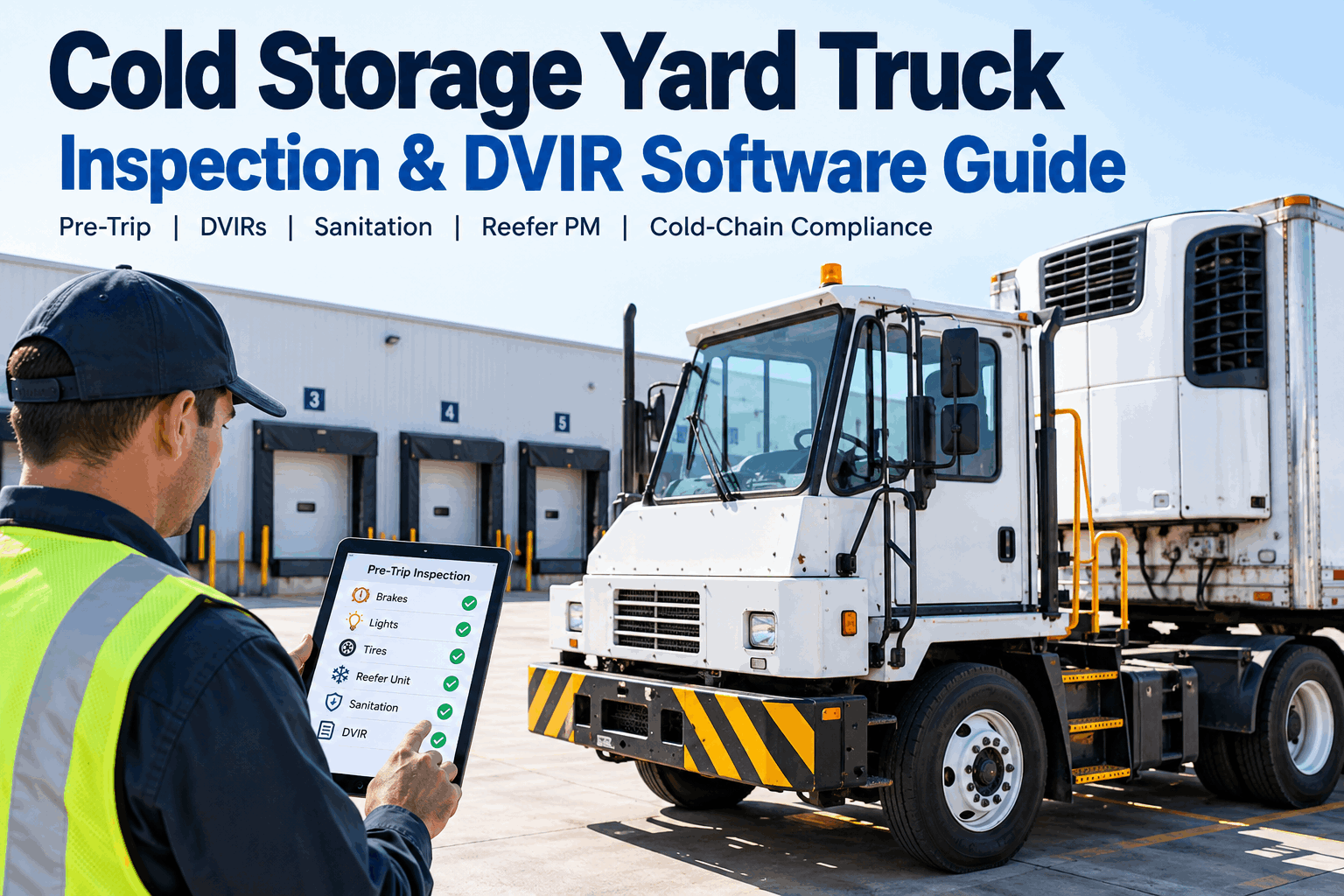
In cold chain logistics, pharmaceutical cold transport, and fresh food distribution, maintaining continuous thermal integrity across every mile is a non-negotiable regulatory requirement. Under the FDA Food Safety Modernization Act (FSMA Rule 204) and global Good Distribution Practice (GDP) standards, food distributors and perishable freight carriers must maintain immutable, uninterrupted temperature records from loading dock to final receiver acceptance. However, many refrigerated fleet operators still rely on manual USB data loggers, disconnected single-point wired thermocouples, or isolated trailer temperature displays. When temperature deviations occur mid-transit, these passive logging systems fail to provide immediate operational visibility—leaving drivers and dispatchers completely blind until a load arrives warm at the customer dock, triggering immediate shipment rejections, costly insurance claim write-offs, and compliance penalties. Modernizing your fleet with integrated wireless Bluetooth Low Energy (BLE) temperature probes and real-time IoT data loggers pairs sub-second thermal telemetry, automated door-switch triggers, and instant multi-zone alerts into an audit-ready compliance engine. To explore how automated cold chain sensor telemetry eliminates cargo loss across your delivery routes, book a technical sensor integration demo with our cold-chain engineering team or connect your active sensor loggers immediately through our free platform sign up.
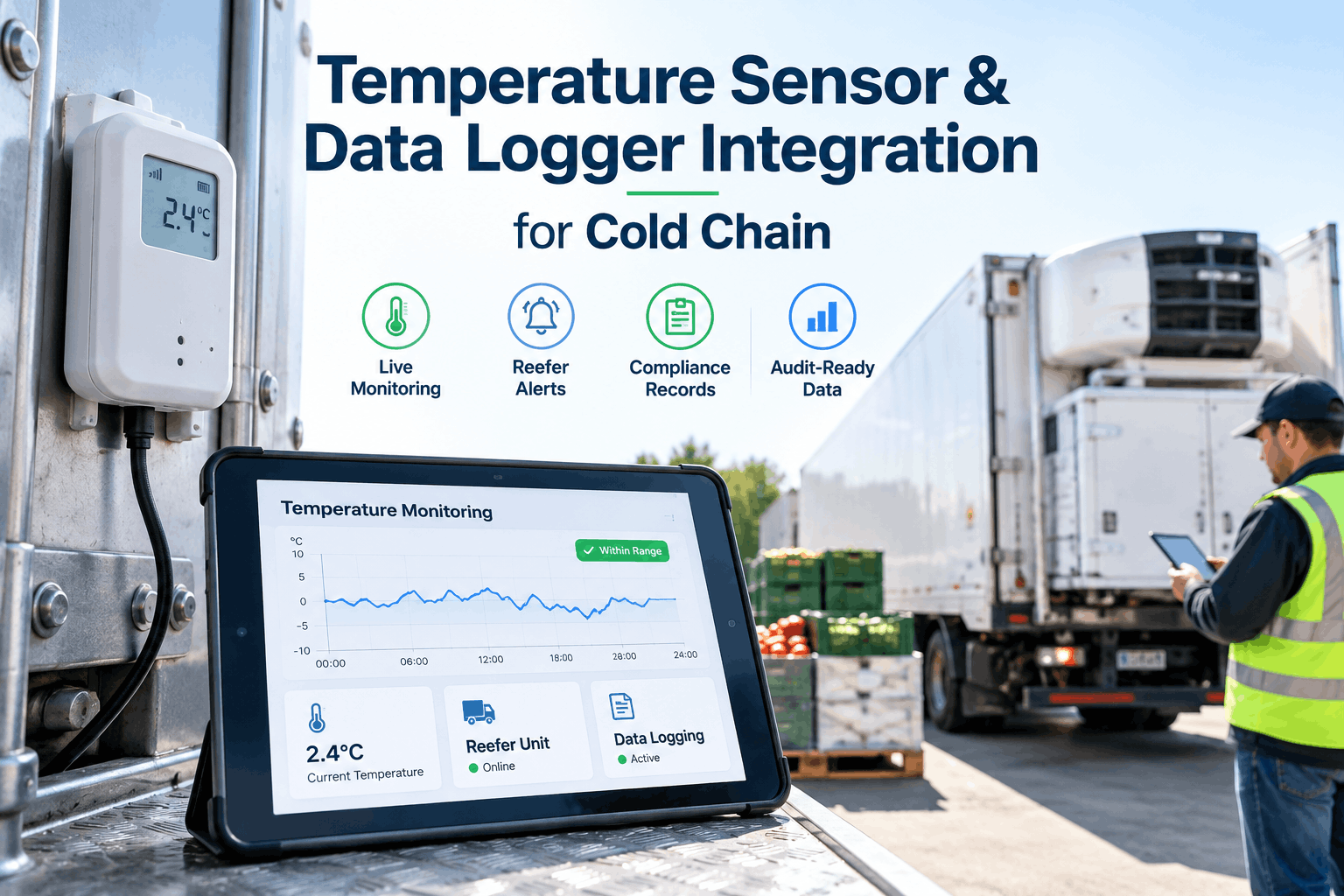
Temperature Sensor & Data Logger Integration for Cold Chain
An end-to-end engineering guide to deploying wireless BLE temperature sensors, connecting multi-channel IoT data loggers, configuring automated thermal variance alarms, and generating audit-ready FSMA compliance reports.
Achieve Continuous Thermal Visibility Across Every Cold-Chain Asset
Eliminate manual USB data downloads, automate temperature variance alerting, deploy multi-probe wireless monitoring, and guarantee FSMA compliance starting from $3/vehicle/month with no hardware lock-in.
The Technical Evolution: Passive USB Loggers vs. Real-Time IoT Sensor Integration
For decades, commercial refrigerated freight operations relied heavily on single-use USB temperature data loggers or manual thermal paper printouts to verify load conditions. While inexpensive upfront, passive data loggers present severe operational blind spots for cold-chain carriers and food shippers. A passive logger only reveals temperature excursions after the trailer arrives at the destination dock and the receiver downloads the file. If an auxiliary refrigeration unit shuts down mid-route due to an alternator failure, or if a driver accidentally sets the setpoint to 34°F instead of -10°F for ice cream, dispatchers learn about the catastrophe only when the receiver turns the entire truck away. Integrated wireless IoT temperature data loggers eliminate this lag by transmitting real-time sensor telemetry every 30 seconds via cellular gateways to the central cloud. Fleet operators and quality assurance leads receive instant SMS and mobile notifications the second temperatures breach acceptable tolerance thresholds, allowing dispatchers to instruct the driver or adjust setpoints remotely before product degradation begins. Logistics leaders can explore automated temperature integration by scheduling an interactive cold-chain IoT demonstration or configure custom temperature sensor profiles via our quick platform sign up.
Wireless Bluetooth Low Energy (BLE 5.2) Probes
Modern cold-chain deployments use compact, industrial-grade BLE probes that mount magnetically or adhere with industrial tape to interior trailer walls, ceiling air chutes, and movable bulkheads. Operating without internal wiring, they transmit temperature and relative humidity up to 100 meters through insulated trailer walls.
Cellular IoT Gateway & Local Buffer Logging
The telematics gateway installed in the tractor cab or trailer nose captures beacon data from all active probes. To prevent data loss in remote cellular dead zones, the gateway features non-volatile internal flash memory that buffers up to 30,000 readings, syncing to the cloud immediately upon reconnection.
Multi-Tier Dynamic Threshold Alerting
Cold-chain products require tailored monitoring. The platform applies dynamic alert logic (e.g., Warning Alert: > 38°F for 15 minutes; Critical Alarm: > 41°F for 5 minutes). Dispatchers receive automated SMS and mobile push notifications, enabling immediate corrective routing before product spoils.
Automated FSMA Rule 204 Audit Records
Under FDA FSMA Section 204 traceability rules, food shippers must provide digital temperature dossiers for high-risk foods. FleetRabbit generates cryptographically verifiable temperature charts combining sensor readings, GPS route breadcrumbs, door-open events, and driver pre-trip logs into a single exportable PDF.
Direct Technical Matrix: Manual Data Loggers vs. FleetRabbit Real-Time Telemetry
Operating a refrigerated transport fleet with manual USB loggers or disjointed standalone sensors creates severe administrative delays and leaves cargo exposed to unmonitored thermal spikes. Review how legacy passive data loggers compare directly against FleetRabbit's automated, wireless IoT sensor integration platform across essential cold-chain performance metrics. Transportation directors and quality control leaders can evaluate custom sensor deployment models by scheduling an executive telematics software demo or explore our sensor onboarding workflows via our self-service sign up.
| Cold Chain Telemetry Dimension | Passive USB Loggers & In-Cab Displays | FleetRabbit Wireless IoT Sensor Engine | Carrier & Shipper Advantage |
|---|---|---|---|
| Data Transmission Latency | Delayed; downloaded only after delivery completion | Real-time sub-minute cellular and BLE transmission | Enables immediate mid-transit thermal intervention |
| Multi-Zone Compartment Coverage | Requires manual placement of multiple loose loggers | Wireless BLE mesh covering frozen, chilled, & ambient | Full visibility across multi-temp bulkheads |
| Door-Open Event Correlation | None; cannot explain sudden thermal spikes on chart | Magnetic door sensors correlate dwell with temps | Distinguishes routine delivery stops from unit failures |
| Regulatory Audit Retrieval Speed | Days spent tracking down physical USB files | Instant 1-click cloud generation of certified logs | Satisfies FDA FSMA Rule 204 audits in seconds |
| Sensor Installation & Wiring Friction | Hardwired probes require drilling through trailer walls | Peel-and-stick wireless probes installed in 5 minutes | Zero vehicle downtime and no structural modifications |
4-Stage IoT Sensor Provisioning & Monitoring Workflow
FleetRabbit standardizes cold-chain sensor integration into an automated, four-stage workflow that takes your refrigerated equipment from initial probe pairing to certified customer delivery, ensuring complete food safety discipline on every mile. To see how these stages work together, book a live walkthrough demo of our sensor management console.
Probe Pairing & Zone Assignment
Technicians scan the QR code on wireless BLE probes using the mobile app, assigning each sensor to a specific trailer zone (e.g., Nose Return, Center Bulkhead, or Rear Door) in under 60 seconds.
Threshold Matrix Configuration
Dispatchers select the cargo temperature profile (deep-frozen seafood, fresh poultry, fluid dairy, or pharmaceuticals), establishing upper and lower warning thresholds and maximum allowable door-open dwell times.
Real-Time Transit Polling & Alerts
While en route, probes stream temperature and humidity telemetry to the IoT gateway every 30 seconds. If a setpoint drifts or a reefer engine fails, automated SMS alerts notify dispatch and the driver instantly.
Automated ePOD & Trip Ledger Archive
Upon arrival at the receiver dock, the system generates a cryptographically signed thermal trip certificate, proving continuous temperature compliance throughout transit and clearing the consignment for unloading.
Financial Capital Stewardship: Eliminating Cold-Chain Thermal Waste
Operating a refrigerated transport fleet without real-time temperature telemetry creates compounding operational losses across ruined perishable cargo, rejected shipments, wasted auxiliary reefer fuel, and lengthy dispute investigations. When a reefer unit shuts off undetected on a long haul, an entire $80,000 load of fresh meat or pharmaceuticals is ruined in hours. Analyzing these systemic cost drivers helps cold-chain fleet leaders build an airtight business case for integrated IoT sensor technology. Calculate your fleet's exact cost recovery by booking an operational assessment demo or get started directly via our rapid platform sign up.
Top Causes of Cold Chain Budget Waste from Inadequate Monitoring
Sensor Platform Engineering Strengths
Supports up to 16 wireless BLE temperature, humidity, and door-switch probes per trailer with zero internal wiring or structural drilling.
Automated multi-channel alerts via SMS, email, and mobile push notifications the instant return or discharge air drifts beyond safe bands.
Integrates seamlessly with existing telematics gateways and OEM microprocessors (Carrier Transicold APX, Thermo King SR-4) with zero vendor lock-in.
ROI & Scalability Framework for Temperature-Controlled Fleets
When investing in wireless cold-chain telemetry, operations leadership must measure financial returns across cargo claim reduction, labor efficiency, asset preservation, and customer retention. FleetRabbit delivers quantifiable financial return across all primary temperature-controlled transport metrics. To model your fleet's customized cost recovery forecast, schedule an executive briefing demo with our engineering team or start connecting your cold-chain sensors today with a free account.
Zero Spoilage Write-Offs
Continuous sub-minute monitoring allows dispatchers to intercept and resolve reefer failures or incorrect setpoints before product core temperatures breach critical safety thresholds.
Automated Compliance Logging
Eliminating physical USB logger retrieval, manual spreadsheet consolidation, and paper temperature logs saves hours of administrative labor weekly for dispatchers and QA leads.
100% Audit Readiness
Generate cryptographically verified, audit-ready temperature records formatted directly for FDA FSMA Rule 204 and global GDP compliance standards in seconds.
Frequently Asked Questions: Temperature Sensor & Data Logger Integration
How do wireless BLE temperature sensors communicate with the central fleet software?
Wireless Bluetooth Low Energy (BLE 5.2) probes transmit encrypted temperature and humidity broadcast beacons every few seconds. These signals are received by an in-cab telematics gateway or a trailer-mounted IoT modem. The gateway consolidates the multi-probe data and uploads it to the FleetRabbit cloud platform via a secure cellular LTE-M connection every 30 seconds.
What happens to temperature logging if a truck drives through an area with no cellular service?
FleetRabbit's IoT gateways feature non-volatile internal flash memory. When cellular connectivity drops in tunnels or remote rural corridors, the gateway continues logging all probe readings locally, buffering up to 30,000 data points. The moment cellular service is restored, the gateway automatically uploads the buffered data to the cloud, ensuring zero data loss on compliance graphs.
How difficult is it to install wireless temperature probes in an existing reefer trailer?
Installation takes less than five minutes per probe. Because the sensors are completely wireless and battery-powered, there is no need to drill through trailer bulkheads or run electrical wiring to the tractor battery. Probes can be adhered using industrial-strength 3M VHB tape or magnetic brackets directly to trailer side walls, ceilings, or movable bulkheads.
Can the software distinguish between routine door openings and genuine refrigeration failures?
Yes. FleetRabbit integrates magnetic door-switch sensors with temperature telemetry. When a driver opens the rear door for a scheduled delivery drop, the software logs a "Door Open" status and applies an allowable thermal recovery buffer, preventing false alarms while still alerting dispatch if doors remain open past acceptable time limits.
Upgrade Your Cold-Chain Fleet with Real-Time Sensor Telemetry Today
Eliminate thermal cargo claims, automate FSMA Rule 204 compliance logging, and gain total temperature visibility across every compartment. Experience FleetRabbit today with zero proprietary hardware lock-in.