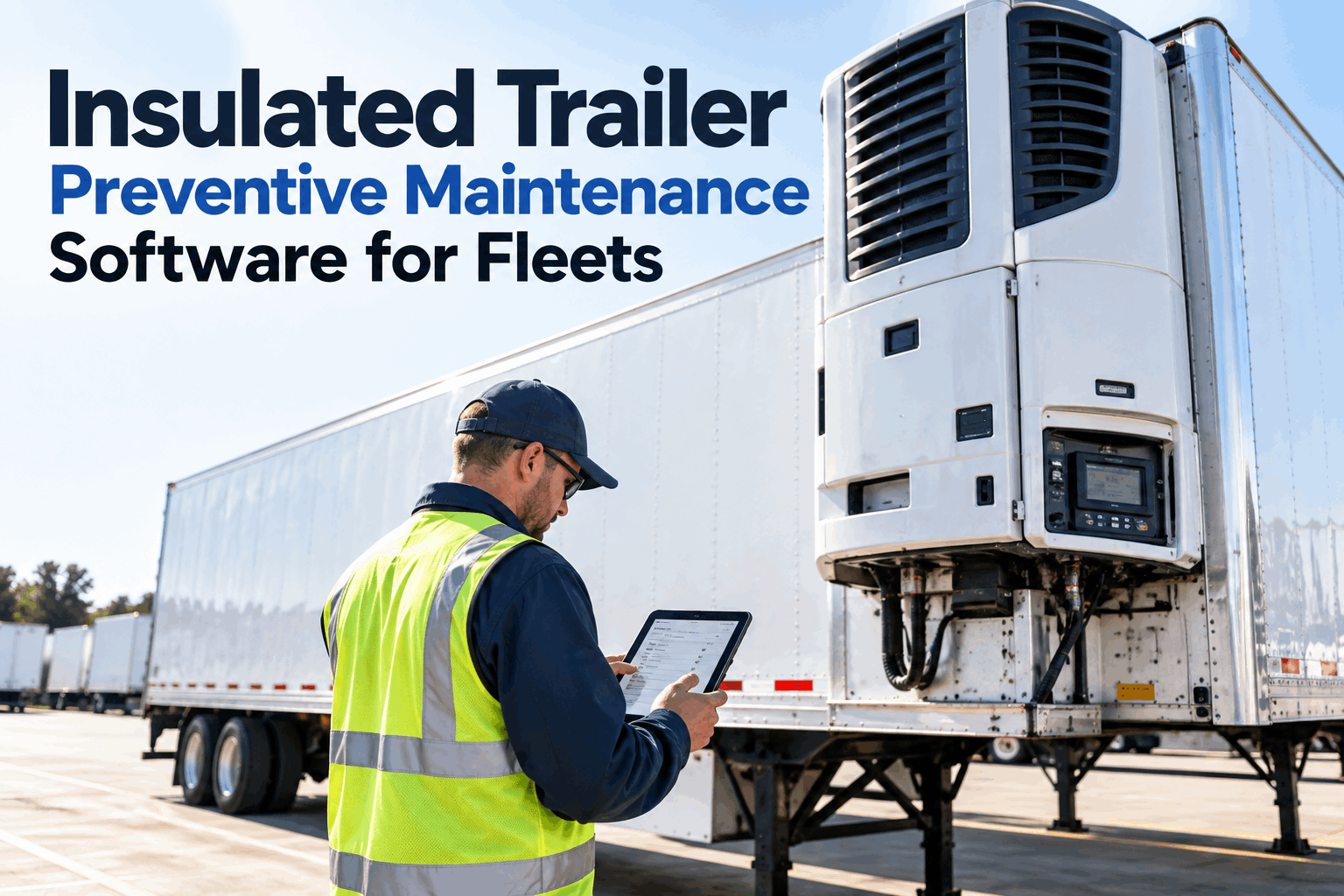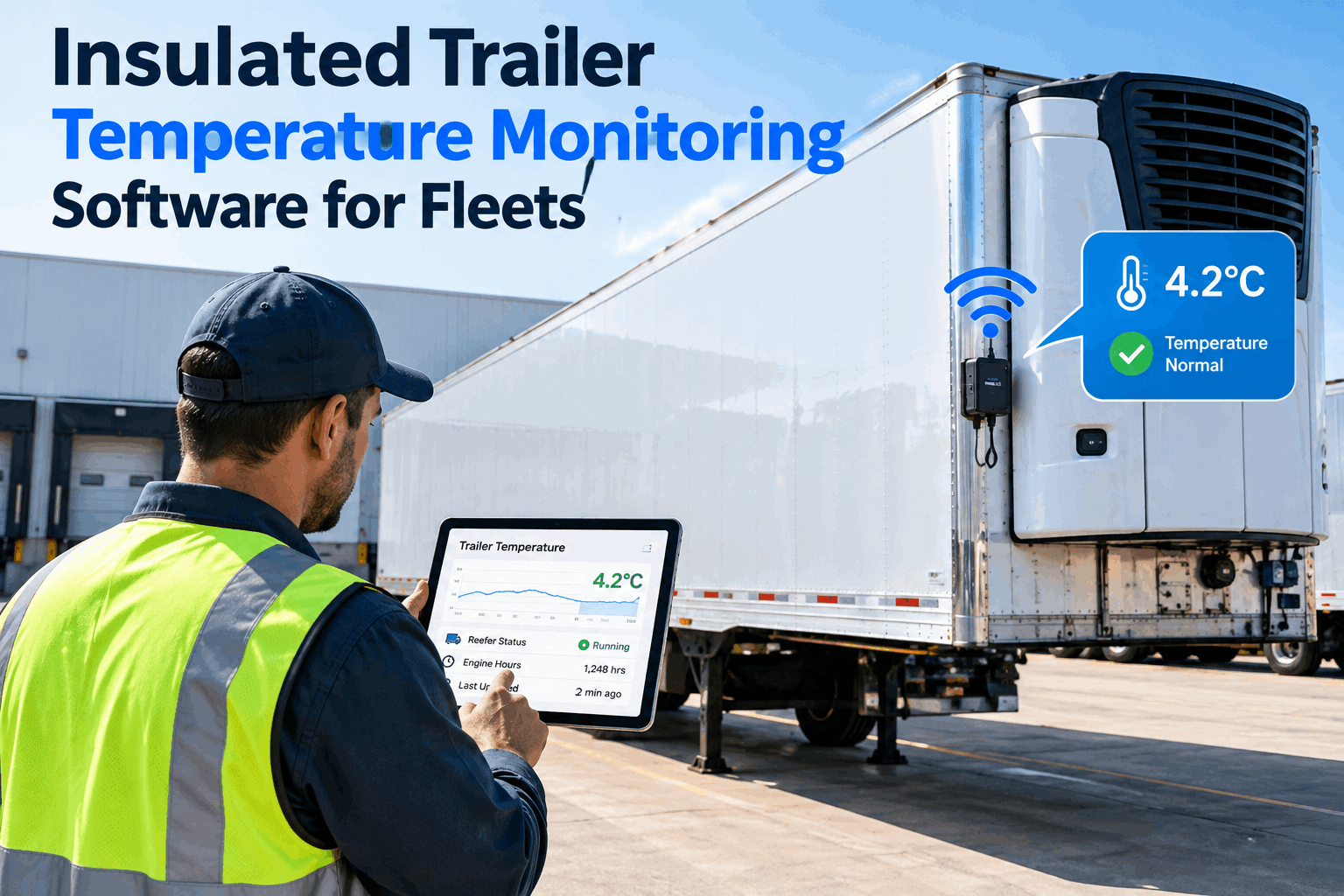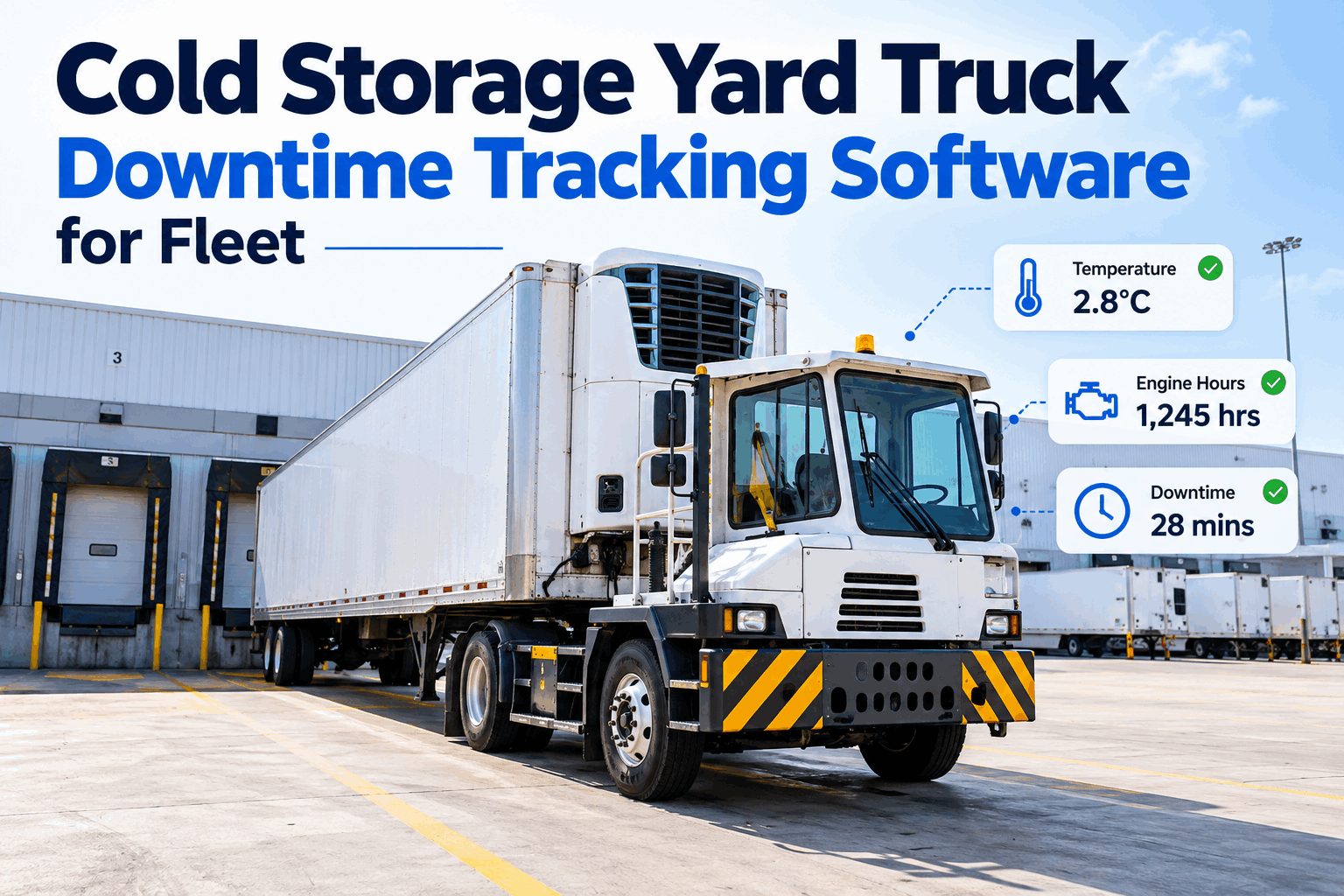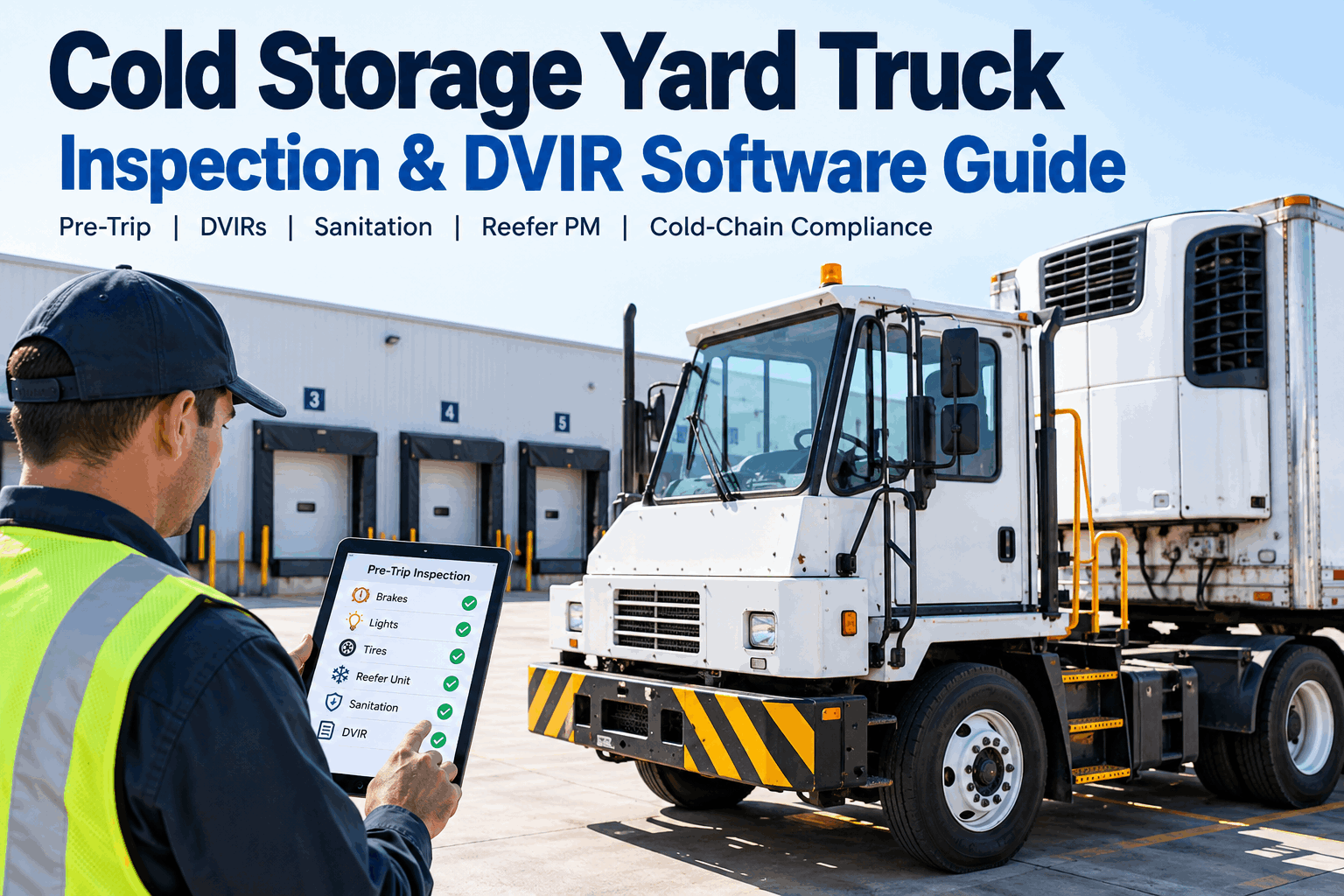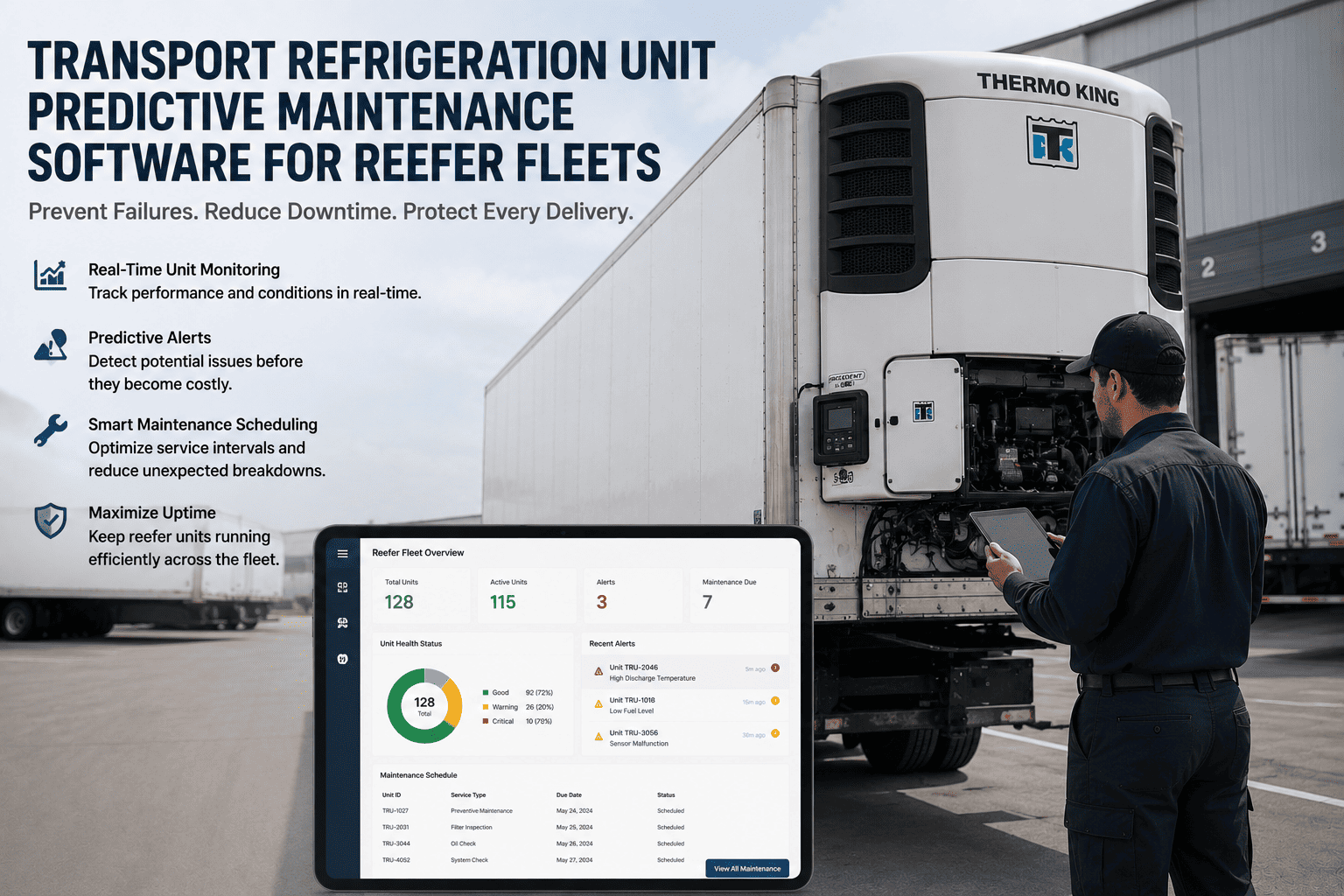
A reefer trailer rarely fails without warning. Long before a compressor seizes or a setpoint drifts out of range, the unit has usually been telling a quieter story — a slightly longer pull-down time, a compressor cycling more often than it used to, a discharge pressure that creeps a few points higher every week. Most fixed maintenance schedules never look closely enough to notice. Transport refrigeration unit predictive maintenance software is built specifically to catch that story early, turning scattered sensor readings into a clear signal that a technician can act on before a load is lost. For teams moving perishables, pharmaceuticals, or anything else that lives or dies on temperature control, that early signal is the difference between a scheduled repair and a rejected shipment.
Where transport refrigeration units actually fail
A reefer unit is really four separate systems working together, and each one degrades in its own way. Predictive maintenance software watches all four continuously instead of waiting for a fixed interval to come around, and once you sign up you can see this mapped against your own fleet within a day.
Rising discharge pressure and longer run times are usually the first sign of a compressor working harder than it should, often weeks before it stops cooling altogether.
Ice buildup, restricted airflow, and uneven box temperatures show up as inconsistent pull-down times long before a driver notices a warm spot in the trailer.
A worn seal rarely trips an alarm on its own. It shows up instead as more frequent compressor cycling, which is exactly the kind of pattern a model is built to catch.
Voltage irregularities and abnormal fuel draw often precede a full electrical or controller failure, especially on units running extended unattended routes.
How predictive maintenance software reads a reefer unit's vital signs
The value isn't in collecting more data. It's in knowing what that data means for this specific unit, on this specific route, before anything goes wrong. If your team wants to see it running on your own fleet, you can sign up and connect your first trailer in an afternoon, or book a demo if you'd rather walk through it with someone first.
Continuous sensor capture
Temperature, discharge and suction pressure, compressor cycle frequency, door events, and power draw are logged around the clock, not just at inspection time.
A baseline for every unit
The software learns what normal performance looks like for each reefer, factoring in route, season, cargo type, and ambient conditions, instead of applying one generic threshold to the whole fleet.
Anomaly detection
When readings drift away from that baseline, the system flags it days or weeks ahead of a breakdown, rather than after a temperature alarm has already fired.
A work order, not just an alert
Instead of a vague warning, technicians get a prioritized work order with the likely cause, so a shop visit turns into a targeted repair rather than a guessing game.
Compliance logged automatically
Every reading, alert, and repair is timestamped and stored, building the audit-ready record that food safety and pharmaceutical compliance teams ask for.
See it against your own reefer data
Connect a handful of trailers and watch how quickly patterns surface. Most teams see their first meaningful anomaly flag within the first two weeks of monitoring.
Reactive, preventive, or predictive: what's the difference
Most cold chain fleets run some mix of all three. Understanding what each one actually catches makes it easier to see where predictive maintenance closes the gap, and it's usually easier to show than explain, which is why most teams just book a demo once they've compared the columns below.
What FleetRabbit watches on every reefer unit
The platform pulls reefer telematics, temperature sensors, and maintenance history into one place, so nothing about a trailer's health lives in a separate system from the rest of the fleet. Teams that sign up typically start with two or three of these views and expand from there.
Real-time temperature & humidity
Live readings from every zone of the trailer, with automatic alerts the moment a reading trends toward a setpoint breach.
Compressor & refrigerant health
Discharge pressure, suction pressure, and cycle frequency are tracked against each unit's own operating history.
Door events & dwell time
Frequent or extended door openings are flagged before they turn into a full temperature excursion.
Fuel & power consumption
Abnormal draw is often the earliest signal of a controller or electrical issue, well before a fault code appears.
Automated compliance records
Continuous, timestamped logs replace manual paper records that regulators and auditors no longer accept as sufficient.
Maintenance work orders
Anomalies convert directly into prioritized work orders, linked to the specific unit's repair history.
Built around food safety, not just fleet uptime
For food and beverage carriers, uptime is only half the job. Regulatory frameworks around perishable transport now expect continuous, verifiable temperature records rather than periodic spot checks, and a fleet that can't produce that history quickly during an audit carries real liability. Predictive maintenance software addresses both sides of that problem at once: it protects the cargo by catching mechanical drift early, and it protects the business by keeping a complete, timestamped record of every reading and repair. If your compliance team is still stitching together paper logs and spreadsheets, it's worth taking a closer look, and you can book a demo to see how the record-keeping runs itself in the background.
The same monitoring that flags a failing compressor also builds the traceability trail auditors ask for after the fact. Instead of reconstructing what happened during a claim dispute, the data is already there, timestamped and tied to the specific trailer, route, and load. Teams that have moved off manual logging typically describe the audit process itself changing from a scramble to a formality. It's a small operational shift with a large downstream effect on how confidently a carrier can take on temperature-sensitive contracts, and it's a big part of why more cold chain operators sign up for this kind of monitoring before they're forced to by a lost load or a failed audit.
Stop finding out about failures at the dock
Get real-time visibility into every reefer unit in your fleet, with alerts that arrive days before a breakdown, not after.
Common questions about reefer predictive maintenance
What is transport refrigeration unit predictive maintenance software
It's software that reads live data from a reefer unit's sensors and telematics, learns what normal performance looks like for that unit, and flags mechanical drift before it turns into a breakdown or a temperature excursion. It's different from a fixed maintenance calendar because it responds to actual equipment condition rather than a preset interval.
How is this different from the maintenance schedule my fleet already follows
A fixed schedule services every unit at the same interval regardless of how it's actually performing, which means healthy units get serviced too early and struggling units can fail between checks. Predictive maintenance reprioritizes attention toward the units that show real signs of wear, while leaving healthy units alone.
Can predictive maintenance prevent every reefer breakdown
No system catches everything, particularly sudden mechanical or electrical faults with no gradual warning pattern. What it reliably does catch is the far larger share of failures that develop gradually over days or weeks, which is where most cargo losses actually come from.
Does this replace my maintenance technicians
No. It changes what technicians spend their time on. Instead of working through a fixed list of units regardless of condition, or responding to roadside breakdowns, technicians get a prioritized list with the likely cause already identified, so their time goes toward units that genuinely need it.
How long does setup take on an existing reefer fleet
Most fleets connect their first trailers within a day, since the software works with existing reefer telematics and sensor data rather than requiring a full hardware replacement. If you want to see the setup steps in your own dashboard, you can sign up directly, or book a demo and have someone walk through it live. Baseline learning for each unit typically sharpens over the first two to three weeks of monitoring.
Is this only useful for large fleets
Smaller fleets often feel the impact of a single spoiled load more acutely, since there's less capacity to absorb the loss. A fleet of any size running temperature-sensitive freight has something to gain from catching failures before they reach the dock.