Modern perishable food distribution networks, commercial grocery wholesalers, and broadline foodservice carriers rely on multi-zone temperature discipline to transport heterogeneous freight across complex regional routes. Delivering frozen proteins, sensitive chilled dairy, fresh produce, and climate-controlled dry goods inside a single transport vehicle requires rigid compartment isolation, multi-temp transport refrigeration unit (TRU) zoning, and continuous wireless probe telemetry. When food logistics operations lack multi-zone visibility, cold air short-circuits across movable bulkheads, causing deep-frozen ice cream to melt or delicate leafy greens to suffer irreversible frostbite damage. Failing to maintain discrete thermal boundaries violates FDA Food Safety Modernization Act (FSMA Rule 204) mandates, resulting in costly receiver rejections at the dock. Dedicated multi-zone cold chain software synchronizes return and discharge airflow sensors, monitors movable bulkhead door sweeps, and automates real-time compliance reporting across all compartments. To evaluate how our platform protects multi-temperature margins, book a technical walkthrough demo with our cold chain engineering team or launch your multi-zone fleet profile right away through our free platform sign up.
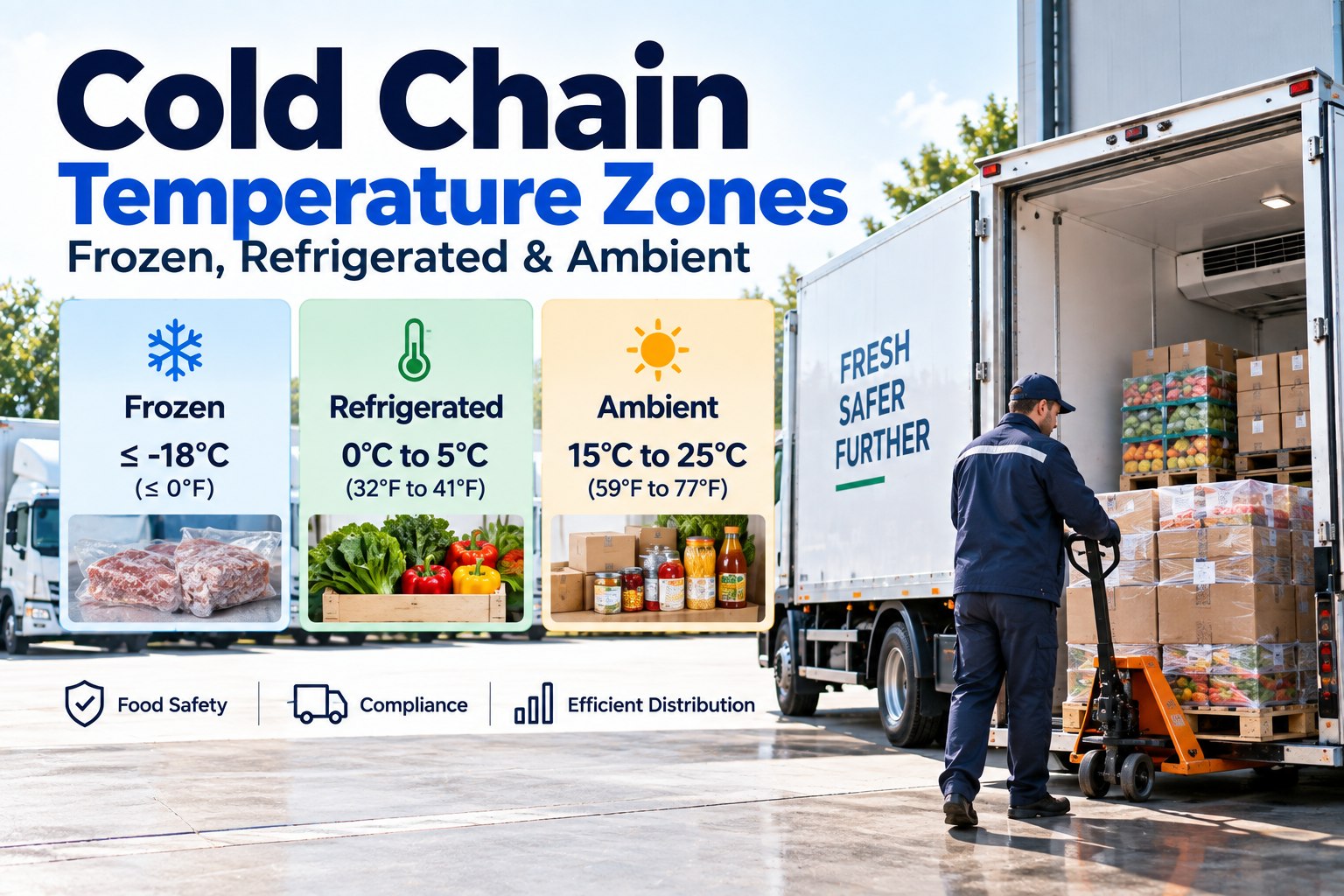
Cold Chain Temperature Zones: Frozen, Refrigerated & Ambient
A comprehensive technical reference for perishable fleet directors and quality assurance managers. Compare thermodynamic profiles, operational holding benchmarks, multi-temp bulkhead configurations, and continuous sensor monitoring protocols across the three primary food logistics zones.
Master Multi-Zone Temperature Discipline Without Cargo Loss
Consolidate frozen, chilled, and ambient cargo in unified delivery vehicles. Monitor independent wireless probes, automate bi-directional evaporator setpoints, and defend distributor margins starting from $3/vehicle/month with no hardware lock-in.
The Biophysical Science Behind Multi-Temperature Distribution
Perishable distribution is governed by biological thresholds that dictate product quality, pathogen dormancy, and cellular respiration. A standard 53-foot trailer cannot treat all foods identically: placing fresh iceberg lettuce or ripe strawberries into the same airflow stream as frozen beef causes cell wall rupture, discoloration, and liquid weeping that turns fresh produce into unmarketable mush. Conversely, loading temperature-sensitive pharmaceutical vaccines, fluid dairy, or chocolate confections into uninsulated or poorly monitored compartments risks denaturing chemical active ingredients or creating unsightly fat bloom. Multi-zone refrigerated fleet operations resolve this challenge through insulated modular bulkheads that divide trailer interiors into isolated thermal micro-climates. Remote secondary evaporators mounted on the trailer ceiling deliver dedicated cooling to rear compartments, while wireless Bluetooth Low Energy (BLE) temperature probes track return and discharge air independently. Quality assurance teams can inspect live multi-zone sensor logs by booking an interactive multi-temp engineering demo or configure test multi-zone parameters directly through our quick platform sign up.
Frozen Zone Dynamics: Preventing Ice Recrystallization
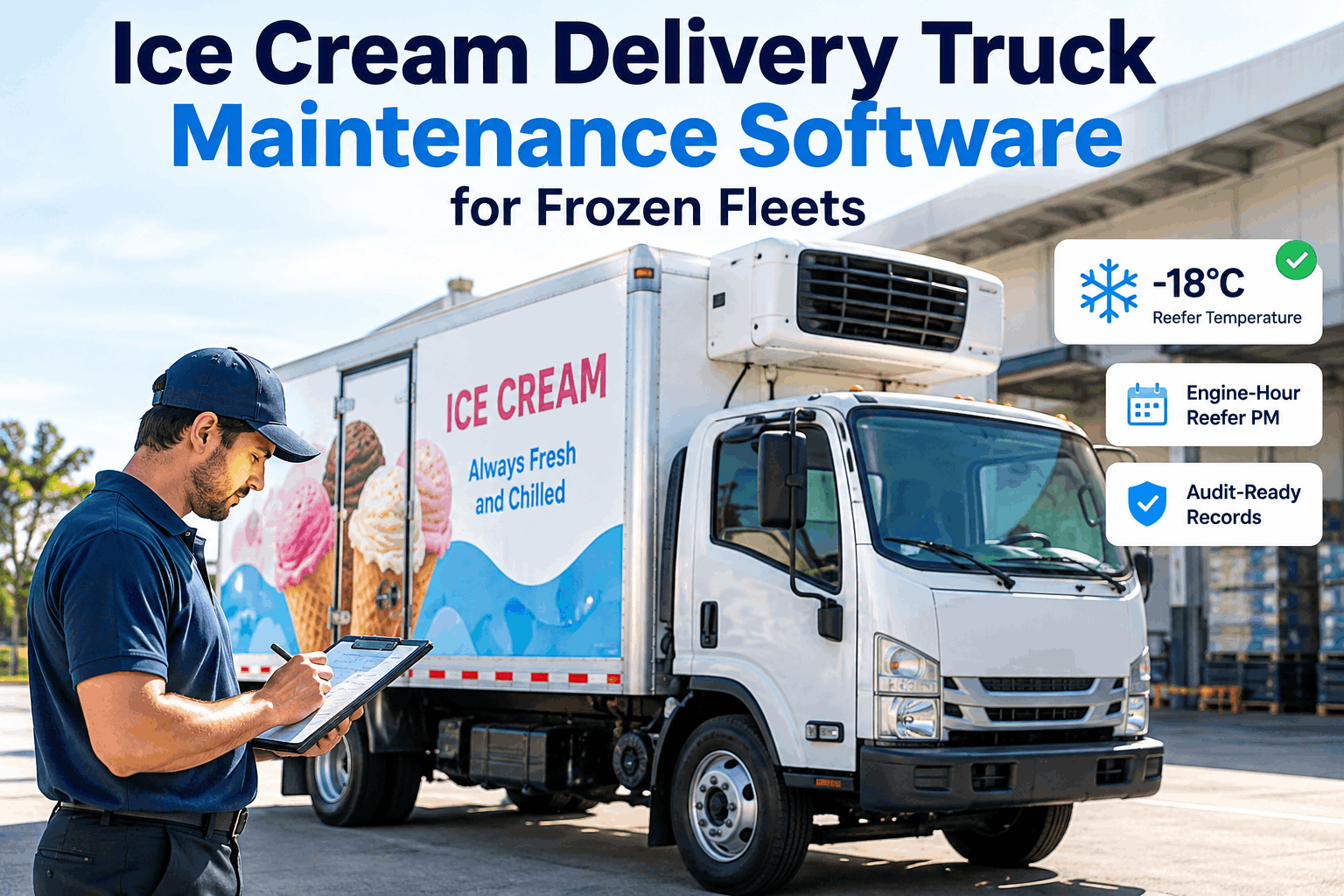
Frozen foods must remain below 0°F (-18°C), with premium products like ice cream requiring -10°F to -20°F. When temperatures fluctuate upward even temporarily to 10°F, microscopic water droplets melt and re-freeze into coarse ice crystals, degrading product texture, destroying mouthfeel, and causing packaging frosting that receivers reject on sight.
Chilled Zone Thermodynamics: Halting Bacterial Proliferation
The refrigerated zone (32°F to 40°F) holds biological items where bacterial replication accelerates logarithmically above 41°F (5°C). Psychrotrophic bacteria like Listeria monocytogenes and spoilage molds multiply rapidly when airflow short-cycles. Simultaneously, airflow must not drop below 31°F, preventing frost bite on tender produce skins.
Controlled Ambient Zone: Moisture and Condensation Defense
Controlled Room Temperature (55°F to 75°F) prevents tropical fruits (bananas, mangoes) from turning black due to chill injury, keeps honey and bakery goods flowing, and shields chocolate from blooming. The primary operational danger in ambient zones is thermal bleed and condensation from adjacent cold compartments.
Bulkhead Seal Integrity and Thermal Bridging
Movable foam bulkheads undergo severe mechanical vibration during transit. A 1-inch gap along the ceiling or floor perimeter destroys multi-zone equilibrium: cold, dense air from the frozen nose cascades along the floor into the chilled zone, freezing bottom produce pallets while warming the top frozen cargo.
Direct Technical Matrix: Single-Temp Fleet vs. Multi-Zone Fleet Operations
Operating a delivery network using single-temperature trailers forces carriers to execute redundant route sweeps: dispatching one truck for frozen goods, a second for produce, and a third for dry pantry items across the exact same retail customer corridor. Discover how transitioning to multi-temperature zoning consolidates freight, slashes route mileage, and elevates fleet unit margins. Fleet directors can evaluate custom route compaction numbers by scheduling a tailored multi-zone consultation demo or explore our pre-configured reefer profiles via instant platform sign up.
| Fleet Logistics Dimension | Single-Temperature Fleets (Rigid Compartments) | FleetRabbit Multi-Zone Connected Intelligence | Distributor Profit Advantage |
|---|---|---|---|
| Route Consolidation Efficiency | Multiple trucks required to serve one customer drop | 1 truck delivers frozen, fresh, and dry goods together | Reduces total fleet driving miles by up to 34% |
| Delivery Stop Density | Low stop density; high deadhead miles between accounts | High stop compaction; maximum drops per corridor | Cuts cost-per-drop from $4.80 down to $1.65 |
| Thermal Telemetry Visibility | Single nose sensor; leaves rear zones unmonitored | Multi-point wireless BLE probes across all bulkheads | Sub-minute thermal logging across every compartment |
| TRU Controller Integration | Read-only basic chassis telematics | Bi-directional Carrier & Thermo King host/remote commands | Remote setpoint changes across discrete evaporators |
| Regulatory Audit Defensibility | Single temperature reading for mixed manifests | Independent compliance curves per product class (FSMA) | Eliminates shipper cargo rejections and dispute chargebacks |
4-Stage Multi-Zone Staging & Execution Workflow
FleetRabbit standardizes multi-temperature transport across every operational phase, maintaining thermal integrity from morning warehouse cross-dock loading to evening driver debrief.
Depot Pre-Cool & Bulkhead Configuration
Bulkheads are locked into place according to cargo volume. The primary nose refrigeration unit and remote ceiling evaporators pre-cool frozen and chilled bays independently to target setpoints.
Segmented Staging & Barcode Verification
Warehouse personnel scan pallets into designated frozen, chilled, or ambient compartments. The mobile app verifies that barcode lot numbers match specific compartment temperature limits.
In-Transit Multi-Evaporator Telematics
While en route, wireless BLE probes stream compartment data every 45 seconds. Dispatchers receive instant alerts if door-open dwell times or thermal bleed threaten product thresholds.
Curbside e-POD & FSMA Ledger Archive
Drivers scan packages at customer delivery doors. The platform records tamper-proof delivery receipts capturing compartment temperatures, door-open durations, and customer signatures.
Financial Capital Stewardship: Eliminating Multi-Temp Budget Leaks
Operating multi-temperature trailers without connected monitoring leads to compounding operational drains: damaged produce from freezing air leaks, thawed proteins, uncollected auxiliary IFTA diesel rebates, and excessive engine idling. Analyzing these common cost drivers helps logistics directors build a clear business case for dedicated multi-zone management software. Measure your fleet's exact cost recovery by booking a one-on-one consultation demo or get started directly via our rapid platform sign up.
Top Causes of Multi-Temperature Operating Losses
Multi-Zone Platform Capabilities
Mounts in minutes on movable bulkheads without internal drilling, streaming multi-zone telemetry directly to the cloud.
Remotely adjust setpoints, trigger defrost cycles, or switch host/remote evaporator run modes from central dispatch.
Generates independent temperature charts for frozen, chilled, and ambient cargo on a single consolidated customer trip ticket.
ROI & Scalability Framework for Multi-Temperature Fleets
When investing in multi-zone cold chain technology, executive leadership must evaluate both immediate cost reductions and long-term operating resilience. FleetRabbit delivers quantifiable financial return across fuel, labor, vehicle maintenance, and customer retention metrics.
Route Mileage Compaction
Consolidating frozen, chilled, and dry goods into single multi-temp delivery trailers cuts redundant vehicle routes by up to 34%, saving an average of $780 in chassis fuel and wear per vehicle monthly.
Zero Rejection Guarantee
Continuous sub-minute telemetry detects thermal bleed across bulkheads before product temperatures breach critical thresholds, eliminating costly receiver load write-offs.
Automated IFTA Fuel Rebates
Multi-temp trailers consume significant auxiliary diesel to run secondary evaporators. FleetRabbit tracks auxiliary fuel burn independently, compiling certified records for full state and federal tax rebates.
Frequently Asked Questions: Cold Chain Temperature Zones
What are the standard temperature ranges for frozen, refrigerated, and ambient cold chain zones?
The standard cold chain temperature zones are: Frozen Zone, maintained between -20°F and 0°F (-29°C to -18°C) for ice cream, seafood, and frozen meats; Refrigerated (Chilled) Zone, maintained between 32°F and 40°F (0°C to 4.4°C) for dairy, fresh meats, eggs, and produce; and Controlled Room Temperature (Ambient) Zone, maintained between 55°F and 75°F (13°C to 24°C) for chocolate, confectionery, sensitive produce like bananas, and pharmaceuticals.
How do multi-temperature trailers prevent cold air from freezing adjacent produce compartments?
Multi-temperature trailers use high-density insulated movable bulkheads (typically rated R-14 or higher) equipped with flexible vinyl perimeter seals that press tightly against the trailer walls, ceiling, and floor. Secondary ceiling-mounted remote evaporators cool the rear compartments independently, while dedicated discharge air chutes ensure uniform air circulation without thermal leakage.
Can our dispatchers monitor multiple temperature zones without installing proprietary wiring?
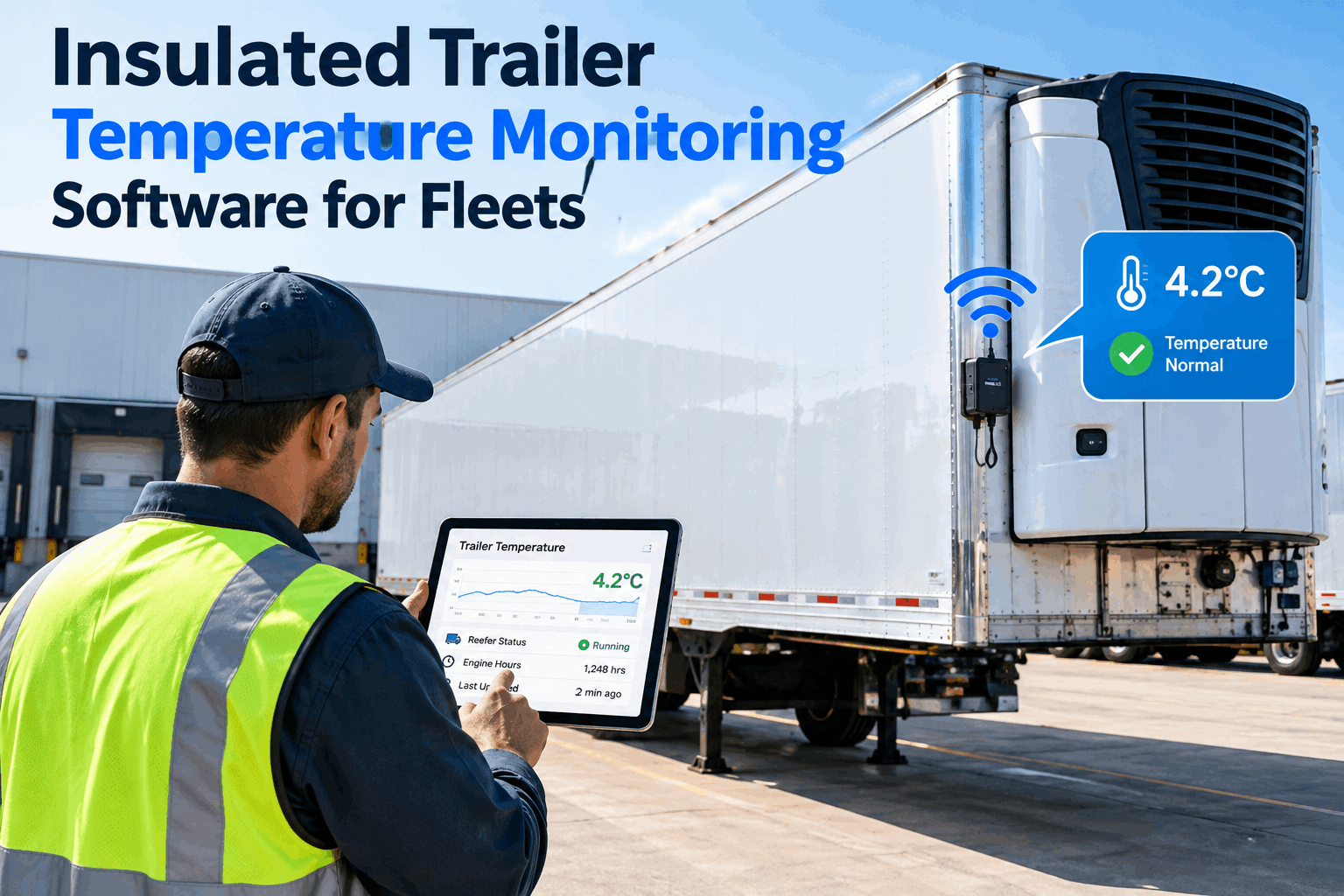
Yes. FleetRabbit uses industrial wireless Bluetooth Low Energy (BLE) temperature and humidity probes that adhere directly to trailer walls and movable bulkheads. These sensors communicate wirelessly with in-cab telematics modems or driver mobile devices, streaming independent temperature feeds for each compartment to the cloud console every 45 seconds.
How does multi-zone software assist with FDA FSMA Rule 204 compliance?
FSMA Rule 204 requires digital traceability across Critical Tracking Events. Because a multi-temp trailer carries diverse food types with different temperature limits, FleetRabbit records and graphs each compartment's temperature profile independently. The platform generates certified digital dossiers proving that the frozen, chilled, and ambient items remained strictly within safe regulatory limits throughout transit.
Upgrade Your Multi-Temperature Fleet Operations Today
Eliminate cross-zone thermal damage, consolidate delivery routes, and maintain 100% regulatory compliance across every compartment. Experience FleetRabbit today with zero proprietary hardware lock-in.