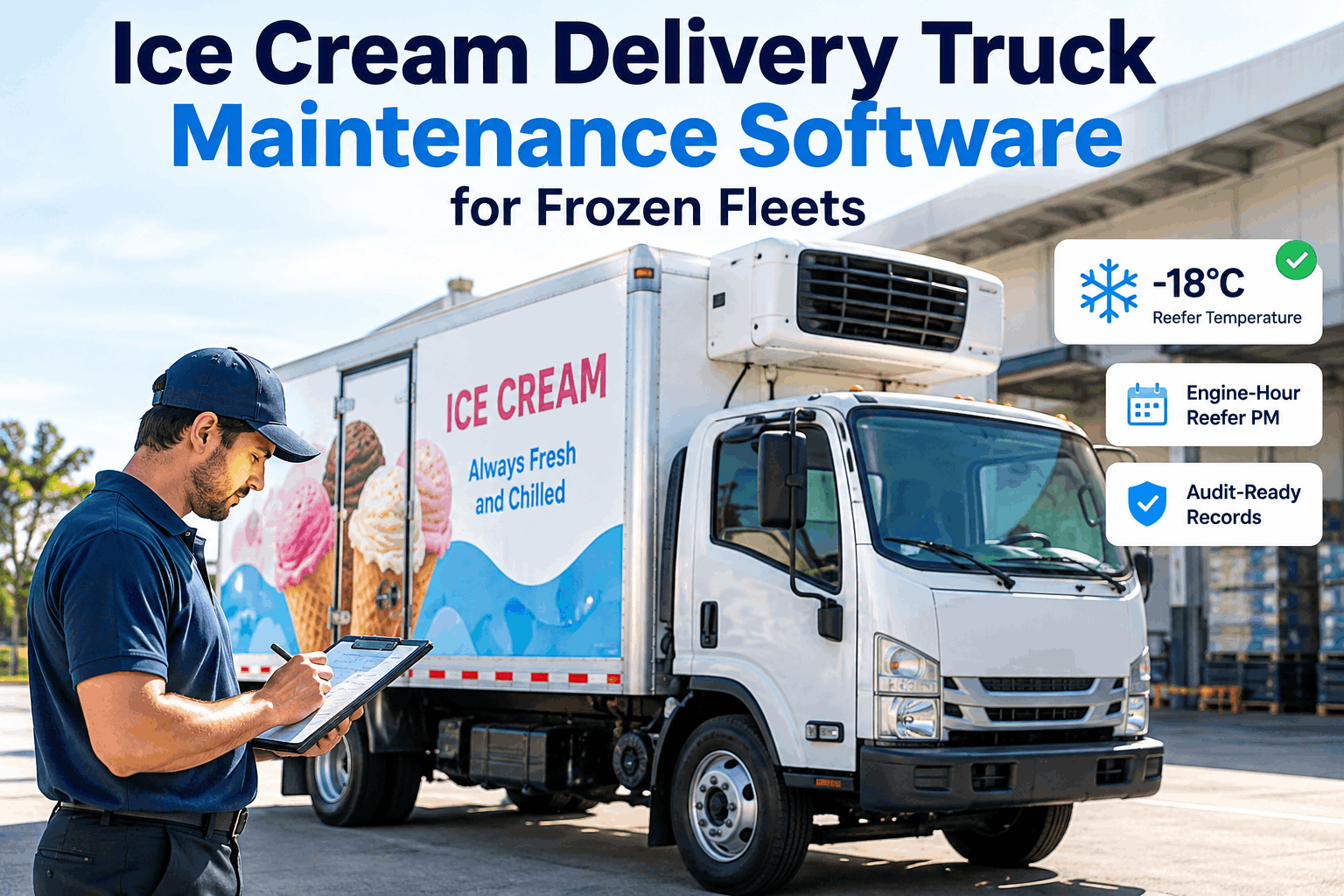
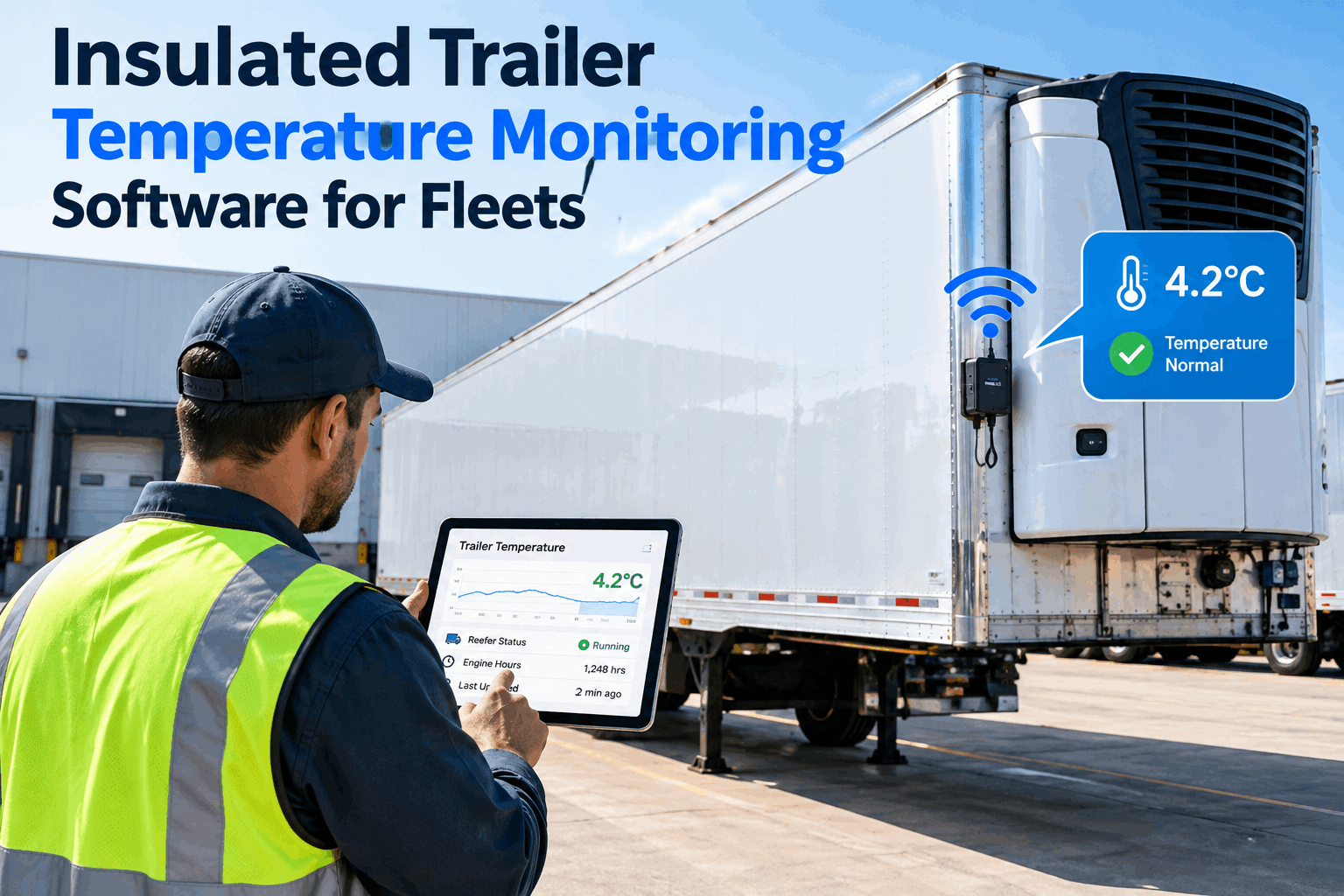
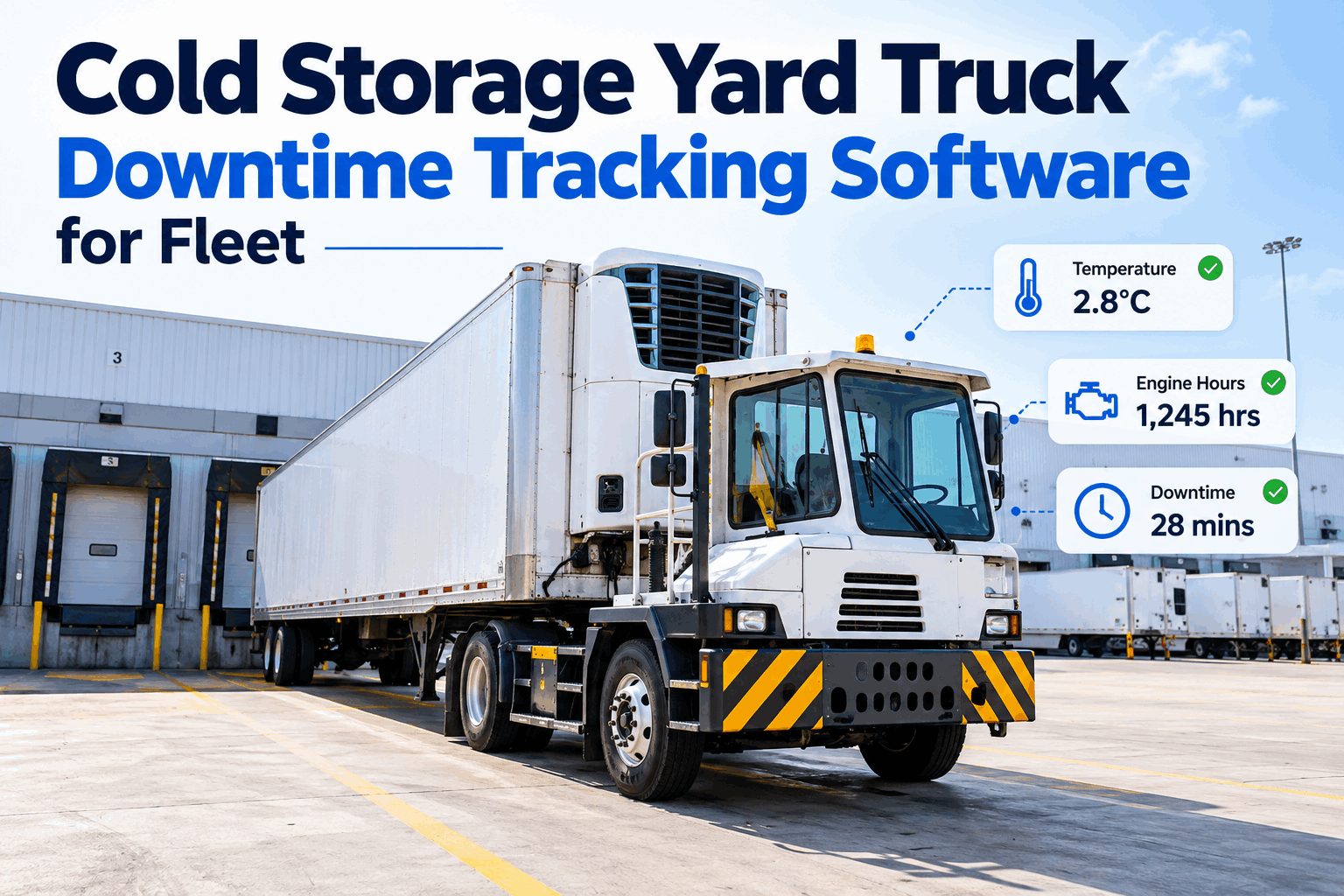
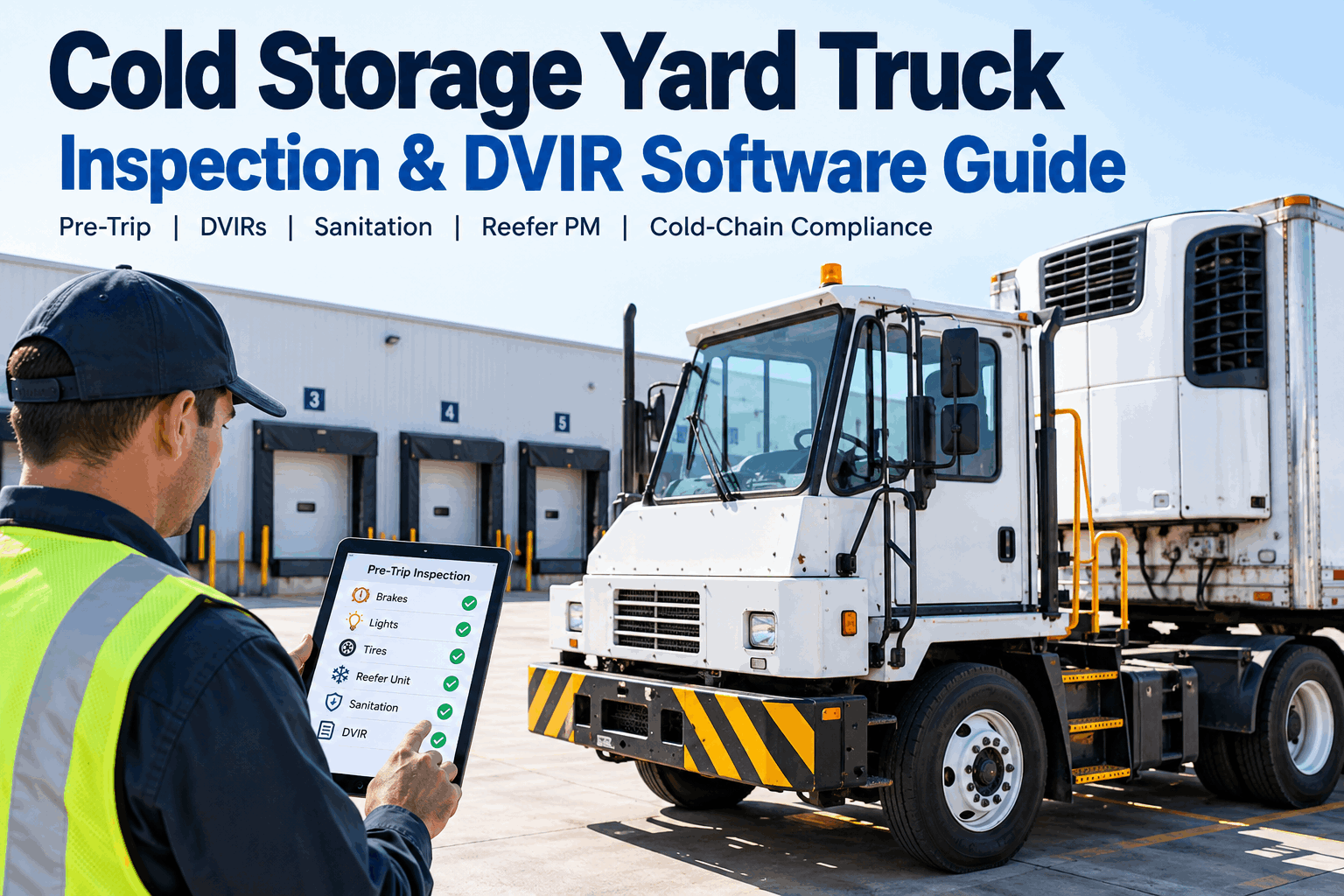
Food and beverage logistics directors, refrigerated carrier executives, and quality assurance superintendents operate under stringent legal and biological mandates: maintaining cold chain compliance from regional processing facilities to retail receiver docks. Cold chain compliance is the systematic adherence to thermal limits, equipment hygiene standards, and regulatory recording requirements established by bodies like the FDA and USDA to guarantee perishable integrity. When reefer compressor running hours, multi-zone temperature logs, door-opening telemetry, and trailer sanitation certificates reside across scattered paper manifests or disconnected GPS portals, carriers face catastrophic load rejections, regulatory enforcement actions, and devastating margin leakage. Fleet Rabbit delivers an integrated cold chain compliance suite that bridges continuous wireless microclimate monitoring, reefer engine-hour preventive maintenance (PM), automated pre-cooling logs, and instant FDA FSMA audit export dossiers. Eliminate perishable cargo write-offs, accelerate receiving dock turnarounds, and maintain flawless regulatory defense across every refrigerated route. Book a Demo to explore our cold chain compliance monitoring tools.
Industry Standard & Regulatory Operations Guide
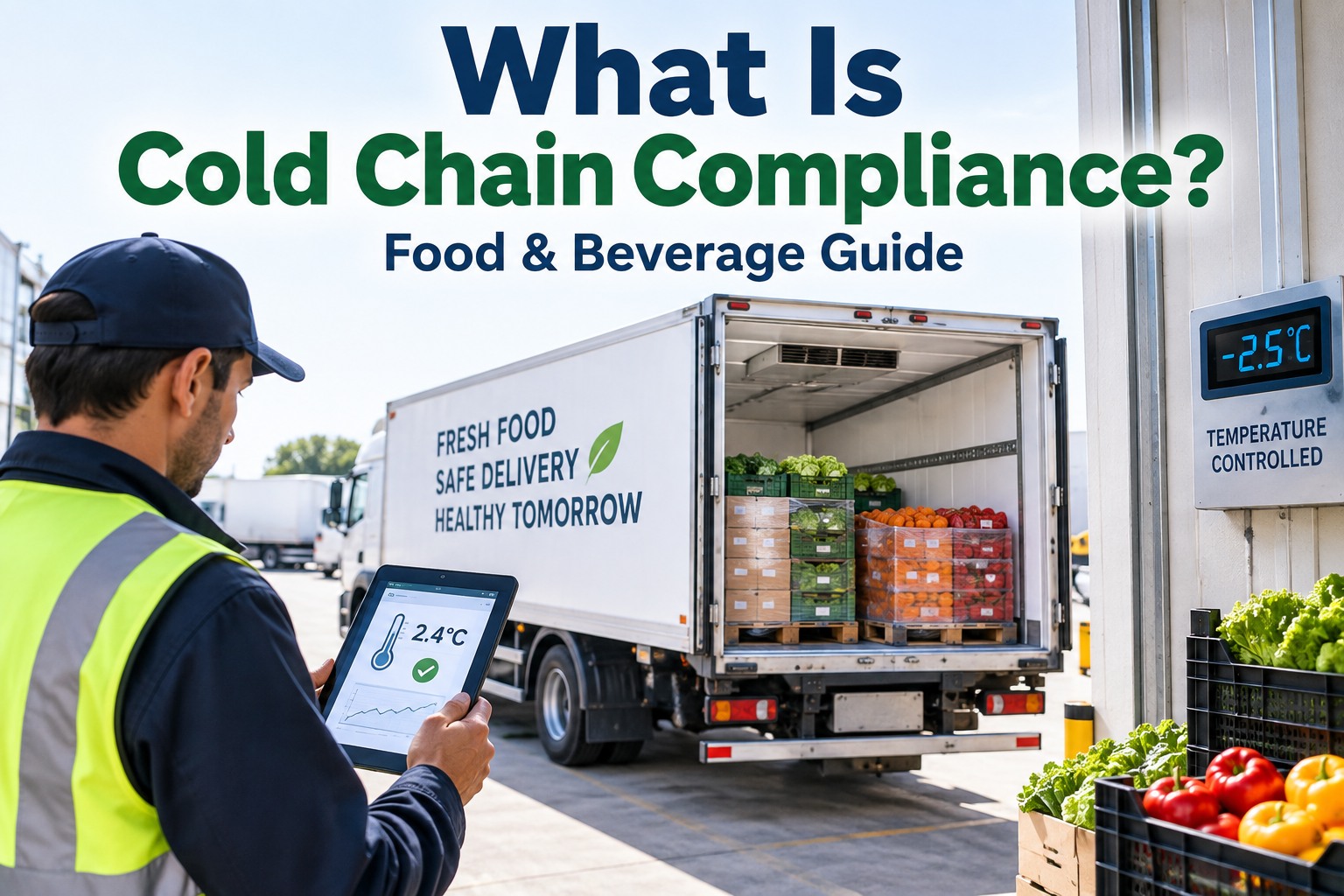
What Is Cold Chain Compliance? Food & Beverage Guide
A comprehensive operational analysis of cold chain compliance for food and beverage fleets: master mandatory temperature bands, evaluate risk vectors, track essential performance KPIs, and see how modern telemetry protects transport margins.
Critical Control Points
Thermal Excursion Defense
FDA 21 CFR Part 1 Alignment
100%
FSMA Audit Defense
Automated digital pre-cooling, transit logs, and trailer washouts.
< 30s
Excursion Alert Latency
Sub-second push alerts prevent thermal boundary degradation.
$5
Per Reefer Unit / Month
Flat subscription pricing with zero custom onboarding surcharges.
Protect Perishable Margins and Eliminate Receiving Dock Disputes
Automate reefer engine-hour maintenance, track multi-zone compartment sensors, and deliver cryptographic temperature proof directly to grocery receivers.
Defining Cold Chain Compliance in Modern Food Logistics
Cold chain compliance is the unbroken management of temperature-sensitive food items throughout harvesting, packaging, staging, road transit, and receiving handoff. Governed heavily by the FDA Food Safety Modernization Act (FSMA) Sanitary Transportation Rule (21 CFR Part 1 Subpart O), compliance mandates that carriers, loaders, and shippers maintain documented, verifiable evidence that temperature parameters remained within safe limits to prevent microbial growth and adulteration. Sign up to automate your compliance record retention.
Compliance is not merely whether food arrives cold; it is the cryptographic, continuous proof that safe holding ranges were never breached during pre-cooling, road congestion, multiple urban delivery door-openings, or transit yard dwell periods. Book a demo to inspect our cryptographic temperature chain.
Standard Temperature Benchmarks Across Key Food Categories
Food distributors must maintain precise thermal windows depending on cargo biological characteristics. Operating even a few degrees outside these benchmarks can compromise product safety and trigger immediate dockside rejections. Sign up to configure automated category temperature alerts.
| Cargo Category |
Safe Transport Range |
Critical Excursion Limit |
Regulatory Mandate Source |
| Deep Frozen & Ice Cream |
-10°F to -20°F |
> 0°F |
FDA / Industry Trade Standard |
| Frozen Meats & Seafood |
0°F or below |
> 10°F |
USDA FSIS / FDA FSMA |
| Fresh Dairy & Fluid Milk |
34°F to 38°F |
> 41°F |
Grade "A" Pasteurized Milk Ordinance |
| Fresh Poultry & Raw Meats |
28°F to 36°F |
> 40°F |
USDA Food Safety and Inspection Service |
| Chilled Fresh Produce |
45°F to 55°F |
< 38°F (Chill Damage) / > 60°F |
PACA / Perishable Agricultural Commodity |
Critical Performance KPIs for Cold Chain Operators
Leading refrigerated fleets evaluate compliance using continuous quantitative benchmarks rather than subjective driver notes. Book a demo to view our real-time KPI dashboard.
KPI 01
Thermal Excursion Rate
The percentage of transit hours where compartment temperatures drift outside target shipper specifications. Optimized fleets maintain an excursion rate under 0.2% across total fleet runtime.
KPI 02
Pre-Cooling Compliance Ratio
KPI 03
Door Open Recovery Time
The time in minutes required for a refrigerated zone to return to setpoint temperature after delivery doors close. Modern telemetry tracks rapid pulldown efficiency to identify failing compressors.
KPI 04
Dock Rejection Ratio
Total value or count of pallets rejected by receiving docks due to temperature non-conformance divided by total delivered freight. World-class carriers maintain a 0% rejection benchmark.
Major Vulnerabilities & Excursion Risks in Transport
Thermal excursions rarely happen because a reefer is completely off. They occur due to micro-operational oversights during daily operations. Book a demo to review our preventive excursion workflows.
1
Extended Door Openings at Multi-Drop Drops
Urban delivery routes require opening rear doors dozens of times per shift. Without strip curtains or fast pulldown cycles, hot ambient air rushes in, heating outer product layers beyond critical thresholds.
2
Inadequate Airflow & Cargo Tightly Packed
Restricting airflow along trailer walls and floors creates dead zones where heat accumulates, causing pallets near the center or rear doors to spoil while sensors near the front evaporator read normal.
3
Odometer-Based Compressor Maintenance Traps
Scheduling maintenance using truck mileage ignores stationary reefer diesel engine run-hours. Unmonitored alternator belts, refrigerant leaks, and clogged oil filters lead to catastrophic compressor stalls mid-route.
Sign up to automate runtime-based maintenance.
4
Missing Trailer Washout & Sanitation Proof
Transporting food in trailers that carried allergens or raw poultry without verified washouts breaches FSMA rules. Lacking photographic chemical PPM records exposes carriers to regulatory penalties.
Compliance Best Practices for Refrigerated Fleets
Modern fleets achieve compliance by embedding digital verification directly into daily driver and dispatch workflows. Book a demo to see our driver compliance tools in action.
Best Practice A
Decouple Reefer Engine Maintenance from Trucks
Track diesel compressor running hours and electric standby time independently from tractor odometers. Schedule oil flushes, belt checks, and coil cleanings based on actual mechanical duty cycles.
Best Practice B
Enforce Mobile Photo Pre-Cooling Checks
Require drivers to record pre-cooling temperatures and clean trailer bulkheads via mobile application before allowing dispatch systems to clear loading bay assignments.
Best Practice C
Automate Sub-Minute Telematics & Instant Alerts
Deploy wireless temperature sensors that ping dispatch every 30 seconds, generating immediate notifications when compartments drift toward critical control thresholds.
Best Practice D
Equip Drivers with Instant PDF Export Proof
Enable drivers to generate cryptographic temperature reports right from smartphones, resolving receiving dock disputes in seconds and securing instant delivery sign-offs.
The 4-Step Rollout Blueprint for Cold Chain Compliance
Deploy digital cold chain monitoring and compliance tracking across your refrigerated fleet in days without disrupting delivery operations. Book a demo to plan your onboarding schedule.
Step 01
Asset & Sensor Ingestion
Upload reefer straight trucks, trailers, wireless thermal sensors, and driver rosters via standard CSV templates.
Step 02
Category Setpoint Setup
Configure thermal parameters (dairy 34°F–38°F, frozen -10°F) and runtime thresholds for compressor maintenance.
Step 03
Mobile Driver Launch
Train drivers on smartphone pre-cooling verifications, trailer washout checklists, and dockside PDF delivery exports.
Step 04
Live Audit Readiness
Activate real-time microclimate monitoring, automatic drift triage, and 12-month FDA FSMA compliance reporting.
Compliance Case Study: Pacific Coast Cold Logistics
Learn how a regional perishable carrier eliminated dockside rejections and cut reefer maintenance breakdowns across 34 multi-temperature trucks. Sign up to achieve similar compliance results for your fleet.
Cold Chain Case Study
0
Rejected Pallet Deliveries
$62,000
Annual Spoilage Claim Savings
100%
FSMA Compliance Pass Rate
Regional Carrier Eliminates Cargo Disputes and Secures Tier-1 Grocery Contracts
Operating 34 refrigerated straight trucks delivering meat, dairy, and seafood to regional supermarkets, Pacific Coast Cold Logistics faced repeated load rejections due to unverified pre-cooling and unmonitored compressor wear that conventional GPS trackers missed. When an unannounced state health check uncovered incomplete paper records, the carrier faced costly regulatory penalties.
By implementing Fleet Rabbit, the company deployed mobile pre-cooling and trailer sanitation checklists alongside automated reefer runtime maintenance. In-service reefer breakdowns dropped by 51%, dockside rejections dropped to zero, and instant PDF delivery logs resolved receiving temperature disputes in under 30 seconds.
Frequently Asked Questions
What is the difference between a thermal excursion and cold chain non-compliance?
A thermal excursion is an event where product or compartment temperature drifts outside specified limits. Non-compliance occurs when the carrier fails to maintain required parameters, lacks corrective action protocols, or fails to maintain auditable proof required by FDA FSMA and customer carrier contracts.
How long must food transport companies retain temperature records under FDA rules?
The FDA FSMA Sanitary Transportation Rule mandates that carriers and shippers retain written procedures, agreements, and operational temperature records for a minimum of 12 months. Fleet Rabbit archives all data securely in the cloud for instant audit retrieval.
Why does vehicle odometer mileage fail for reefer maintenance?
Reefer diesel compressors run independently of the vehicle engine. A truck stuck at a distribution center dock or idling in staging runs the reefer for hours without registering odometer miles, leading to severe oil breakdown and unexpected highway compressor seizures.
Can drivers capture compliance verifications in areas with poor cellular service?
Yes. Fleet Rabbit features an offline-first mobile app. Drivers can verify pre-cooling setpoints, record trailer washouts with photos, and export PDF delivery reports inside underground cold stores or remote facilities without cellular connection. All records sync once back online.
What are the pricing plans and contract commitments for Fleet Rabbit?
Fleet Rabbit costs a flat $5 per asset per month billed annually, providing full access to continuous temperature monitoring, reefer engine-hour PM, mobile driver tools, and FSMA compliance reporting. We provide a 14-day free trial on up to 3 vehicles with zero setup fees or long-term contracts.
Ready to Automate Your Cold Chain Compliance Operations?
Ensure 100% audit-ready temperature records, eliminate load rejections, and protect perishable margins for just $5/asset/month.
September 19, 2026
By Harper Lee
All Posts