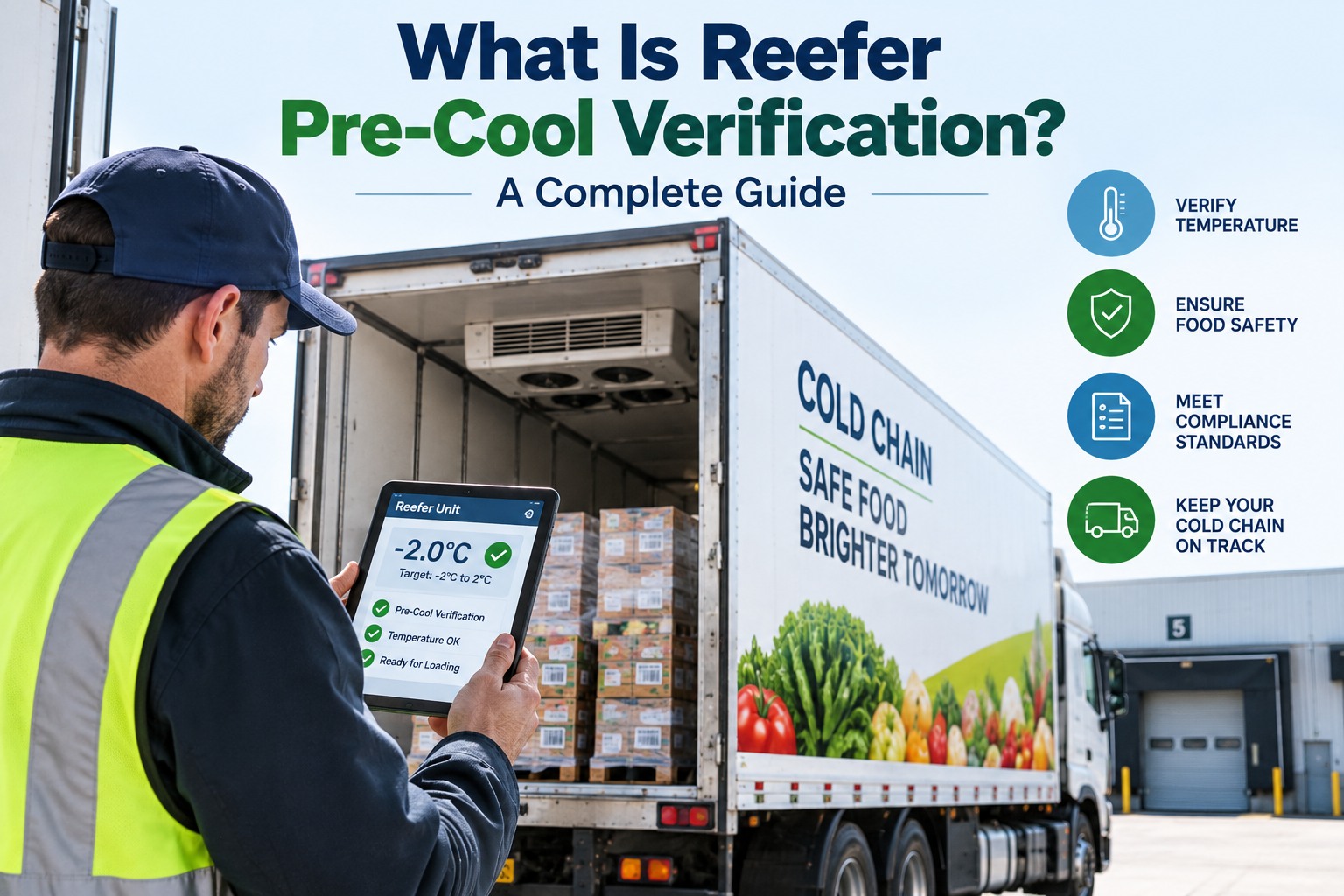
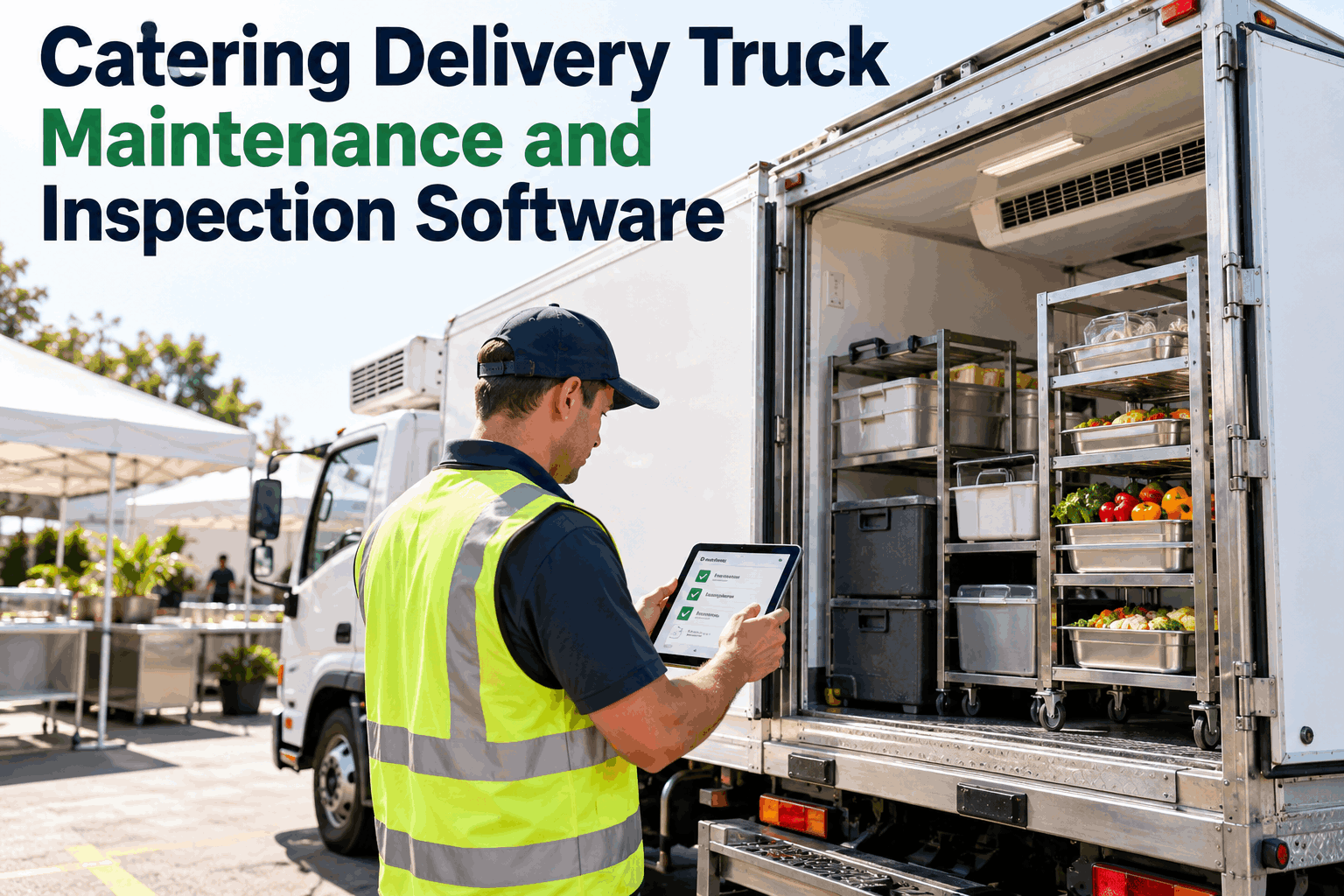
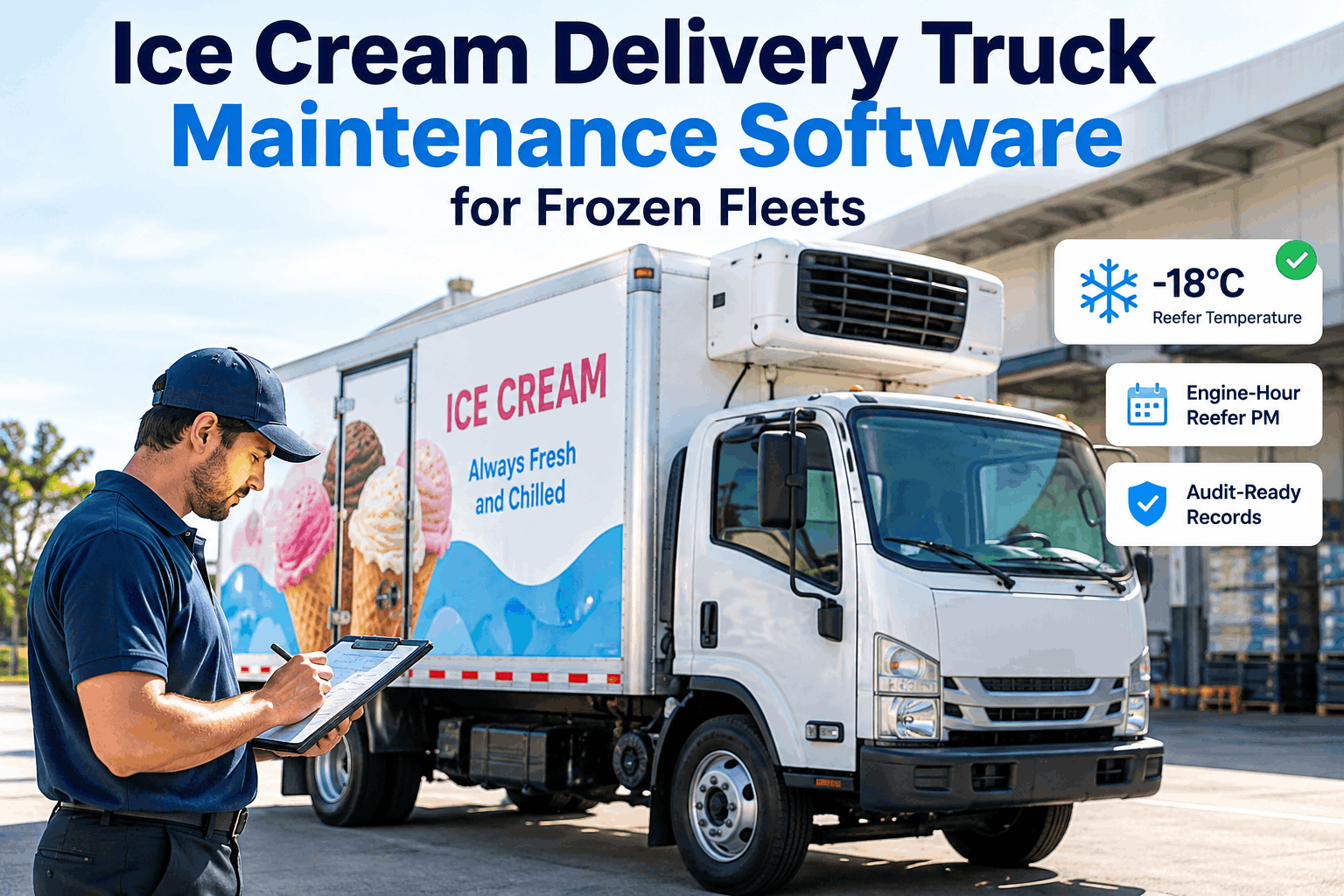
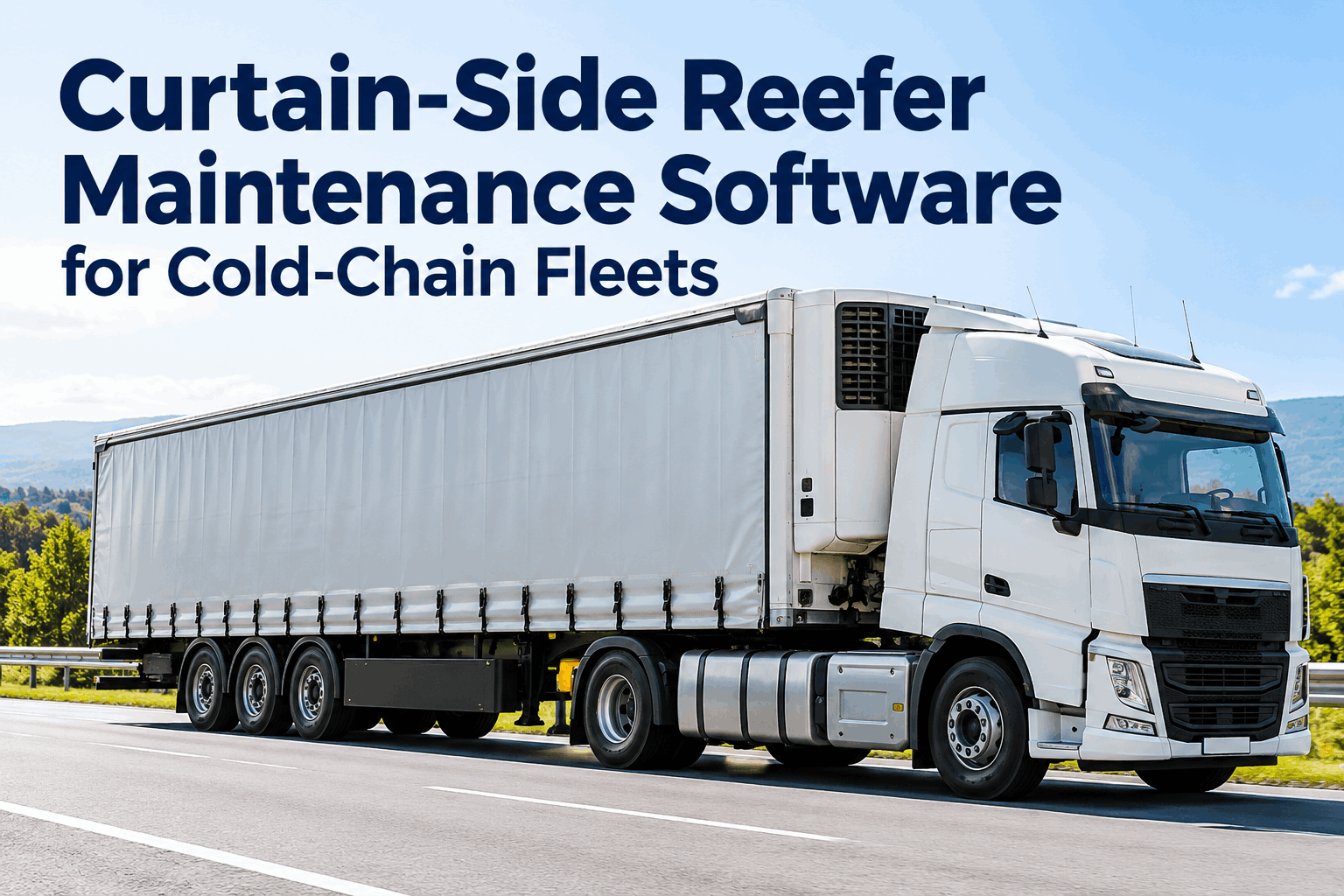
Refrigerated logistics directors, cold-storage warehouse supervisors, and food transportation quality managers understand that effective cold chain compliance begins long before a trailer departs for its destination: it starts with verified reefer pre-cooling. Pre-cool verification is the documented, systematic process of lowering a refrigerated trailer or straight truck's internal body temperature to the shipper-mandated setpoint before loading any perishable freight. A common point of confusion across the cold chain is the assumption that refrigeration units can cool down warm cargo; in reality, transport reefers are designed exclusively to maintain temperature, not act as blast chillers. When hot trailer walls, warm floor channels, and residual thermal mass meet sensitive dairy, fresh poultry, or produce, heat transfers directly into the cargo, inducing rapid bacterial proliferation and triggering costly dockside load rejections. Fleet Rabbit provides an automated pre-cool verification platform that pairs wireless compartment sensor telemetry with mobile driver inspection sign-offs and instant audit-ready chain-of-custody reporting. Prevent hot-wall thermal degradation, eliminate unverified driver guesswork, and guarantee full FDA FSMA compliance before pallets ever enter the trailer. Book a Demo to see our automated pre-cool verification workflows in action.
100%
Pre-Loading Audit Defense
Time-stamped return air and wall surface sensor verification before loading begins.
45 – 90m
Average Pulldown Window
Standard thermal soak duration required to remove residual heat from composite walls.
0°F / 34°F
Standard Verified Setpoints
Critical threshold targets for frozen and fresh perishable distribution lanes.
$5
Per Reefer / Month
Full access to wireless temperature telemetry, mobile DVIR, and FSMA records.
Eliminate Hot-Wall Pallet Rejections Before Cargo Hits the Staging Dock
Enforce mandatory pre-cool duration thresholds, receive automated alerts if drivers load prematurely, and deliver cryptographic pre-loading temperature proof directly to wholesale shippers.
The Science of Pre-Cooling: The Heat Sink Phenomenon
A common misconception in refrigerated transportation is that cooling the air inside an empty trailer takes only a few minutes. While ambient air inside a 53-foot trailer cools quickly, the dense composite walls, aluminum t-duct flooring, roof lining, and insulation foam act as a massive thermal reservoir. In summer months, an unchilled trailer parked in the sun absorbs ambient heat, reaching interior surface temperatures upwards of 120°F (49°C). Sign up to monitor real-time trailer thermal mass curves.
If pallets of fresh dairy or poultry are loaded as soon as air temperature touches 34°F without allowing the walls to "thermal soak," heat immediately radiates out of the flooring and sidewalls directly into the outer carton layers. This causes rapid thermal boundary breaches within hours, even while the refrigeration unit's return air sensor reads normal. True pre-cool verification confirms that both interior air and trailer surface insulation have reached equilibrium at target setpoint. Book a demo to inspect our multi-point surface sensor workflows.
The 4-Step Standard Pre-Cool Verification Procedure
To comply with FDA 21 CFR Part 1 Subpart O and satisfy strict receiver specifications, refrigerated operations should standardize this four-step pre-loading operational sequence across all drivers and dock workers.
Step 01
Physical Cleanliness & Odor Inspection
Before turning on the cooling unit, the driver completes a mobile trailer sanitation inspection. Confirming that the floor is swept clear of debris, drain holes are unblocked, and interior panels are sanitized prevents biological pathogens or chemical wash odors from circulating through evaporator blowers.
Sign up to access digital trailer sanitation checklists.
Step 02
Door Closure & Setpoint Configuration
Never pre-cool with doors open or backed loosely against an unsealed dock. Close trailer doors completely, engage the reefer in Continuous Run mode, set the microprocessor to the shipper-specified temperature, and verify that defrost cycles clear accumulated coil frost.
Step 03
Thermal Soak Pulldown Duration
Allow the reefer to run uninterrupted for 45 to 90 minutes (depending on ambient exterior weather). The unit must reach the target setpoint and cycle steadily, pulling residual heat out of structural insulation and floor channels before any loading equipment approaches.
Step 04
Digital Confirmation & Loading Clearance
The driver or dock lead captures digital temperature readings from return air sensors or handheld infrared probes into the mobile app. The system automatically verifies that the temperature matches the bill of lading (BOL) requirements and generates an electronic loading passport.
Book a demo to see our digital loading passports in action.
Pulldown Duration Benchmarks by Ambient Temperature
Pulldown times vary drastically based on trailer insulation age, refrigeration cooling capacity, and outside heat. Refer to standard duration benchmarks before authorizing pallet staging. Sign up to calibrate custom pulldown duration targets.
| Target Commodity Class |
Required Pre-Cool Setpoint |
Exterior Ambient Temp |
Recommended Pulldown Duration |
Mechanical Operating Mode |
| Deep Frozen Seafood & Ice Cream |
-10°F to -20°F |
85°F – 95°F+ (Summer) |
90 – 120 minutes |
Continuous Run (High Speed) |
| Standard Frozen Meats & Bakery |
0°F or below |
70°F – 85°F (Moderate) |
60 – 75 minutes |
Continuous Run |
| Fresh Dairy, Eggs, & Fluid Milk |
34°F to 38°F |
85°F – 95°F+ (Summer) |
60 – 80 minutes |
Continuous Run (Modulated) |
| Chilled Fresh Meat & Dressed Poultry |
28°F to 32°F |
70°F – 85°F (Moderate) |
50 – 70 minutes |
Continuous Run |
| Fresh Berries & Delicate Produce |
45°F to 55°F |
60°F – 75°F (Mild) |
35 – 50 minutes |
Continuous Run (Low Speed) |
Operational Pitfalls of Unverified Pre-Cooling
Failure to implement digital verification protocols introduces critical points of failure that threaten both public health and carrier bottom lines. Book a demo to eliminate pre-cool operational liabilities.
01
Pre-Cooling with Open Rear Doors
Drivers often turn on refrigeration units while doors are wide open at an unsealed dock. This pulls humid outside air across evaporator coils, generating rapid frost buildup that forces the reefer into extended defrost cycles right after departure.
02
Premature Loading on Short Headways
Under tight dispatch scheduling, drivers often begin loading pallets the second air temperature reaches setpoint, ignoring residual heat stored in the floor and walls that transfers into cargo within the first 50 miles of transport.
Sign up to enforce digital loading locks.
03
Unverified Paper Temperature Slips
Handwritten pre-cool logs on paper bills of lading are routinely scrutinized or rejected by receivers during temperature disputes. Lacking time-stamped telematics proof leaves carriers unprotected against unjustified cargo damage claims.
04
Failure to Turn Off Reefer During Active Loading
Running the reefer while warehouse doors are open with unsealed dock cushions draws warm, humid warehouse air directly into the trailer ceiling, creating heavy frost and warm pockets around newly loaded front pallets.
Regulatory Alignment: FDA FSMA 21 CFR Part 1 Subpart O
Pre-cool verification is an explicit statutory obligation under federal food transport rules. Fleet Rabbit structures operational data to ensure zero audit friction. Book a demo to examine our regulatory audit reporting framework.
21 CFR § 1.908(b)
Shipper-Carrier Mandate
Shippers must specify written temperature parameters and pre-cooling requirements to the carrier. Carriers must establish verifiable procedures demonstrating that the vehicle was pre-cooled prior to loading.
21 CFR § 1.912
Record Retention Mandate
Records demonstrating pre-cooling verification, continuous transit temperatures, and trailer sanitation procedures must be archived securely for a minimum of 12 months for FDA review upon request.
HACCP Principle 3
Critical Control Limits
Pre-cooling represents a mandatory critical control point (CCP) in refrigerated distribution. Loading cargo into a vehicle outside target thermal limits constitutes a severe procedural deviation requiring immediate corrective action.
PACA Fair Trade
Produce Carrier Protection
Cryptographic pre-cool logs protect produce carriers against fraudulent rejections under the Perishable Agricultural Commodities Act by proving cargo was placed into an adequately chilled environment.
The 4-Step Rollout: Deploying Digital Pre-Cool Verification
Standardize digital pre-cooling verifications across your fleet in under two weeks with zero disruption to daily transport dispatches. Book a demo to arrange your compliance onboarding timeline.
Phase 01
Asset & Sensor Setup
Connect wireless trailer temperature probes and link reefer microprocessors using standardized onboarding templates.
Phase 02
Commodity SOP Mapping
Establish target pre-cooling setpoints, allowable tolerance deadbands, and minimum required pulldown duration rules.
Phase 03
Mobile Driver Launch
Equip drivers with the smartphone app for paperless pre-cooling walkarounds, photo uploads, and electronic loading clearance.
Phase 04
Live Dispatch & Audit Trail
Activate automated loading checks, exception warnings for short pulldowns, and instant one-click FDA audit report generation.
Compliance Case Study: Apex Perishable Distribution
Learn how a multi-state refrigerated carrier eliminated receiving dock load rejections and standardized pre-cooling across 48 refrigerated straight trucks and trailers. Sign up to achieve similar cold-chain verification results.
Carrier Case Study
0
Dockside Load Rejections
$84,000
Annual Cargo Claim Savings
100%
FSMA Audit Pass Rate
Refrigerated Fleet Eliminates Hot-Wall Thermal Claims Across 48 Assets
Carrying fresh dairy and poultry across regional wholesale routes, Apex Perishable Distribution suffered four high-value load rejections in a single summer month. Receiving docks probed core product temperatures and found surface layers exceeding 42°F. Investigation revealed drivers were loading trailers within ten minutes of turning on the reefer, trapping radiant heat inside the composite floor and walls.
By implementing Fleet Rabbit, the company instituted automated pre-cool verification. The software locked loading authorizations until temperature sensors recorded 60 minutes of stable setpoint soaking. In-service thermal spikes fell by 94%, dockside load rejections dropped to zero, and verified PDF pre-cool certificates eliminated receiver disputes entirely.
Frequently Asked Questions
Can a modern transport reefer unit cool down warm food after loading?
No. Transport refrigeration systems are designed exclusively to maintain cargo temperature by circulating air around pre-chilled goods and counteracting heat penetrating the trailer walls. They lack the high-static pressure, airflow velocity, and evaporative cooling capacity of industrial blast chillers. Loading warm cargo into a reefer will result in surface spoilage and rapid bacterial growth.
Why should the reefer unit be turned off while trailer doors are open at the loading dock?
Running a reefer with open rear doors draws warm, moisture-laden ambient air into the trailer. The evaporator coil rapidly absorbs this moisture, forming heavy ice on the cooling fins. This forces the unit into extended defrost cycles shortly after departure, during which active cooling stops and interior temperatures climb.
What is the difference between air temperature and thermal mass pre-cooling?
Air temperature measures the thermal condition of the air inside the trailer, which can reach 34°F in fifteen minutes. Thermal mass pre-cooling involves pulling residual heat out of the dense composite walls, aluminum floor channels, and polyurethane insulation, which requires 45 to 90 minutes of continuous airflow to prevent heat from radiating back into cold cargo.
Can drivers capture pre-cool verifications in underground docks without cellular service?
Yes. Fleet Rabbit is built on an offline-first mobile architecture. Drivers can record pre-cooling verifications, log temperature setpoints, and capture trailer sanitation photos in basement staging docks or rural facilities without internet reception. All records cache securely on the device and sync automatically once connectivity is restored.
What are the pricing details and contract terms for Fleet Rabbit's cold chain platform?
Fleet Rabbit is priced at a flat rate of $5 per refrigerated vehicle per month billed annually. This includes full access to wireless temperature telemetry, automated pre-cool verification workflows, reefer engine-hour maintenance, mobile driver checklists, and 12-month FDA FSMA compliance archives. We offer a 14-day free trial on up to 3 vehicles with zero setup fees or long-term contract lock-ins.
Ready to Automate Your Reefer Pre-Cool Verification Workflows?
Eliminate hot-wall load rejections, automate digital pre-loading passports, and ensure 100% audit-ready FSMA compliance for just $5/asset/month.
September 19, 2026
By Mark
All Posts