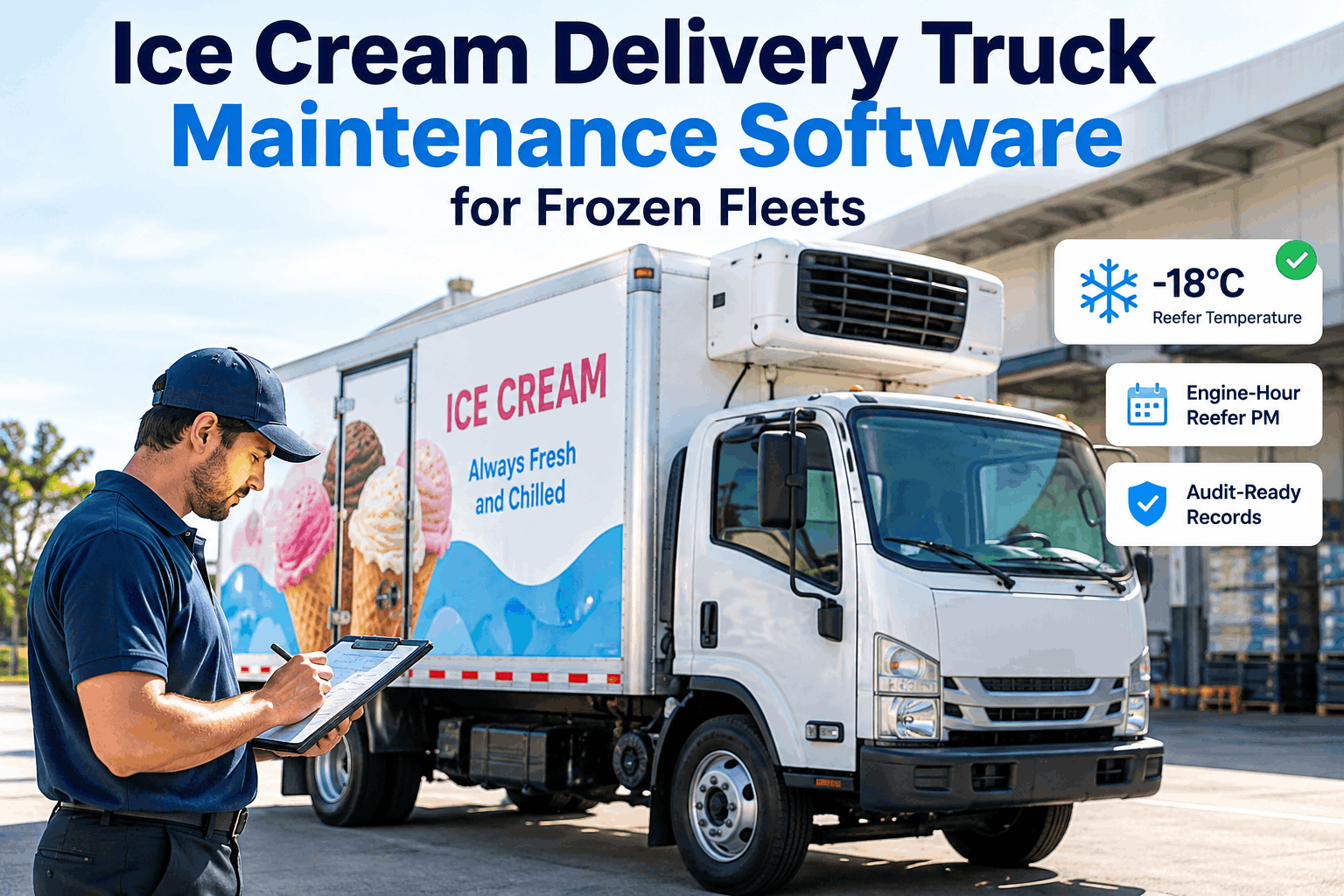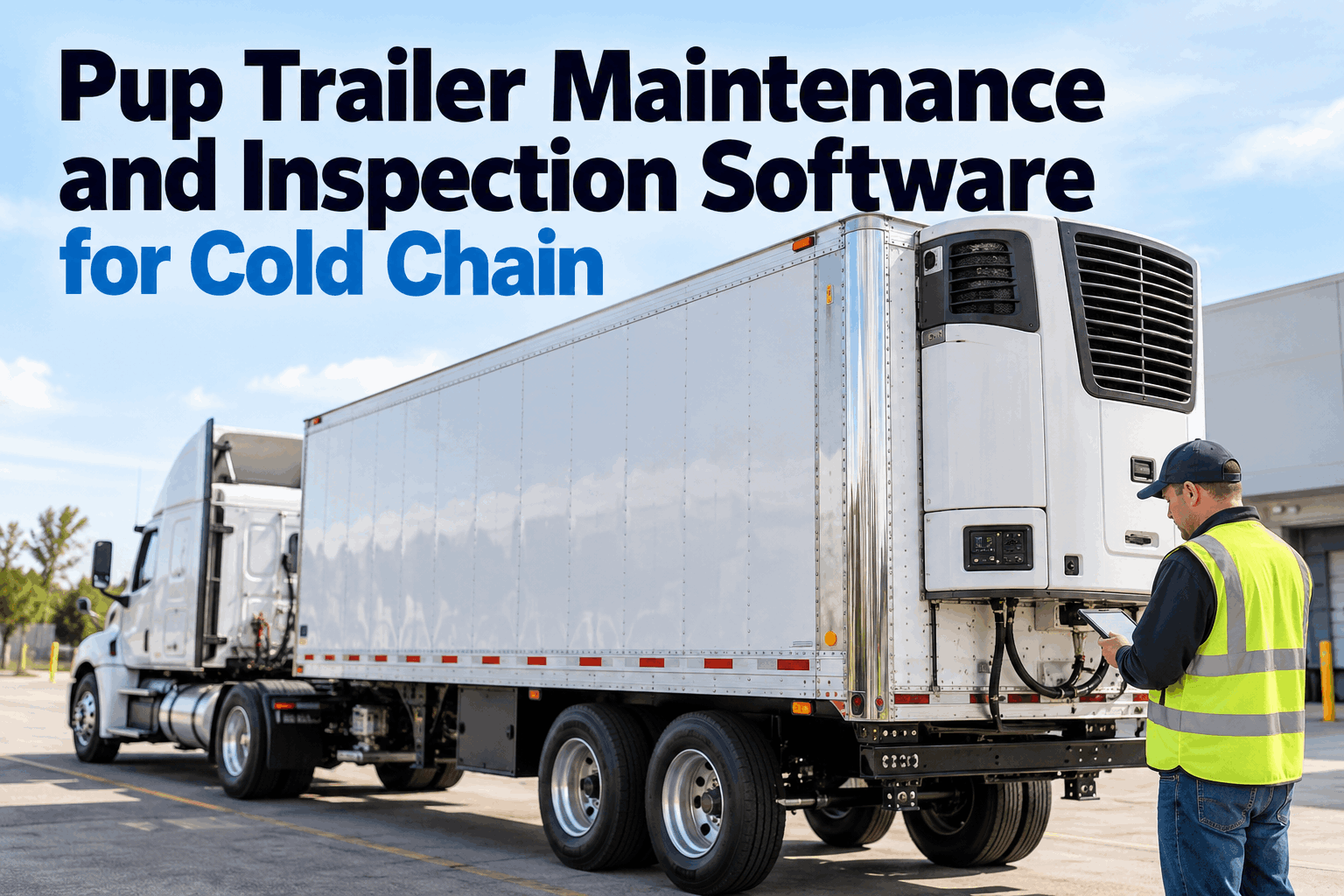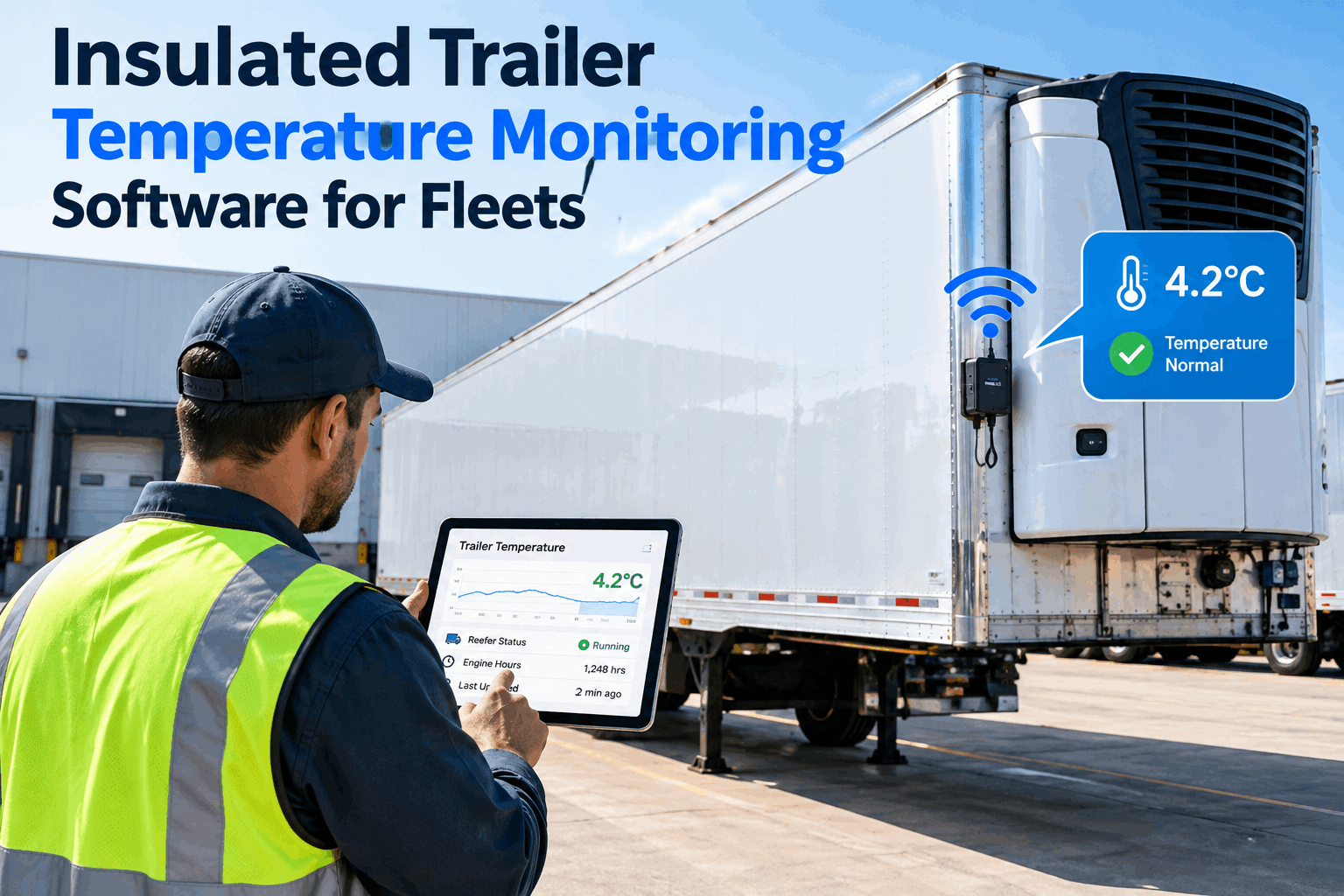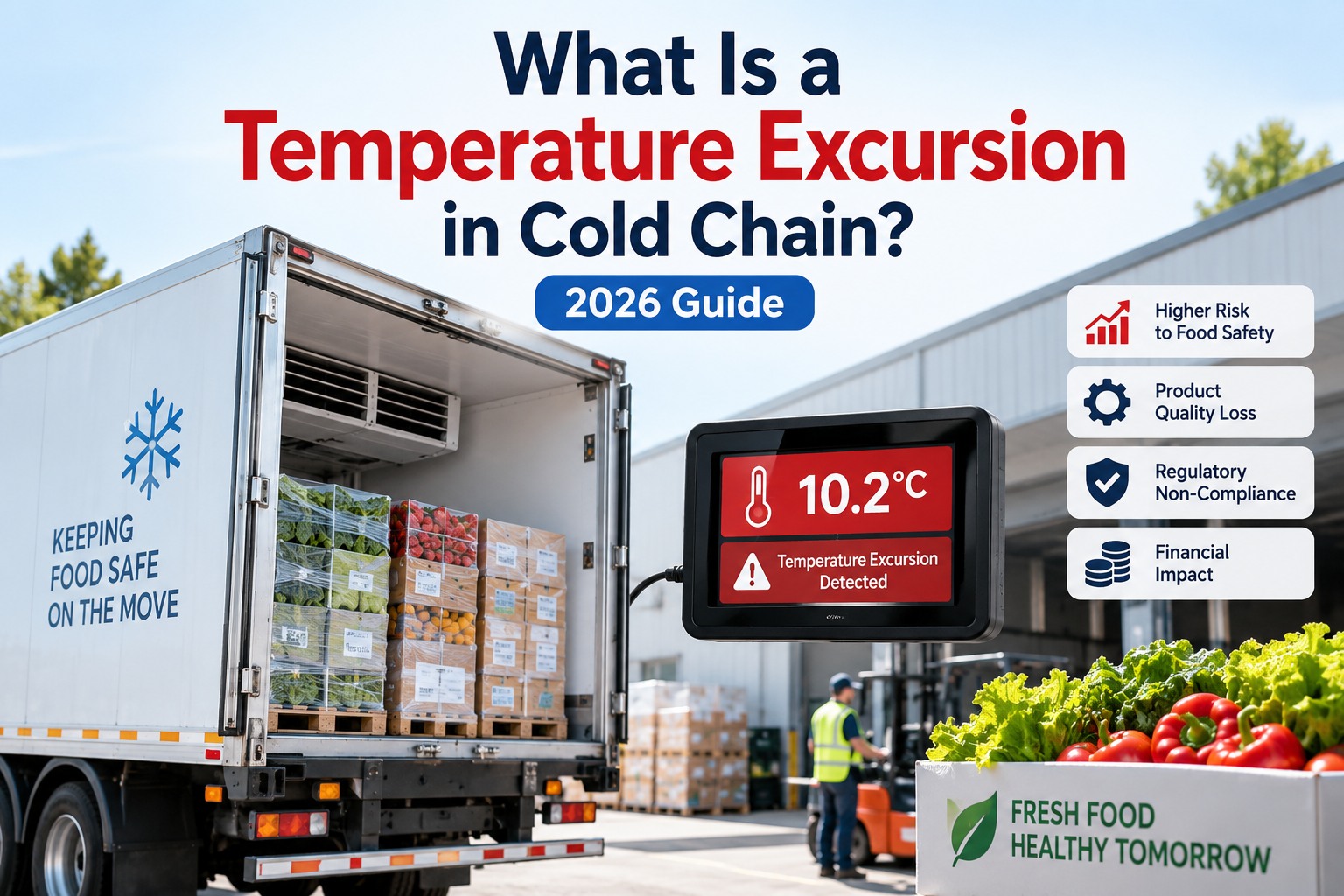
A temperature excursion in cold chain logistics occurs whenever perishable food, fresh produce, dairy, frozen proteins, or temperature-critical biologics deviate outside their specified, regulatory-mandated holding range for an unacceptable period. In high-velocity commercial food and beverage distribution, maintaining thermal integrity is not a matter of general ambient air comfort; it is a strict biological and microbiological boundary. When reefer trailers, intermodal containers, or straight delivery trucks experience thermal deviations—whether from delayed dock loading, compromised door gaskets, transport refrigeration unit (TRU) alternator failures, or driver error—the cargo enters a danger zone that accelerates microbial spoilage, compromises food texture, and triggers outright receiver load rejections under the FDA Food Safety Modernization Act (FSMA Rule 204). To learn how real-time thermal telemetry prevents load write-offs across your fleet, book a technical walkthrough demo with our cold chain engineering team or launch active temperature monitoring right away through our free platform sign up.
What Is a Temperature Excursion in Cold Chain? 2026 Guide
An exhaustive technical guide to temperature excursion anatomy, thermodynamic risk factors, critical product thresholds, automated mitigation telemetry, and proof-of-compliance logging for food and beverage distributors.
Intercept Temperature Excursions Before They Trigger Cargo Rejections
Empower your central dispatchers, quality assurance teams, and transport drivers with real-time BLE probe alerts, remote reefer commands, and automated compliance ledgers starting from $3/vehicle/month.
The Anatomy of a Thermal Breach: Core Causes and Thermodynamics
A temperature excursion is rarely an instantaneous catastrophe; it is an accumulative thermodynamic failure. In commercial refrigerated transport, heat ingress occurs whenever the cooling capacity of the transport refrigeration unit is outpaced by external thermal loads. Understanding these mechanical, environmental, and operational causes enables fleet leaders to design proactive safeguards rather than reacting after a receiver rejects a shipment. Review your fleet's active risk factors by booking an interactive thermal defense demo or configure test alert thresholds through our quick platform sign up.
Excessive Loading Dock Door Dwell
Every second a trailer's rear roll-up or swing doors remain open without a tightly sealed dock shelter, dense cold air cascades out and hot, humid ambient air rushes in. During summer multi-stop distribution runs, consecutive 20-minute delivery stops warm packaging surfaces faster than the TRU can recover.
TRU Microprocessor Setpoint Misconfiguration
Human error remains a pervasive root cause. Drivers often inadvertently set controllers to "continuous" instead of "cycle-sentry," fail to switch modes between frozen and chilled loads, or confuse positive and negative Celsius/Fahrenheit setpoints on the control panel.
Compressor, Belt, and Alternator Mechanical Fatigue
Auxiliary diesel engines powering TRUs face extreme operational wear. Slipped drive belts, low refrigerant suction pressures, blocked expansion valves, or failing electrical standby alternators degrade thermal performance without displaying overt visual warnings on the trailer exterior.
Poor Pallet Airflow and "Short-Cycling"
Loading cargo directly against front evaporator bulkheads or stacking boxes above the red ceiling load line blocks critical airflow return paths. This causes the refrigeration unit to short-cycle—cooling only the front top pallets while leaving rear pallets starved of chilled air.
Product-Specific Excursion Thresholds: Commercial Cold Chain Benchmarks
Different perishable cargo classes exhibit vastly distinct biophysical tolerances to thermal deviations. While processed dry goods tolerate modest ambient variances, fresh proteins, fluid milk, and fresh produce require precise thermal discipline. Review how temperature thresholds and allowable excursion durations differ across essential commodity categories. Operations managers can explore custom sensor rules by scheduling a tailored threshold consultation demo or set up multi-zone alerts directly through our rapid account sign up.
| Cargo Commodity Class | Standard Holding Range | Excursion Risk Threshold | Max Allowable Duration | Biological & Quality Impact |
|---|---|---|---|---|
| Deep-Frozen Seafood & Ice Cream | -20°F to -10°F (-29°C to -23°C) | Above 0°F (-18°C) | < 30 Minutes | Ice recrystallization, severe textural collapse, fat bloom |
| Fresh Vacuum-Packed Red Meat | 28°F to 32°F (-2°C to 0°C) | Above 36°F (2.2°C) | < 60 Minutes | Rapid bacterial proliferation, myoglobin browning, odor |
| Fluid Dairy & Fresh Raw Milk | 34°F to 38°F (1.1°C to 3.3°C) | Above 45°F (7.2°C PMO Rule) | 0 Minutes (Immediate Alert) | Curdling, lactic acid fermentation, statutory plant refusal |
| Fresh Leafy Greens & Berries | 32°F to 36°F (0°C to 2.2°C) | Above 40°F (or below 30.5°F) | < 90 Minutes | Chill injury, cellular wilting, ethylene-driven rot |
| Live Craft Draught Beer Kegs | 34°F to 38°F (1.1°C to 3.3°C) | Above 42°F (5.5°C) | < 45 Minutes | Secondary yeast fermentation, over-carbonation, foamy pour |
4-Stage Closed-Loop Temperature Excursion Resolution Workflow
FleetRabbit standardizes cold chain surveillance through an automated closed-loop mitigation framework that identifies, isolates, and resolves thermal deviations before cargo spoils.
Sub-Minute Sensor Detection
Wireless Bluetooth Low Energy (BLE) sensors mounted across cargo bulkheads log temperatures every 45 seconds, streaming data to the cloud gateway via CAN-bus telematics.
Predictive Threat Scoring
The platform correlates ambient exterior weather, duration above setpoint, and door sensor telemetry to classify the event as a temporary dock opening or an active mechanical cooling failure.
Automated Dispatch Intervention
If the deviation threatens cargo thresholds, the platform triggers automated bi-directional reefer commands (setpoint reset or forced defrost) and sends SMS alerts to driver and dispatch.
Audit-Ready Ledger Logging
The system logs the root cause, corrective intervention, and thermal recovery curve into an encrypted digital audit trail, producing an indisputable record for customer delivery check-in.
The True Financial Cost of Undetected Temperature Excursions
When a temperature excursion goes unaddressed, the financial impact extends far beyond the invoice value of the lost food. Perishable food distributors face cascading operational losses: emergency disposal fees, lost driver delivery time, trailer sanitation requirements, and contentious freight claims. Review the primary operational cost drivers and see how our connected platform eliminates thermal waste. Calculate your fleet's exact savings potential by booking an executive consultation demo or launch active monitoring right away via our self-service sign up.
Analysis of Cold Chain Thermal Loss Factors
Proactive Telematics Capabilities
Remotely update setpoints, switch continuous to start-stop modes, or initiate manual defrost cycles from the dispatch desk.
Mounts in minutes on movable trailer bulkheads without internal wiring, tracking temperature and humidity continuously.
Compiles tamper-proof trip temperature charts and delivery timestamps into 1-click regulatory compliance archives.
Regulatory Compliance & Product Quality Assurance Architecture
Food distributors must satisfy stringent federal traceability rules under the FDA Food Safety Modernization Act (FSMA Rule 204) and commercial retail scorecards. FleetRabbit replaces fragile paper chart discs with an automated compliance framework that guarantees end-to-end product integrity and eliminates audit friction.
Critical Tracking Events (CTEs)
Automate sanitary transport recordkeeping with tamper-proof digital trip sheets capturing Key Data Elements (KDEs), including lot codes, continuous compartment temperatures, driver walkaround verifications, and delivery sign-offs.
Predictive Core Quality Scoring
The system correlates ambient route temperatures, curbside door-open durations, and compartment sensor readings to model core liquid and pulp temperatures, preventing premature food degradation.
Engine-Hour Preventative Maintenance
Auxiliary TRU engine-hour counters and diagnostic trouble code (DTC) monitoring trigger proactive maintenance work orders for drive belts, compressor oil, and evaporator fans, avoiding roadside breakdowns.
Frequently Asked Questions: Cold Chain Temperature Excursions
What is the difference between an ambient air temperature spike and a true product excursion?
An ambient air spike occurs briefly when trailer doors open at a loading dock; air warms rapidly because air has very low thermal mass. A true product temperature excursion occurs only when the thermal breach lasts long enough for the actual core or pulp temperature of the food to rise above its safe holding threshold. FleetRabbit uses thermodynamic algorithms and core probes to differentiate harmless surface air spikes from critical product excursions.
How does bi-directional reefer control help resolve temperature excursions mid-route?
Bi-directional control allows dispatchers to send operational commands directly to Thermo King and Carrier microprocessors from the central web console. If a driver accidentally enters the wrong setpoint, or if an evaporator coil develops frost buildup, dispatchers can adjust setpoints, trigger an automated defrost cycle, or clear non-critical alarms remotely without requiring the driver to pull over.
How does FleetRabbit prove that food remained safe during a minor temperature deviation?
FleetRabbit records continuous, encrypted sensor telemetry logged at sub-minute intervals. If a delivery receiver questions product quality due to a brief door opening, the carrier can instantly generate a certified digital temperature report showing that core product temperatures remained safely within acceptable regulatory limits throughout the transit cycle.
Can our fleet monitor multi-temperature trailers with movable bulkheads?
Yes. FleetRabbit utilizes wireless Bluetooth Low Energy (BLE) temperature and humidity sensors that attach directly to movable interior bulkheads without complex interior wiring. Dispatchers can configure unique setpoint limits for frozen, chilled, and fresh compartments on a single trailer manifest, receiving independent alerts for each zone.
Achieve Total Cold Chain Visibility and Prevent Excursions Today
Eliminate load rejections, optimize auxiliary reefer maintenance, and maintain 100% regulatory compliance across every route. Experience FleetRabbit today with zero proprietary hardware lock-in.