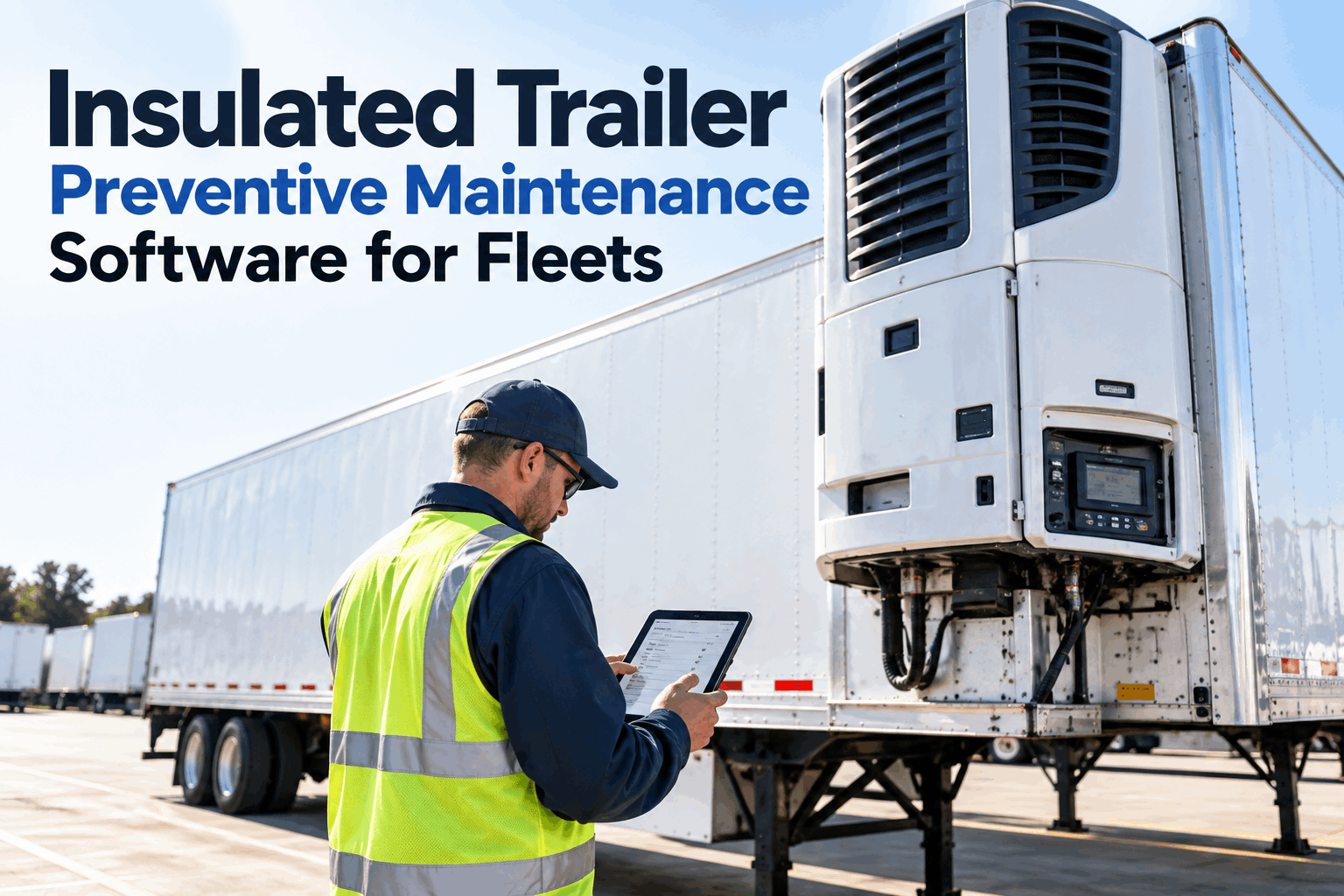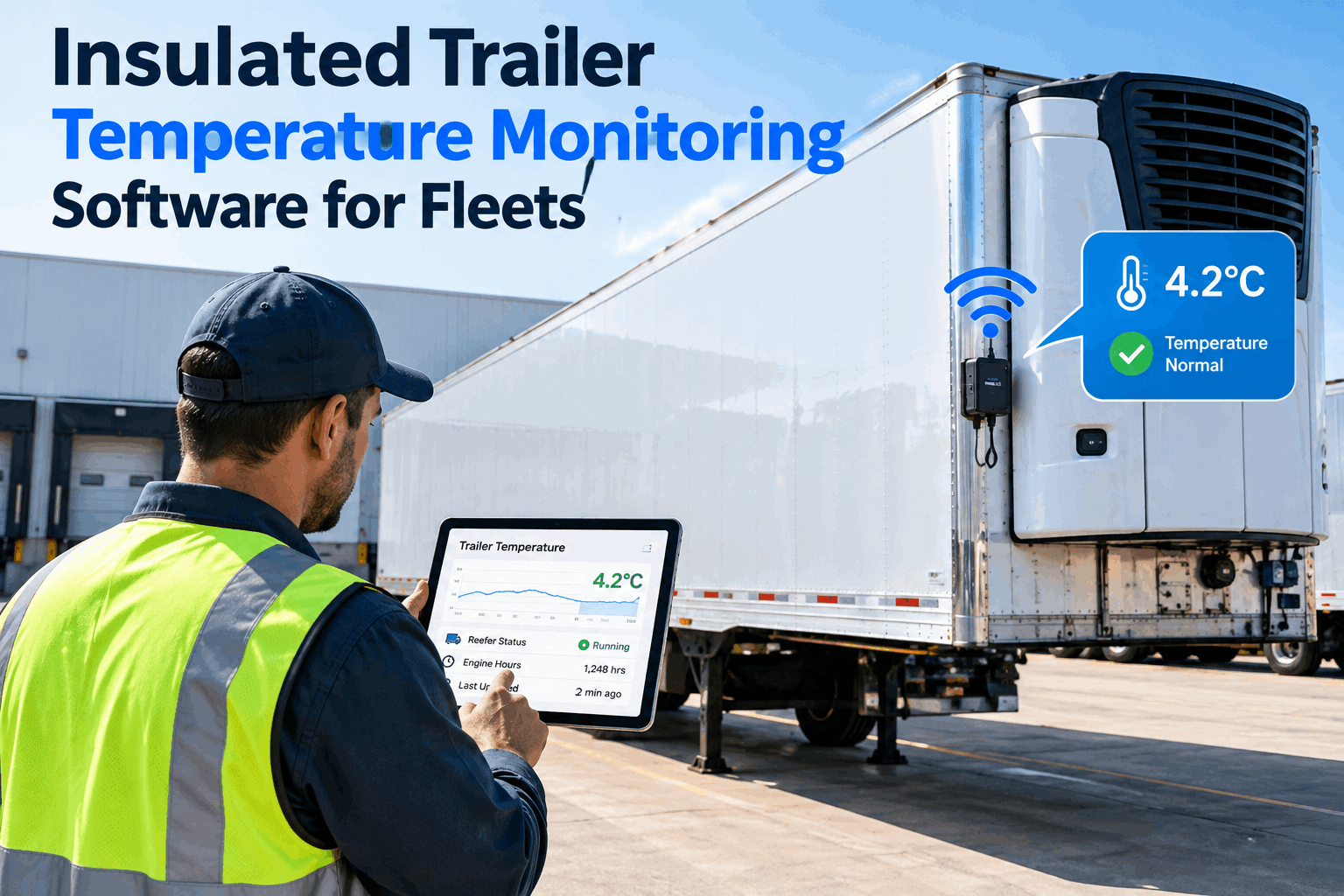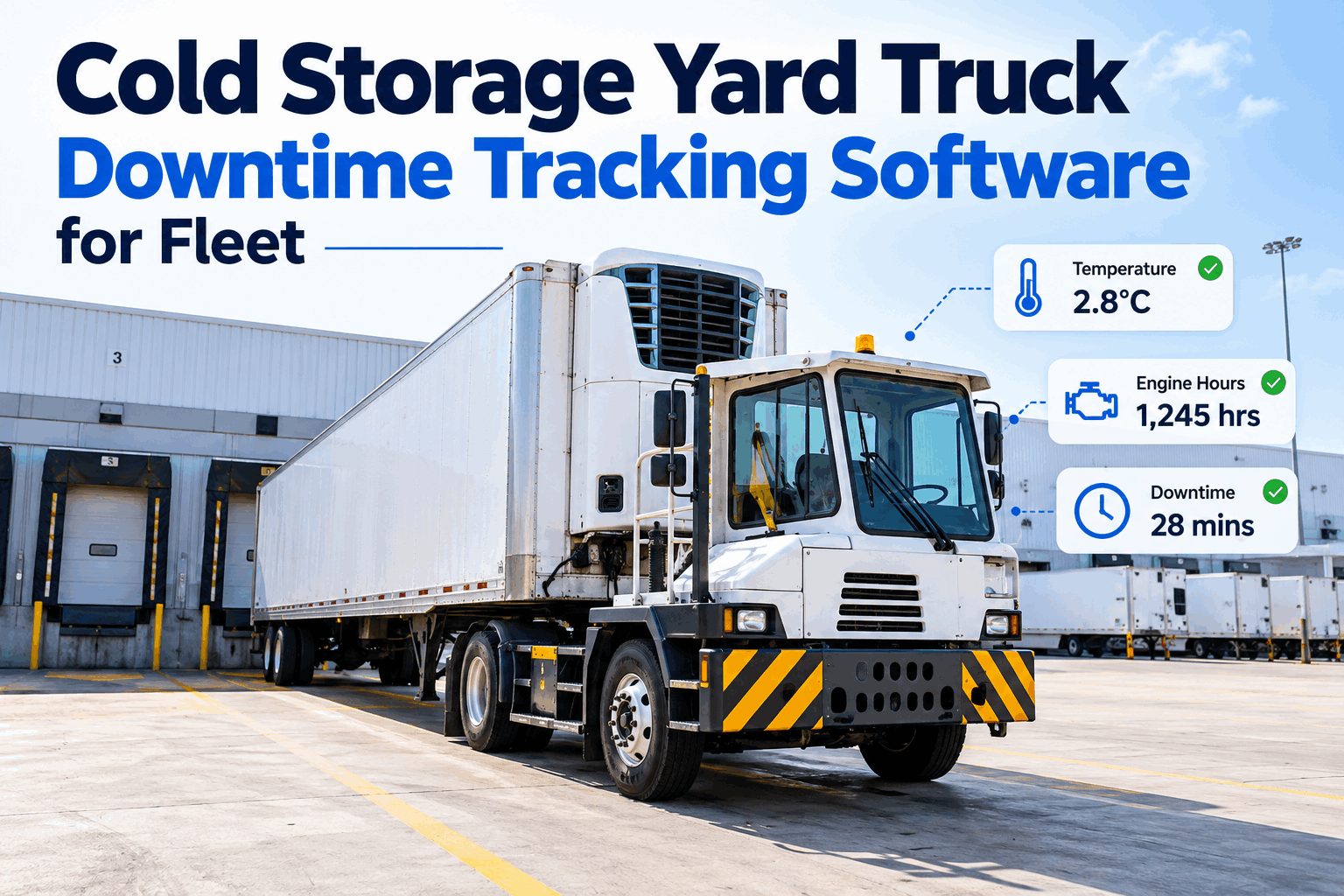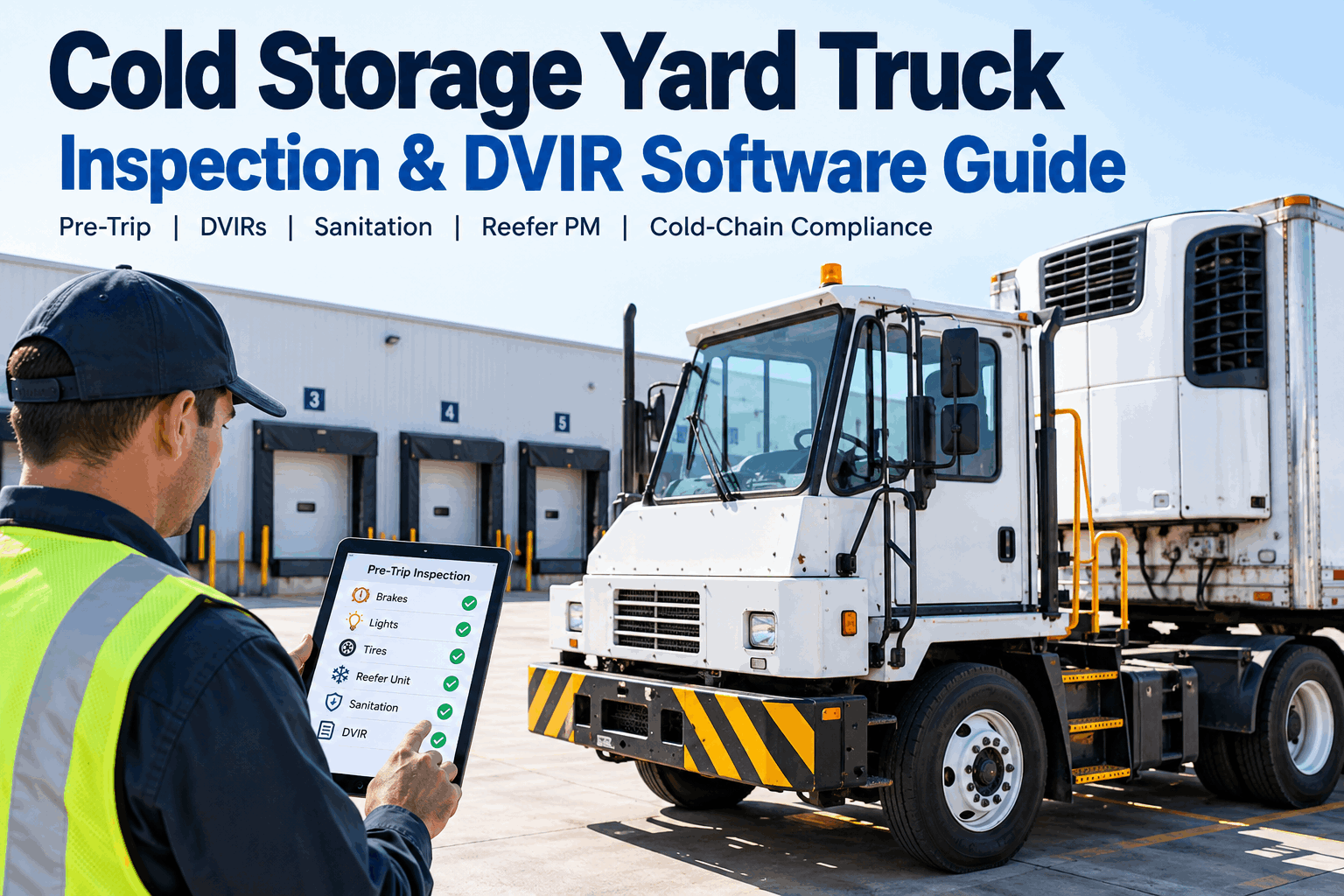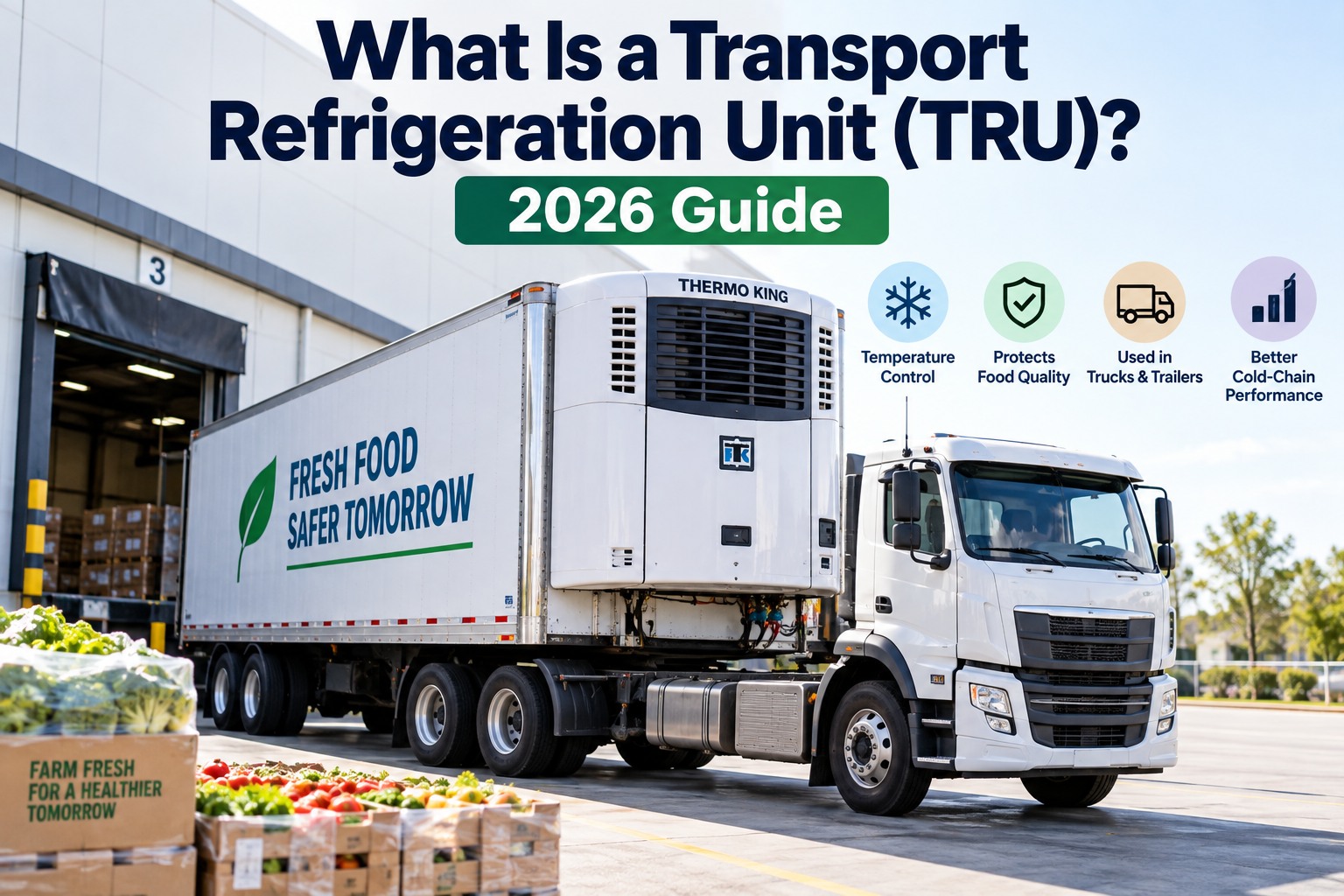
Commercial refrigerated carriers, regional grocery distributors, and pharmaceutical cold-chain fleets rely fundamentally on the Transport Refrigeration Unit (TRU)—commonly known throughout the freight industry as a reefer unit—to maintain uncompromised thermal integrity from farm packing sheds to retail receiving docks. A TRU is an independent, self-powered thermodynamic system mounted to the front bulkhead of an insulated trailer, straight truck body, or intermodal shipping container designed to remove heat, circulate conditioned airflow, and preserve precise cargo setpoints ranging from deep-frozen ice cream at -20°F to delicate fresh produce at 55°F. Modern transport refrigeration units operate under strict mechanical and regulatory pressures: maintaining compliance with FDA Food Safety Modernization Act (FSMA) 21 CFR § 1.908 sanitary carriage directives, tracking auxiliary diesel runtime hours against strict preventive maintenance schedules, and meeting increasingly stringent California Air Resources Board (CARB) and EPA Airborne Toxic Control Measure (ATCM) emissions mandates. When cold-chain operators track TRUs using manual whiteboard schedules, paper pre-trip slips, and disconnected telematics portals, critical mechanical degradation goes unnoticed. A failing compressor clutch, an iced evaporator coil, or a low-refrigerant expansion valve can cause sudden en-route temperature spikes, resulting in rejected loads exceeding $80,000 in ruined perishable inventory. FleetRabbit provides dedicated cold-chain fleet and TRU asset management software that integrates Carrier Transicold and Thermo King microprocessor telematics, automated engine-hour maintenance gating, mobile driver pre-cooling eDVIRs, and continuous 12-month temperature compliance archives into a single platform priced at $5 per asset per month. Protect your auxiliary refrigeration assets, prevent highway breakdown stalls, and verify temperature compliance completely offline inside concrete distribution vaults, subterranean loading docks, and remote rural staging yards with zero cellular connectivity. Learn how our software optimizes your TRU operations when you book a demo or start testing our cloud platform immediately when you sign up for our platform.
The 5 Core Mechanical Components of a Modern TRU
A Transport Refrigeration Unit operates on a closed-loop vapor-compression refrigeration cycle driven by an auxiliary diesel engine or high-voltage electric generator; understanding these five core sub-assemblies explains where mechanical failures originate.
Auxiliary Diesel Engine / E-Motor
An independent 2 to 4-cylinder Tier 4 Final diesel engine or integrated electric motor that drives the mechanical compressor and alternator, running continuously or in automated start-stop mode based on cargo setpoint tolerances.
Refrigerant Compressor
The heart of the thermal loop: pumps high-pressure synthetic refrigerant gas (such as R-404A, R-452A, or next-gen low-GWP alternatives) through the system, compressing vapor to elevate its temperature above exterior ambient air.
Condenser Coil & Fan Assembly
Mounted on the exterior front face of the reefer unit: transfers heat away from the compressed hot refrigerant gas to outside ambient air, condensing the high-pressure gas into a high-pressure liquid state.
Thermal Expansion Valve (TXV)
Regulates liquid refrigerant flow into the evaporator coil, creating a sudden pressure drop that causes the refrigerant to rapidly flash-evaporate and freeze, creating extreme thermal absorption capacity.
Evaporator Coil & Airflow Chute
Positioned inside the insulated cargo space: interior trailer air is drawn across the freezing evaporator coil, absorbing cargo heat, and conditioned airflow is circulated through ceiling distribution chutes along the length of the trailer.
The 4 Common TRU Breakdown Modes in Cold-Chain Transportation
Managing transport refrigeration units without predictive telematics or engine-hour tracking creates severe operational vulnerabilities that lead to roadside breakdowns and customer cargo write-offs. Discover how our system prevents compressor failures when you book a demo or start testing immediately when you sign up today.
Auxiliary Engine Drive Belt & Clutch Seizure
TRU drive belts and compressor clutch bearings endure severe mechanical vibration and continuous thermal cycling. When maintenance teams track service by truck odometer miles instead of auxiliary diesel hours, belts fray and snap unnoticed mid-route, shutting down cooling while hauling $80,000 in perishable inventory.
Evaporator Coil Icing & Airflow Chute Blockage
Defective defrost termination sensors or improperly loaded cargo blocking ceiling return-air bulkheads prevent warm air from cycling. Moisture condenses and freezes into a solid block of ice over the evaporator fins, choking airflow and allowing compartment core temperatures to rise rapidly.
Micro-Refrigerant Leaks & Slow Delta-T Decay
Vibration fractures in copper refrigerant lines cause slow synthetic gas loss. The TRU continues running in high-speed diesel mode, burning excessive fuel while struggling to reach setpoint. Without automated delta-T slope alerts, dispatchers remain unaware until the receiver probes the pallets and rejects the warm freight.
Pre-Cooling Neglect & Hot-Loading Disputes
Loading refrigerated freight into a warm trailer shell forces the TRU to extract heat from the trailer walls, insulation, and cargo simultaneously, causing surface product thawing. Lacking timestamped pre-cool verification eDVIRs, carriers cannot defend against receiver cargo claims.
Built Specifically for Commercial TRU Asset Management
FleetRabbit connects TRU microprocessor controller streams, driver mobile walkarounds, certified mechanic work orders, and regulatory compliance archives into a unified command platform. Discover how our software streamlines your refrigeration maintenance when you book a demo with our team.
Auxiliary Engine-Hour Tracking
Directly tracks cumulative diesel run hours and electric standby runtime from Carrier and Thermo King microprocessors, automating 1,500-hour and 3,000-hour service schedules before highway seizures occur.
Predictive Delta-T Slope Analysis
Continuously evaluates supply air versus return air temperature slopes against ambient weather, alerting dispatchers to torn door seals, refrigerant loss, or iced coils hours before cargo spoils.
Automated Pre-Cool Dispatch Lockout
Trailers that fail to achieve verified temperature pull-down, show active microprocessor diagnostic fault codes, or have overdue engine-hour PMs are automatically blocked on the central dispatch board.
Cold Storage Offline Mobile Sync
Drivers perform pre-trip eDVIR walkarounds, verify pulp probe readings, and photograph clean washouts inside concrete distribution vaults with zero cellular service; all records auto-sync upon reconnection.
CARB ATCM Compliance Vault
Tracks ultra-low emission TRU engine compliance, particulate filter regeneration intervals, electric shore-power runtime logging, and state-specific clean reefer registry documentation in an auditable database.
1-Click 12-Month FSMA Dossiers
Compile certified compliance binders containing continuous multi-zone temperature graphs, engine operational mode histories, door event dwell logs, and driver pre-trip walkarounds in under 60 seconds.
Direct Mapping to Federal Food Safety & Equipment Directives
FleetRabbit’s TRU asset management architecture operates in strict alignment with commercial transport safety standards, food safety regulations, and environmental rules.
Enforces carrier obligations to maintain TRUs in suitable operational condition, execute required pre-cooling, prevent thermal abuse during transit, and ensure adequate refrigeration capacity for agreed setpoints.
Mandates that motor carriers maintain electronic records of written operating procedures, carrier-shipper temperature agreements, continuous temperature traces, and equipment maintenance logs for at least 12 months.
Standardizes daily pre-trip and post-trip driver walkarounds (§ 396.11), auxiliary reefer engine structural mount checks, qualified mechanic corrective action signatures (§ 396.13), and 90-day maintenance record retention.
Governs auxiliary diesel engine emissions: requires particulate matter filtration verification, tracks electric standby operation hours at distribution facilities, and maintains official state equipment registry profiles.
Transport Refrigeration Unit (TRU) Management Software Comparison
A feature-level comparison focused on auxiliary engine maintenance, thermal telemetry fusion, and regulatory compliance as of 2026. Schedule a personalized walkthrough when you book a demo with our team.
| Capability | FleetRabbit | Generic Fleet CAD | Basic Telematics Portals | Whiteboards & Manual Paper |
|---|---|---|---|---|
| Pricing (per asset/month) | $5/month flat | $30–$65/month | $20–$45/month | High emergency repair costs |
| TRU Engine-Hour Maintenance PMs | Automated run-hour scheduler | Manual hours entry only | Sensor ping only | Odometer miles only (Inaccurate) |
| Automated Pre-Cool Dispatch Lockout | Instant block on unverified pre-cool | Manual supervisor review | Not supported | None (Blind departures) |
| Delta-T Air Leak Detection Radar | Thermal recovery slope analysis | Not supported | Raw temp display only | None (Undiscovered fuel waste) |
| Cold Storage Offline Mobile Sync | Full store-and-forward | Network dependent | Data dropped offline | Paper forms only |
| Free Trial Access | 14 days, up to 3 assets | Sales demo only | Limited sandbox demo | None |
| Contract Commitment | Monthly or annual (No lock-in) | 3 to 5-year lock-in | 3-year minimum | None |
5-Step TRU Fleet Modernization Pathway
FleetRabbit embeds cleanly into your refrigerated fleet operations, maintenance bays, and driver mobile devices in under two weeks without freight disruption. Begin testing immediately when you sign up for a free trial.
TRU Asset Master & Telematics Gateway Ingestion
Import refrigerated trailers, straight trucks, reefer serial numbers, compressor models (Carrier / Thermo King), and historical auxiliary engine run hours via CSV or direct API integration.
Engine-Hour PM & Thermal Threshold Setup
Configure automated maintenance intervals matching manufacturer specifications: establish 1,500-hour minor service buffers, 3,000-hour major services, and delta-T recovery alarms.
Pre-Cooling & Dispatch Gating Rules
Establish automated validation rules that block trailers with overdue PM cycles, active microprocessor alarm codes, or unverified pre-cooling walkarounds from load dispatch.
Drivers & Reefer Technicians Mobile Rollout
Equip refrigerated transport drivers and certified shop mechanics with the offline-first mobile app on standard smartphones or rugged tablets for rapid pre-trips and PM sign-offs.
Refrigerated Command Go-Live
Activate live fleet temperature monitoring, automated engine-hour queues, auxiliary fuel dissipation analytics, and 1-click FDA 21 CFR § 1.912 compliance audit exports.
2-Week Deployment Plan & Milestones
A structured timeline designed to transition cold-chain fleet operations from manual whiteboards to automated digital governance with zero disruption to scheduled customer shipments. Review our onboarding plan when you book a demo today.
Week 1: Asset Integration & Microprocessor Calibration
- Audit paper maintenance work orders, historical cargo spoilage claims, and fuel consumption receipts
- Connect Carrier and Thermo King telematics feeds to verify real-time auxiliary engine-hour streams
- Configure mobile pre-trip eDVIR walkaround checklists and photo-verified pre-cooling inspection forms
- Assign user access permissions for Fleet Directors, Certified Reefer Mechanics, and Transport Drivers
Week 2: Yard Rollout & Live Verification
- Distribute mobile app to drivers and conduct 15-minute training on digital pre-cooling walkarounds
- Validate store-and-forward offline syncing inside concrete cross-dock coolers and staging sheds
- Simulate an overdue engine-hour PM threshold to verify automated dispatch lockout gating and shop routing
- Launch live fleet temperature dashboard and automated FSMA compliance reporting archives
Take Complete Control of Your Fleet's TRUs in Less Than 2 Weeks
Automate auxiliary engine-hour maintenance, prevent compressor roadside seizures, and maintain 100% FSMA compliance at $5/asset/month with a 14-day free trial.
Real-World TRU Fleet Reliability Results
Operational improvements documented by commercial refrigerated carriers who modernized their TRU asset management workflows. Review the complete cold-chain case study when you book a demo with our team.
42% Reduction in Highway Reefer Breakdowns Across 60 Trailers
A regional refrigerated motor carrier operating 60 trailers suffered frequent summer compressor failures caused by servicing auxiliary units on odometer mileage rather than diesel run hours. FleetRabbit deployed automated engine-hour PM scheduling and delta-T failure alerts, cutting highway road calls by 42% and saving $84,000 in emergency wrecker tows and repair fees in year one.
Zero Uninspected Pre-Cool Departures and 100% FSMA Compliance
A broadline foodservice carrier managing 45 multi-temp trailers faced recurring customer delivery disputes over warm dairy cases. FleetRabbit automated mobile pre-cool verification eDVIRs and dispatch safety lockouts, achieving 100% verified pre-cooling compliance and zero rejected deliveries.
When you operate sixty refrigerated trailers, your Transport Refrigeration Units are the most critical mechanical assets in your business. A tractor breakdown delays a shipment, but a TRU failure destroys the shipment completely. For years, we tracked our reefer maintenance on a garage whiteboard and serviced our units whenever the tractor came in for an oil change. We didn't realize our auxiliary diesel engines were running twice as many hours as the truck odometers because our trailers were sitting on docks pre-cooling for hours. We lost two eighty-thousand-dollar loads in one summer because compressor belts snapped on the interstate. FleetRabbit completely changed our operational posture. It connects directly to our Thermo King microprocessors, tracks our real diesel run hours down to the minute, forces our drivers to verify pre-cooling on their phones, and locks out any trailer with an overdue service or an active alarm code. It has saved our business tens of thousands of dollars and given our shippers complete peace of mind.
Frequently Asked Questions
Take Control of Your Fleet's Transport Refrigeration Units in Less Than 2 Weeks
Automate auxiliary engine-hour maintenance, eliminate cargo spoilage claims, and maintain 100% FSMA compliance at $5/asset/month with a 14-day free trial.