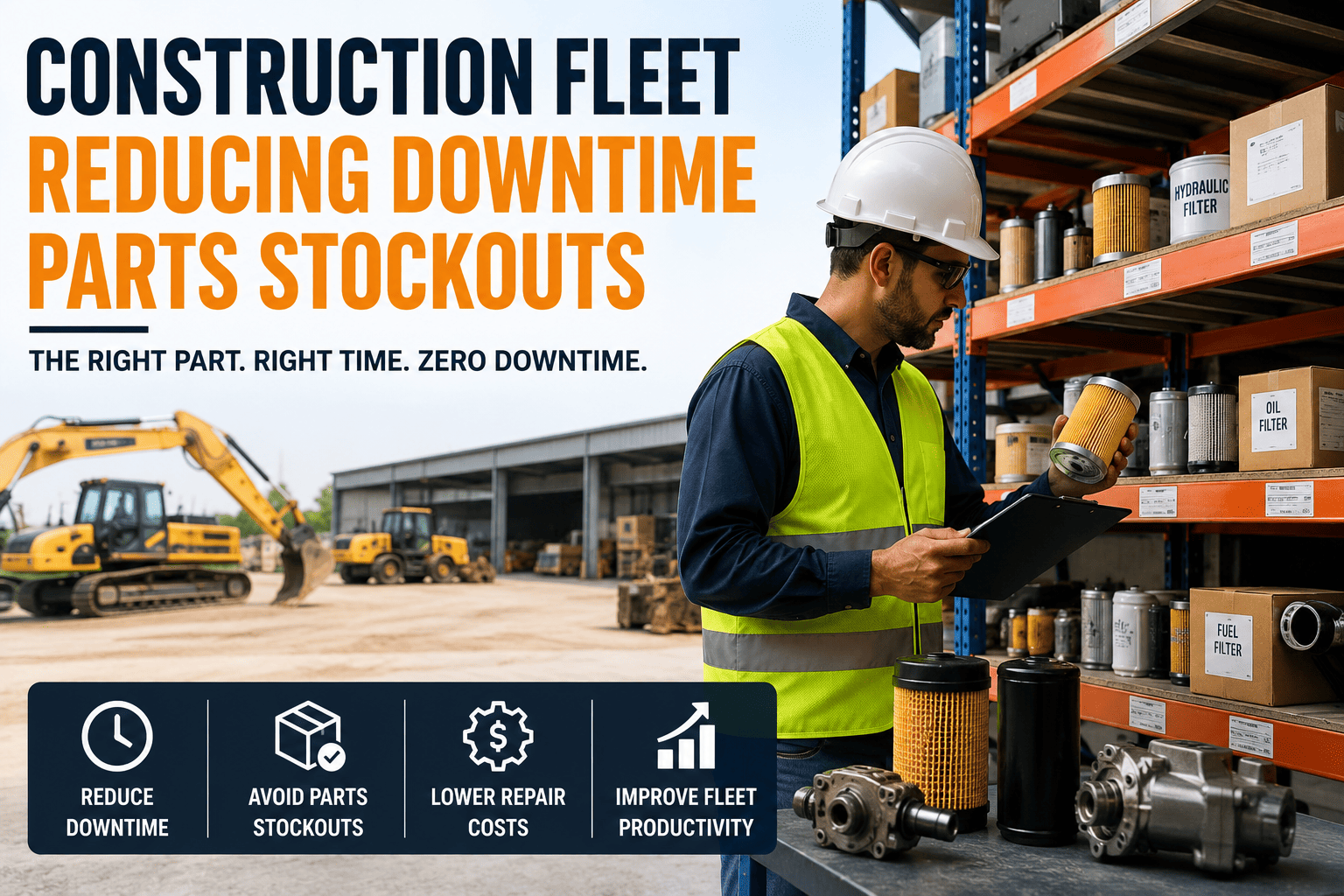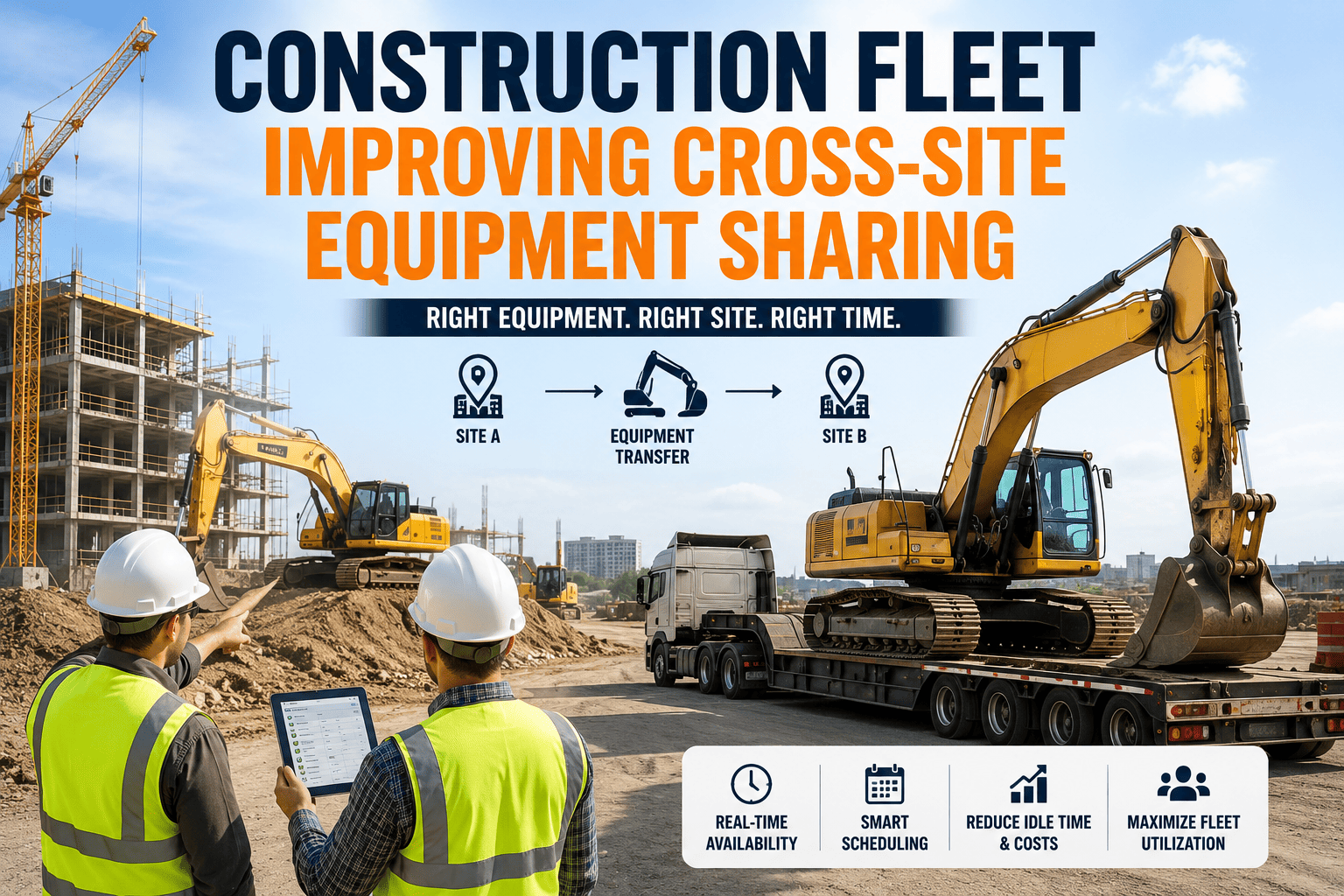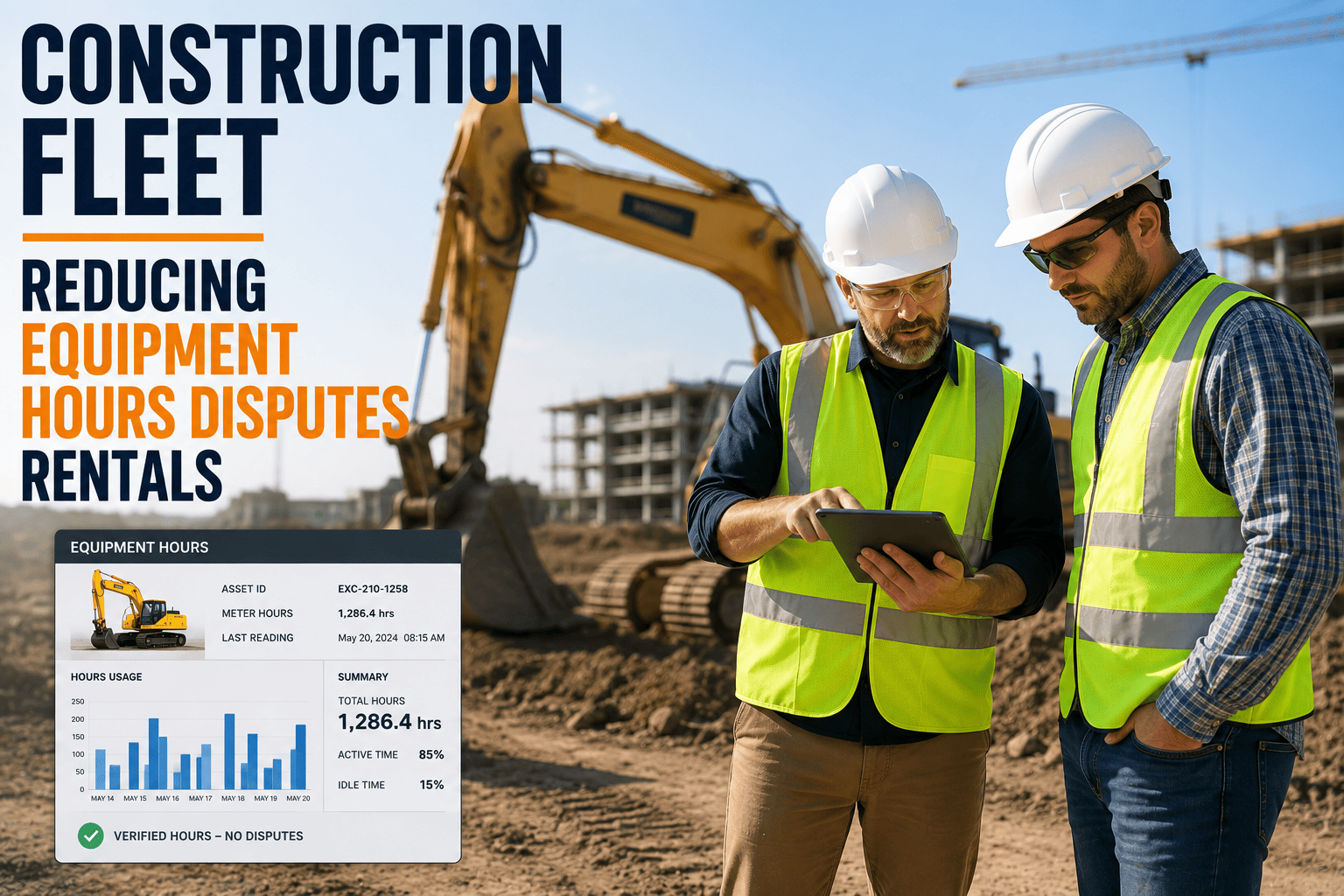
Every construction fleet manager knows the pattern. A project ramps up, the right excavator or lift isn't on the yard, and a rental order goes out before lunch. Multiply that decision across a dozen projects a year and rental spending quietly becomes one of the largest line items on the budget, even though the company already owns equipment sitting idle somewhere else. The real problem usually isn't a lack of equipment. It's a lack of visibility into what you already own, where it is, and when it becomes free.
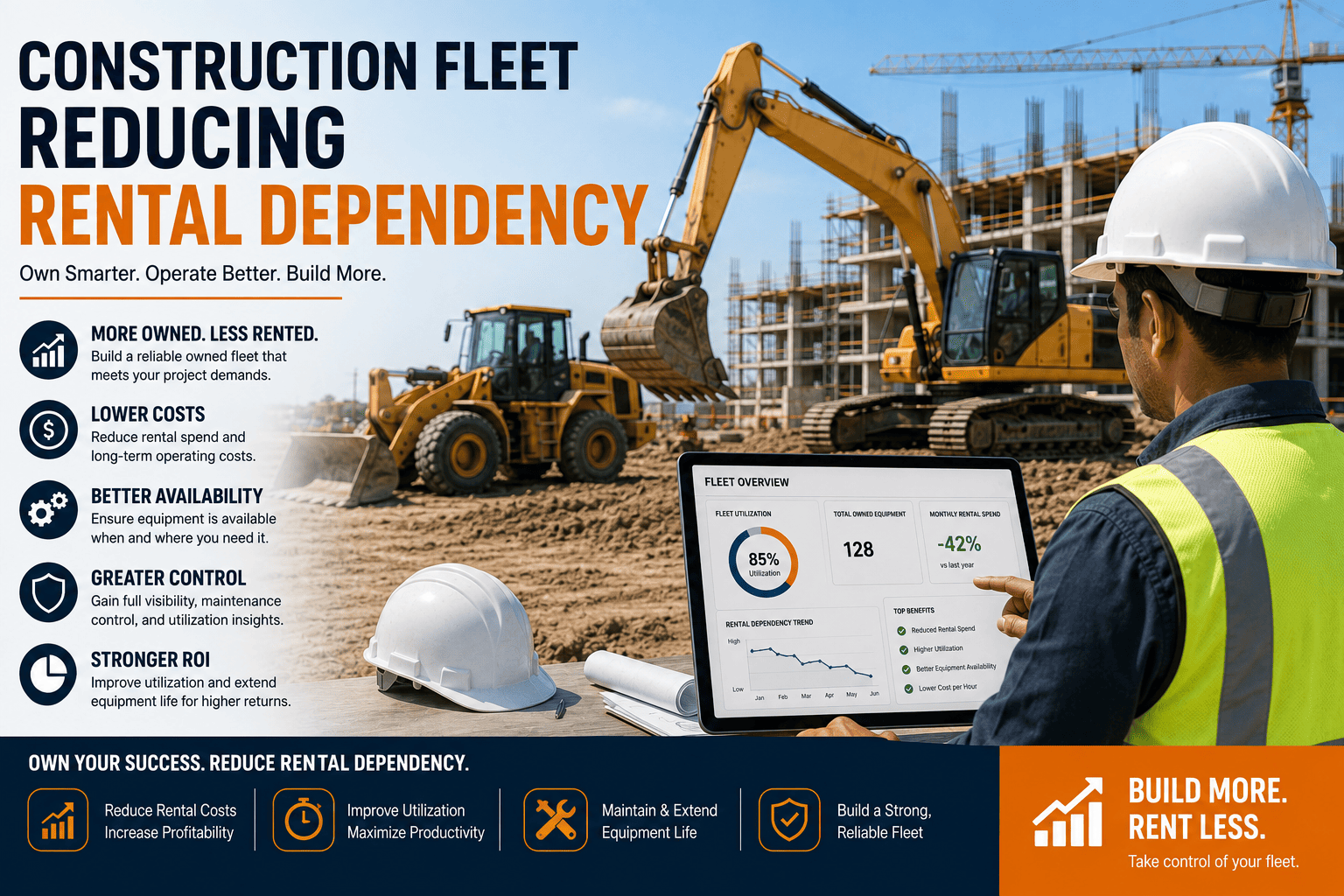
Most construction fleets run at 55 to 65 percent equipment utilization, meaning a third or more of owned assets sit idle while crews still order rentals for the same equipment class. Contractors who track utilization by asset and redeploy idle machines between sites cut rental spending by 20 to 35 percent within a year. FleetRabbit gives fleet managers that visibility automatically, matching idle equipment to upcoming project demand before a rental order is ever placed.
Why Rental Spend Keeps Climbing Even When You Own Enough Equipment
Rental dependency rarely comes from owning too little equipment. It comes from not knowing what is available when a project needs it. Project managers working in silos order rentals because checking equipment availability across other job sites takes longer than a phone call to the rental yard. Over time, this habit becomes the default, even when a compatible machine sits three miles away, idle for the week.
No Real-Time Visibility
Fleet location and availability live in spreadsheets, texts, and someone's memory. By the time a manager finds an idle machine, the rental has already been booked.
Siloed Project Planning
Each site plans its own equipment needs independently. Nobody is cross-checking demand against the whole fleet, so idle assets at one site never reach another.
Renting Feels Faster
A rental call is one step. Locating, inspecting, and transporting an owned asset from another site feels like three, so teams default to the path of least resistance.
What Utilization Benchmarks Actually Tell You
Utilization rate is the single number that separates a fleet that is well matched to demand from one that is quietly bleeding cash into rental invoices. It measures how much of your owned equipment's available time is actually spent working, versus sitting idle in a yard or on a trailer.
| Metric | Typical Range | Target for Healthy Fleets | What It Signals |
|---|---|---|---|
| Time Utilization | 55 to 65 percent | 65 to 75 percent | Below range means idle equipment is available but not being redeployed |
| Rental-to-Owned Ratio | 25 to 40 percent of equipment hours | Under 15 percent | High ratio means owned assets are being bypassed in favor of new rentals |
| Idle Days Per Asset Monthly | 8 to 12 days | Under 5 days | High idle days indicate poor cross-site visibility and planning |
| Redeployment Turnaround | 4 to 7 days | Under 2 days | Slow turnaround pushes teams back toward renting instead of waiting |
FleetRabbit maps every asset across every project in real time, flagging idle equipment before a rental request goes out. Sign up free and see your fleet's true utilization within minutes, or book a demo to walk through it with our team.
Calculating Your True Fleet Utilization Rate
Before you can reduce rental dependency, you need an honest baseline. Utilization is calculated by dividing the hours or days an asset was actively working by the total hours or days it was available for work, then multiplying by 100.
Run this calculation for every major asset class, not just the fleet as a whole. A single number can hide the truth. Excavators might run at 80 percent utilization while compactors sit idle at 40 percent, and that gap is exactly where rental dollars are being wasted on equipment you already own but couldn't locate in time.
Where the Gap Usually Hides
Regional Blind Spots
Equipment purchased for one region rarely gets tracked once it moves to a neighboring project zone, so it drops off the radar entirely.
End-of-Project Handoffs
When a project wraps up, equipment often sits parked for days or weeks before anyone confirms it is free for the next assignment.
Manual Tracking Delays
Spreadsheet updates lag behind reality by days, so managers make rental decisions based on outdated information.
Owned Equipment vs Rental: The Real Cost Gap
Renting feels like a low-commitment decision in the moment, but the math changes fast once an owned asset sits idle while a rental unit does the same job at a markup.
Five Steps to Reduce Rental Dependency
1. Build a Live Fleet Map
Every asset needs a real-time location and status tag. Without this, cross-site redeployment stays theoretical no matter how good your intentions are.
2. Set a Rental Approval Checkpoint
Require a quick fleet-availability check before any rental request is approved. This single rule catches most avoidable rentals before they happen.
3. Track Utilization by Asset Class
Fleet-wide averages hide the real problem areas. Break utilization down by equipment type so you know exactly which categories are over-rented.
4. Shorten End-of-Project Turnaround
Build a standard demobilization checklist that flags equipment as available the moment a project releases it, instead of letting it sit unassigned.
5. Forecast Demand Across Projects
Compare upcoming project schedules against current fleet assignments so idle equipment gets matched to next month's demand before a rental order is even considered.
Signs Your Fleet Is Over-Renting
Rental Costs Rising Faster Than Project Volume
If rental spend is growing faster than your active project count, owned equipment is being underused somewhere in the fleet.
Same Equipment Class Rented Repeatedly
Recurring rentals for a category you already own, like skid steers or compactors, usually point to a visibility gap rather than a real shortage.
No Standard Redeployment Process
If moving equipment between sites depends on informal phone calls, idle assets will keep getting missed.
Utilization Reports Are Manual or Outdated
Fleets relying on monthly spreadsheet updates are always making decisions on stale data, which pushes teams toward renting by default.
FleetRabbit forecasts project demand against your live fleet map, so idle equipment gets redeployed automatically instead of triggering a new rental. Start your free trial today, or book a demo to see it working on your own fleet data.
Frequently Asked Questions
The Bottom Line on Rental Dependency
Reducing rental spend is rarely about buying less equipment or more equipment. It is about knowing, at any moment, exactly what you own, where it sits, and when it becomes free for the next project. Fleets that build that visibility stop treating rentals as the default and start treating them as the exception, reserved for genuine equipment gaps rather than a lack of information.
FleetRabbit gives your team a live view of every asset across every project, so idle equipment gets redeployed before a rental order goes out. See your utilization gap within minutes of connecting your fleet.