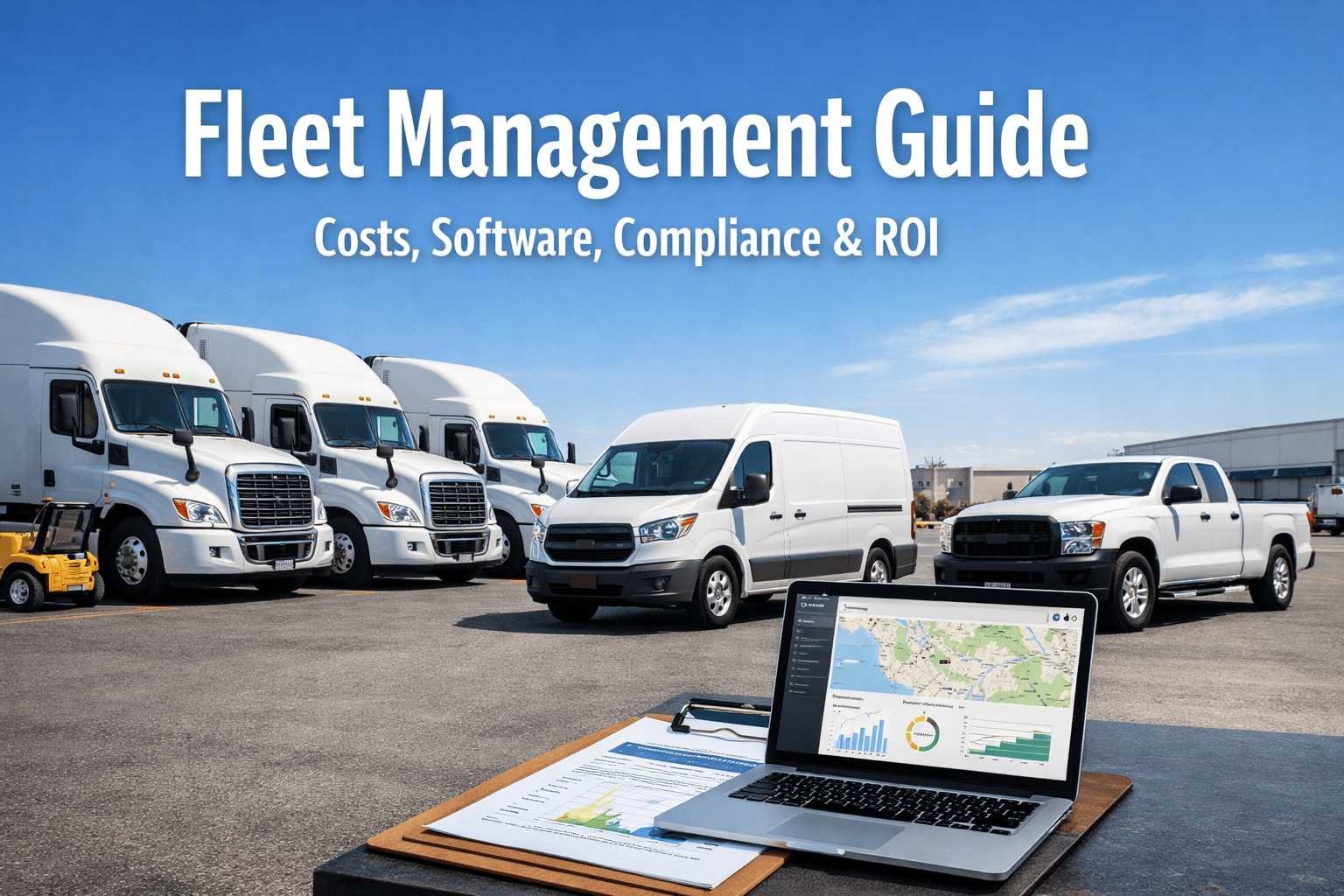
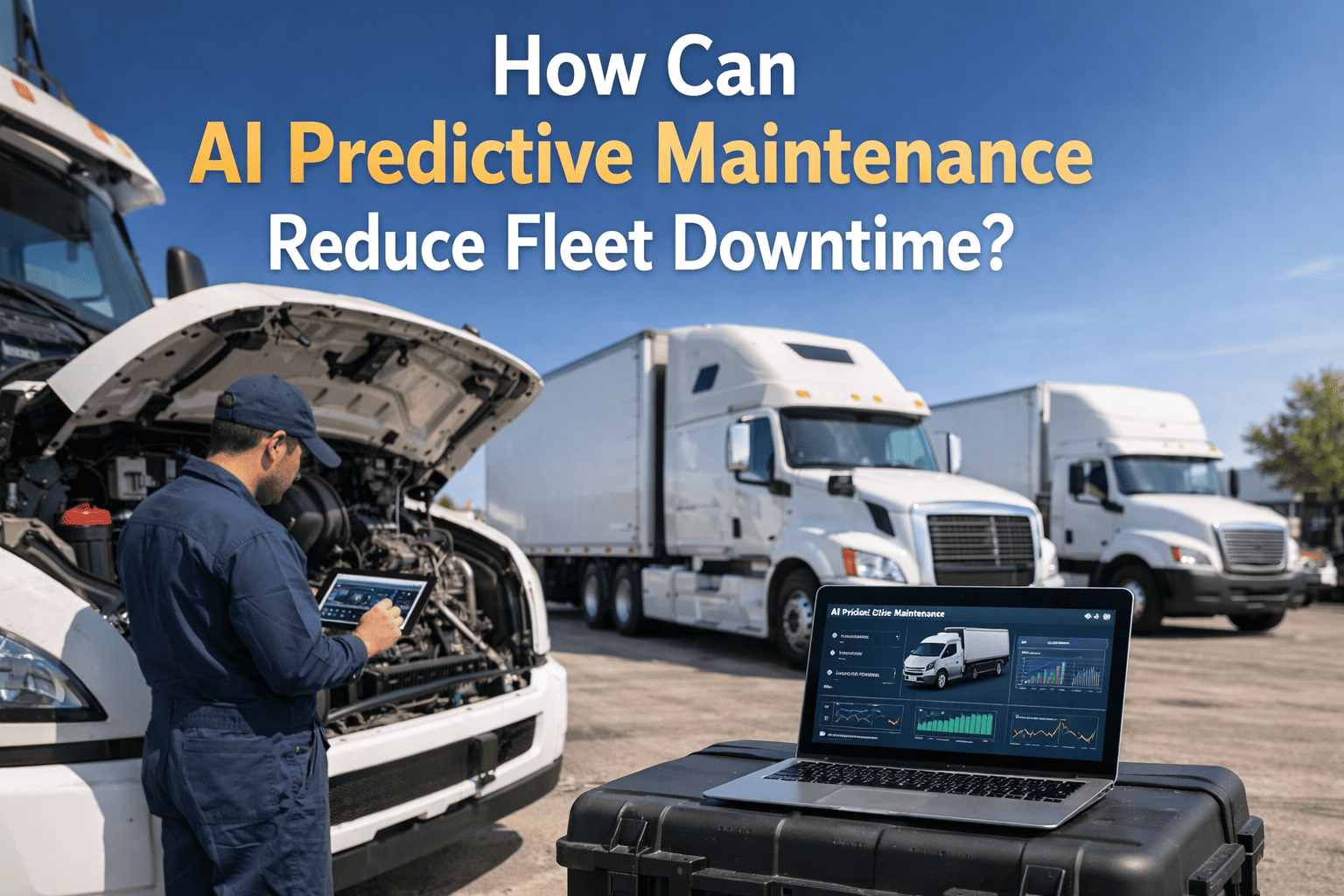
Construction fleet management is undergoing its most significant transformation in decades, with 68% of contractors planning major technology investments in 2026 to combat rising equipment costs and labor shortages. From AI-powered predictive maintenance that reduces downtime by 65% to autonomous excavators and electric equipment cutting operating costs by 60-70%, the industry is rapidly evolving. This FAQ covers the key construction fleet trends reshaping operations in 2026, helping contractors understand which technologies deliver the fastest ROI and how to implement them effectively. Sign up for FleetRabbit to modernize your construction fleet management.
Construction Fleet Technology: 2026 at a Glance
Frequently Asked Questions
What are the top construction fleet trends for 2026?
Five transformative trends are reshaping construction fleet management in 2026: AI-powered predictive maintenance, autonomous equipment integration, electric fleet transitions, advanced telematics platforms, and workforce optimization tools. Together, these technologies are helping contractors reduce operating costs by 25-40% while addressing chronic labor shortages.
The 5 Critical Trends Driving Change
AI Predictive Maintenance
92% accuracy in predicting failures 3-6 weeks ahead, saving $125,000+ per machine annually
Autonomous Equipment
Self-operating dozers, excavators, and haul trucks boosting productivity by 30%
Electric Equipment
70% lower fuel costs, 40% reduced maintenance, zero emissions penalties
Advanced Telematics
Real-time diagnostics, operator scoring, and automated compliance reporting
Workforce Optimization
AI-matched operators to equipment, yielding 10-15% productivity gains
Leading contractors are implementing these technologies in phases, starting with telematics as the foundation, then adding AI maintenance, and eventually incorporating autonomous and electric equipment. Book a demo to see how these trends apply to your fleet.
How is AI transforming construction equipment maintenance?
AI-powered predictive maintenance is revolutionizing how contractors manage equipment health, achieving 92% accuracy in predicting failures 3-6 weeks before they occur. This shift from "fix it when it breaks" to proactive maintenance eliminates 87% of unexpected equipment failures and reduces operational downtime by 65%.
AI Maintenance Impact by the Numbers
How AI Maintenance Works
AI systems analyze data from sensors monitoring engine hours, hydraulic pressure, fuel consumption, vibration patterns, and temperature. Machine learning algorithms identify subtle patterns that indicate developing problems—like a failing alternator or cooling issue—weeks before traditional diagnostics would detect them. Work orders are automatically generated, parts ordered, and technicians dispatched without manual intervention.
What role does telematics play in construction fleet management?
Telematics has evolved from simple GPS tracking to become the central nervous system of modern construction fleets. The global construction telematics market is projected to reach $1.5 billion by 2026 (17% CAGR), with over 53% of organizations citing "predictive maintenance alerts" as their most important feature when selecting a vendor.
Modern Telematics Capabilities
Source: Verizon Connect 2026 Fleet Technology Trends Report
Ready to Modernize Your Construction Fleet?
Start with telematics—the foundation technology that delivers 60-90 day payback and creates the data infrastructure for advanced AI and automation.
How are autonomous equipment and robotics changing construction?
Autonomous construction equipment is moving from experimental pilots to trusted jobsite tools in 2026. Major OEMs like Caterpillar, Komatsu, and Volvo are deploying self-driving dozers, excavators, and haul trucks that operate with minimal human oversight—addressing labor shortages while boosting productivity by up to 30%.
Autonomous Equipment in Action
Caterpillar AI Assistant
Real-time insights, predictive maintenance, and in-cab coaching for operators. Unveiled at CES 2026 with NVIDIA-powered AI integration.
Komatsu Smart Construction
500+ autonomous haul trucks deployed, plus excavators with automatic dig parameter execution and drone-based site surveying.
Volvo Electric Autonomy
TA15 autonomous electric dump truck hauling 15 tonnes with zero emissions and no operator. Now in pilot programs.
Hitachi Autonomous Excavators
GPS, LiDAR, and stereo vision for context-aware digging. Showcased at Bauma 2025 with fully autonomous ZE135 electric excavator.
Autonomous technology is particularly valuable for hazardous tasks, repetitive operations, and sites with labor constraints. Remote-controlled demolition robots are already standard for high-risk environments, and one operator can now oversee multiple machines simultaneously. Sign up for FleetRabbit to track and manage your mixed autonomous fleet.
What should contractors know about electric construction equipment in 2026?
Electric construction equipment has crossed the practicality threshold in 2026, with battery technology advances and charging infrastructure making zero-emission machines viable for most applications. While purchase prices remain 50-100% higher than diesel equivalents, operating cost savings of 60-70% create compelling economics.
Electric vs. Diesel: Total Cost Comparison
| Cost Category | Diesel Equipment | Electric Equipment | Savings |
|---|---|---|---|
| Fuel/Energy Costs | $25,000-40,000/yr | $7,500-12,000/yr | 70% lower |
| Maintenance Costs | $15,000-25,000/yr | $9,000-15,000/yr | 40% lower |
| Emissions Penalties | $5,000-15,000/yr | $0 | 100% eliminated |
| Green Incentives | $0 | $15,000-50,000 | Per project access |
Electric Equipment Implementation Tips
Start with 1-2 electric units for urban or controlled-site work in 2026. Build charging infrastructure proactively—installation costs drop 40% when planned ahead versus emergency retrofit. Track battery health carefully to avoid unscheduled downtime. The zero-emission construction equipment market is projected to reach $18.4 billion by 2035.
Which trend should contractors prioritize first?
Modern telematics platforms should be the first investment for most contractors. They deliver the fastest payback (60-90 days), require minimal change management, and create the data foundation needed for all other technologies. Telematics typically reduces fuel costs by 15-25% immediately while improving utilization by 10-15%.
Recommended Implementation Roadmap
Foundation: Modern Telematics
GPS tracking, utilization monitoring, basic diagnostics
Intelligence: AI Maintenance
Predictive diagnostics, automated work orders, parts forecasting
Transformation: Automation + Electric
Autonomous equipment pilots, electric unit integration
Will these technologies work for small contractors?
Absolutely. Smaller fleets often see higher percentage ROI because one prevented failure or 10% fuel reduction has immediate impact on tight margins. Modern technology has become accessible at every scale.
Small Fleet Technology Options (10-15 Units)
Start with telematics and AI maintenance—these deliver the fastest payback regardless of fleet size. The rental model also allows smaller contractors to access the latest technology without capital investment. Schedule a consultation to discuss solutions for your fleet size.
How do these trends address construction labor shortages?
The U.S. construction industry needs to attract 454,000 additional workers to meet growing demands. Technology is filling this gap by making existing workers more productive and reducing dependence on specialized operators.
Technology Solutions for Labor Challenges
Autonomous Equipment
AI agents on dozers, excavators, and forklifts allow operation with minimal human oversight and during off-hours, delivering consistent performance on hazardous or repetitive tasks.
Remote Operation
5G connectivity enables one operator to manage multiple machines from safe distances. Kobelco's K-Dive system and Teleo's platform let operators control equipment across different sites.
Operator Assist Technology
Semi-autonomous controls reduce skill requirements—excavators auto-execute dig parameters, dozers automatically adjust blade movements, reducing need for experienced operators.
Workforce Optimization
AI matches operators to equipment based on skills and performance data, yielding 10-15% productivity gains from better resource allocation.
Start Your Fleet Technology Journey
FleetRabbit helps construction contractors implement telematics, AI maintenance, and fleet optimization—delivering 15-25% cost reduction in the first 90 days.