In the volatile landscape of global energy markets, where Brent crude can swing from $50 to $80 per barrel within a single fiscal quarter, the traditional approach to oilfield fleet budgeting is fundamentally broken. Static annual budgets, built on fixed assumptions of utilization and maintenance intervals, fail to account for the dynamic reality of upstream operations. When oil prices drop, production targets shift, asset utilization fluctuates, and maintenance deferral becomes a tempting but dangerous cost-saving measure. Conversely, when prices spike, unplanned expansion strains existing fleets, leading to emergency rentals and expedited repairs that blow through contingency funds. For CFOs and Fleet Directors, the challenge is not just controlling costs, but building a financial model that is resilient to market volatility. FleetRabbit transforms fleet management from a static cost center into a dynamic, data-driven financial lever. By providing real-time visibility into cost-per-asset, predictive maintenance scheduling, and contract fleet optimization, FleetRabbit enables operators to build agile budgets that adjust to operational reality rather than rigid forecasts. This article outlines how to construct an oilfield fleet budget that survives — and thrives — in an era of price uncertainty. Book a demo to see how FleetRabbit’s financial analytics can stabilize your fleet budget.
How to Build an Oilfield Fleet Budget That Survives Oil Price Volatility
In a $50–$80 Brent world, fleet budgets must flex with oil price reality. FleetRabbit's cost-per-asset analytics, variable maintenance scheduling, and contract fleet levers help operators build resilient fleet budgets that protect margins regardless of market conditions.
Why Static Annual Budgets Fail in Dynamic Oil Markets
Traditional fleet budgeting relies on historical averages and fixed utilization rates. In a stable market, this approach provides a reasonable baseline. However, in the oil and gas sector, stability is the exception, not the rule. When oil prices drop, operators often defer maintenance to preserve cash flow, leading to a "maintenance debt" that results in catastrophic failures when production ramps up again. Conversely, during price spikes, rapid expansion leads to reliance on expensive short-term rentals and overtime labor, eroding margins. FleetRabbit addresses this by shifting from static budgeting to dynamic financial modeling, where costs are tracked in real-time and adjusted based on actual asset utilization and market conditions.
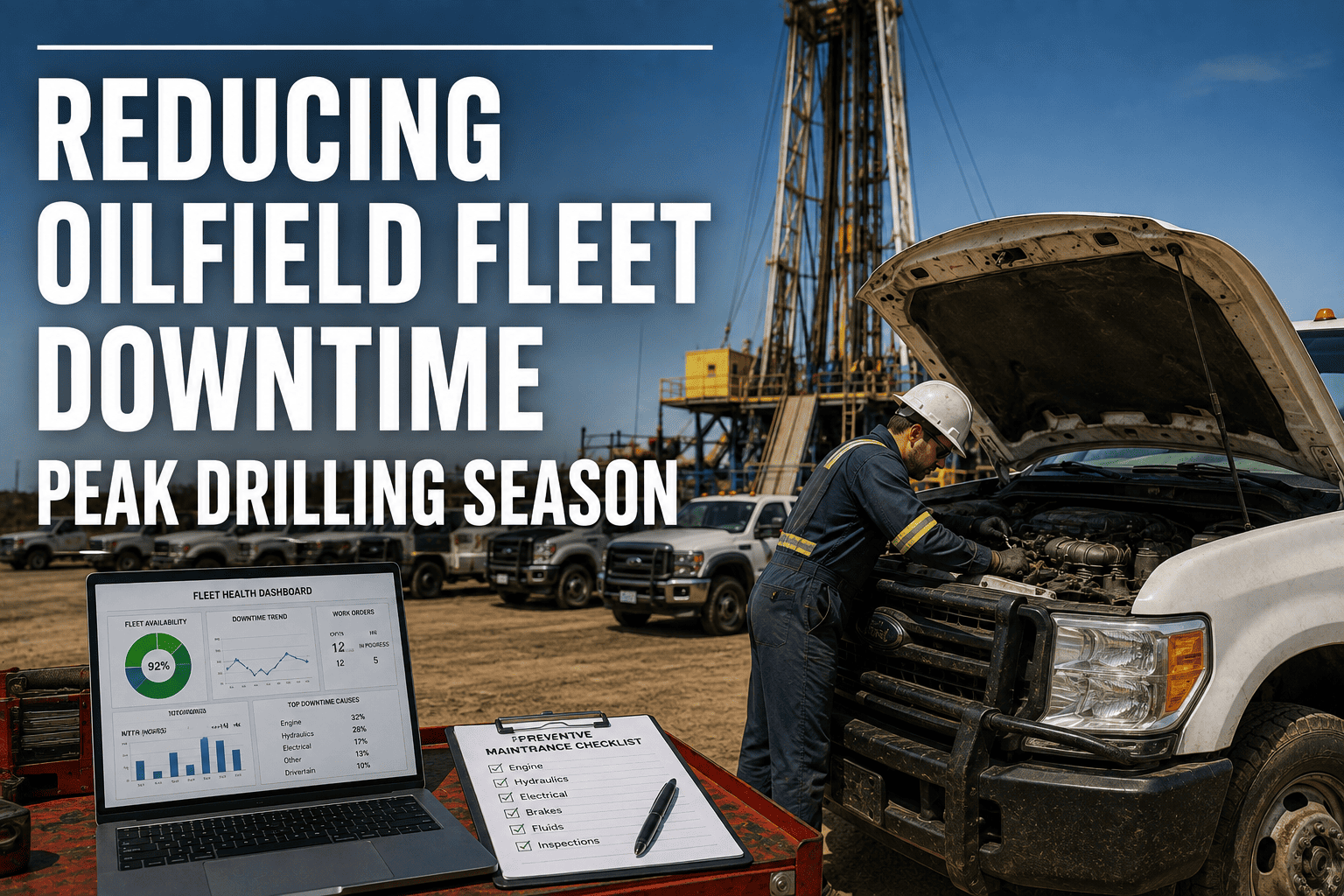
Deferring PMs to cut short-term costs increases long-term repair bills by 6-10x. FleetRabbit’s predictive maintenance ensures critical assets remain reliable even during cost-cutting phases.
Rapid scaling during price spikes forces operators into premium rental contracts. FleetRabbit’s utilization analytics identify underused owned assets before rentals are authorized.
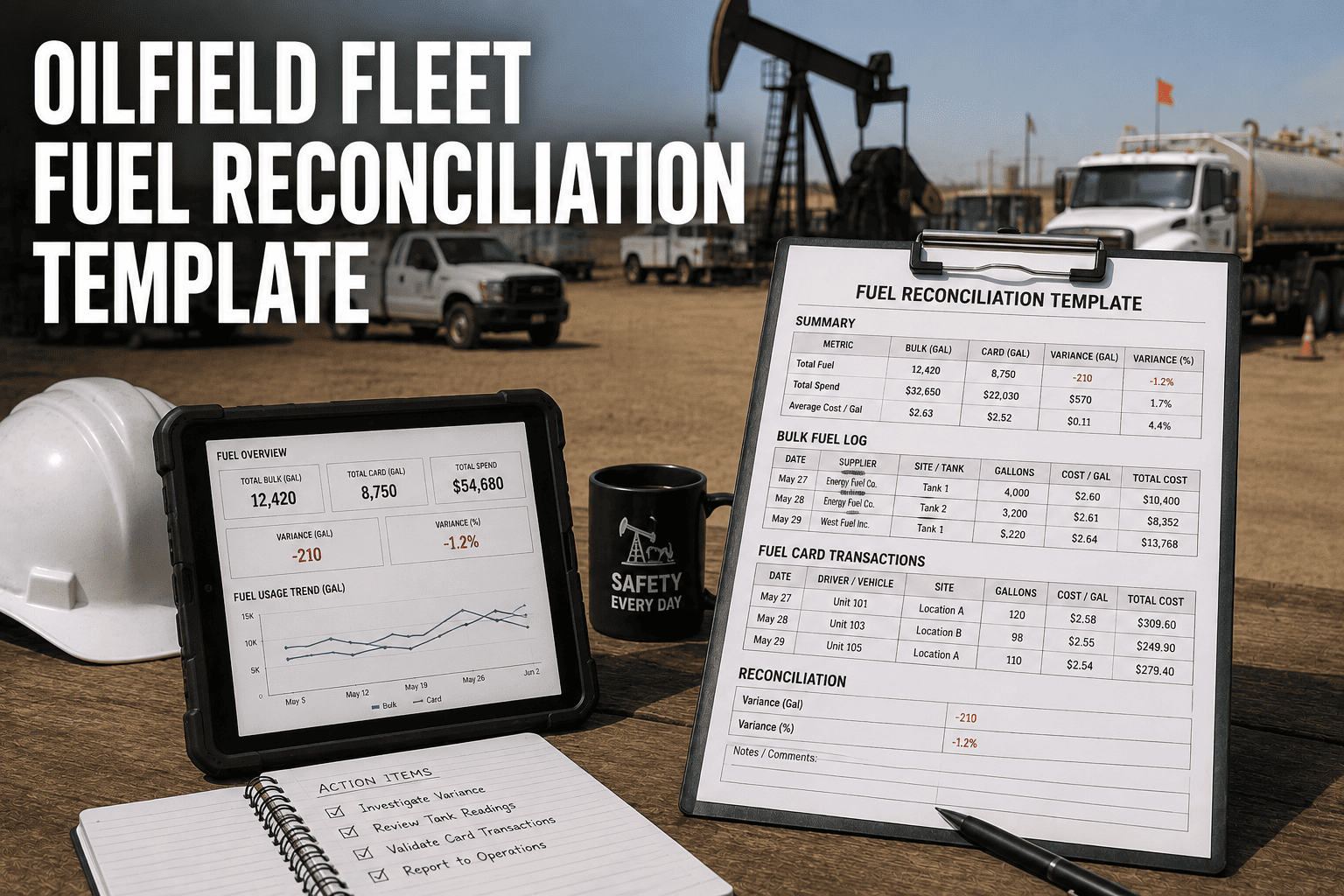
Fuel costs fluctuate with oil prices. Without real-time monitoring, budget overruns go unnoticed until month-end. FleetRabbit detects anomalies within 8 minutes.
Four Data-Driven Levers for Resilient Fleet Budgeting
Building a budget that survives volatility requires moving beyond simple expense tracking. FleetRabbit empowers finance teams with four core capabilities that transform fleet data into financial resilience.
Track total cost of ownership (TCO) for every vehicle in real-time. Include fuel, maintenance, insurance, and depreciation. Identify high-cost assets before they impact the bottom line.
Quantify the savings from predictive maintenance. Show exactly how much was saved by preventing a breakdown versus reacting to one. Justify maintenance spend with hard data.
Analyze the cost-effectiveness of owned vs. rented assets. Optimize mix based on current production levels. Reduce reliance on expensive short-term rentals during peaks.
Model budget scenarios against different oil price points. Understand how a drop to $50/bbl or a rise to $80/bbl impacts fleet costs. Prepare contingency plans in advance.
FleetRabbit’s financial modules provide the insights needed to build budgets that withstand market shocks. Protect your margins with data-driven decision making.
From Static to Dynamic: Implementing Agile Fleet Budgeting
Transitioning to a dynamic budget model requires a shift in process and technology. FleetRabbit supports this transition with a structured implementation approach that integrates financial data into daily operations.
Import historical cost data into FleetRabbit. Establish baseline TCO for each asset class. Identify current budget variances and inefficiencies.
Connect fuel cards, maintenance vendors, and telematics. Enable real-time cost tracking. Set alerts for budget thresholds and anomalies.
Use FleetRabbit’s analytics to model different oil price scenarios. Adjust maintenance schedules and fleet mix based on projected activity levels.
Review cost-per-asset metrics weekly. Adjust operations based on real-time data. Refine budget models based on actual performance.
Budgeting Questions Answered
Build a Fleet Budget That Withstands Market Volatility
In an unpredictable market, data is your best hedge. FleetRabbit provides the real-time insights and analytical tools needed to build a fleet budget that is robust, flexible, and aligned with operational reality. Join leading operators who use FleetRabbit to protect their margins.