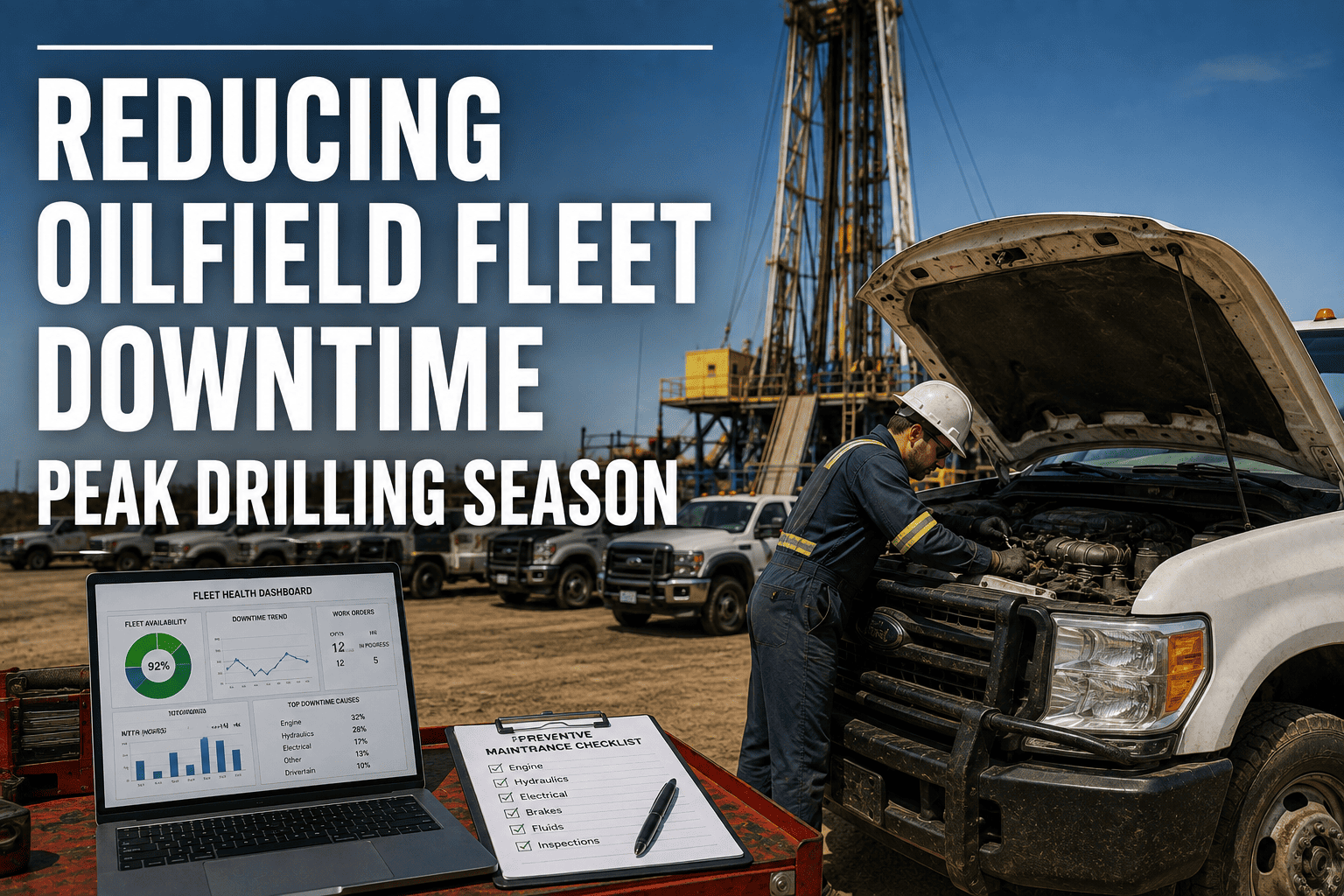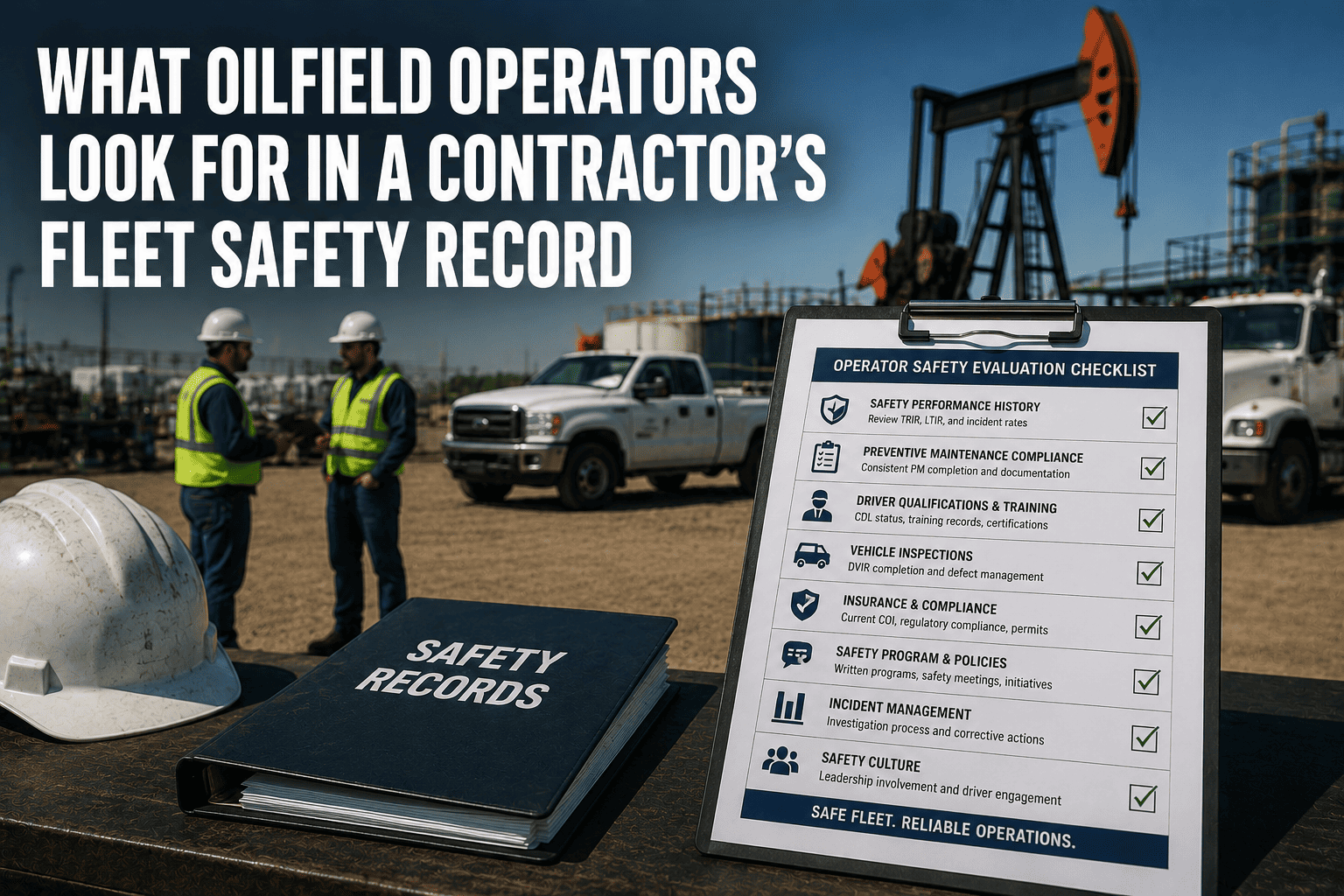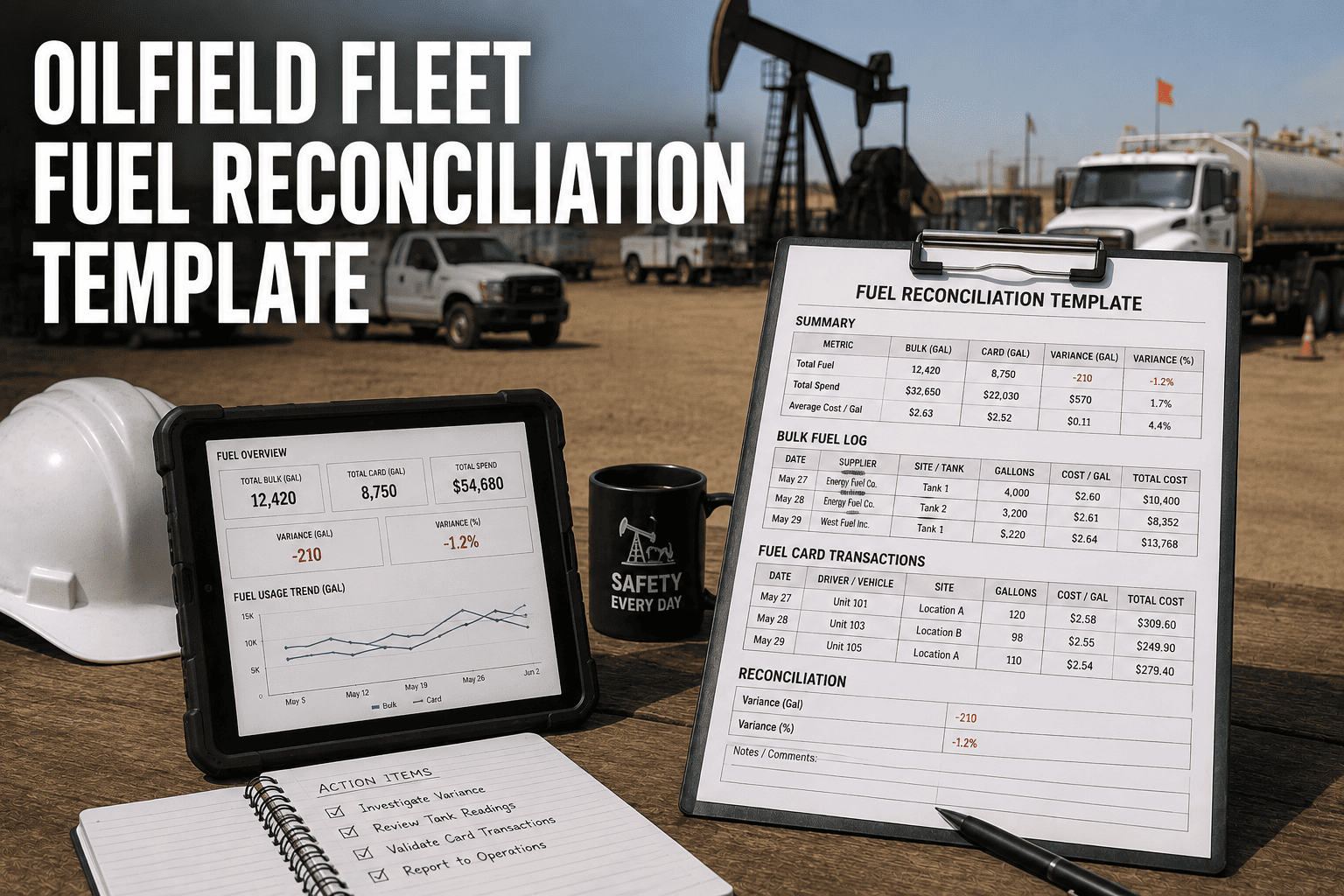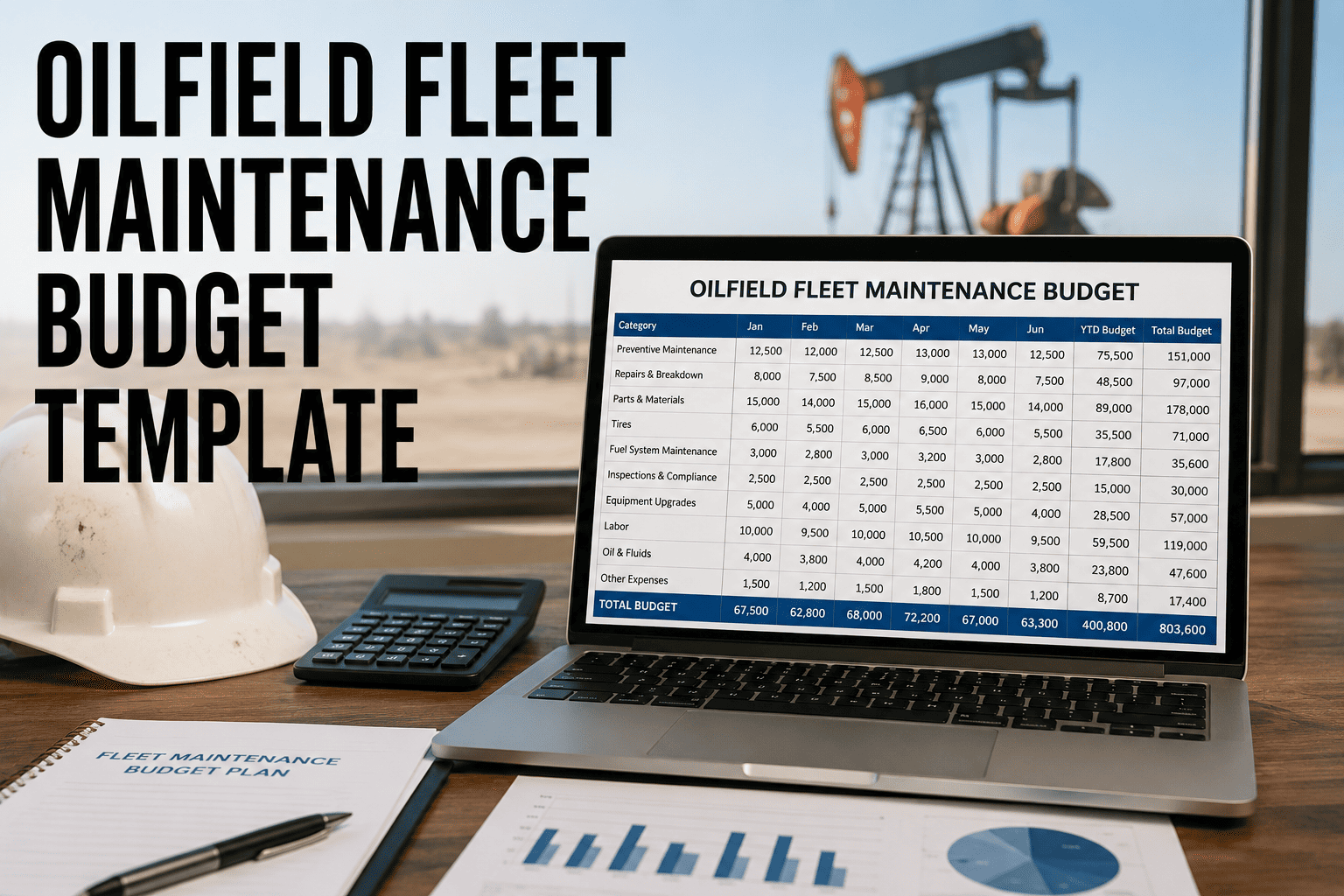
Planning the annual maintenance budget for an oilfield fleet requires navigating unpredictable terrain, severe equipment wear, and volatile parts pricing. Unlike standard commercial fleets, oilfield vehicles endure punishing conditions that accelerate depreciation and drastically increase the frequency of required service. Building a reliable financial roadmap demands more than simply inflating last year's expenses by a fixed percentage. Fleet managers must account for preventive maintenance schedules, projected tire replacements, unexpected breakdowns, and the distinct operational demands of different asset classes, from heavy haulers to specialized pump trucks. An oilfield fleet maintenance budget template provides the structured framework necessary to categorize these expenses, forecast capital expenditures, and prevent costly operational disruptions. However, a template is only as effective as the data feeding it. Relying on historical guesswork or disconnected spreadsheets often leads to underfunded maintenance accounts and emergency repair bills that obliterate profitability. By leveraging actual cost data, fleet managers can transform their annual planning from a stressful guessing game into a precise, predictable financial strategy that keeps operations running smoothly.
An effective oilfield fleet maintenance budget template must categorize expenses by asset class, preventive maintenance, tires, and unplanned repairs. Utilizing actual cost data instead of estimates ensures your annual planning is accurate and fully funded. FleetRabbit tracks every maintenance dollar, providing the real-world data needed to build realistic and profitable fleet budgets.
Core Components of an Oilfield Maintenance Budget Template
Asset Class Segmentation
Categorized Spending
Preventive Maintenance
Scheduled Services
Tires and Consumables
High-Wear Inventory
Unplanned Repairs
Contingency Funds
Navigating the financial complexities of an oilfield operation requires absolute visibility into where every maintenance dollar is going. Static spreadsheets fail to capture the real-time depreciation and sudden repair needs of heavy equipment. To build a budget that actually reflects reality, you need software that tracks actual costs as they occur. You can sign up for FleetRabbit today to start tracking your maintenance metrics or book a demo with our team to see how our platform integrates actual cost data directly into your annual planning process.
Stop relying on last year's estimates and disconnected spreadsheets. FleetRabbit tracks every repair, tire replacement, and PM service, providing the exact cost data needed to build a realistic annual maintenance budget. Make financial planning predictable and profitable for your oilfield fleet.
Annual Maintenance Budget Allocation Matrix
A structured budget template allocates funds across specific operational categories to ensure all aspects of vehicle upkeep are financed appropriately. Use the following matrix as a baseline to structure your annual planning and adjust the percentages based on your specific fleet composition and historical trends.
| Budget Category | Typical Allocation | Primary Cost Drivers | Data Source |
|---|---|---|---|
| Preventive Maintenance | 20-25 percent | Routine oil changes, fluid analysis, filter replacements, safety inspections | Manufacturer guidelines and FleetRabbit automated service schedules |
| Tires and Brakes | 25-30 percent | Severe duty tire replacements, brake pad and rotor wear from heavy hauling | Historical tread life reports and off-road usage logs |
| Unplanned Repairs | 30-35 percent | Alternator failures, suspension damage, electrical issues, component fatigue | FleetRabbit work order history and downtime tracking records |
| Labor and Outsourcing | 10-15 percent | In-house technician hours, specialized outsourcing for heavy diagnostics | Payroll records and third-party vendor invoices |
| Compliance and Upgrades | 5-10 percent | Emissions testing, DOT inspections, safety retrofits, software updates | Regulatory deadline schedules and fleet modernization plans |
The most common mistake fleet managers make during annual planning is treating the maintenance budget as a fixed, static document. Oilfield operations are highly dynamic, and a budget that is perfectly accurate in January might be completely irrelevant by June if fuel prices spike, a new remote site opens, or an unexpected weather event damages equipment. This is why continuous tracking and mid-year adjustments are critical to financial stability. When managers rely on manual accounting methods, identifying these budgetary drifts often happens too late to correct course. Modern fleet management software allows for real-time budget tracking, automatically flagging categories that are trending over their allocated limits before the damage is done. This continuous feedback loop ensures that maintenance funds are always available when needed, preventing the dangerous practice of deferring critical maintenance to balance the books at the end of the quarter.
Why Historical Data Drives Better Budgets
The foundation of any accurate oilfield fleet maintenance budget template is robust historical data. Knowing exactly how much a specific make and model costs to maintain per mile over a five-year period removes the guesswork from annual planning. Historical data reveals hidden trends, such as a particular asset class requiring transmission service earlier than expected, or a specific lease road causing accelerated tire wear. By analyzing these patterns, fleet managers can negotiate better parts pricing, adjust service intervals, and make informed decisions about when to retire an aging asset rather than continuing to pour money into escalating repair costs. A centralized digital platform automatically captures this data with every work order, building a rich financial history that makes future budgeting highly accurate and deeply predictive.
Shifting from Reactive to Predictive Spending
Reactive spending occurs when a vehicle breaks down, and the fleet is forced to pay whatever it costs to get it back on the road immediately. This often includes expensive expedited shipping for parts and overtime labor rates. Predictive spending, enabled by consistent data tracking, allows managers to forecast when a component is likely to fail based on historical cycles and schedule the replacement during planned downtime. This fundamental shift not only reduces the actual cost of the repair but also eliminates the cascading operational disruptions that unplanned downtime causes. Building an annual budget around predictive spending models ensures funds are utilized efficiently, maximizing vehicle uptime and protecting the bottom line.
Do not let underfunded maintenance accounts and unexpected repairs ruin your annual profitability. FleetRabbit provides the actual cost data and tracking tools needed to build a realistic, predictive maintenance budget. Start making informed financial decisions for your oilfield fleet today.