Every fleet manager pitching a technology budget eventually faces the same question from finance: how fast does this actually pay for itself. Some oilfield fleet investments answer that question in weeks. Others take the better part of a year. Knowing which is which before you commit budget, rather than after, is the difference between a technology stack that funds its own expansion and one that sits half-justified on next year's spreadsheet. Here's how the major categories of oilfield fleet technology actually rank on payback speed in 2026, based on real deployment data rather than vendor best-case slides.
GPS and telematics tracking consistently deliver the fastest payback, often within 4 to 8 weeks through fuel savings and theft recovery alone. Predictive maintenance follows at 2 to 6 months, driver safety monitoring at 3 to 9 months through insurance and claims reduction, and full compliance automation typically over 6 to 12 months as its value compounds through avoided penalties over time.
The Payback Speed Ranking
Not all fleet technology returns money at the same pace. Ranking these categories by how quickly they typically pay for themselves gives fleet managers a clearer starting point than a generic feature comparison.
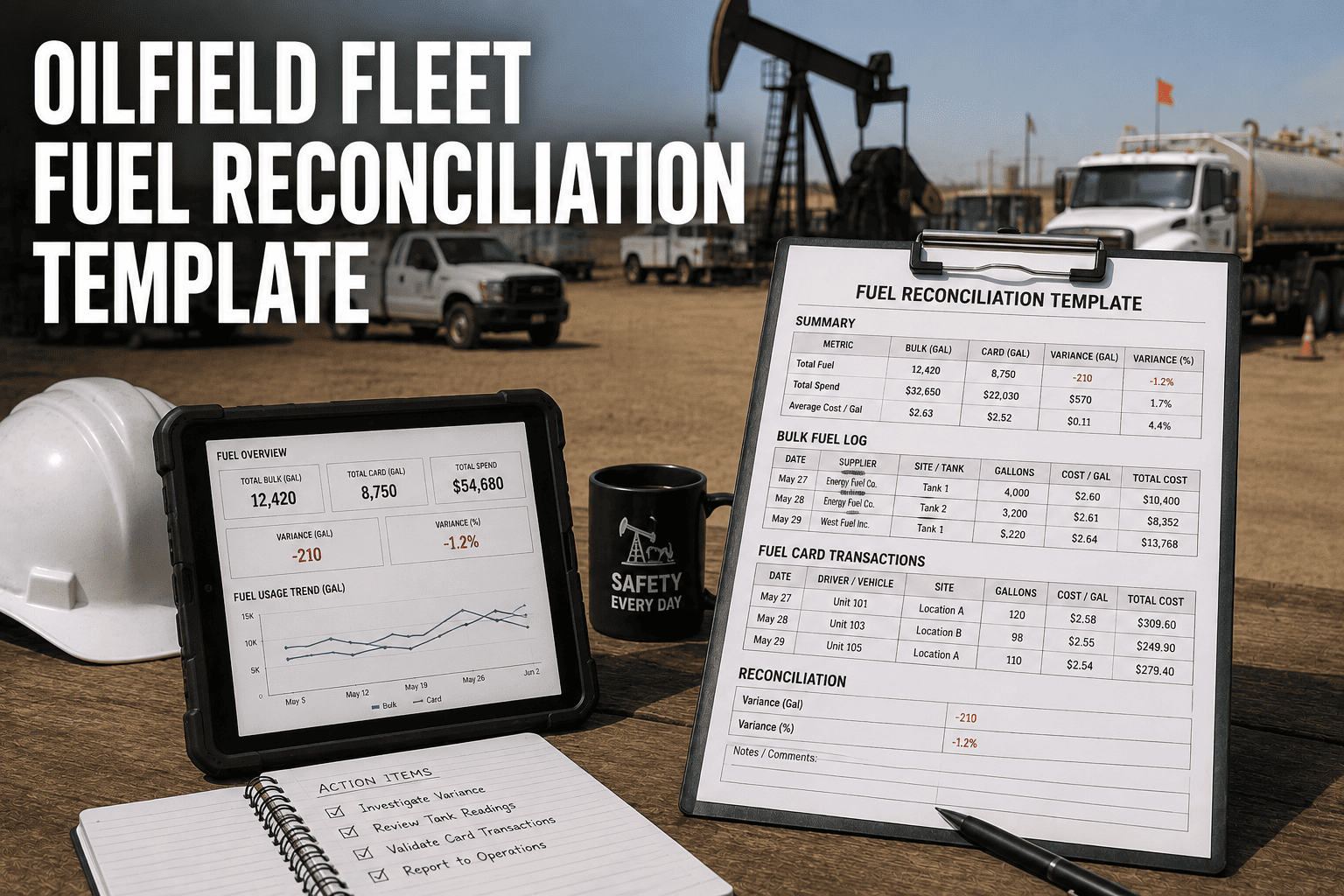
Fuel savings from route optimization and idle reduction show up almost immediately, and a single recovered stolen asset can cover months of subscription cost on its own.
Early failure detection reduces emergency repair premiums and unplanned downtime, with most fleets reaching full payback well within the first year of deployment.
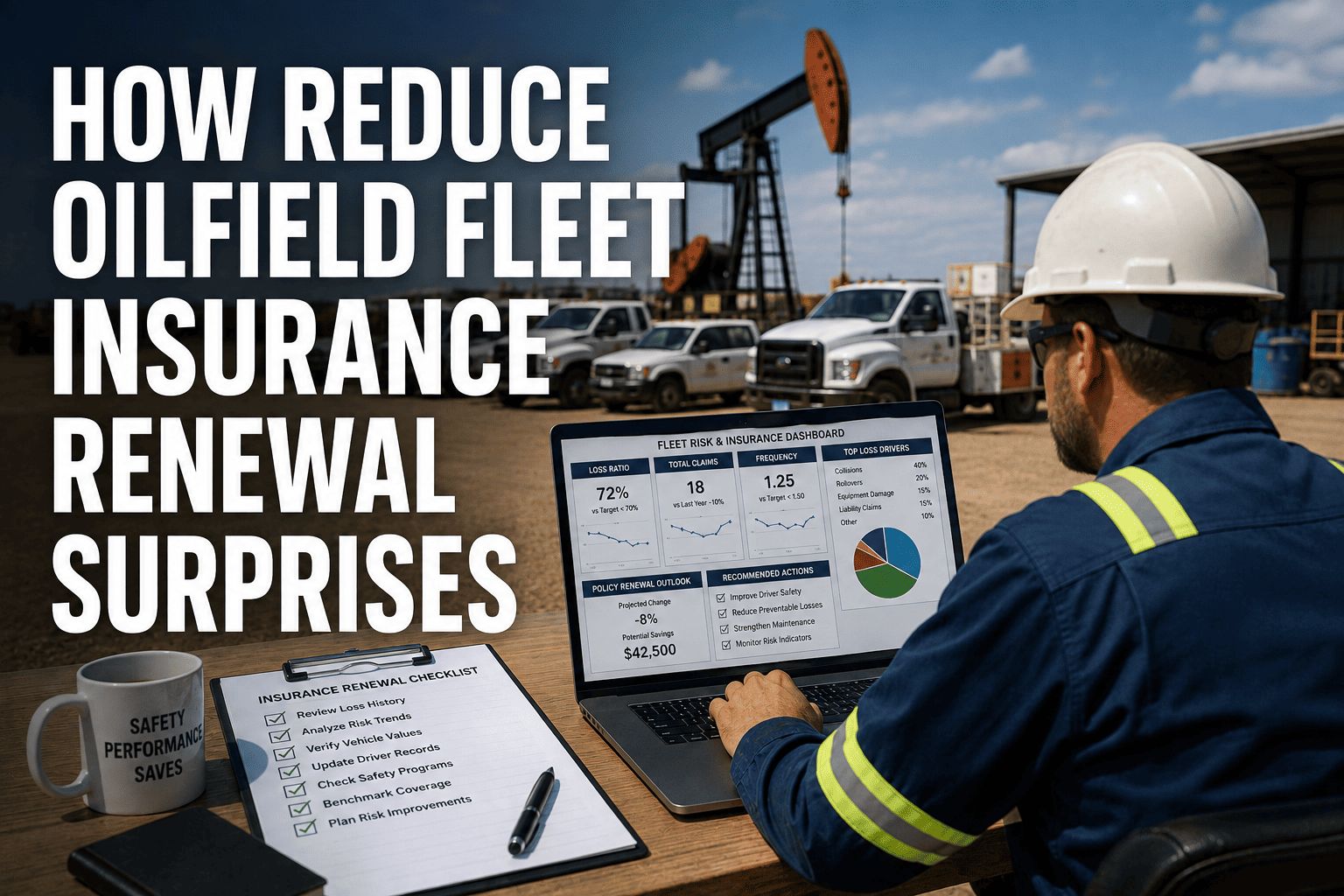
Insurance premium reductions and reduced exposure to fraudulent claims are real, but often only realize at policy renewal, which slows how quickly the return shows up on paper.
Value comes from avoided penalties and audit time saved, which compounds steadily rather than delivering an immediate dollar figure in the first month.
Why GPS And Telematics Win The Speed Race
The reason tracking technology consistently tops payback rankings isn't complicated: fuel and theft losses are already happening every single day, and telematics starts catching them from the first week of deployment. Route optimization and idle-time alerts translate directly into fuel savings that show up on the very next fuel card statement. A recovered stolen asset, worth tens or hundreds of thousands of dollars for oilfield equipment, can single-handedly cover years of subscription cost in one incident.
What Drives The Fastest Results Within Telematics
Not every telematics feature contributes equally to speed of payback. Idle monitoring and route optimization tend to deliver savings within days, since they act on data the system already has from day one. Geofencing and theft recovery deliver occasional, large windfalls rather than steady weekly gains, which is why fleets sometimes underestimate this category until an actual recovery event happens.
A Real Example Worth Noting
One documented Permian Basin operator deployment reached a payback period measured in days rather than months, driven by combined fuel, maintenance, and compliance gains stacking on top of each other rather than any single feature acting alone.
FleetRabbit's telematics platform starts surfacing fuel and route savings almost immediately after connection. Sign up free and see your fleet's numbers within days.
Comparing The Numbers Side By Side
Beyond the ranking order, the actual dollar mechanics behind each category help explain why the payback speeds differ so much.
| Technology | Primary Savings Source | Typical First-Year ROI |
|---|---|---|
| GPS & Telematics | Fuel efficiency, idle reduction, theft recovery | 200 to 700 percent |
| Predictive Maintenance | Fewer emergency repairs, reduced unplanned downtime | 200 to 500 percent |
| Driver Safety Monitoring | Insurance premium reduction, fewer at-fault incidents | 100 to 300 percent |
| Compliance Automation | Avoided penalties, reduced audit and admin labor | 80 to 200 percent |
Choosing Where To Start With A Limited Budget
Most fleets can't fund every category at once, and trying to roll out everything simultaneously often dilutes the visible results of each one. The better approach is to start with whichever cost category is currently causing the most visible pain in your budget.
If Fuel Costs Are Your Biggest Line Item
Start with telematics and idle monitoring. The savings are immediate, easy to measure against last month's fuel spend, and require the least operational change to capture.
If Maintenance Costs Are Climbing Faster Than Fleet Size
Predictive maintenance should come first. It converts a rising trend of unplanned repairs into a predictable, scheduled expense within the first two quarters.
If Insurance Premiums Or Claims Are The Pain Point
Driver safety monitoring takes longer to show returns on paper because savings often land at renewal, but it directly addresses the underlying risk driving premium increases.
Our team will walk through your current fuel, maintenance, and safety numbers to show which investment pays back fastest for your fleet. Book a demo to see your numbers.
Key Takeaways
The fastest payback in oilfield fleet technology isn't about picking the most advanced option, it's about matching the investment to whichever cost category is already draining your budget the hardest. GPS and telematics lead on speed because fuel and theft losses are happening today and start getting captured immediately. Predictive maintenance and driver safety follow close behind, with returns that build steadily rather than instantly. Compliance automation rounds out the list, valuable but slower to show up as a hard dollar figure.
The clearest next step is comparing your own fuel, maintenance, and safety spend against these benchmarks to see which category has the most room to improve.
FleetRabbit tracks fuel, maintenance, and safety performance in one platform, so you know exactly which technology investment delivers the fastest return for your specific fleet. Start free or talk to our team about your numbers.