.png)
Small trucking companies face a critical challenge: they need enterprise-grade fleet management capabilities to stay compliant and competitive, but cannot afford the $35 to $50 per vehicle monthly costs that enterprise platforms demand. For operators managing 5 to 50 vehicles, traditional fleet software creates a cost burden that can exceed the profit margin on individual loads, forcing many to choose between expensive systems or manual spreadsheet management—both creating operational risk and limiting growth. The fleet management software market in 2026 offers better options for small operators than ever before. Modern platforms built specifically for small fleets provide digital inspections, maintenance tracking, DOT compliance automation, GPS tracking, and analytics without the enterprise pricing, multi-year contracts, and complex implementation timelines. Small trucking companies that adopt the right software typically see measurable results within the first month: reduced downtime through better maintenance visibility, fewer compliance violations through automated tracking, improved driver accountability, and operational efficiency gains that often recover the software investment within 90 days.
Fleet Management That Fits Your Budget
FleetRabbit delivers complete fleet management for small operators: digital DVIR, maintenance tracking, DOT compliance, and analytics starting at just $3 per vehicle monthly with no contracts and no setup fees.
Why Small Trucking Companies Need Fleet Management Software
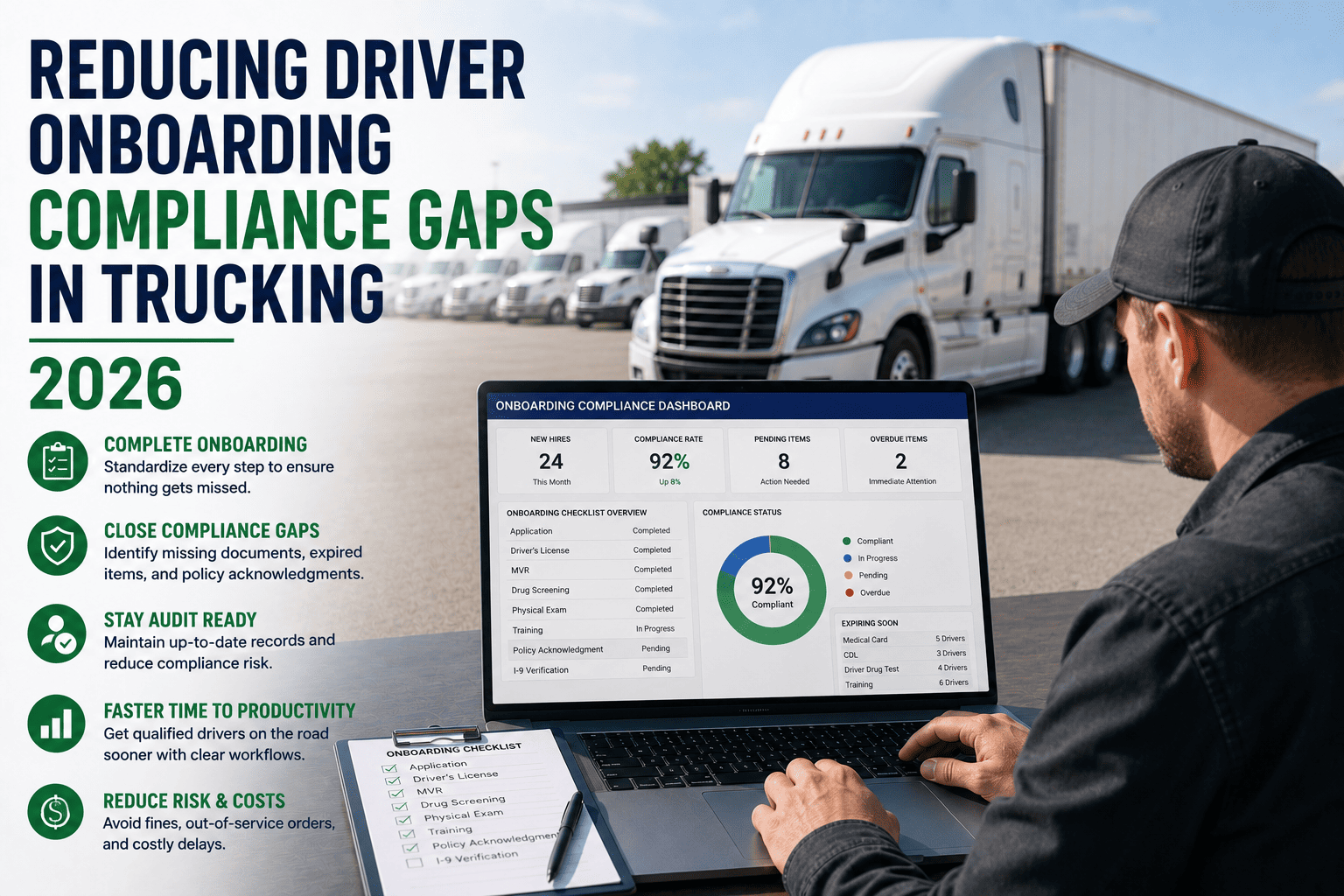
Compliance Risk Without Visibility: Small fleet operators are subject to the same FMCSA regulations as large carriers, but lack the administrative infrastructure to manage compliance at scale. A single driver qualification file missing an MVR record or an expired medical certificate can trigger an out-of-service order costing thousands in lost revenue. Manual tracking across multiple spreadsheets creates gaps where documents expire unnoticed.
Maintenance Costs Consume Margins: Without visibility into maintenance needs, small fleets often react to breakdowns rather than preventing them. A single unexpected transmission failure can cost $5,000 to $8,000 and sideline a vehicle for weeks, wiping out weeks of profit. Predictive maintenance and organized repair tracking help small operators avoid these margin-destroying events.
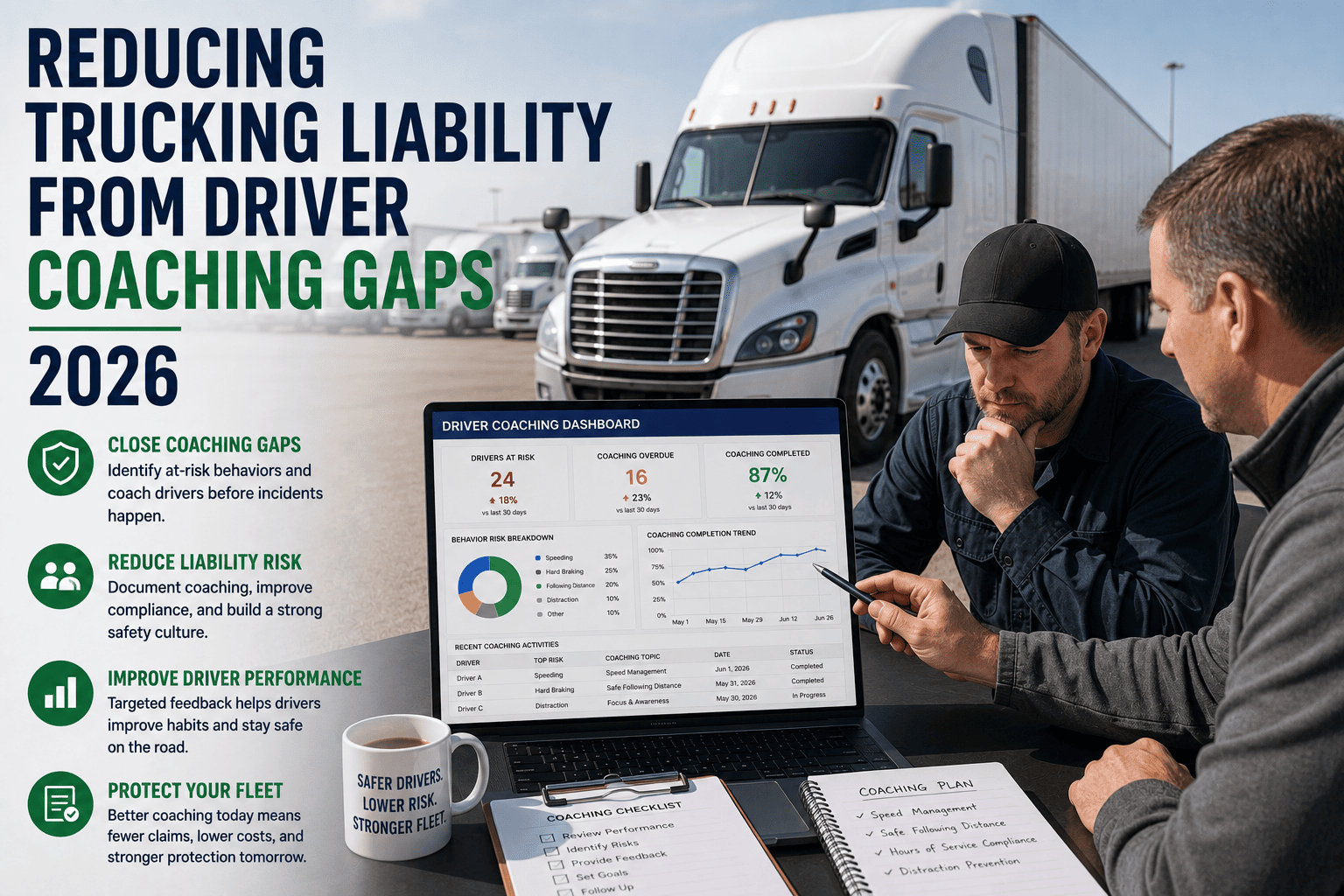
Driver Accountability and Retention: Small fleets depend heavily on driver quality and retention. Digital inspection records, performance analytics, and automated compliance tracking create transparency between management and drivers, improving communication and accountability. Drivers also appreciate digital tools that simplify their compliance obligations.
Growth Limitation: Many small fleet operators hit a growth ceiling because adding vehicles multiplies administrative burden. Without software, managing 10 vehicles requires different processes than managing 25. Fleet management software allows operators to scale operations without proportionally increasing administrative staff.
Key Features Small Fleets Must Have
Essential Capabilities for Small Fleet Success
- Digital DVIR Inspections: Mobile-based driver inspections that replace paper forms, with automatic defect routing to maintenance. Reduces inspection time by 60 percent compared to paper processes.
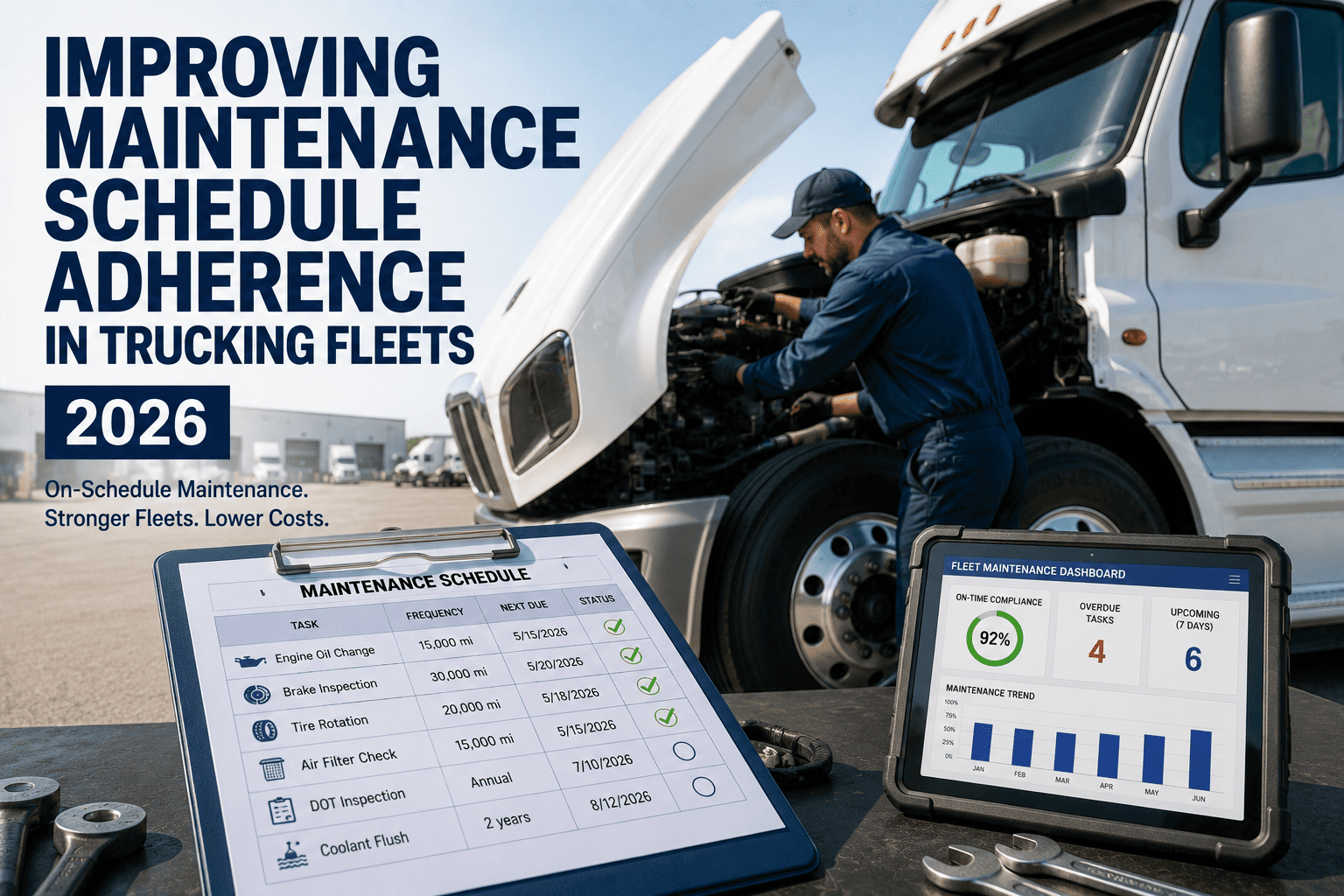
- Preventive Maintenance Scheduling: Automated PM reminders based on mileage and time intervals. Work order management that tracks parts, labor, and completion status.
- DOT Compliance Automation: Expiration alerts for driver medical certificates, CDL renewals, and annual MVR reviews. Tracks driver qualification files and generates audit-ready documentation.
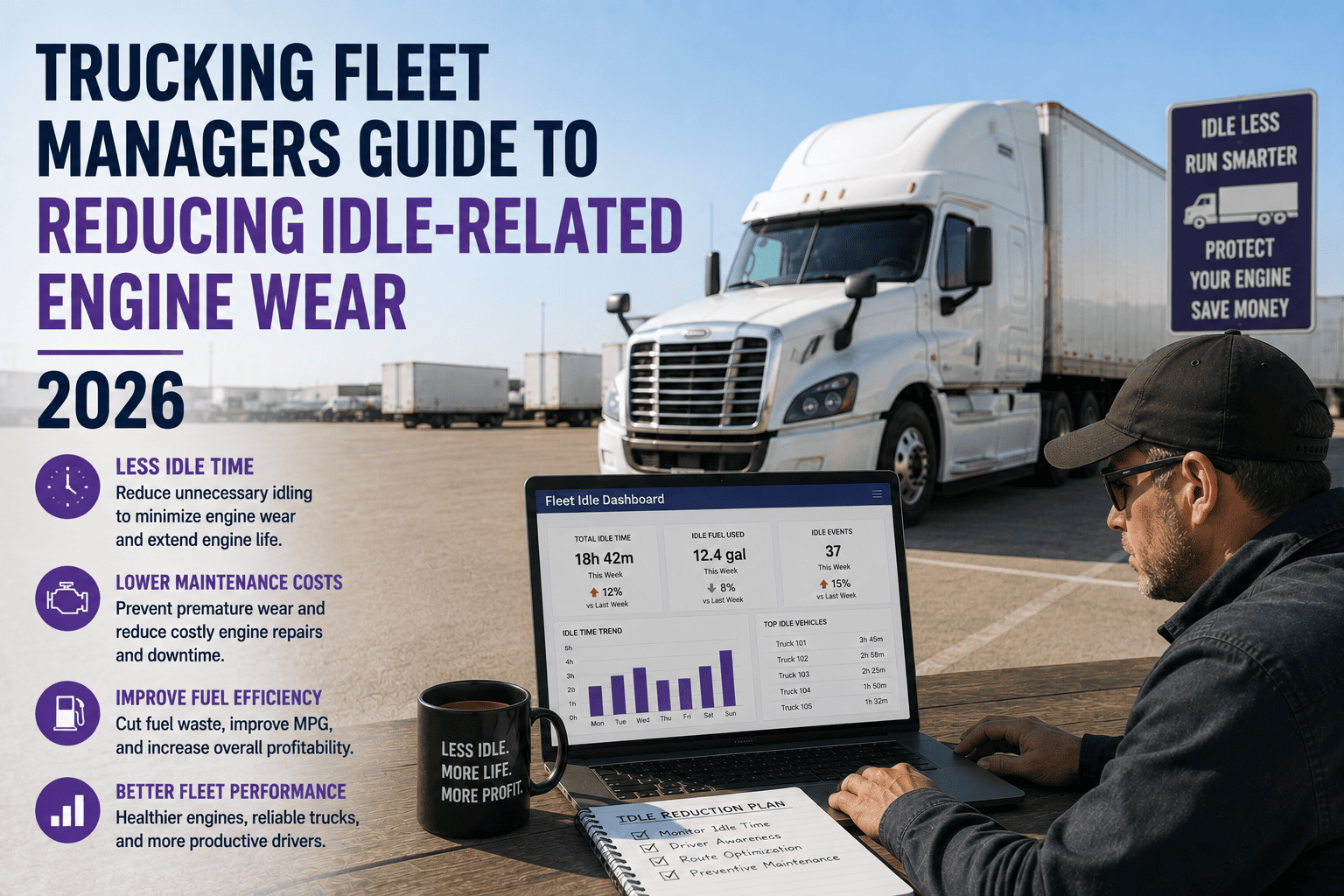
- GPS Tracking and Telematics: Real-time vehicle location, idle time monitoring, fuel efficiency tracking, and harsh event alerts. Integration with vehicle onboard computers for diagnostic data.
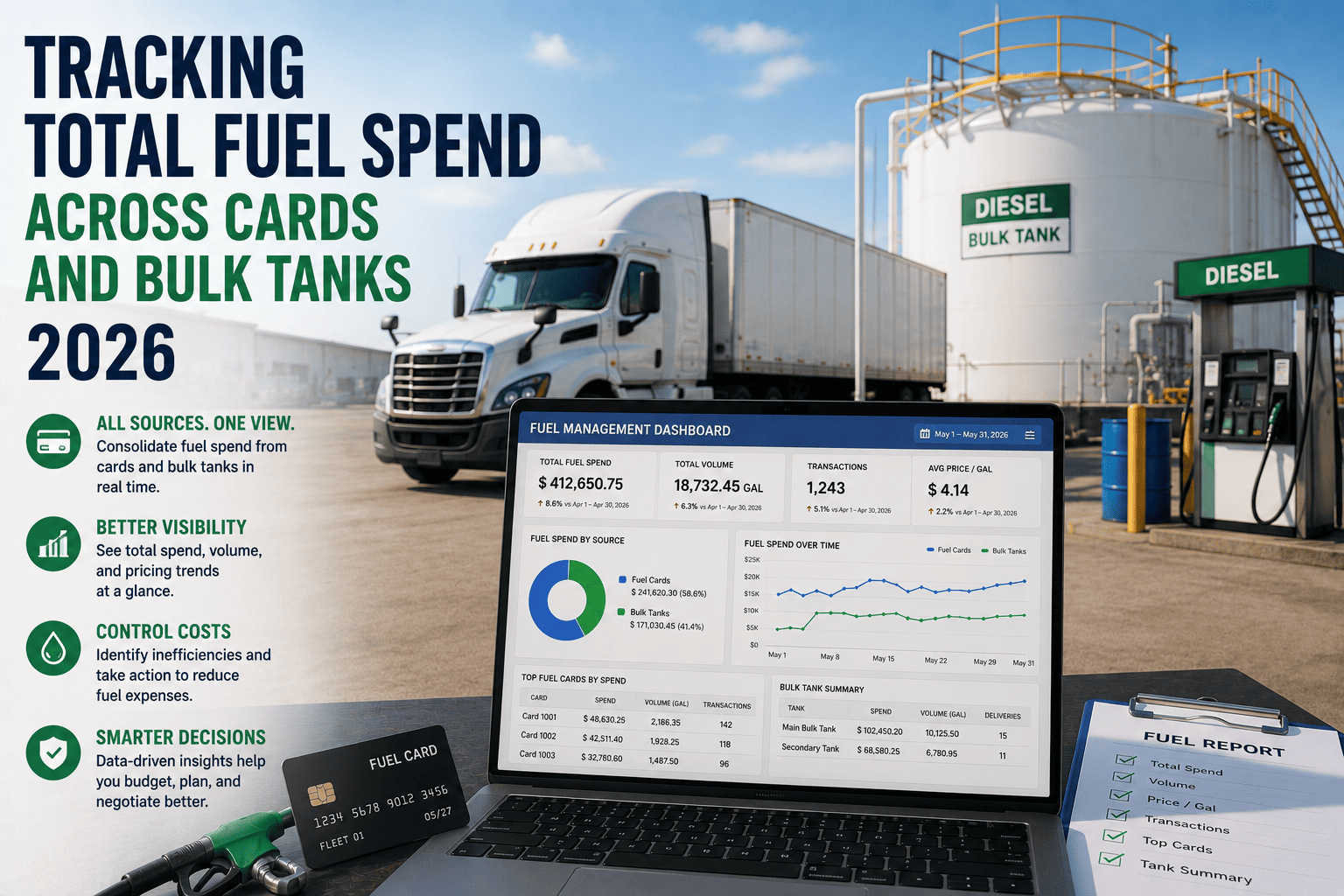
- Fuel and Cost Analytics: Track fuel consumption per vehicle, identify efficiency trends, and calculate cost per mile. Helps optimize routes and identify mechanical issues affecting fuel economy.
- Recall Monitoring: Automated tracking of NHTSA recalls for your vehicle makes and models with status updates as recalls are issued.
- Mobile-First Design: Drivers and mechanics need smartphone access to complete inspections, view work orders, and report issues in the field without IT infrastructure overhead.
- No Proprietary Hardware: Cloud-based systems that work on existing devices eliminate hardware costs and setup complexity that slow deployment.
Why Small Fleet Operators Choose the Wrong Software
Price Anchoring on Enterprise Platforms: Small fleet operators often benchmark against Samsara, Omnitracs, and other enterprise platforms that charge $35 to $60 per vehicle monthly. These platforms are built for large fleets with dedicated IT teams and software procurement budgets. Their pricing reflects enterprise features and support that small operators neither need nor can afford. Small fleets that choose enterprise software often underutilize most features because the complexity exceeds their operational requirements.
Free Tier Limitations: GPS-only tracking solutions offer free or low-cost plans but lack the inspection, maintenance, and compliance capabilities that actually reduce downtime and violations. A free GPS tracker shows where your truck is but does not tell you whether it passed inspection, whether the driver is compliant, or when maintenance is due. These tools create false savings because they do not address the core problems small fleets face.
Spreadsheet Fatigue: Many small operators attempt to manage fleet operations through spreadsheets and email, creating bottlenecks where critical information gets lost. Compliance deadlines are missed because reminders live in multiple spreadsheets. Maintenance work orders are created manually, creating data entry errors and delays. Drivers spend time filling out paper forms instead of driving. The hidden cost of spreadsheet management often exceeds the cost of professional software.
Integration Gaps: Some smaller platforms excel at one function (inspections or maintenance) but lack integration with accounting, dispatch, or telematics systems. Small operators end up manually entering data across multiple systems, losing the efficiency gains the software promised.
Pricing Comparison: Small Fleet Software vs. Enterprise Platforms
| Platform Type | Price Per Vehicle | Monthly Cost (15 Vehicles) | Setup & Contracts |
|---|---|---|---|
| FleetRabbit | $3 to $5 | $45 to $75 | No setup fees, month-to-month |
| Enterprise Platform (Samsara) | $35 to $50 | $525 to $750 | Professional setup, 2-year commitment |
| Basic GPS Tracking | $20 to $30 | $300 to $450 | Minimal, but limited features |
| Free Spreadsheet Approach | $0 | $0 | High hidden costs in labor and risk |
For a 15-vehicle fleet, the annual cost difference is significant: FleetRabbit costs $540 to $900 annually versus $6,300 to $9,000 for enterprise platforms. This cost advantage becomes even more pronounced for smaller fleets operating 5 to 10 vehicles, where per-vehicle pricing makes enterprise software economically unfeasible. More importantly, the features small operators actually need are included in the base FleetRabbit plan, whereas enterprise platforms typically reserve maintenance, compliance, and analytics features for premium tiers.
ROI Timeline for Small Fleet Operators
Month 1: Immediate Operational Wins - Drivers spend less time on administrative tasks. Digital DVIR completion time drops from 15 to 20 minutes per vehicle on paper to 5 to 8 minutes on mobile. Mechanics and dispatchers gain immediate visibility into which vehicles have defects requiring attention. Maintenance work orders are created automatically from inspection defects rather than being discovered retroactively.
Months 2 to 3: Compliance Confidence - Automated expiration alerts mean no missed driver medical certificate renewals or CDL updates. Audit-ready compliance reports can be generated in minutes rather than days of manual document gathering. This risk reduction alone justifies software costs for most operators.
Months 3 to 6: Maintenance Cost Reduction - With documented preventive maintenance schedules and organized repair tracking, maintenance costs typically decline 15 to 25 percent. Fewer emergency repairs and better parts sourcing reduce the cost per repair. Reduced downtime means vehicles generate more revenue per month.
By Month 6: Positive ROI - Most small fleet operators see software costs repay through downtime reduction and compliance risk mitigation alone. Additional benefits like improved fuel efficiency, better driver retention, and scaling capacity for growth multiply the return.
FleetRabbit's Approach to Small Fleet Management
FleetRabbit is built specifically for small fleet operators and was designed around the constraint that small companies cannot afford expensive software but cannot afford to operate without it. The platform includes all core features from day one, with no feature tiers that gate capabilities behind higher pricing. Small operators get the same digital DVIR, preventive maintenance, DOT compliance, and analytics capabilities that large enterprises access.
FleetRabbit for Small Fleets
- Free Plan (Up to 3 Vehicles): Full access to digital DVIR, preventive maintenance, compliance tracking, and analytics for operators with 3 or fewer assets. No credit card required, no trial period that expires, no feature limitations.
- Transparent Per-Vehicle Pricing: $3 to $5 per vehicle monthly as fleet grows. No setup fees, no professional installation required, no multi-year contracts. Month-to-month pricing means you only pay for what you use.
- Quick Implementation: Cloud-based platform requires no IT infrastructure. Drivers and mechanics download the mobile app, and managers access the web dashboard from any browser. Most operators are fully operational within 48 hours.
- All Core Features Included: Digital DVIR, maintenance work orders, parts tracking, DOT compliance automation, driver qualification management, GPS tracking, fuel analytics, and recall monitoring are available on all paid plans.
- Scalable as You Grow: Same platform handles 5 vehicles or 500 vehicles without additional complexity or cost per vehicle increases. Small operators can expand without reimplementing software.
- Integration with Existing Systems: FleetRabbit connects with common accounting, dispatch, and telematics systems so data flows automatically rather than requiring manual entry across multiple platforms.
- Customer Support for Small Operators: Small fleets get responsive support from a team that understands small fleet challenges, not generic enterprise support that routes through multiple call centers.
Common Challenges Small Fleets Face (And How Software Solves Them)
Challenge: Driver Turnover and Training Burden - Small fleet operators often lose institutional knowledge when drivers leave. Fleet management software creates documented processes that new drivers follow immediately, reducing onboarding time and ensuring consistency. Digital inspection checklists mean new drivers understand compliance requirements from their first day.
Challenge: Reactive Maintenance Consuming Cash Flow - Without visibility into vehicle condition, maintenance happens reactively when something fails. Software provides early warning signals, allowing managers to spread maintenance costs over time rather than facing sudden major expenses. Predictive maintenance patterns help identify components approaching failure.
Challenge: Compliance Gaps During Growth - Many small operators achieve compliance through personal vigilance and memory when managing 5 vehicles, but this breaks down at 15 or 25 vehicles. Automated compliance tracking scales with the fleet, ensuring nothing gets missed as the business grows.
Challenge: Limited Data for Decision Making - Small operators often make decisions based on intuition or gut feel rather than data. Fleet management software provides real metrics: fuel costs per mile, downtime per vehicle, maintenance spend trends, and driver performance data. These insights enable informed decisions about vehicle retirement, route optimization, and driver retention.
Challenge: Inability to Scale Without Hiring Administration - Scaling from 10 to 30 vehicles requires proportional increase in administrative staff if processes remain manual. Software automation allows fleet growth without proportional administrative overhead increase, improving unit economics as the fleet grows.
Small Fleet Success Metrics
Downtime Reduction: Small fleets implementing fleet management software typically reduce unplanned downtime by 20 to 35 percent through better maintenance visibility and predictive alerts. For a 10-vehicle fleet operating in regional distribution, this translates to 40 to 70 additional revenue-generating days annually across the fleet.
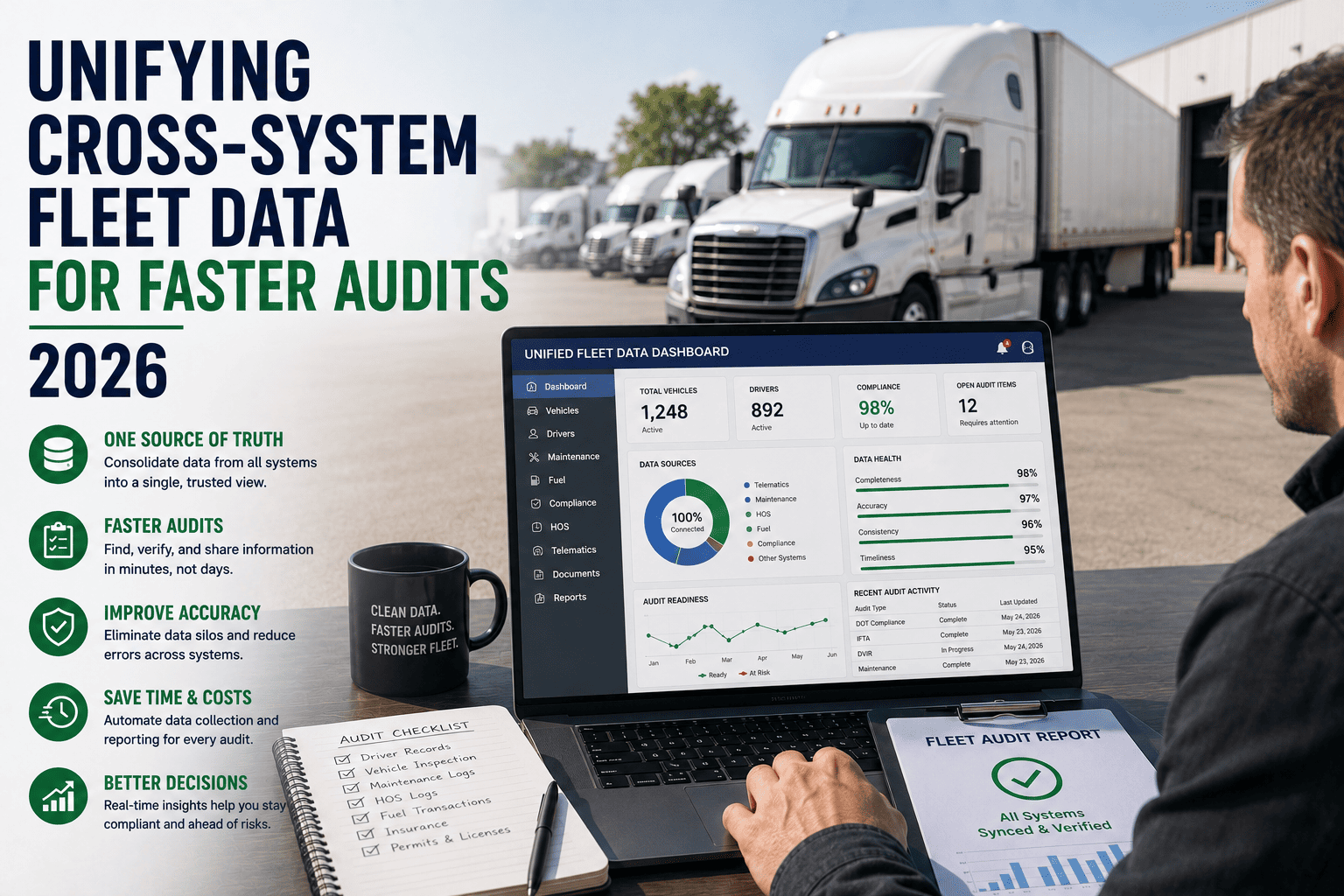
Compliance Audit Results: Fleets with organized digital records and automated compliance tracking consistently pass FMCSA audits with fewer findings than fleets relying on manual processes. This reduces risk of safety rating downgrades and operating authority restrictions.
Maintenance Cost Efficiency: With organized work order tracking and preventive maintenance planning, maintenance costs typically decline 15 to 25 percent. Parts sourcing costs less when purchasing is planned rather than emergency-based, and labor efficiency improves when work is scheduled rather than reactive.
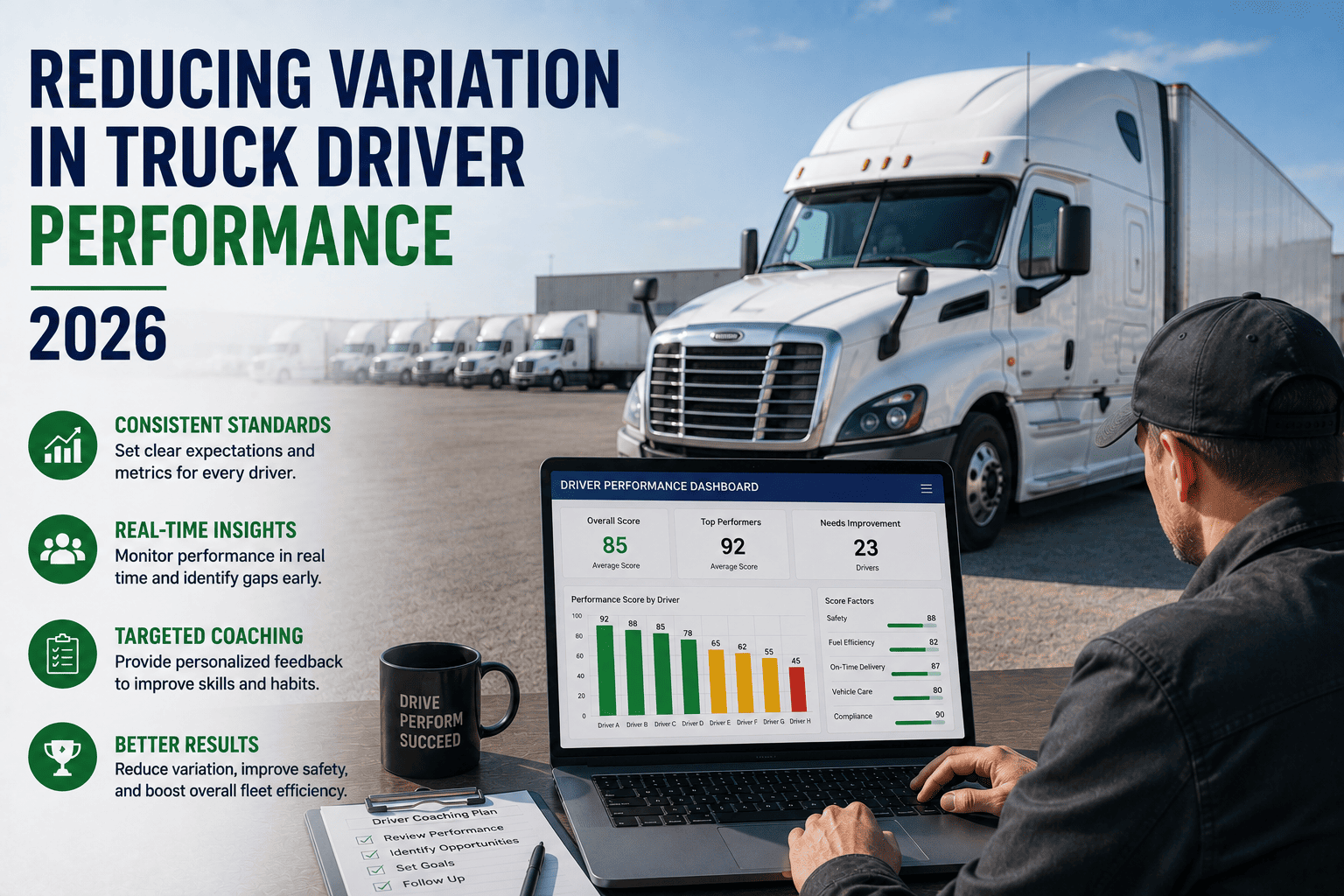
Driver Retention and Satisfaction: Drivers appreciate clear expectations and transparent communication. Digital tools that show drivers their performance data and compliance status in real time improve accountability and satisfaction. Small operators often see reduced driver turnover after implementing fleet management software.
Implementation Checklist for Small Fleet Operators
Getting Started with Fleet Management Software
- Define current compliance gaps: Review which DVIR records, driver files, and maintenance documentation are currently missing or disorganized
- Evaluate vehicle connectivity: Check which vehicles have OBD-II onboard computers that can provide diagnostic data for maintenance tracking
- Plan driver rollout: Decide whether to implement across all drivers simultaneously or phase in by department or route
- Test with pilot group: Run software with 2 to 3 drivers or vehicles for 2 weeks before full implementation to identify process adjustments needed
- Train team on workflows: Ensure drivers, mechanics, and dispatchers understand how to use the software before launch
- Migrate existing data: Plan how historical maintenance records, driver files, and compliance documents will be entered into the new system
- Establish responsibility: Assign specific team members to monitor compliance alerts and maintenance schedules so nothing falls through the cracks
- Schedule regular reviews: Plan weekly or biweekly check-ins to review compliance status, maintenance trends, and operational insights
Start Managing Your Fleet Smarter Today
FleetRabbit's free plan for up to 3 vehicles includes all core features with no credit card required. Scale to paid plans as your fleet grows, paying just $3 to $5 per vehicle monthly.
Frequently Asked Questions About Fleet Management for Small Trucking Companies
Q: How much can a small fleet save by implementing software?
Most small fleets save 20 to 35 percent on maintenance costs and recover software costs within 3 to 6 months through downtime reduction alone. Additional savings come from better fuel efficiency, fewer compliance violations, and improved driver retention.
Q: Do I need technical expertise to implement fleet management software?
No. FleetRabbit is cloud-based and requires no IT infrastructure or professional installation. Drivers download the mobile app, managers access the web dashboard, and you're operational within 48 hours. Start your free trial to see how simple setup is.
Q: Is there a minimum fleet size to use fleet management software?
FleetRabbit's free plan supports up to 3 vehicles with full features at no cost. Even single-vehicle operators benefit from digital DVIR, maintenance tracking, and compliance automation. Book a demo to see how the platform scales.
Q: What happens if I want to switch software later?
FleetRabbit has no multi-year contracts and month-to-month pricing, so you can adjust or cancel anytime. Your data is always yours and can be exported, so switching is straightforward if your needs change.
Q: Can small fleet software integrate with my dispatch or accounting system?
Yes. FleetRabbit integrates with common dispatch, accounting, and telematics platforms so data flows automatically between systems. This eliminates manual data entry and keeps information synchronized across your operations.
Q: Will fleet software help me pass FMCSA audits?
Absolutely. FleetRabbit automates compliance tracking, generates audit-ready reports, and maintains organized records that FMCSA auditors review. Documented digital processes typically result in fewer audit findings than manual approaches.
Q: How do I know if my vehicles are compatible with fleet management software?
Most vehicles manufactured after 2008 have OBD-II diagnostic systems that work with fleet management software. Older vehicles can still use digital DVIR and maintenance tracking through driver reports and manual input.
Q: Why is FleetRabbit affordable compared to enterprise platforms?
FleetRabbit is built for small fleets and avoids the overhead costs of enterprise platforms. No multi-year contracts, no expensive implementation, no unused features. You pay for what you use at pricing that makes sense for small operations. Start free and pay only when you grow.
Free Plan Available Right Now
No credit card needed. No setup fees. No time limit on the free plan for up to 3 vehicles. Start now and see why small fleets choose FleetRabbit.