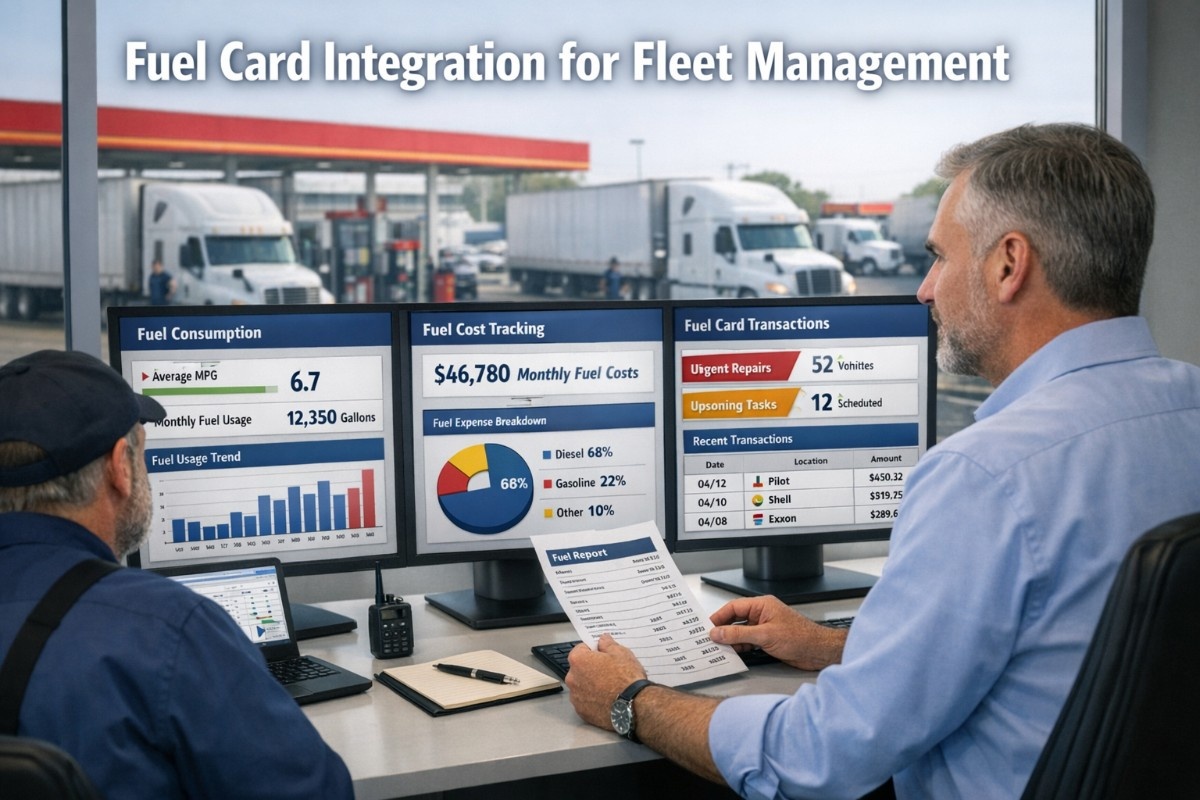
Fuel expenses represent the single largest operating cost for most fleet operators, typically accounting for twenty to thirty percent of total fleet budgets. Managing these costs effectively requires more than simply tracking receipts and hoping for the best. Fuel card integration for fleet management transforms raw fuel purchase data into actionable intelligence that drives cost reduction, prevents fraud, and optimizes operational efficiency. Fleet owners who implement integrated fuel card solutions gain real-time visibility into consumption patterns, automated expense tracking, and powerful analytics that reveal savings opportunities hidden in traditional manual tracking methods. This comprehensive guide explores the benefits, implementation strategies, and measurable results of connecting fuel cards directly with fleet management platforms.
Traditional fuel expense management relies on manual receipt collection, spreadsheet tracking, and monthly statement reconciliation. These methods waste staff hours, delay problem identification, and miss subtle patterns of inefficiency or fraud. Fuel card integration automates the entire process, capturing every transaction at the pump and immediately syncing data with your fleet management system. Dispatchers see fuel purchases in real time, maintenance teams monitor fuel quality indicators, and accounting staff access verified transaction data without manual entry. The result is lower fuel costs, reduced administrative burden, and data-driven decisions that improve every aspect of fleet operations.
What Is Fuel Card Integration for Fleet Management?
Fuel card integration connects specialized fuel payment cards with fleet management software platforms through secure application programming interfaces or direct data feeds. When a driver purchases fuel using an assigned fuel card, transaction details including date, time, location, fuel type, gallons purchased, price per gallon, total cost, and vehicle odometer reading flow automatically into the fleet management system. This integration eliminates manual data entry while providing fleet managers with immediate visibility into fuel purchases across the entire fleet. Advanced integrations also capture vehicle-specific data such as engine hours, idle time, and diagnostic trouble codes, creating a comprehensive picture of each vehicle's fuel efficiency and operational status. Unlike consumer credit cards that provide minimal transaction data, commercial fuel cards designed for fleet use capture rich information specifically structured for integration with fleet management platforms.
Real-Time Fuel Tracking and Visibility
Real-time fuel tracking transforms how fleet managers monitor and control fuel expenses. When each fuel purchase appears on the fleet management dashboard within seconds of the transaction completing, managers can identify unusual patterns immediately rather than discovering them weeks later during statement reconciliation. A driver purchasing fuel at an unauthorized station, buying premium fuel when regular is specified, or filling up more frequently than route distance justifies triggers immediate alerts. This real-time visibility prevents small inefficiencies from becoming costly habits and stops fraud before significant losses accumulate. Fleet operators implementing real-time fuel tracking typically reduce unauthorized purchases by over seventy percent within the first ninety days.
Real-Time Data Captured:
- Transaction timestamp and GPS location verified
- Gallons purchased and price per gallon
- Vehicle odometer reading at time of fueling
- Fuel type and grade selected by driver
- Station identification and network affiliation
Visibility Benefits:
- Immediate alerting for unusual purchase patterns
- Driver accountability for each transaction
- Route optimization based on fuel stop patterns
- Tax reporting data captured automatically
- Environmental compliance documentation generated
Automated Fuel Expense Management
Manual fuel expense processing consumes countless staff hours across accounting, operations, and maintenance departments. Drivers must save receipts, write vehicle information on each slip, and submit paperwork to supervisors. Accounting staff then enter data into spreadsheets or accounting systems, verify accuracy against bank statements, and code expenses to appropriate cost centers. Each manual step introduces potential errors and delays. Fuel card integration automates the entire expense workflow. Receipt data flows directly into the fleet management system, where it is automatically categorized, verified against expected consumption, and prepared for accounting system export. Some integrations post approved transactions directly to general ledger accounts, reducing accounting close cycles from weeks to days. Fleet operators who automate fuel expense reporting typically reduce administrative processing time by eighty percent while eliminating data entry errors.
Fuel Fraud Prevention and Control
Fuel fraud costs fleet operators billions annually, ranging from drivers filling personal vehicles to sophisticated schemes involving card cloning and fuel resale. Fuel card integration provides multiple fraud prevention layers that manual systems cannot match. Real-time transaction monitoring identifies purchases at unauthorized locations, fuel types inconsistent with vehicle specifications, purchase volumes exceeding tank capacity, and unusual fueling frequency. Advanced systems use machine learning algorithms that establish normal fueling patterns for each vehicle and driver, flagging transactions that deviate from established baselines. Vehicle-specific controls can restrict fuel purchases to authorized drivers, vehicles, and fuel types, with some cards allowing station-level restrictions that limit fueling to specific retail networks or even individual pump locations. Fleets implementing integrated fuel card controls typically reduce fuel fraud losses by more than ninety percent while recovering costs previously hidden in unexplained consumption.
Fraud Detection Triggers:
- Purchase volume exceeding vehicle fuel tank capacity
- Multiple fuel purchases within time period insufficient for consumption
- Fuel type mismatched to vehicle specifications
- Purchases at non-approved station locations
- Odometer readings inconsistent with previous transactions
Control Capabilities:
- Per-card spending limits and velocity controls
- Time-of-day and day-of-week purchase restrictions
- Product type limitations per vehicle assignment
- Geographic restrictions by station or region
- Driver personal identification number requirements
Fuel Efficiency Analytics and Optimization
Fuel consumption data alone reveals little about efficiency. True optimization requires connecting fuel purchases with vehicle activity data to calculate meaningful performance metrics. Integrated fuel card data combined with telematics information on miles driven, engine hours, idle time, payload weight, and route topography produces accurate miles-per-gallon calculations for each vehicle, driver, and route. These analytics identify underperforming vehicles needing maintenance, inefficient drivers requiring coaching, and route configurations that waste fuel. A garbage truck consuming excessive fuel might have underinflated tires, a dragging brake, or a driver who idles excessively between stops. Without integrated fuel and telematics data, the root cause remains invisible. Fleet managers using integrated fuel analytics typically identify fuel efficiency improvements of ten to fifteen percent within the first year, representing substantial savings across even modest fleets.
Tax Compliance and IFTA Reporting
Fuel tax compliance, particularly for fleets operating across state lines under the International Fuel Tax Agreement, requires meticulous record keeping of miles driven and fuel purchased in each jurisdiction. Manual IFTA reporting consumes countless staff hours and risks costly errors or audit penalties. Fuel card integration automates IFTA data collection by capturing fuel purchase location, gallons purchased, and vehicle identification for each transaction. When combined with telematics mileage data by jurisdiction, the integrated system calculates tax liabilities accurately and generates completed IFTA reports ready for filing. Some fleet management platforms submit reports electronically to state authorities directly. Fleets using integrated IFTA reporting reduce preparation time by over ninety percent while eliminating calculation errors and associated penalty risks. Audit defense becomes straightforward because all source transaction data remains accessible within the system, organized by jurisdiction and vehicle.
Tax Data Captured:
- Taxable gallons purchased by jurisdiction
- Miles traveled in each state or province
- Fuel type and applicable tax rates
- Vehicle weight classifications
- Exempt and non-taxable purchases identified
Compliance Benefits:
- Automated state mileage and fuel purchase matching
- Electronic report generation for direct filing
- Audit-ready documentation maintained automatically
- Quarterly filing deadlines tracked and alerted
- Historical records preserved for audit periods
Maintenance Integration and Fuel Quality Monitoring
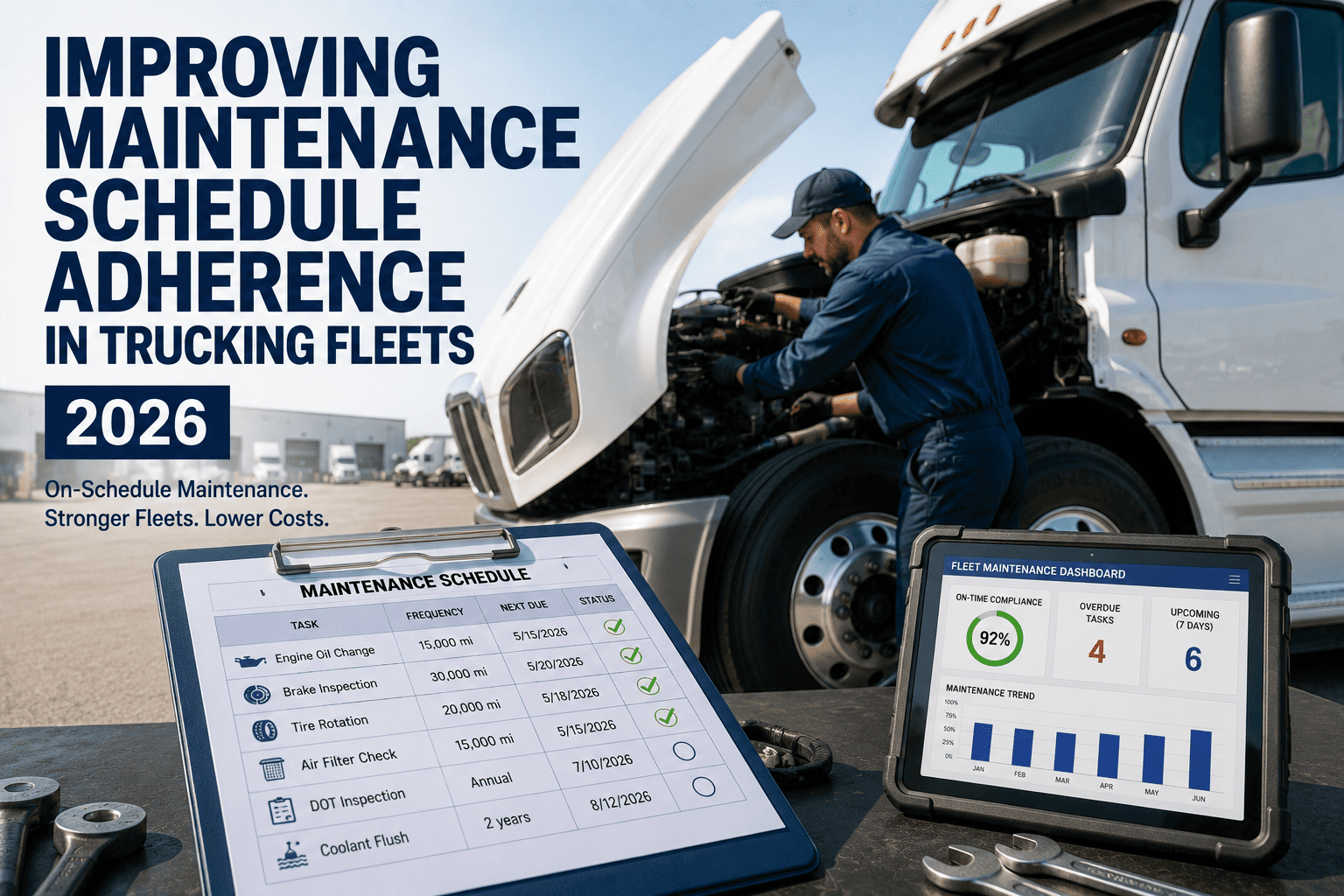
Fuel quality directly impacts vehicle reliability and maintenance costs. Contaminated fuel, incorrect octane ratings, or biofuel blends exceeding manufacturer specifications can damage engines, clog fuel systems, and increase emissions system failures. Fuel card integration captures fuel type and station data for every purchase, enabling maintenance teams to trace fuel-related problems to specific transactions. When multiple vehicles develop similar issues after fueling at the same station, the integrated system reveals the pattern quickly. Conversely, vehicles showing poor fuel economy trigger automatic review of their recent fuel purchases for quality indicators. Some advanced fuel cards also capture fuel additive usage, allowing managers to verify that drivers purchase required additives for winter operability or emissions compliance. Fleets using integrated fuel quality monitoring reduce fuel-system related breakdowns by over thirty percent compared to fleets without such visibility.
Driver Behavior and Coaching Integration
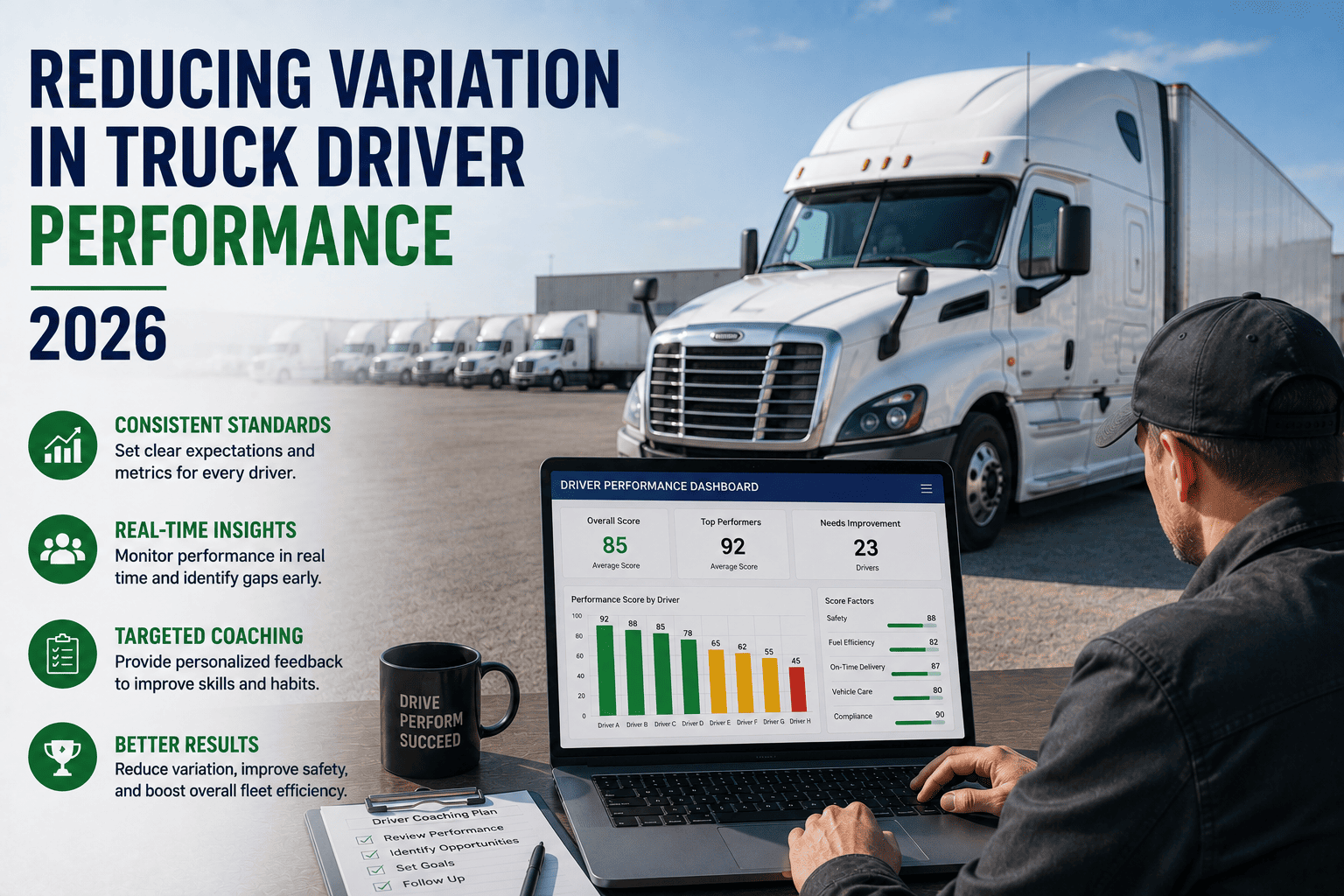
Driver behavior significantly affects fuel consumption, with aggressive driving increasing fuel use by twenty to thirty percent compared to efficient driving techniques. Fuel card integration provides objective data for driver coaching programs by linking specific fuel purchases to individual drivers and comparing their efficiency against fleet averages. A driver consistently achieving lower miles per gallon than peers operating similar routes on similar vehicles needs coaching on techniques such as smooth acceleration, reduced idling, and optimal route navigation. The integrated system generates individual driver scorecards that quantify fuel efficiency performance, creating accountability without confrontation. Successful fleets combine these scorecards with incentive programs that reward efficient drivers, creating positive competition that drives continuous improvement. Fleets implementing driver coaching based on integrated fuel data typically achieve fuel savings of eight to twelve percent within six months.
Driver Metrics Tracked:
- Miles per gallon by individual driver and route
- Idle time percentage during operating hours
- Average driving speed and acceleration patterns
- Fuel purchase timing relative to route needs
- Compliance with authorized fueling locations
Coaching Integration:
- Individual driver scorecards and trend analysis
- Peer benchmarking within fleet segments
- Automated coaching alert generation
- Incentive program performance tracking
- Training needs identification by driver
Budgeting and Cost Forecasting Enhancement
Fuel price volatility makes budgeting and cost forecasting challenging for fleet operators. Integrated fuel card systems provide the historical consumption data and pattern recognition necessary for accurate projections. By analyzing prior consumption by vehicle, route, season, and driver, fleet managers can forecast future fuel needs with greater precision. The integration also captures fuel price trends across different geographic areas and station networks, enabling strategic purchasing decisions. Some systems integrate with fuel price forecasting services, incorporating market predictions into budget models. When actual consumption deviates from forecasts, the integrated system identifies variance causes quickly, allowing managers to adjust operations or budgets before small discrepancies become significant problems. Fleets using integrated fuel data for budgeting typically reduce forecast error by forty percent compared to fleets relying on manual tracking methods.
Fuel Card Integration Implementation Checklist
- Evaluate Current Fuel Management Process: Document manual steps, pain points, and data gaps before selecting integration solution
- Select Compatible Fuel Card Provider: Ensure chosen card network offers API or data feed compatible with fleet management system
- Verify Fleet Management Platform Integration: Confirm existing software supports fuel card data import with required field mapping
- Establish Vehicle and Driver Profiles: Create accurate vehicle specifications and driver assignments in fleet system
- Define Control Parameters: Set purchase limits, authorized stations, fuel types, and alert thresholds before card distribution
- Train Drivers and Dispatchers: Educate staff on proper card use, receipt requirements, and exception reporting procedures
- Configure Automated Workflows: Set up approval rules, accounting integrations, and report generation for efficiency
- Test Integration with Pilot Group: Validate data accuracy and workflow functionality with small vehicle subset before fleet-wide rollout
- Establish Baseline Metrics: Document current fuel efficiency, costs, and processing time to measure improvement
- Schedule Ongoing Review Process: Plan regular audits of exception reports, efficiency metrics, and fraud alerts
Environmental and Sustainability Reporting
Corporate sustainability requirements and environmental regulations increasingly demand accurate reporting of fleet carbon emissions. Fuel consumption directly determines greenhouse gas emissions, making fuel data essential for compliance and voluntary reporting. Integrated fuel card systems automatically calculate emissions based on fuel type and consumption volume, generating reports aligned with common standards such as the Greenhouse Gas Protocol. This automation eliminates manual calculations while ensuring consistency with accepted emissions factors. Some integrations also capture alternative fuel purchases, including biodiesel blends, renewable diesel, compressed natural gas, and electricity for electric vehicles. Fleet managers use this data to document emission reduction progress, qualify for carbon credit programs, and respond to customer sustainability inquiries with verified numbers. Companies using integrated fuel data for environmental reporting reduce reporting preparation time by over eighty percent while improving accuracy and auditability.
Multi-Card Network Management
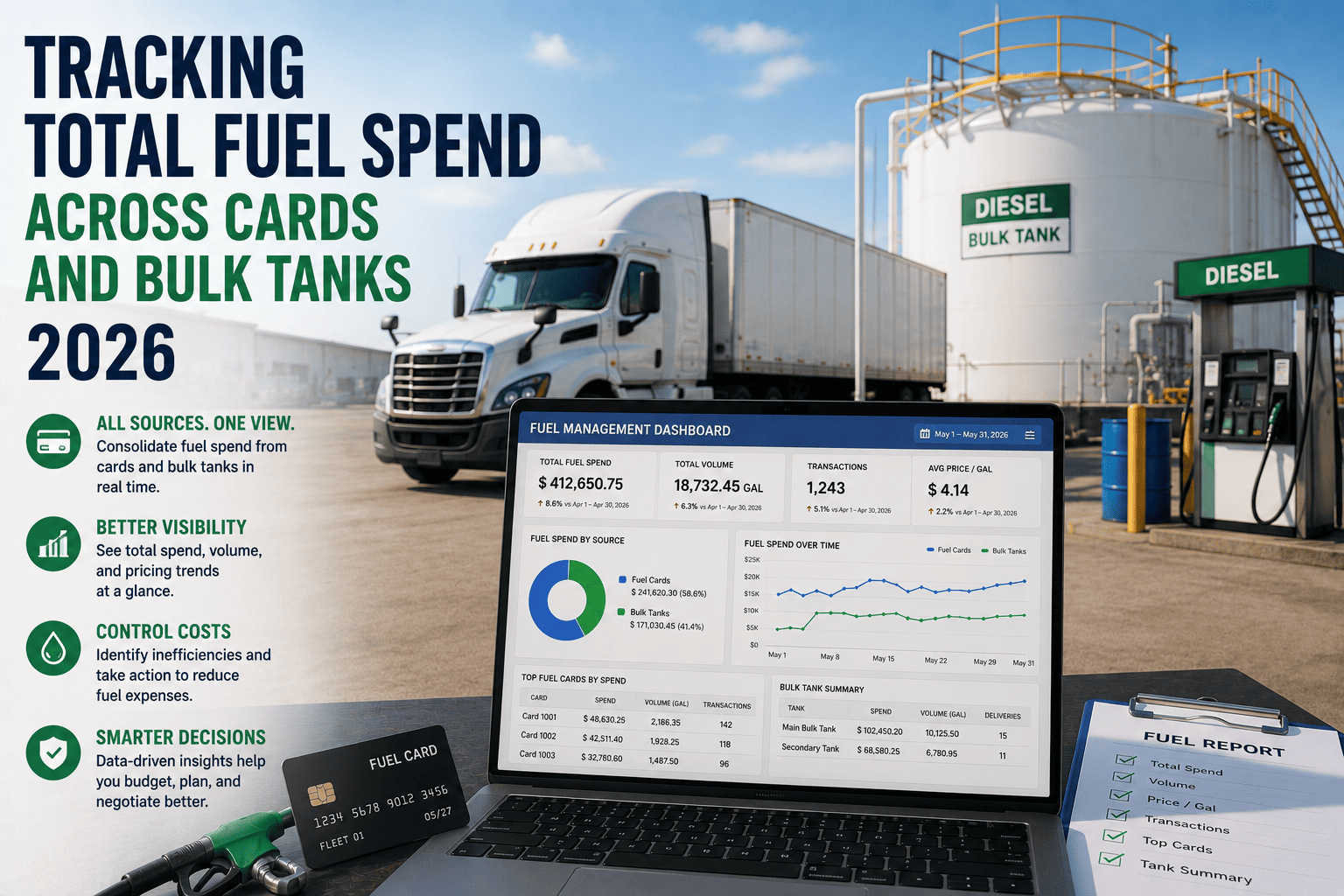
Many fleets use fuel cards from multiple networks to access diverse station coverage, negotiate better pricing, or meet specific regional needs. Managing multiple card programs without integration creates data fragmentation and administrative overhead. Modern fleet management platforms aggregate transactions from multiple fuel card networks into a single interface, providing unified visibility regardless of which card a driver uses for a particular purchase. The integration layer translates different data formats from each card network into standardized records within the fleet system. Fleet managers see complete fuel activity without logging into multiple portals or reconciling separate statements. This multi-network capability also enables strategic purchasing where drivers use different cards based on location, fuel type, or negotiated pricing without creating reporting gaps. Fleets consolidating multiple card programs through integrated platforms reduce administrative time by seventy percent while gaining complete transaction visibility.
Supported Card Networks:
- Major fleet fuel card brands and networks
- Retailer-specific fuel card programs
- Government and municipal fuel card systems
- International fuel card networks
- Electric vehicle charging network cards
Consolidation Benefits:
- Single login access to all fuel transaction data
- Unified reporting across all card programs
- Consistent data fields regardless of source
- Simplified reconciliation and accounting
- Reduced vendor management complexity
Return on Investment Analysis for Fuel Card Integration
Calculating the return on investment for fuel card integration helps fleet managers justify implementation costs and prioritize competing technology investments. Direct savings include reduced fuel fraud, lower administrative costs, improved fuel efficiency, and eliminated late payment penalties. Indirect savings include reduced maintenance costs from fuel quality monitoring, lower audit penalties from improved tax compliance, and optimized fuel purchasing through better data. A typical medium-sized fleet of fifty vehicles spending five hundred thousand dollars annually on fuel can expect annual savings of fifty thousand to seventy-five thousand dollars from integration. Implementation costs range from three thousand to fifteen thousand dollars depending on fleet size and existing systems, producing payback periods of three to nine months. Beyond direct savings, integration enables data-driven decisions that compound benefits year after year, making fuel card integration one of the highest-return technology investments available to fleet operators.
Conclusion: Strategic Fuel Management Through Integration
Fuel card integration transforms fuel expense management from a reactive accounting function into a strategic operational tool. Real-time tracking provides immediate visibility into purchases and consumption patterns. Automated expense management eliminates manual processing while improving accuracy. Fraud prevention controls protect against losses that often go undetected in manual systems. Efficiency analytics reveal opportunities for driver coaching, vehicle maintenance, and route optimization. Tax compliance becomes automated and audit-ready. When connected to maintenance systems, fuel data helps prevent breakdowns and extend vehicle life. The return on investment for integration typically exceeds three hundred percent annually through direct savings and operational improvements. Fleet operators still managing fuel with manual processes and disconnected systems face competitive disadvantages that integration can eliminate. Implementing fuel card integration requires careful planning and change management, but the benefits substantially outweigh the implementation effort. Start by evaluating your current fuel management pain points, then select integration solutions that address your highest-cost problems first.
Integrate Fuel Cards with Fleet Rabbit Today
Connect your fuel card program directly to Fleet Rabbit's comprehensive fleet management platform. Gain real-time visibility, automate expense tracking, and reduce fuel costs by up to fifteen percent. Join thousands of fleet operators who trust Fleet Rabbit for fuel management integration.
Frequently Asked Questions About Fuel Card Integration
1. What is fuel card integration and how does it work?
Fuel card integration connects commercial fuel payment cards with fleet management software through automated data feeds. When a driver purchases fuel, transaction details including gallons, price, location, odometer reading, and vehicle identification flow automatically into the fleet management system without manual entry. The integration typically uses application programming interfaces or direct file transfers from the fuel card processor to the fleet software platform.
2. How much can fuel card integration save my fleet?
Annual savings typically range from ten to fifteen percent of total fuel spend, representing fifty thousand to one hundred fifty thousand dollars for a fifty-vehicle fleet spending five hundred thousand to one million dollars annually on fuel. Savings come from fraud prevention, reduced administrative costs, improved fuel efficiency through driver coaching, and optimized purchasing decisions enabled by better data visibility.
3. Does fuel card integration work with any fuel card?
Most major commercial fuel card networks support integration with fleet management platforms, but compatibility varies. Major providers including Fuelman, WEX, Comdata, FleetCor, and Voyager offer integration capabilities. Regional and retailer-specific cards may have limited integration options. Verify compatibility before selecting either the fuel card or fleet management platform.
4. How long does it take to implement fuel card integration?
Basic integration connecting fuel card data to fleet management software typically takes two to four weeks from vendor selection to live operation. Complex implementations involving custom data mapping, multi-network consolidation, or accounting system integration may require six to eight weeks. Pilot testing with a small vehicle group before fleet-wide rollout adds additional time but reduces implementation risk.
5. Can fuel card integration prevent employee fuel theft?
Yes, integration significantly reduces fuel theft through multiple controls including vehicle-specific card authorization that prevents personal vehicle fueling, real-time transaction monitoring that flags unusual purchase patterns, odometer validation that verifies consumption matches mileage, and immediate alerts when drivers attempt unauthorized purchases. Most fleets eliminate nearly all fuel theft after implementing comprehensive integration controls.
6. What information do I need to provide for integration setup?
Setup requires vehicle master data including license plates, vehicle identification numbers, fuel tank capacities, and specified fuel types. Driver information including names, identification numbers, and assigned vehicles must be provided. Fuel card account credentials and access permissions for data feeds must be arranged with your card provider. Accounting system chart of accounts mapping for expense categorization also accelerates implementation.
7. Does fuel card integration work with electric vehicle charging?
Modern fuel card integration increasingly supports electric vehicle charging data as fleets transition to electric vehicles. Charging session data including kilowatt hours consumed, charging duration, location, and cost per kilowatt hour can be captured through specialized EV charging cards or network provider integrations. The same principles of real-time tracking, expense management, and efficiency analytics apply to electricity as to traditional fuel.
8. How does IFTA reporting work with fuel card integration?
Integrated IFTA reporting automatically captures fuel purchases by jurisdiction based on station location data while telematics systems track miles driven in each jurisdiction. The integrated system matches fuel purchases to miles traveled, calculates tax due or refund owed for each jurisdiction, and generates completed IFTA reports ready for electronic filing. Transaction-level detail remains accessible for audit verification, providing complete audit defense documentation.