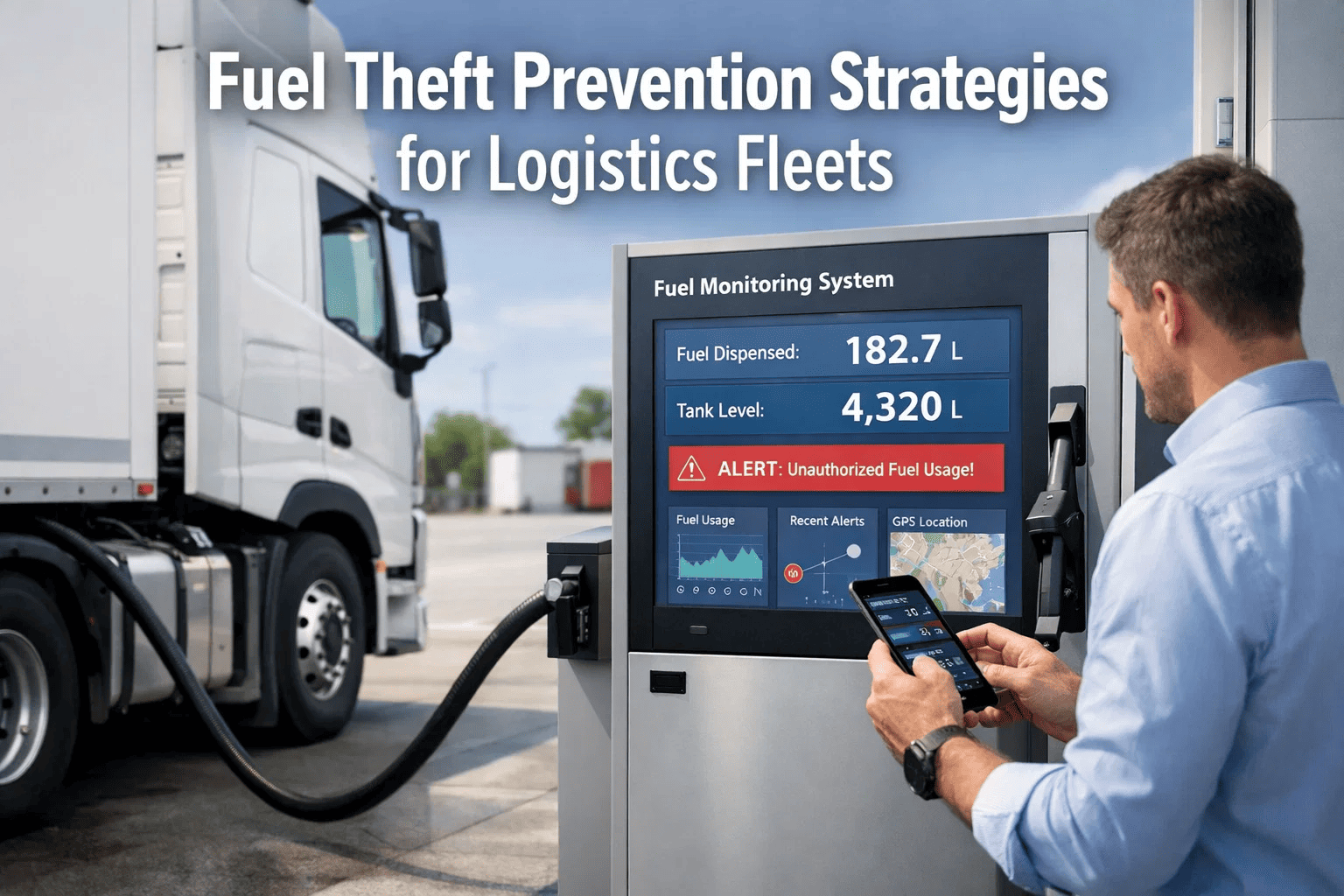
Fuel theft in commercial trucking and logistics fleet operations represents one of the most significant and chronically underreported sources of cost leakage in the industry. Industry estimates from the National Tank Truck Carriers and commercial fleet insurance providers suggest that fuel theft affects between 15 and 25 percent of all commercial trucking fleets in the United States, with annual losses per affected fleet ranging from $12,000 for small operations to over $200,000 for multi-terminal carriers managing large fuel-intensive networks. The challenge is not merely the direct cost of stolen fuel. It is the systematic invisibility of the problem. In fleets without structured fuel monitoring, the loss appears in the accounts as a cost-per-mile variance that managers attribute to fuel price fluctuations, route changes, vehicle efficiency decline, or seasonal load factors rather than identifying it as theft. FleetRabbit gives fleet managers the monitoring precision to detect, investigate, and prevent fuel theft through integrated fuel card analytics, GPS-correlated consumption tracking, and automated anomaly alerting. Book a demo to see how FleetRabbit's fuel theft prevention capabilities work for logistics fleets of your size and operational structure.
$800M+
annual fuel theft losses across the US commercial trucking industry
25%
of commercial fleets experience fuel theft in any given year
68%
of fuel theft cases go undetected for more than 90 days without real-time monitoring
FleetRabbit
detects consumption anomalies in real time, flagging theft before it accumulates into significant loss
Guide Scope
This guide covers the primary fuel theft methods affecting commercial trucking fleets, how to identify theft through data patterns when manual detection has failed, the prevention technologies and operational protocols that eliminate or minimize theft exposure, and how FleetRabbit's fuel management module provides the monitoring infrastructure that makes systematic fuel theft prevention operationally achievable for logistics fleets of any size.
How Fuel Theft Actually Happens in Commercial Logistics Fleets
Fleet managers who have not directly investigated fuel theft cases often assume the primary method is fuel siphoning from vehicle tanks. While tank theft does occur, it represents a relatively small proportion of total fleet fuel loss. The more common and significantly more costly forms of fuel theft in commercial logistics operations involve the misuse of fleet fuel cards, the manipulation of reported fuel transactions, and insider schemes that exploit the gap between what is purchased and what is recorded in fleet management systems.
Understanding the specific theft vectors operating in your fleet is essential context for designing effective prevention measures. A monitoring approach designed to detect card skimming at fuel stations will not capture the supervisor who approves fraudulent maintenance reimbursements that include inflated parts acquisition costs attributed to fuel system repairs. A GPS vehicle location system that identifies when trucks refuel away from approved stations will not detect a driver who fills a personal vehicle using the fleet card at an approved station and then enters the fleet vehicle's odometer reading manually to avoid triggering a consumption anomaly alert.
The most effective fuel theft prevention programs address multiple theft vectors simultaneously through layered controls that make each type of fraud more difficult, more detectable, or both. FleetRabbit's fuel management module provides the data visibility layer that makes cross-referencing fuel purchase records, vehicle location data, consumption calculations, and odometer progression technically straightforward for fleet managers who previously had no practical means to correlate these data points.
Theft Type
Fuel Card Misuse and Personal Vehicle Fueling
High Frequency
Drivers or other personnel use fleet fuel cards to fuel personal vehicles, equipment, or containers and then enter the fleet vehicle's odometer reading to match the quantity purchased with an apparent consumption rate. Without GPS-correlated location verification, these transactions pass undetected through standard fuel card reporting.
FleetRabbit Detection: GPS location of fleet vehicle at time of fuel card transaction is compared to the station location. Mismatches generate immediate alerts for manager review.
Theft Type
Ghost Fueling and Fabricated Transactions
Medium Frequency
Fraudulent fuel purchase records are submitted for reimbursement or charged to fleet accounts without corresponding actual purchases. This method is more common in fleets that allow cash fuel purchases with paper receipt submission rather than requiring fuel card transactions for all fuel purchases.
FleetRabbit Detection: All fuel purchases are logged through integrated fuel card systems. Cash purchase reimbursements without corresponding card transaction records are flagged as anomalies requiring management approval with supporting documentation.
Theft Type
Collusive Over-Purchasing and Resale
Lower Frequency, Higher Value
Drivers and fuel station employees collude to pump fuel into containers while recording the transaction against the fleet vehicle's fuel card at the truck. The fleet vehicle receives less fuel than recorded, and the surplus is resold. This scheme requires access to both the fleet card and a cooperating station employee, but losses per incident can be significant.
FleetRabbit Detection: MPG calculation for the vehicle shows below-baseline fuel efficiency despite normal route profile and driver behavior metrics. Consumption anomaly alerts trigger investigation of the specific transactions involved.
Theft Type
Tank Siphoning and Drain Events
High in Certain Environments
Physical theft of fuel from vehicle tanks through siphon devices or drain plugs. Most common in unsecured overnight parking locations, truck stops in higher-risk areas, and construction or logistics sites where multiple vehicles park unattended for extended periods. Anti-siphon devices reduce but do not eliminate physical theft risk.
FleetRabbit Detection: Fuel level monitoring through telematics integration detects unexplained declines in tank level during periods when the vehicle is stationary and the engine is not running, distinguishing theft events from normal consumption patterns.
The Data Signals That Indicate Fuel Theft Is Occurring
One of the most important contributions a fuel management platform makes to theft prevention is providing fleet managers with the ability to detect theft through data patterns before the accumulated loss becomes financially significant. In fleets without fuel monitoring, theft that begins in January may not be discovered until an annual audit in December. In fleets running FleetRabbit's fuel analytics, the same theft triggers an anomaly alert within days of the first irregular transaction or consumption deviation.
Fleet managers should be familiar with the specific data patterns that indicate potential fuel theft in their operations. These patterns do not always definitively confirm theft on their own, but each warrants investigation. The combination of multiple anomalous patterns occurring simultaneously in the same vehicle or driver record is a strong indicator that warrants immediate management attention.
MPG Declining Without Mechanical Cause
When a vehicle's calculated miles per gallon declines significantly from its established baseline without a corresponding maintenance finding that explains the degradation, the gap between expected and actual fuel consumption should be investigated for card misuse or collusive over-purchasing. FleetRabbit's per-vehicle MPG tracking makes this pattern visible over 7-day, 30-day, and rolling 90-day windows.
Fuel Purchases at Unauthorized or Unusual Locations
Fuel purchases at stations that are significantly off the assigned route corridor, at locations not on the approved vendor list, or at stations during times when the GPS record shows the vehicle was not in that location are all strong indicators of fuel card misuse. FleetRabbit's fuel card integration flags location mismatches automatically without requiring manual cross-referencing.
Purchase Volume Inconsistent With Tank Capacity
Fuel purchases that exceed the tank capacity of the assigned vehicle, or multiple purchases within a short time window that together exceed the tank capacity, indicate either that the fuel is not going into the designated vehicle or that records have been altered. FleetRabbit's fuel module is configured with tank capacity by vehicle type and flags purchases that exceed plausible fill volume for the asset.
After-Hours or Weekend Fuel Purchases
Fuel purchases on days when the vehicle is not scheduled for dispatch or outside the normal operating window for the assigned driver should be reviewed. In many cases, these purchases represent legitimate coverage by alternate drivers, but they should generate an automatic alert for management confirmation rather than passing unreviewed through the system.
Rapid Successive Purchases at the Same Station
Multiple fuel transactions at the same station within a short time window can indicate that a second vehicle or container is being fueled on the fleet card after the fleet vehicle has already been filled. This pattern is characteristic of personal vehicle fueling or container theft and is detectable only when transaction timing is reviewed against a complete purchase history.
Fuel Purchase Cost Variance Without Volume Explanation
When fuel spend per vehicle increases significantly relative to prior period and the volume of miles driven has not increased proportionally, the cost variance should be decomposed into price change and volume change components. If the volume component is the primary driver of the cost increase and is not explained by route or capacity changes, theft investigation is warranted.
FleetRabbit Fuel Management: The Technical Architecture of Theft Prevention
FleetRabbit's approach to fuel theft prevention is built on the principle that theft becomes significantly more difficult and more detectable when fuel purchase data, vehicle location data, consumption calculation data, and driver assignment records are integrated into a single system where cross-referencing happens automatically rather than requiring manual analyst work.
The fuel management module in FleetRabbit connects to fleet fuel card programs to import transaction-level data including date, time, location, quantity, price, and the card identifier. The GPS and telematics integration provides vehicle location at all times. The dispatch module tracks driver assignment to vehicle for each operating day. The maintenance module provides odometer readings from inspection records. All four data streams are available for automated cross-referencing in the fuel analytics engine, which applies a set of configurable alert rules to flag transactions or consumption patterns that require management review.
For fleet managers, the practical result is that instead of spending analysis time manually cross-referencing fuel card statements with route records and maintenance odometer logs, they receive a daily or weekly alert digest showing only the transactions and vehicles that require attention. A fleet manager overseeing 80 trucks who previously could not effectively monitor fuel usage can, with FleetRabbit, review flagged anomalies in 20 to 30 minutes per day and investigate the cases that represent genuine theft risk while dismissing those with legitimate explanations.
Fuel Card Integration
Direct data feed from fleet fuel card programs including WEX, Comdata, and FleetCor brings transaction-level purchase records into FleetRabbit without manual data entry, providing the foundation for automated cross-referencing against vehicle location and consumption baselines.
GPS Location Verification
Every fuel card transaction is compared against the GPS-reported location of the assigned vehicle at the time of purchase. Location mismatches beyond a configurable tolerance radius generate immediate management alerts, flagging the specific transaction, driver, vehicle, and amount involved.
Per-Vehicle MPG Baselines
Each vehicle in the FleetRabbit system has a calculated MPG baseline derived from the rolling history of fuel purchases and odometer readings. Continuous comparison against baseline identifies consumption anomalies that may indicate theft, mechanical issues, or driver behavior changes that warrant investigation.
Configurable Alert Rules
Fleet managers configure the specific anomaly conditions that generate alerts, including location mismatch tolerance, MPG deviation threshold, purchase volume limits relative to tank capacity, and restricted hours for fuel purchase activity, tailoring the monitoring to the specific risk profile of their fleet.
Anomaly Reporting Dashboard
Flagged transactions and consumption anomalies are presented in a consolidated review dashboard where managers can approve, dismiss, or escalate each flagged event, creating an auditable record of the investigation and resolution of every anomaly detected by the system.
Fuel Cost Allocation Reporting
Monthly and quarterly fuel cost reports by vehicle, driver, route, and terminal provide the financial analysis foundation for identifying structural cost overruns that may indicate systemic theft patterns operating below the threshold of individual transaction alerts.
Operational Protocols That Reinforce Technology-Based Fuel Theft Prevention
Technology monitoring through FleetRabbit's fuel management module is the most effective single component of a fuel theft prevention program, but maximum effectiveness is achieved when technology controls are reinforced by operational protocols that eliminate the procedural vulnerabilities that enable theft to occur in the first place. These protocols do not require significant investment, but they do require consistent management enforcement across all drivers, dispatchers, and shop personnel who have access to fuel purchasing systems.
Protocol 1
Mandate Fuel Card Use for All Fleet Fuel Purchases
Eliminate cash fuel purchase reimbursement as an operating practice for all fleet vehicles. All fuel must be purchased using the assigned fleet fuel card only, and all fuel cards must be assigned to specific vehicles rather than to drivers who rotate between vehicles. When a driver operates a different vehicle than their assigned card, the card assignment must be updated in both the fleet card system and in FleetRabbit before the dispatch begins.
Protocol 2
Implement an Approved Fuel Station Network
Define and communicate a network of approved fuel stations appropriate to the route corridors your fleet operates. Configure the fleet fuel card system to restrict purchases to approved stations where operationally feasible. For long-haul routes where approved station access may be limited, require driver notification before off-network purchases and configure FleetRabbit to flag these transactions for same-day review rather than allowing them to flow unreviewed through the weekly reconciliation cycle.
Protocol 3
Conduct Regular Odometer Audit Checks
Require drivers to report current odometer readings at the start and end of each assignment, either through FleetRabbit's mobile inspection workflow or through a designated electronic submission process. Compare reported odometer progression against fuel purchases and GPS mileage accumulation quarterly. Systematic discrepancies between reported odometer readings and GPS-tracked mileage are a specific indicator of odometer manipulation intended to assist fuel card misuse.
Protocol 4
Review FleetRabbit Fuel Anomaly Alerts Within 24 Hours
Establish a policy that all fuel anomaly alerts generated by FleetRabbit are reviewed by a designated manager within 24 hours of generation. Alerts that are not investigated within a defined window allow continued theft to accumulate against a transaction pattern that has already been identified as suspicious. Documented review of anomaly alerts also creates an audit trail demonstrating active management oversight, which is relevant both to internal governance and to insurance claim substantiation if theft is prosecuted.
Protocol 5
Communicate the Monitoring Program Transparently to All Drivers
The most effective theft deterrent in most fleet environments is knowledge among drivers that fuel purchases are being actively monitored and that anomalies will be detected and investigated. Communicate to all drivers during onboarding and annually that fuel card transactions are monitored through FleetRabbit, that GPS location is compared against purchase location for every transaction, and that unexplained consumption deviations will result in a formal review. This transparent communication deters opportunistic theft among drivers who might otherwise attempt small-scale misuse based on the assumption that it will not be detected.
Protocol 6
Install Anti-Siphon Devices on High-Risk Assets
For vehicles that regularly park in locations identified as higher-risk for physical tank theft, install anti-siphon devices and locking fuel caps during the next scheduled PM service. While these physical controls do not prevent all forms of tank theft, they significantly increase the difficulty and time required for external theft attempts and reduce the vulnerability window during overnight parking events. Coordinate the installation schedule with FleetRabbit's PM module to process anti-siphon installation as a configurable PM task with completion tracking and documentation.
Quantifying Fuel Theft Prevention ROI for Fleet Executives
Fleet executives considering investment in fuel theft prevention technology through FleetRabbit should approach the ROI calculation from a conservative estimation of current theft exposure rather than from an assumption of a specific theft rate. The following framework provides a structured approach to estimating the financial return on fuel theft prevention investment for a commercial logistics fleet.
Begin with total annual fuel expenditure for the fleet. For a 50-truck fleet averaging 100,000 miles per year at 6.5 MPG and $3.80 per gallon, total annual fuel cost is approximately $2.9 million. If fuel theft equals 3 percent of total fuel cost, the annual loss is $87,000. At 5 percent, the loss is $145,000. At 8 percent, which is within the range documented in published fleet theft studies, the loss reaches $232,000 annually.
FleetRabbit's fuel management module subscription cost for a 50-truck fleet is a fraction of even the conservative theft exposure estimate. When FleetRabbit detects and enables the elimination of fuel theft representing 3 to 5 percent of fuel expenditure, the annual savings from theft prevention alone typically achieves positive ROI within the first year, often within the first six months of deployment as theft patterns are identified and discontinued.
| Fleet Size |
Annual Fuel Cost |
Loss at 3% Theft Rate |
Loss at 5% Theft Rate |
FleetRabbit Recovery Potential |
| 15 Trucks |
$870,000 |
$26,100 |
$43,500 |
$20,000 to $38,000 annually |
| 30 Trucks |
$1,740,000 |
$52,200 |
$87,000 |
$44,000 to $78,000 annually |
| 75 Trucks |
$4,350,000 |
$130,500 |
$217,500 |
$110,000 to $190,000 annually |
| 150 Trucks |
$8,700,000 |
$261,000 |
$435,000 |
$220,000 to $390,000 annually |
DVIR Integration and Inspection-Linked Fuel Monitoring
One of the distinctive advantages of managing fuel theft prevention through FleetRabbit's integrated platform rather than a standalone fuel card analytics tool is the connection between fuel monitoring data and the fleet's inspection and maintenance records. FleetRabbit's DVIR and inspection management capabilities provide daily driver inspection records that include odometer readings, fuel-related defect reports, and driver signatures. These records are automatically available to the fuel analytics module as corroborating data for consumption calculations and anomaly investigation.
When a fuel consumption anomaly alert is generated for a specific vehicle, the investigating manager can immediately access the DVIR records for the same period from within FleetRabbit to review whether any fuel system issues were reported, whether odometer readings from inspection match the progression implied by fuel purchase records, and whether the driver's inspection history shows any pattern of inconsistency that may support the anomaly investigation. This cross-referencing capability, available without leaving the FleetRabbit platform, significantly accelerates the investigation process that in pre-deployment environments required pulling data from multiple disconnected systems.
Frequently Asked Questions About Fuel Theft Prevention
QCan FleetRabbit detect fuel theft if my fleet does not currently use GPS telematics?
FleetRabbit provides significant fuel theft detection capability even without GPS telematics through consumption pattern analysis and fuel card transaction review. Per-vehicle MPG calculation using odometer readings from inspection records and fuel purchase quantities identifies consumption anomalies without requiring GPS location data. GPS integration amplifies detection capability by adding location verification to each transaction, which is the most direct detection method for card misuse.
Book a demo to discuss the fuel monitoring capabilities available at your current technology level.
QHow does FleetRabbit integrate with our existing fuel card program?
FleetRabbit supports direct integration with major fleet fuel card programs including WEX, Comdata, and FleetCor. Integration is configured during deployment and brings transaction-level data into FleetRabbit automatically on a daily or more frequent basis depending on the card program's data export capability. The integration requires no changes to your existing fuel card program setup and does not affect how drivers use their cards in the field.
QWhat legal steps should fleet operators take when FleetRabbit identifies confirmed fuel theft?
When FleetRabbit data identifies a pattern consistent with fuel theft, fleet operators should consult legal counsel before confronting employees or terminating employment based on the findings. FleetRabbit's audit-ready transaction records, anomaly alert logs, and investigation documentation provide the evidentiary foundation for disciplinary proceedings, insurance claims, and law enforcement referrals. Preserve all system records in their original form and avoid alerting the employee under investigation before legal guidance has been obtained.
QHow does FleetRabbit's fuel monitoring differ from the reporting available directly through our fuel card provider's portal?
Fuel card provider portals report transaction data but do not have access to the vehicle's GPS location, maintenance odometer records, or consumption baselines required to cross-reference purchases against actual vehicle operational data. FleetRabbit's value lies in the integration of fuel card data with the fleet's GPS, inspection, and dispatch records to enable the anomaly detection that fuel card reporting alone cannot provide. The cross-system correlation is the capability that converts fuel data from a historical accounting record into a real-time theft detection tool.
Protect Your Fleet's Fuel Budget With FleetRabbit's Monitoring Intelligence
FleetRabbit integrates fuel card transaction data, GPS location records, per-vehicle consumption baselines, and automated anomaly alerting into a single fuel theft prevention system that fleet managers can operate without adding headcount. Detect theft in days instead of months. Recover losses that would otherwise never have been identified.
Fuel Card Integration
GPS Transaction Verification
MPG Anomaly Detection
Real-Time Theft Alerts
Audit-Ready Records
April 17, 2026
By Jason Smith
All Posts