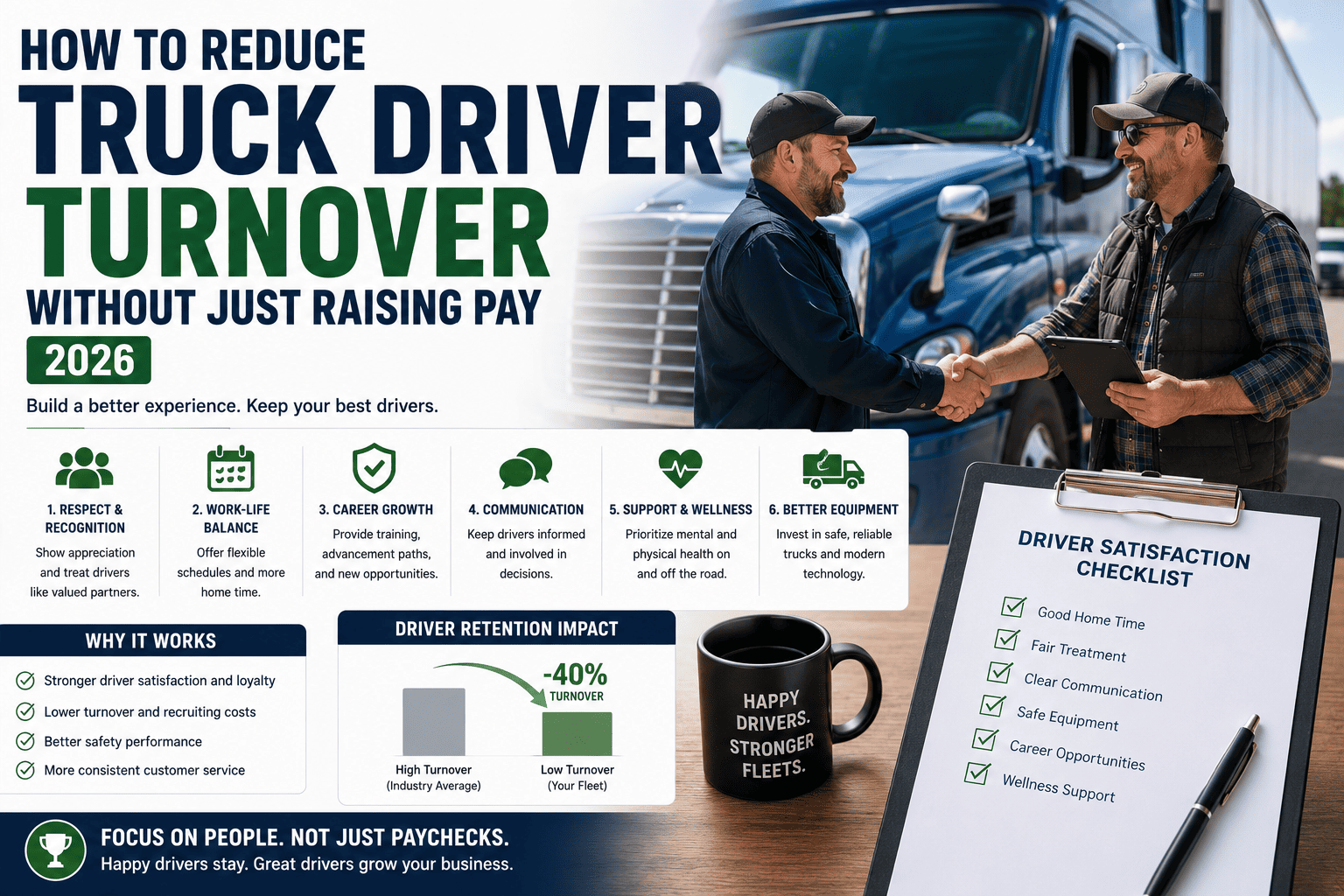
Ask most fleet managers why drivers leave, and pay is the first answer that comes up. Ask the drivers themselves, and pay is rarely the whole story. Surveys of driver complaints consistently show that inconsistent miles, unreliable equipment, and being left in the dark by dispatch do more damage to retention than a cents-per-mile gap ever does. Chasing every competitor's raise is expensive and slow. Fixing predictability and communication is faster, cheaper, and it's the lever most fleets never pull.
Large truckload carriers still average 90 to 95 percent annual driver turnover, and 35 percent of new hires quit within their first 90 days. The strategies that move that number aren't bigger sign-on bonuses, they're predictable dispatch, honest communication, and structured onboarding. You can sign up for a free trial and start tracking the early warning signs of turnover before a driver ever hands in notice.
The Turnover Number Nobody Wants To Say Out Loud
The scale of the problem is worth sitting with for a second. Large truckload carriers report annual driver turnover rates of 90 to 95 percent, while smaller carriers fare somewhat better at 60 to 75 percent. Replacing a single driver typically costs between 6,000 and 14,000 dollars once recruiting, screening, onboarding, and lost productivity are counted. For a 100-driver fleet running near the industry average, that math adds up to well over a million dollars a year, spent entirely on standing still.
Why Raising Pay Alone Rarely Fixes Turnover
Pay increases attract attention, but they attract the wrong kind. A driver who takes a job for a five-figure sign-on bonus is often the same driver who leaves the moment a competitor beats it. Sustainable retention comes from drivers who trust the operation, not the ones chasing the newest bonus. Sign-on bonuses without predictability underneath them create what recruiters call bonus chasers, a cycle that keeps turnover high no matter how much the pay rate climbs.
Predictability Beats The Rate
Drivers plan their entire lives around what they'll earn each week. A driver who knows exactly what a typical week looks like, in miles, in home time, and in take-home pay, plans around that number and stays. Sudden mile fluctuations without explanation erode trust faster than a modest gap in the base rate ever will.
Communication Beats The Bonus
Isolation on the road is one of the most underestimated drivers of turnover. Structured check-ins with dispatch, honest updates when a load falls through, and a dispatcher who explains the "why" behind a route change all build the kind of trust that a sign-on bonus can't buy.
Onboarding Beats The Recruiting Budget
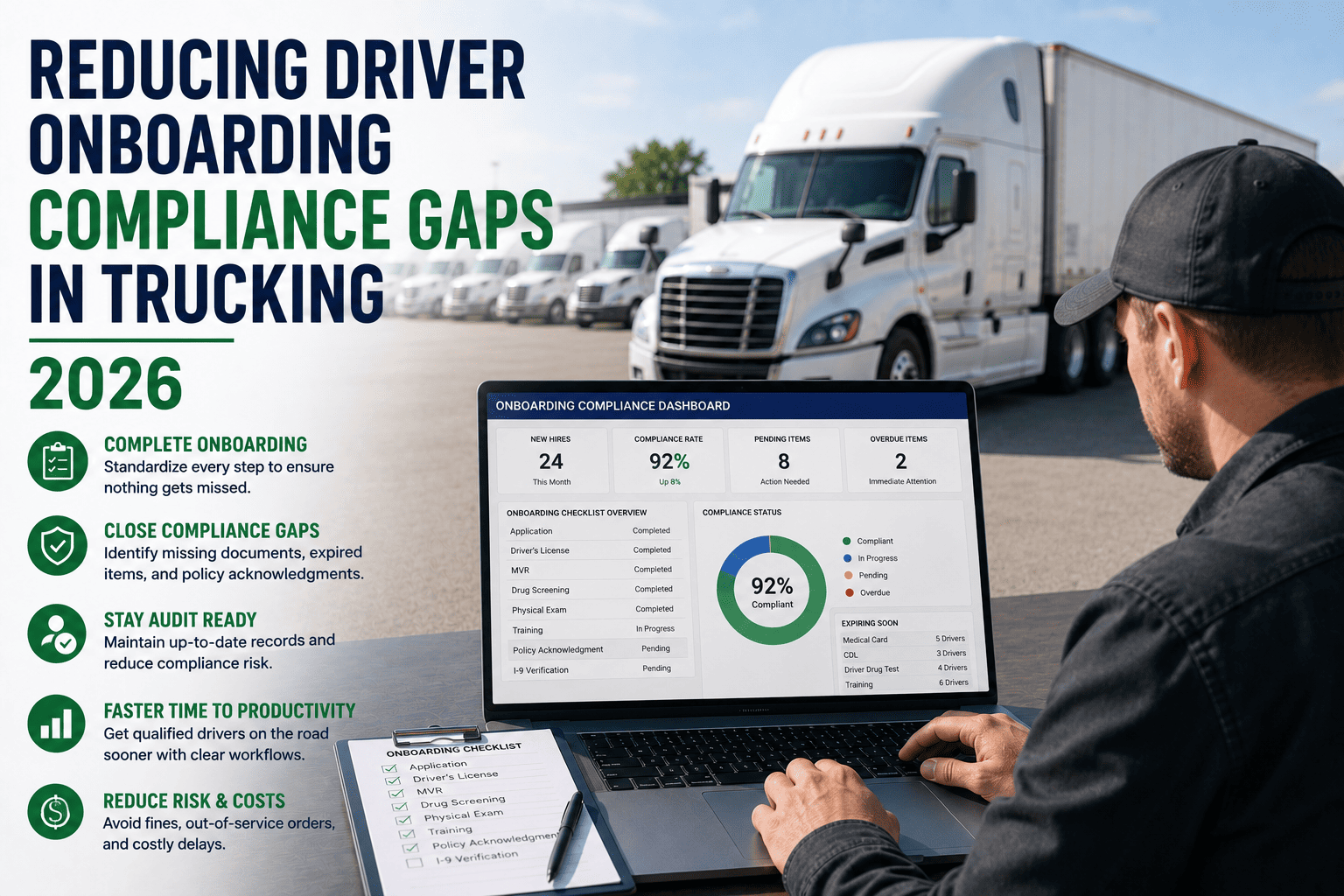
Since 35 percent of new hires quit inside their first quarter, the onboarding window is the single highest-leverage moment a fleet has. Carriers who assign dedicated onboarding mentors and check in weekly during the first three months see 40 to 50 percent lower early-stage turnover, a bigger swing than most pay increases deliver.
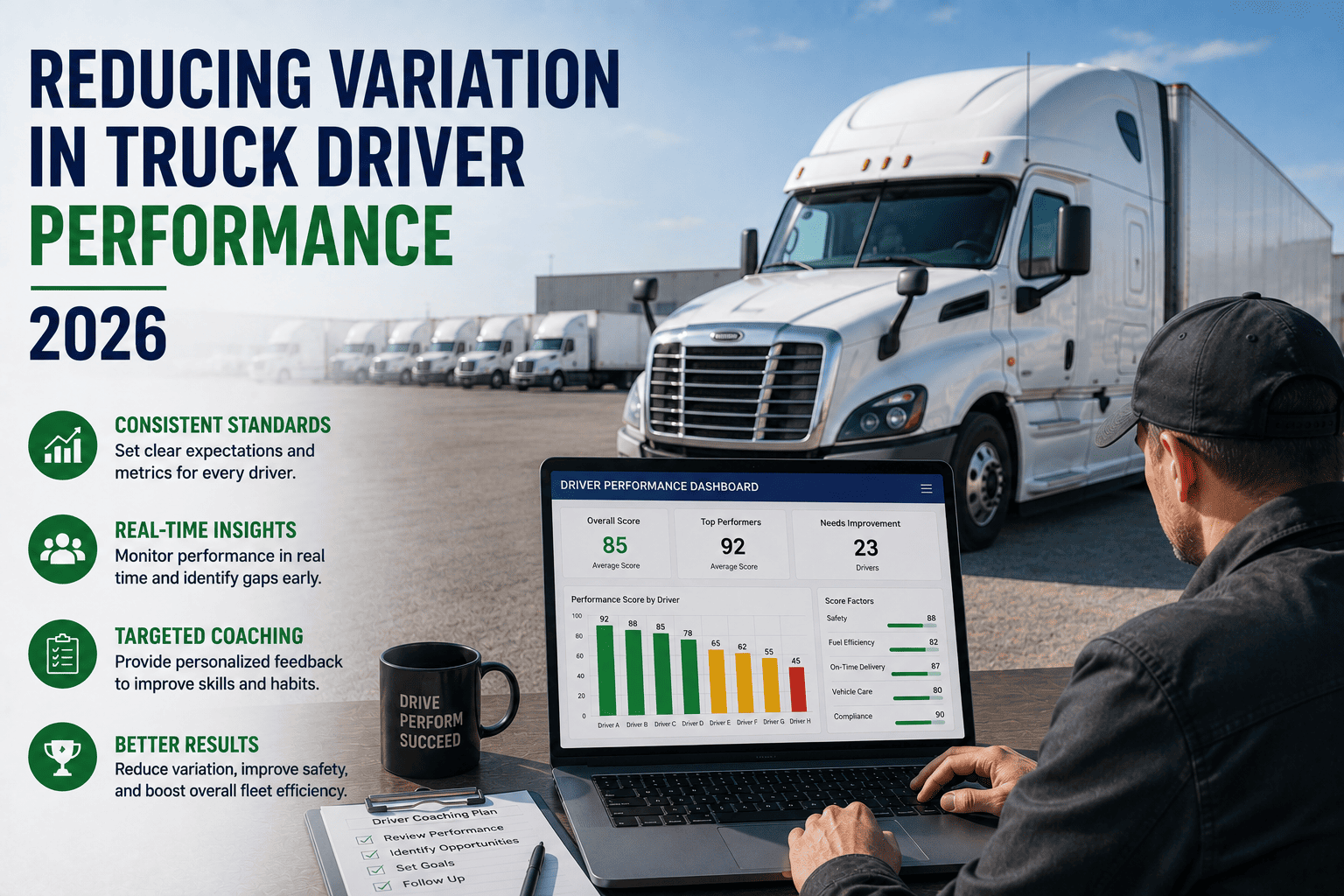
FleetRabbit tracks declining miles, maintenance complaints, and check-in frequency alongside your operations data, surfacing the drivers who need a conversation before they hand in their notice.
What Drivers Actually Say Versus What Fleets Assume
There's a persistent gap between what management believes is driving turnover and what drivers themselves report. Closing that gap is often more valuable than any single new benefit.
| Common Assumption | What Drivers Actually Report | Lower-Cost Fix |
|---|---|---|
| "They just want more money" | Most pay complaints trace back to inconsistent miles, not the base rate | Predictable route and mile planning shared in advance |
| "They left for a bigger bonus" | Bonus chasers leave again once a bigger offer appears elsewhere | Build loyalty through consistency instead of one-time bonuses |
| "New hires just weren't a fit" | 35% quit in 90 days, often from unmet expectations set during hiring | Transparent hiring plus a structured onboarding mentor program |
| "Nothing we can do about time away" | Unpredictable home time erodes relationships more than the hours themselves | Honest home-time commitments tracked and kept, not just promised |
| "Recognition doesn't move the needle" | Vague praise does nothing, but specific, earned recognition builds loyalty | Public safety milestones and first-choice routes for top performers |
Build Retention In Three Layers, Not One Big Perk
Fleets that see turnover actually drop build retention deliberately, in a specific order. Skipping straight to perks without the foundation underneath rarely moves the number.
Layer One: Trust In Pay And Equipment
No recognition program outweighs a driver who doesn't trust their paycheck or their truck. Reliable maintenance, honest pay statements, and no surprise deductions have to be solid before anything else matters.
Layer Two: Fair Scheduling And Honest Communication
Once the foundation is solid, predictable dispatch and transparent communication about routes, detention, and home time become the biggest lever available. This is also where early-warning data, like declining miles or reduced check-ins, gives fleet managers a chance to intervene before a driver decides to leave.
Layer Three: Specific, Earned Recognition
Only after the first two layers are solid does recognition become a genuine multiplier. A driver who ran a perfect safety record for twelve straight months deserves to hear exactly that, publicly, not a generic "good job" that could apply to anyone.
FleetRabbit gives fleet managers visibility into pay transparency, scheduling fairness, and driver engagement in one place, so retention decisions are based on data instead of hunches about who might be unhappy.
Tracking The Metrics That Actually Predict Turnover
Turnover rate alone tells you what already happened. The metrics below tell you what's about to happen, which is where a fleet manager can still change the outcome.
Early Warning Signals
Declining miles, rising maintenance complaints, reduced check-in frequency, and falling load acceptance rates are all measurable before a driver ever submits a resignation. Fleets that track these systematically can step in with a conversation, a schedule adjustment, or a pay review instead of reacting after the fact.
Segment The Data Instead Of Treating It As One Number
A single fleet-wide turnover rate can hide the real story. Break turnover down by dispatcher, region, lane, and tenure band, and it's common to find the problem concentrated in one specific area rather than spread evenly across the fleet, which makes the fix far more targeted and far less expensive.
Frequently Asked Questions
The Bottom Line
Chasing every competitor's pay raise is a race no fleet wins for long. Predictable miles, honest dispatch communication, and a structured first 90 days consistently outperform bigger paychecks alone, and they cost far less to implement. The fleets winning the retention battle in 2026 aren't the ones spending the most on bonuses. They're the ones drivers can actually count on.
Every driver you lose costs thousands to replace and takes route knowledge and customer trust with them. Build the predictability and visibility that keeps drivers around, before the next resignation letter lands on your desk.