Most fleet managers can tell you total miles driven and total fuel spent this month. Ask them what it actually costs to run truck 14 on the Dallas-to-Memphis lane, right now, and the answer usually turns into a shrug followed by "let me pull some numbers together." That gap between knowing your totals and knowing your cost per mile, per truck, per route, in real time, is where profitable fleets pull ahead of the ones quietly bleeding margin every month.
Cost per mile is total operating cost divided by miles driven, but most fleets calculate it wrong by using total miles instead of revenue miles and reviewing it monthly instead of continuously. Connecting fuel, maintenance, and telematics data into one live dashboard is what turns CPM from a rearview number into a decision-making tool. You can sign up for a free trial and see your per-truck cost per mile update automatically as the data comes in.
Why Monthly Cost Per Mile Reports Are Already Too Late
The average fully-loaded cost of operating a Class 7-8 truck reached roughly 2.26 dollars per mile in recent industry data, with non-fuel operating costs alone hitting a record 1.78 dollars per mile. That number is a useful benchmark, but a single monthly average hides everything that actually matters. A truck running 30 percent above the fleet average can operate unnoticed for months if nobody is watching the number until the next quarterly review.
The Formula, Built Correctly
Cost per mile sounds simple, but most fleets build it wrong in one specific way: dividing by total miles instead of revenue miles. Deadhead and empty repositioning miles inflate the mile count and make true cost per loaded mile look better than it actually is.
The Correct Structure
Monthly Fixed Costs divided by Monthly Miles, plus Variable Cost Per Mile, equals your true CPM. Fixed costs include truck payments, insurance, permits, and compliance software. Variable costs include fuel, maintenance, tires, tolls, and driver pay tied to miles.
Revenue Miles, Not Total Miles
Revenue miles give a far more accurate picture than total miles. Every empty repositioning mile carries real cost and zero income, and calculating CPM against total miles instead of revenue miles hides exactly how much that deadheading is costing per load.
Where The Cost Per Mile Actually Goes
Understanding the formula only helps once you know what's inside it. The table below shows a typical fully-loaded cost breakdown, based on aggregated industry operating-cost data.
| Cost Category | Typical Cost Per Mile | Why It Moves |
|---|---|---|
| Fuel | $0.48 to $0.52 | Diesel price swings, MPG, idling, driver behavior |
| Truck & Trailer Payments | $0.35 to $0.40 | Financing terms, equipment age, replacement timing |
| Maintenance & Repairs | $0.18 to $0.25 | Planned vs. emergency repair mix, vehicle age |
| Driver Pay | $0.40 to $0.52 | Region, experience, load type, detention time |
| Insurance | $0.10 to $0.12 | Safety record, claims history, fleet size |
| Tires, Tolls & DEF | $0.09 to $0.12 | Lane selection, tire wear patterns, route tolls |
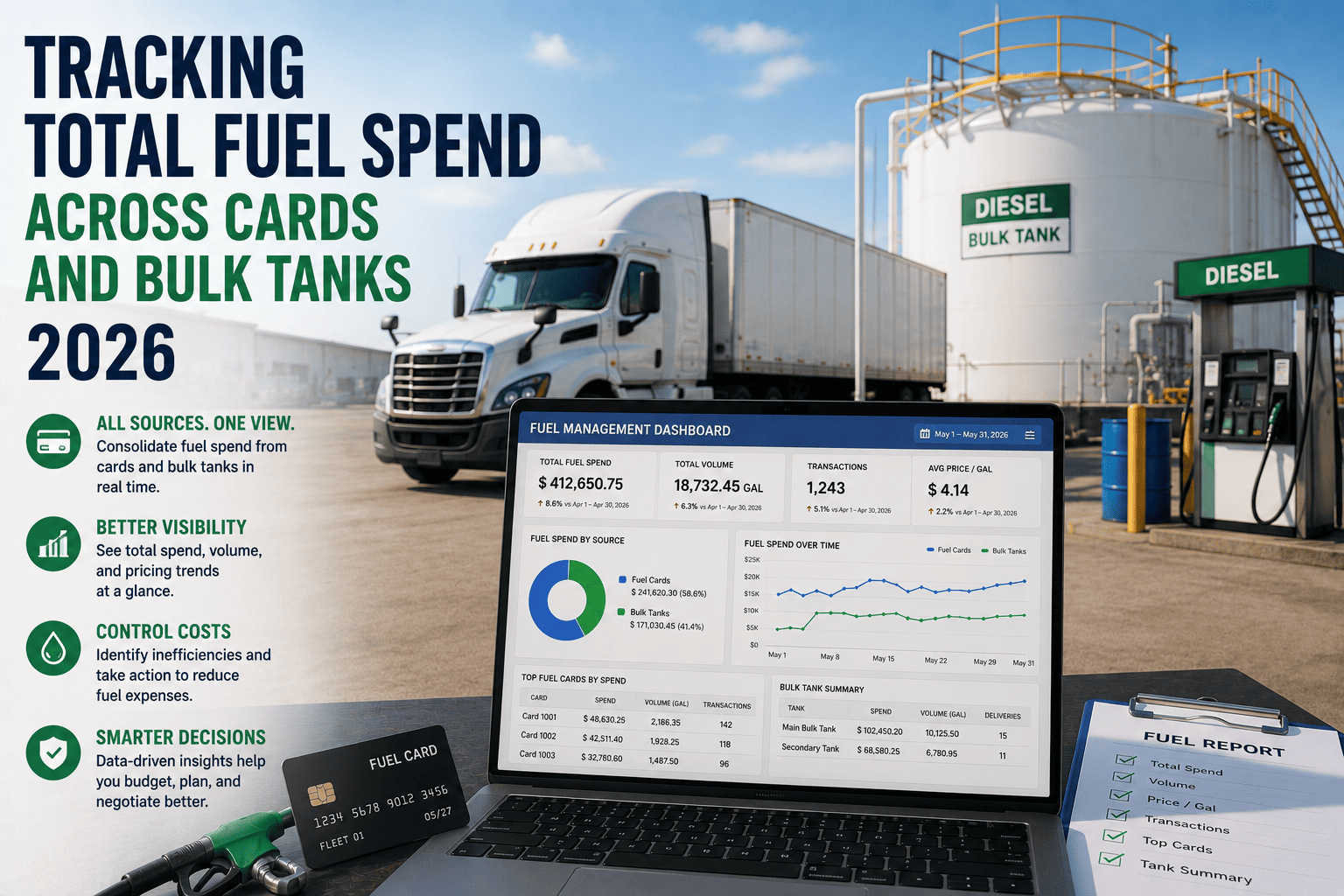
FleetRabbit pulls fuel card data, maintenance records, and telematics into one dashboard, calculating cost per mile per truck automatically instead of waiting for someone to reconcile spreadsheets at month end.
Building A Real-Time Tracking System, Step By Step
Getting to a live cost per mile number isn't about buying more software, it's about connecting the data sources you already have. Here's the order that works.
Step 1: Centralize The Data Sources
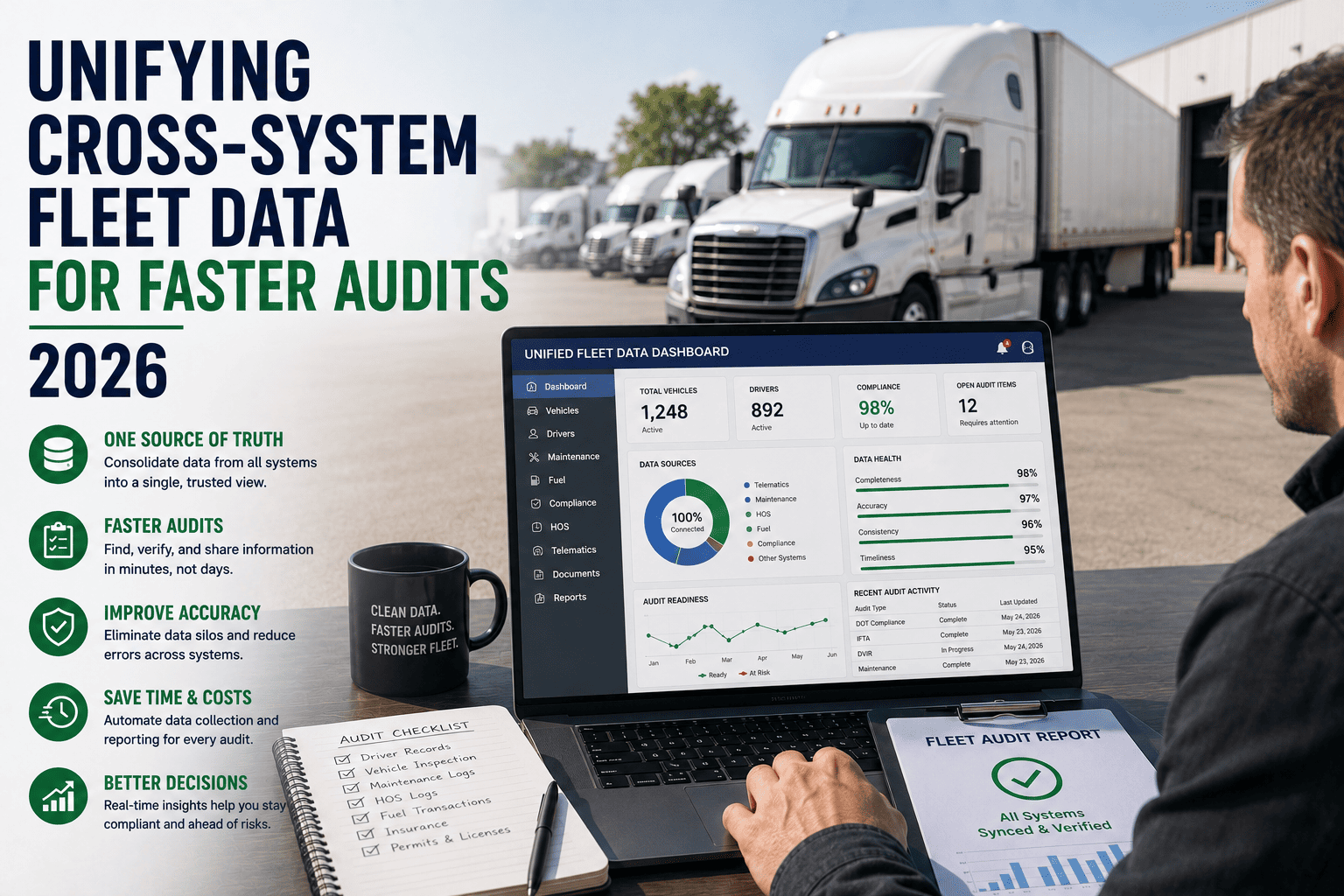
Fuel cards, maintenance logs, and telematics odometer readings usually live in three separate systems. Centralizing them in one platform is the easiest way to keep the numbers accurate and the calculations consistent across the fleet, instead of reconciling exports by hand every month.
Step 2: Sync Odometer Data Automatically
Integrating GPS or telematics systems with your cost tracking makes the mile side of the equation update itself. Automatic odometer syncing means cost per mile updates in real time, so trends surface month to month instead of only during an annual budget review.
Step 3: Separate Fixed From Variable Costs
Fixed costs stay the same whether a truck runs 100 miles or 10,000 miles in a month, while variable costs swing with fuel prices, repair timing, and route choice. Splitting them out is what turns a single blended number into an actionable one, since a low-mileage month will always spike CPM even when nothing has actually gone wrong.
Step 4: Review Per Vehicle, Not Just Fleet-Wide
A high-cost outlier can hide inside a healthy fleet average for months if you're only reviewing totals. Reviewing cost per mile monthly at minimum, and by individual unit rather than fleet-wide average, is what actually surfaces the trucks quietly dragging your margin down.
A short walkthrough with FleetRabbit's team will show you exactly which trucks, lanes, and habits are costing more than they should, using data you're already collecting today.
Common Mistakes That Quietly Inflate Your Number
Most cost per mile problems aren't caused by one giant mistake, they're small blind spots that stack up over time. These four show up most often.
Reviewing Costs Only Once A Month
If you don't look at your numbers regularly, you can't correct them before they compound. Fleets that check per-truck CPM only during a monthly or quarterly review routinely miss weeks of avoidable waste.
Treating Downtime As A Separate Line Item
Downtime isn't just lost revenue, it increases cost per mile directly, because fixed costs keep running while miles stop. A truck sitting for an unplanned repair is actively driving its own CPM upward every single day it's parked.
Underestimating Maintenance Until It's An Emergency
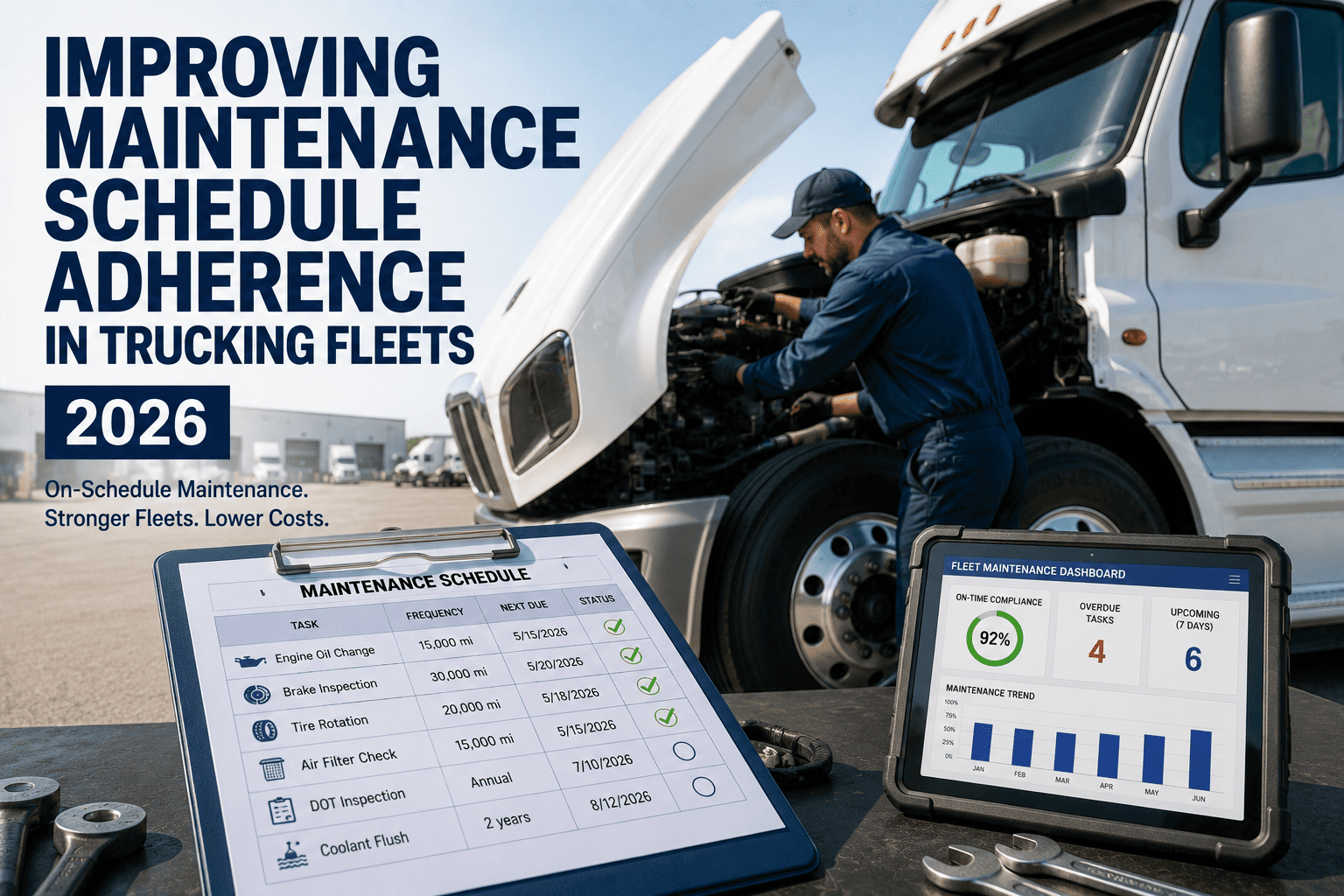
Repair spikes are what make cost per mile feel unpredictable. A planned preventive service typically costs a few hundred dollars, while the same repair handled as an emergency roadside job often runs several times higher once towing and downtime are added.
Ignoring Deadhead Miles In The Denominator
If your truck drives 50 miles empty to reach a pickup, that's real cost carried with zero revenue. Folding those miles into your total-mile denominator instead of tracking revenue miles separately makes your true cost per loaded mile look healthier than it is.
Frequently Asked Questions
The Bottom Line
Cost per mile is only useful when it's built correctly and reviewed continuously. Revenue miles instead of total miles, fixed costs separated from variable, and per-truck visibility instead of a single fleet average are what turn CPM from a number you calculate once a quarter into a live signal you can actually act on.
Every month without a real-time cost per mile view is another month of guessing which trucks and lanes are actually profitable. Connect your fuel, maintenance, and telematics data and see the true number, truck by truck.