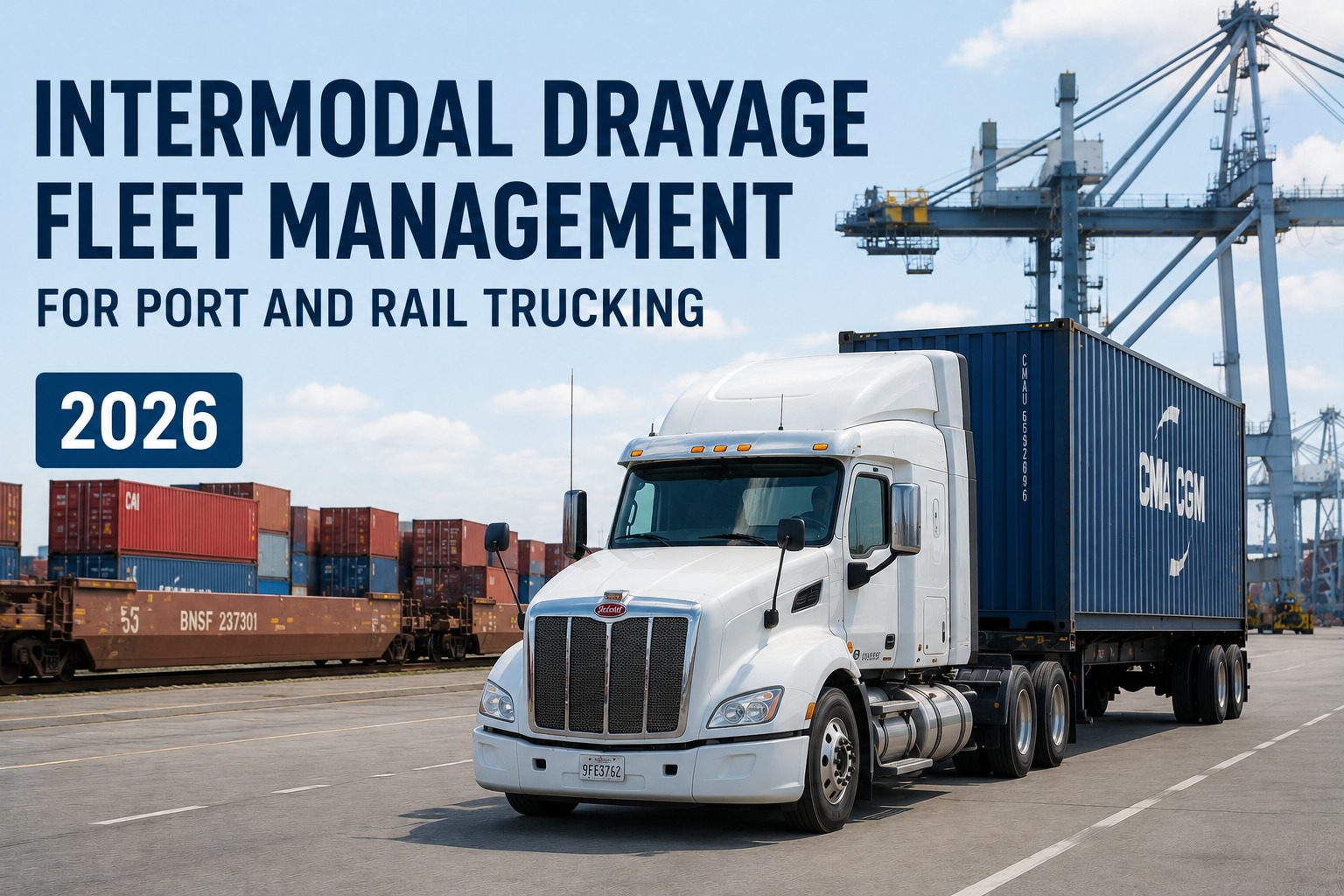
Intermodal drayage is the backbone of modern supply chains — yet it remains one of the most mismanaged and costly legs of the freight journey. Every container that moves through a U.S. port or rail ramp depends on a short-haul truck move to complete its journey. These moves span fewer than 150 miles but carry enormous financial risk. Missed appointment windows, chassis shortages, and poor coordination between dispatchers, drivers, and warehouses can turn a routine pickup into thousands of dollars in demurrage and detention charges — sometimes within a single day. For fleet managers operating in 2026's tighter, more congested port environment, reactive management is no longer an option. This guide covers everything you need to know about building a high-performance intermodal drayage fleet operation — from understanding the real cost structure of port logistics to implementing the technology and processes that separate profitable fleets from struggling ones.
Intermodal Drayage Fleet Management for Port and Rail Trucking
Every minute a container sits idle at the port, your costs climb. Demurrage ticks. Detention accrues. Deadlines slip. In 2026, winning drayage operations run on visibility, precision dispatching, and smart fleet management — not guesswork.
Intermodal drayage fleet management connects your port and rail operations through real-time container tracking, chassis visibility, automated dispatch, and proactive detention management. Fleets that adopt digital drayage platforms reduce demurrage exposure by 30 to 50 percent, improve driver turn times, and protect margins against unpredictable port cycles — all while scaling without adding headcount.
What Is Intermodal Drayage and Why Does It Matter in 2026?
Drayage is the short-haul truck move that connects ports, rail ramps, warehouses, and distribution centers. It bridges the gap between long-haul ocean or rail freight and the final destination. Though these moves typically cover fewer than 150 miles, drayage is where supply chain disruptions begin — and where the most preventable costs accumulate.
In 2026, the stakes are higher than ever. U.S. West Coast ports saw 20 to 30 percent higher congestion in early 2025 compared to the prior year. Chassis shortages, tighter appointment windows, and specialized driver requirements mean that even one missed pickup cascades into days of compounding fees. Fleet managers who manage drayage reactively pay for it — those who manage it systematically profit from it.
Types of Drayage Operations
Port Drayage
Moving import or export containers between marine terminals and inland warehouses, rail yards, or distribution centers. The most common and most congestion-prone form.
Rail Drayage
Also called intermodal drayage — connects rail terminals to nearby facilities. Essential for shippers using rail as their primary long-haul mode, providing last-mile flexibility.
Expedited Drayage
Priority pickup and delivery for time-sensitive cargo — perishables, urgent manufacturing components, or retail inventory with hard deadlines.
Intra-Carrier Transfer
Container moves between a carrier's own terminal locations within the same port complex, managing equipment rebalancing and load distribution.
The Real Cost of Drayage Mismanagement
The Federal Maritime Commission documented that ocean carriers collected $15.4 billion in detention and demurrage charges between April 2020 and March 2025. Most of that was avoidable. Understanding where the money leaks is the first step to stopping it.
Missed Appointment Window
Terminal appointments are scarce. Miss one and your container sits. Demurrage starts immediately — often $200 to $400 per container per day.
Chassis Shortage Delays
No chassis available means the container doesn't move. Split fees, waiting charges, and continued demurrage stack on top of each other.
Detention at Delivery
Container arrives but the warehouse can't unload quickly. Detention runs daily until the empty returns — some terminals won't accept returns on certain days.
Margin Erosion
A single week of compounding fees on one container easily reaches $2,000 to $5,000 in charges — none of which was priced into the original move.
Industry Insight: Shippers who underestimate drayage costs typically underprice their landed cost by 15 to 30 percent. The hidden charges — chassis fees, congestion surcharges, per diem — never make it into the original rate quote.
Key Challenges in Port and Rail Drayage Today
Understanding what makes drayage hard is the foundation of managing it well. Fleet managers who treat drayage as "just a short truck move" consistently underperform those who engage with its unique operational complexity. Book a demo to see how FleetRabbit addresses each challenge with purpose-built tools.
Chassis Availability
Chassis shortages are one of the most persistent drayage cost drivers — especially at high-volume terminals. Fleet managers need real-time chassis pool visibility to avoid split fees and delays.
Port Terminal Congestion
Long gate wait times reduce daily driver productivity drastically. Drivers may wait several hours for a single pickup during peak seasons or disruption events, cutting revenue per driver per day.
Specialized Driver Pool
Drayage drivers need TWIC credentials, port familiarity, and local knowledge. This pool is far smaller than general trucking, making capacity tighter and driver retention more critical.
Appointment Window Management
Most major ports require pre-booked terminal appointments. Missed or unavailable appointment slots within free time trigger demurrage — even when no one made an operational error.
Demurrage & Detention Fees
These fees stack independently — demurrage inside the terminal, detention after the container leaves, and per diem on chassis return delays. A single misalignment between broker, trucker, and warehouse can trigger all three simultaneously.
Documentation & Compliance
Manual data entry errors create costly delays. Hazmat documentation, customs holds, and EDI communication failures compound dwell times and generate compliance risk.
Stop Paying for Preventable Port Delays
FleetRabbit gives drayage fleet managers real-time container visibility, chassis tracking, automated dispatch, and detention alerts — so you stop losing money to avoidable fees and missed windows. Join fleet operators already reducing demurrage exposure by up to 40%.
Core Components of Intermodal Drayage Fleet Management
Effective drayage management is not a single tool — it is a connected system of capabilities that work together to eliminate the gaps where costs accumulate. Sign up with FleetRabbit to access all of these in one integrated platform.
Real-Time Container & Chassis Tracking
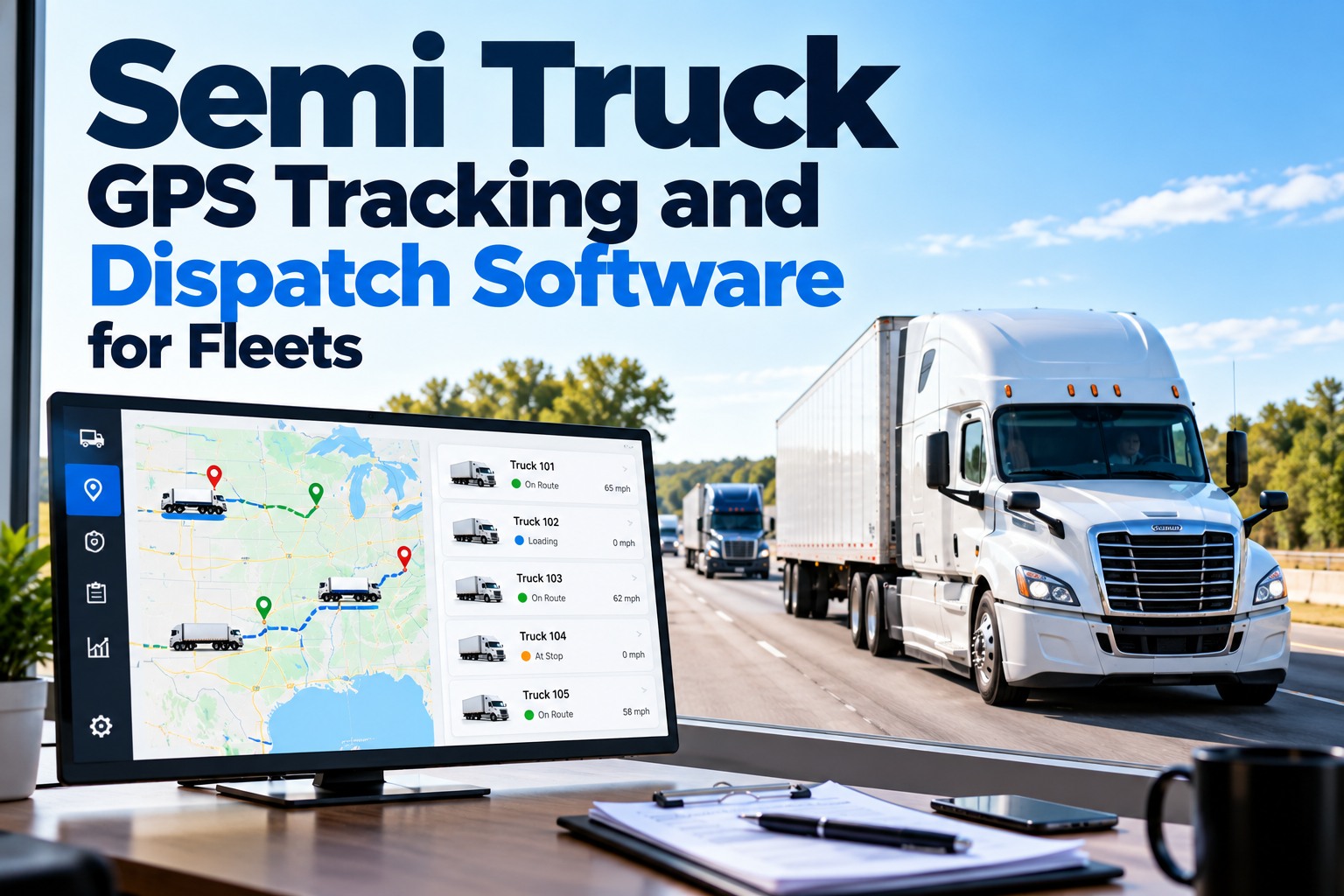
Know where every container and chassis is at every moment — from vessel discharge through delivery and empty return. Real-time visibility eliminates the guesswork that causes missed appointments and unnecessary demurrage. Managers can act on developing problems before they become fees.
What to Track
- Container availability status at terminal
- Chassis pool location and condition
- Live driver position and ETA
- Last Free Day (LFD) countdown alerts
- Empty return deadlines by steamship line
Intelligent Dispatch & Load Optimization
Manual dispatch in drayage is a margin killer. Automated dispatch matches drivers to loads based on proximity, credentials, appointment windows, and available chassis — maximizing turn times and minimizing deadhead miles.
Dispatch Optimization Factors
Detention & Demurrage Management
Proactive fee prevention is worth 10x the value of fee dispute recovery. A detention management system monitors free time windows, triggers alerts before they expire, coordinates warehouse receiving appointments, and flags empty return restrictions — turning a reactive cost into a managed variable.
Port Terminal Integration & EDI Connectivity
Seamless EDI and API connections with port terminal operating systems eliminate manual status checks, automate milestone updates, and keep your dispatchers informed in real time — without logging into five different portals.
Integration Points
- Terminal operating system (TOS) status feeds
- Rail ramp arrival and departure notifications
- Ocean carrier EDI for vessel ETAs and container releases
- Customs hold and clearance status
- Automated POD capture via mobile driver app
Fleet Maintenance & Compliance Tracking
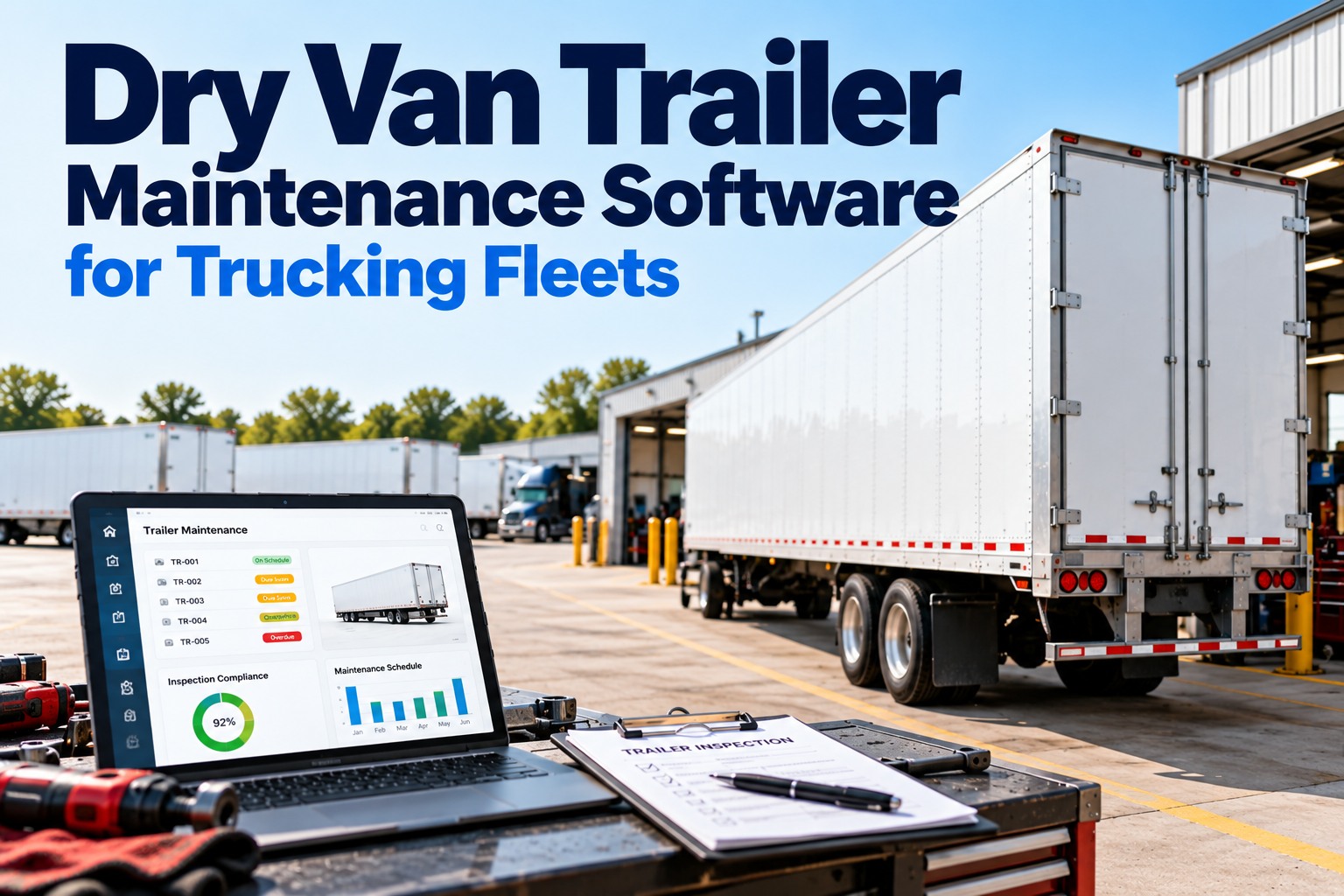
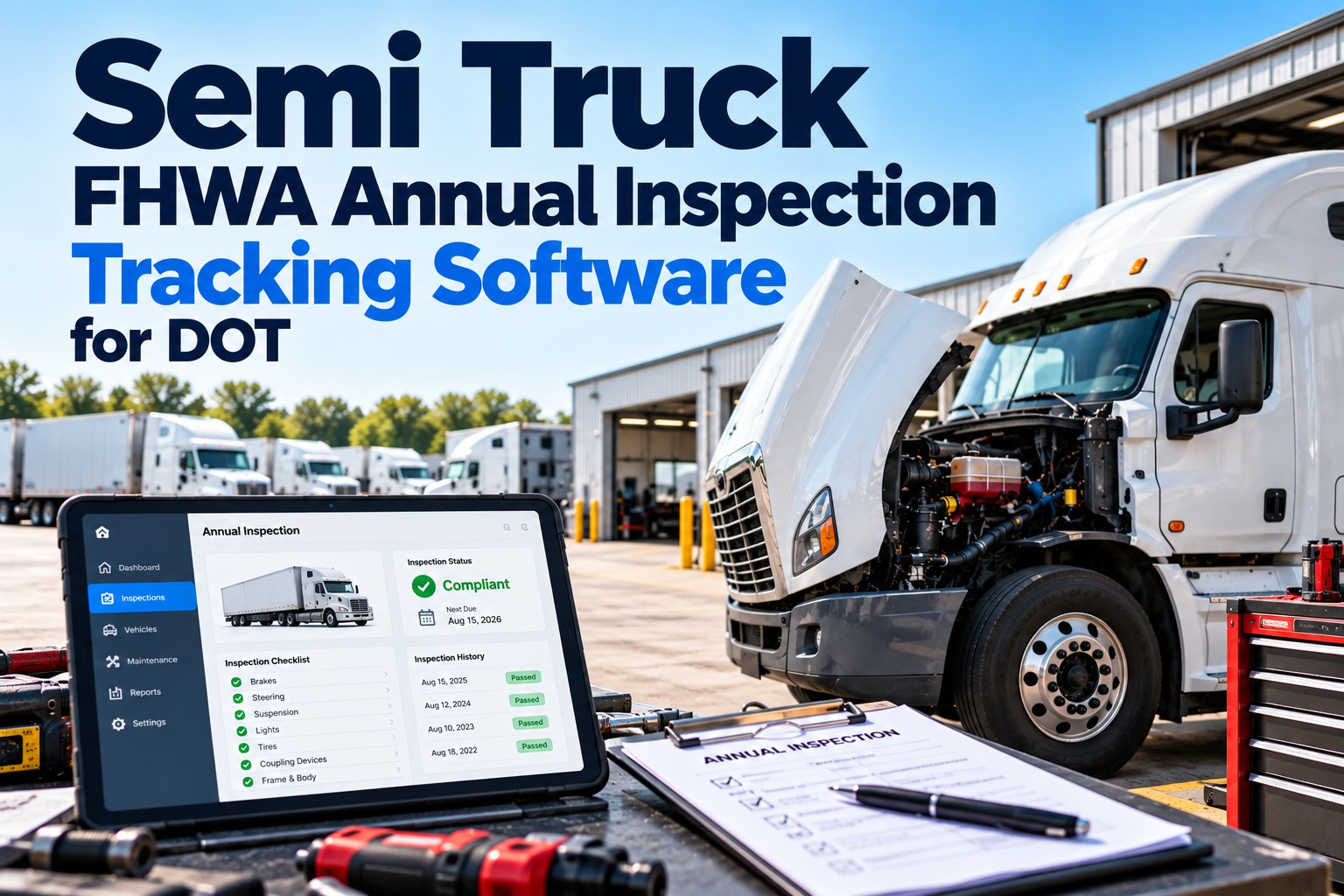
A truck breakdown at the port gate is not just a repair bill — it is a missed appointment, a potential demurrage trigger, and a disrupted driver day. Preventive maintenance scheduling ensures your drayage trucks stay road-ready and FMCSA-compliant, even in demanding port environments.
Maintenance Metrics to Monitor
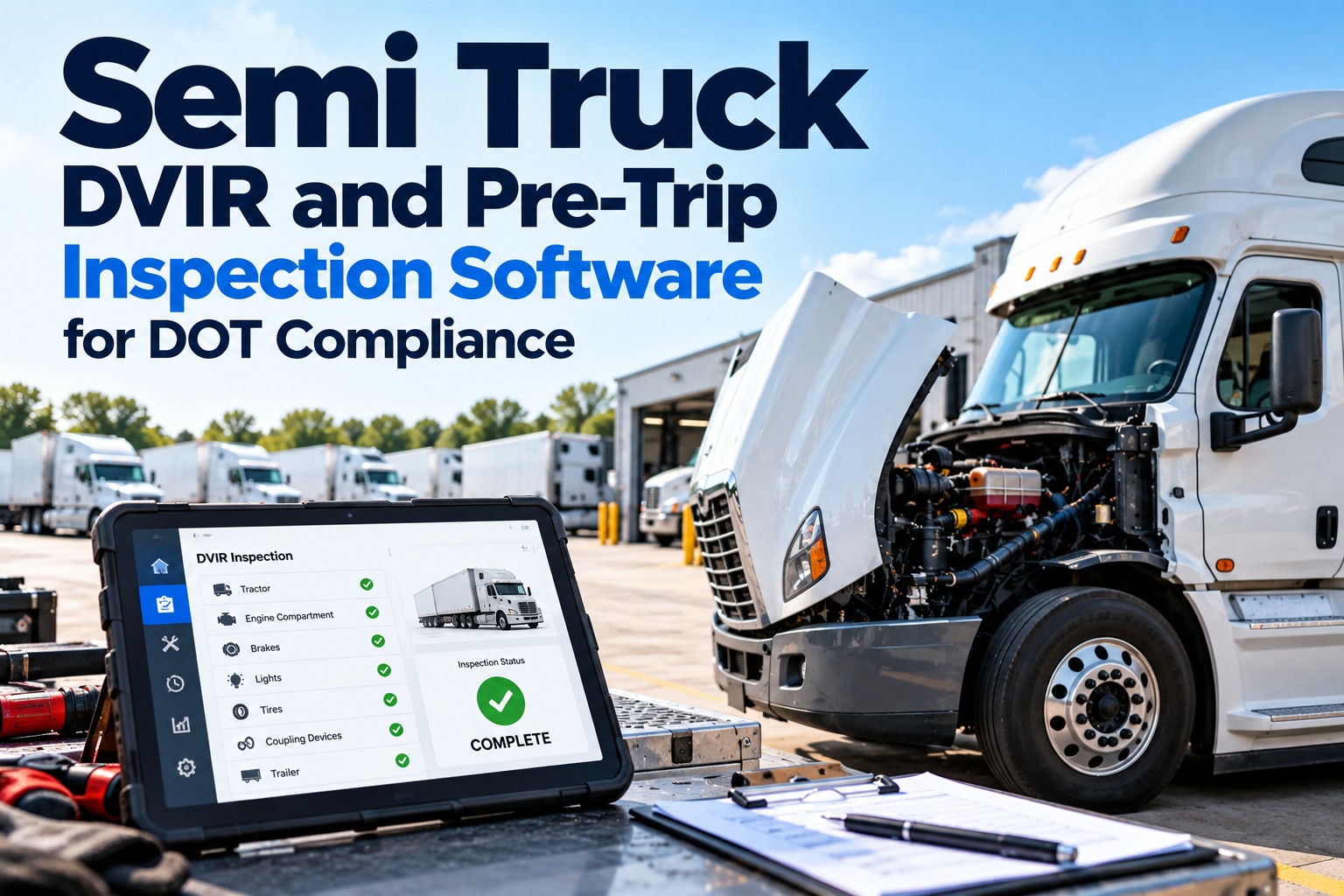
- Upcoming inspection deadlines (DVIR, annual)
- Engine and brake system health alerts
- Tire pressure and wear status
- PM interval tracking by mileage and engine hours
- Driver vehicle inspection report (DVIR) digitization
Demurrage vs. Detention: Know the Difference, Stop the Bleed
Most drayage teams confuse demurrage and detention — and that confusion costs money. They are triggered by different events, involve different parties, and require different prevention strategies.
| Factor | Demurrage | Detention | Per Diem |
|---|---|---|---|
| Where It Occurs | Inside the marine terminal | Outside terminal — at shipper, warehouse, or consignee | Anywhere the chassis is held past return deadline |
| Charged By | Steamship line or terminal | Steamship line | Chassis provider / IEP |
| Triggered When | Container not picked up within free time | Empty not returned within free time after delivery | Chassis not returned to designated pool location |
| Typical Daily Rate | $150–$400/day | $75–$200/day | $25–$75/day |
| Prevention Strategy | Early appointment booking, customs pre-clearance | Warehouse dock scheduling, LFD alerts | Chassis pool tracking, split fee management |
Pro Tip: Plan as if free time is one day shorter than published. Terminal congestion, appointment scarcity, and customs holds frequently consume your buffer invisibly — and demurrage does not care about circumstances. Sign up for FleetRabbit and get automated LFD alerts before the clock runs out.
Port-by-Port Drayage Landscape in 2026
Drayage challenges are not uniform across U.S. gateways. Each major port has its own congestion patterns, chassis dynamics, fee structures, and operational quirks. Understanding your port's environment is essential to managing your fleet effectively.
Building a High-Performance Drayage Fleet Operation
The difference between a drayage fleet that breaks even and one that leads its market comes down to operational discipline across five key dimensions. Ready to sign up and benchmark your fleet against these standards?
Every extra hour a driver spends waiting at the gate is revenue you don't capture. Optimized dispatch and pre-staged chassis access are the primary levers.
Consistently picking up containers before Last Free Day eliminates demurrage entirely. This requires appointment monitoring, not just appointment booking.
Late empty returns generate detention charges and sour steamship line relationships. Automated return reminders and terminal acceptance window tracking are essential.
A truck down at 5 AM the day of a critical port appointment is an operational crisis. Preventive maintenance scheduling makes 96%+ uptime achievable.
Reactive fleets spend 50–70% of maintenance hours on emergency repairs. Predictive maintenance flips this ratio, slashing repair costs and protecting move schedules.
From Port Gate to Delivery — Manage Every Move in One Platform
FleetRabbit combines container tracking, chassis visibility, automated dispatch, detention alerts, and fleet maintenance into one connected drayage management platform. No more juggling five systems, missing critical alerts, or discovering fee surprises on your invoice. Book a demo to see a live walkthrough for your operation.
ROI of Modern Drayage Fleet Management Software
The return on investing in drayage management technology is faster and larger than most fleet managers expect — because the baseline cost of doing nothing is so high.
Faster Driver Turn Times
Optimized dispatch and pre-staged chassis coordination increase daily driver moves from 2–3 to 3–4 per day, growing revenue per driver without adding headcount.
Demurrage & Detention Elimination
Proactive LFD monitoring, automated alerts, and coordinated warehouse scheduling prevent 60 to 80 percent of detention and demurrage charges from forming.
Reduced Emergency Repairs
Predictive maintenance scheduling catches developing truck issues before they cause port-gate breakdowns, preventing emergency repair premiums of 3–5x planned maintenance cost.
Insurance Premium Reduction
Improved CSA scores from better maintenance documentation and fewer mechanical failures can reduce fleet insurance premiums by 5 to 10 percent annually.
Frequently Asked Questions
Get answers to the most common questions about intermodal drayage fleet management — from detention fees to software selection.
Stop Losing Money to Preventable Port and Rail Delays
Every day without the right drayage management platform costs your fleet in missed appointments, avoidable demurrage, emergency repairs, and dispatcher overload. FleetRabbit brings container tracking, chassis visibility, automated dispatch, detention alerts, and fleet maintenance into one connected system — purpose-built for port and rail trucking operations. Fleets that make the switch see measurable results within weeks, not months. The gap between high-performing drayage operations and struggling ones is not luck — it is operational discipline enabled by the right technology. Take the first step now.