An RFP lands on a fleet manager's desk from a major retail shipper, and buried in the requirements next to insurance minimums and on-time delivery targets is a new line item: submit annual emissions data or don't bid. This isn't a fringe request anymore. Over 60 percent of freight spending now comes from shippers demanding emissions data from their carriers, because when a company like Walmart or Home Depot reports its own supply chain emissions to investors and regulators, it needs your fleet's numbers to complete that picture. Fleets without an answer to that question aren't just missing a sustainability badge, they're getting quietly excluded from the freight opportunities that matter most.
Reducing a trucking fleet's carbon footprint for shipper sustainability requirements starts with tracking real fuel and idle data, then acting on it through route optimization, idle reduction, and driver coaching, moves that typically cut emissions 10 to 15 percent within months. Layering in fleet modernization and EPA SmartWay reporting builds the auditable emissions record shippers increasingly require just to qualify for freight in 2026.
Why Shippers Are Asking For Your Carbon Data Now
Trucking accounts for the majority of freight-related emissions, more than air cargo and ocean shipping combined, which makes fleet operations the single largest controllable emission source for most logistics-dependent companies. Regulatory pressure is compounding customer pressure. California's Climate Corporate Data Accountability Act requires large companies to disclose their full emissions picture starting in 2026, with penalties reaching into the hundreds of thousands of dollars per year for non-compliance, and those companies need supplier data to file accurately. That pressure flows straight down to the carriers actually moving their freight.
The SmartWay Requirement Hiding in Plain Sight
The EPA's SmartWay program is technically voluntary, but it has become a de facto requirement for winning contracts with Walmart, Target, Home Depot, and most Fortune 500 retailers. Carriers submit annual data on fuel efficiency, miles traveled, and payload, and the EPA translates that into a standardized performance category shippers can compare across carriers. A fleet without a SmartWay profile isn't just missing marketing value, it's invisible in the exact benchmarking system large shippers now use to award freight.
The Three-Tier Path to a Lower Carbon Footprint
Fleets don't need to electrify overnight to make measurable progress. Emissions reduction happens in layers, and most fleets can capture the biggest, cheapest wins long before any vehicle purchase decision is on the table.
FleetRabbit gives you the real-time fuel and idle data behind every emissions number, so Tier 1 improvements start showing up in weeks, not years. Sign up free and see your fleet's current footprint today.
The Levers Fleet Managers Actually Control
Sustainability initiatives can feel abstract until they're broken into specific, measurable actions. The table below maps the levers most fleets can pull directly, without waiting on a vehicle replacement cycle or a capital budget approval.
| Lever | What It Involves | Typical Impact |
|---|---|---|
| Route Optimization | Eliminating empty miles and consolidating shipments using real trip data | 10-15% fuel reduction through smarter routing alone |
| Idle Reduction | Monitoring and coaching down unnecessary engine idle time at stops | Meaningful fuel and emissions savings with no capital cost |
| Driver Behavior Coaching | Correcting harsh acceleration, braking, and speeding patterns | Improves fuel efficiency and reduces wear-related emissions increases |
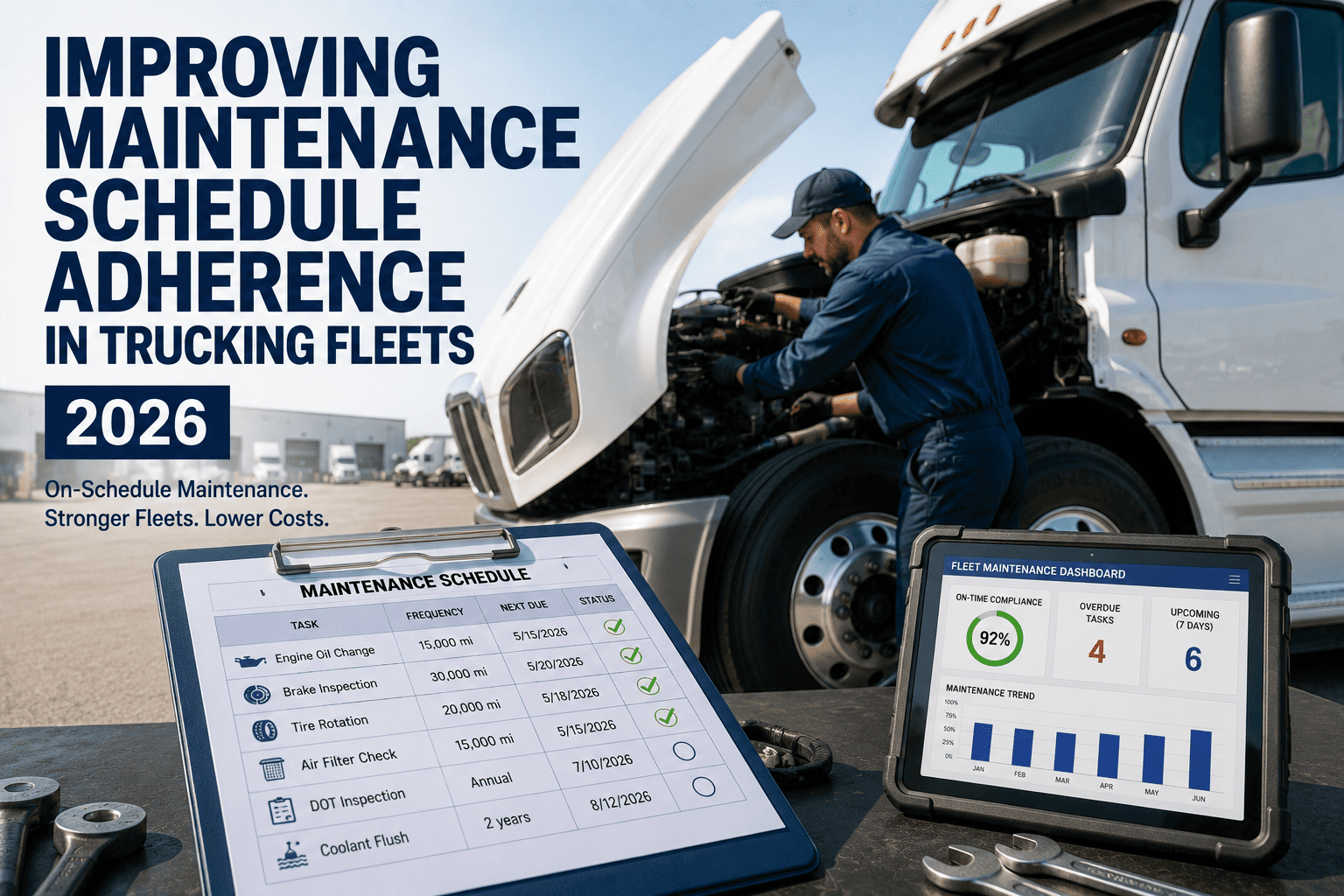
| Preventive Maintenance | Keeping engines, tires, and filters in optimal operating condition | Prevents the efficiency losses that come with deferred repairs |
| Emissions Reporting | Tracking fuel and mileage data in SmartWay and GHG Protocol formats | Keeps the fleet eligible for shipper RFPs requiring verified data |
Turning Fuel Data Into a Reporting-Ready Emissions Record
Every gallon of diesel burned converts to a known amount of CO2 equivalent, which means fuel consumption data is really emissions data in a different unit. Fleets that already track fuel by vehicle and by route are most of the way to a usable emissions baseline, they just need that data organized into the formats shippers and regulators actually request.
Supporting Multiple Reporting Frameworks From One Source
Large shippers increasingly ask for emissions data in different formats depending on their own reporting obligations, whether that's the GHG Protocol, the GLEC Framework, SmartWay submissions, or the newer ISO 14083 standard for transport emissions. Maintaining one clean data source that can export into any of these formats avoids duplicating work every time a new customer questionnaire arrives.
Why Idle Time Is the Easiest Number to Move First
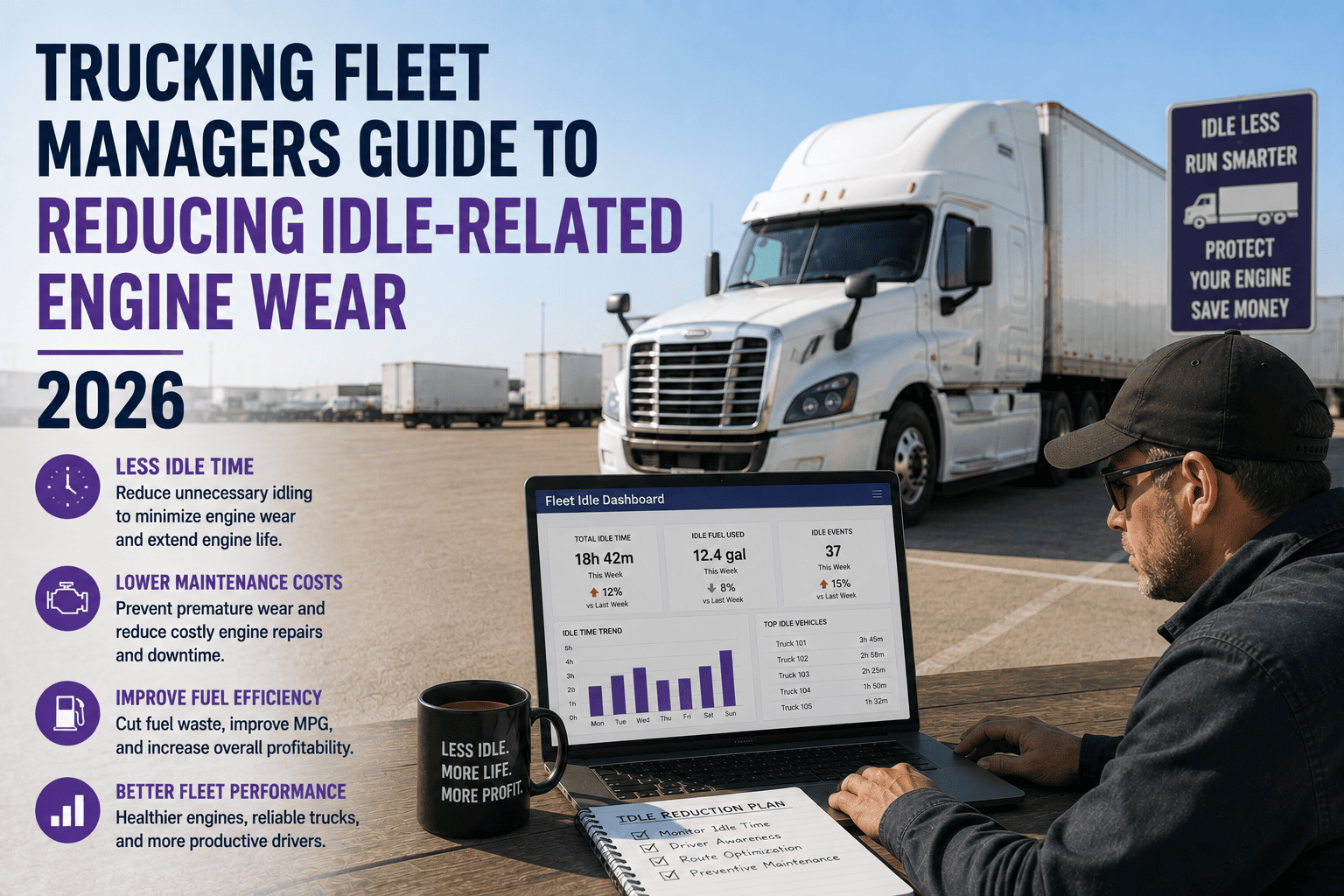
Idle reduction rarely requires new equipment or driver retraining beyond a simple policy change and visibility into which vehicles are idling and for how long. It's consistently one of the fastest levers a fleet can pull because the fuel being burned produces zero productive miles, making it pure waste from both a cost and emissions perspective. If your fleet hasn't measured idle time by vehicle yet, book a free demo to see exactly where that number stands today.
FleetRabbit turns everyday fuel, route, and idle data into the emissions reporting shippers and regulators are asking for, without adding extra work for your team.
Frequently Asked Questions
FleetRabbit connects fuel, route, and idle data into one clear picture, helping your fleet cut emissions, cut costs, and stay eligible for the shipper contracts that require verified sustainability data.