A single driver incident can undo years of careful fleet management in one afternoon. Nuclear verdicts against trucking defendants have climbed roughly 300 percent over the past decade, and plaintiff attorneys now specialize almost entirely in commercial crash litigation. For fleet owners, the question is no longer whether an incident will happen. It is whether your fleet can prove, with clean documentation, that it did everything reasonable to prevent it. That single difference is what separates a manageable claim from a verdict that closes a business.
A non-fatal commercial vehicle crash averages more than 100000 dollars once claims, downtime, and administrative costs are counted. Fatal crashes often exceed 1 million dollars after litigation and lost productivity. Verdicts of 10 million dollars or more are up nearly 300 percent over the last decade, and courts increasingly treat missing or scattered driver records as evidence of negligence rather than an innocent gap.
Where Trucking Liability Actually Comes From
Most fleet owners assume liability begins the moment a crash happens. In reality, liability is built long before that, through every logged mile, every skipped inspection, and every coaching conversation that never took place. Distracted driving remains a major factor in fatal crashes nationally, and commercial drivers face extra distraction sources like electronic logging devices, in-cab navigation, and dispatch messages. Speeding contributes to close to a third of fatal crashes, while driver fatigue was present in a notable share of serious commercial vehicle collisions studied by federal regulators.
What changes the legal outcome is not just what happened on the road, it is what your fleet can prove about the months before the incident. Insurers and courts are shifting from asking "did a crash occur" to asking "can this fleet demonstrate it managed risk proactively." Fleets that can answer yes, quickly and with organized records, consistently settle for less and face fewer nuclear verdicts.
The Three Pillars Behind Every Liability Claim
Driver Behavior History
Speeding events, hard braking, tailgating, and phone use patterns build a behavioral profile that either supports your fleet or works against it in litigation.
Vehicle Condition Records
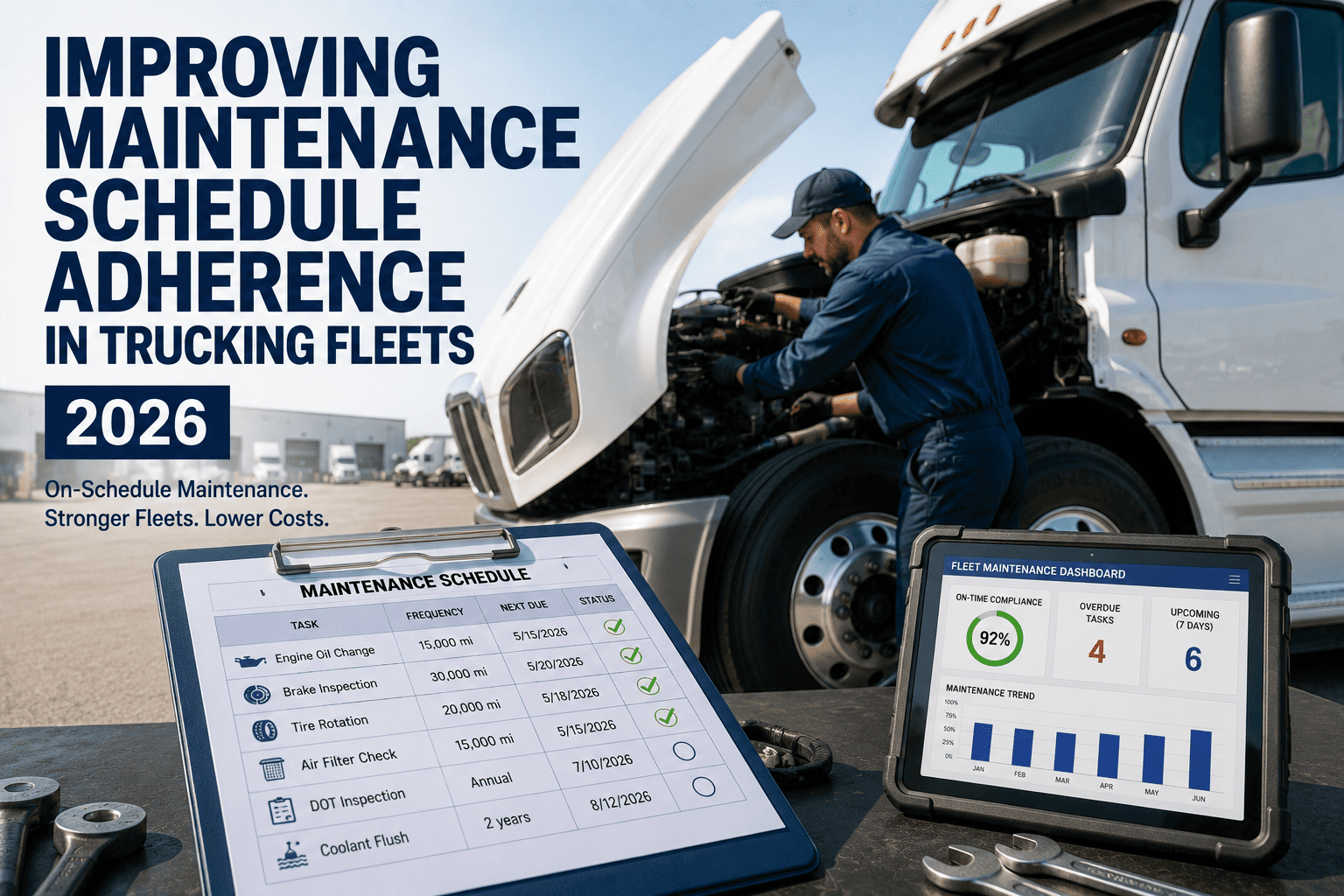
Inspection reports, maintenance logs, and defect resolution timelines prove whether a vehicle was roadworthy or whether a known issue was left unresolved.
Response and Coaching Trail
Evidence that flagged risks were actually reviewed and acted on matters more than the alert itself. Collected but unreviewed data can read worse to a jury than having no monitoring system at all.
FleetRabbit brings telematics, inspections, maintenance history, and coaching records into one platform so every incident has a clear, consistent story behind it. Start your free trial and see your fleet's full risk picture in minutes.
Liability Exposure By Incident Type
Not every incident carries the same legal weight. Understanding where exposure concentrates helps fleet managers prioritize which risks to address first and which documentation gaps to close immediately.
| Incident Type | Common Cause | Liability Driver | Reduction Strategy |
|---|---|---|---|
| Rear-End Collision | Following too close, delayed reaction, distraction | Sensor-equipped cabs raise repair severity, and following-distance data is easily subpoenaed | In-cab alerts for tailgating paired with weekly coaching review |
| Fatigue-Related Incident | Hours of service violations, irregular schedules | HOS non-compliance is treated as a direct negligence indicator | Automated HOS tracking with real-time violation alerts |
| Equipment Failure Crash | Deferred maintenance, missed inspection defects | Prior known defects left unresolved become primary evidence | Digital inspection records with mandatory defect closeout |
| Distracted Driving Event | Phone use, dashboard displays, dispatch messaging | Repeated unaddressed alerts suggest systemic tolerance of risk | Distraction detection combined with documented coaching cycles |
| Speeding Violation Crash | Schedule pressure, unfamiliar routes | Speed data pulled from telematics is standard discovery evidence | Speed threshold alerts and driver scorecards reviewed weekly |
| Driver Eligibility Dispute | Expired CDL, incomplete medical certification | Carriers can be held responsible for failing to verify driver eligibility | Automated license and medical expiration tracking |
Turning Documentation Into Defense
The fleets that come out ahead after an incident are rarely the ones that never had a risky event. They are the ones that can produce a clean, timestamped history showing the risk was identified and addressed. That shift in mindset, from avoiding all risk to proving active risk management, is what modern liability defense actually requires.
What A Defensible Record Looks Like
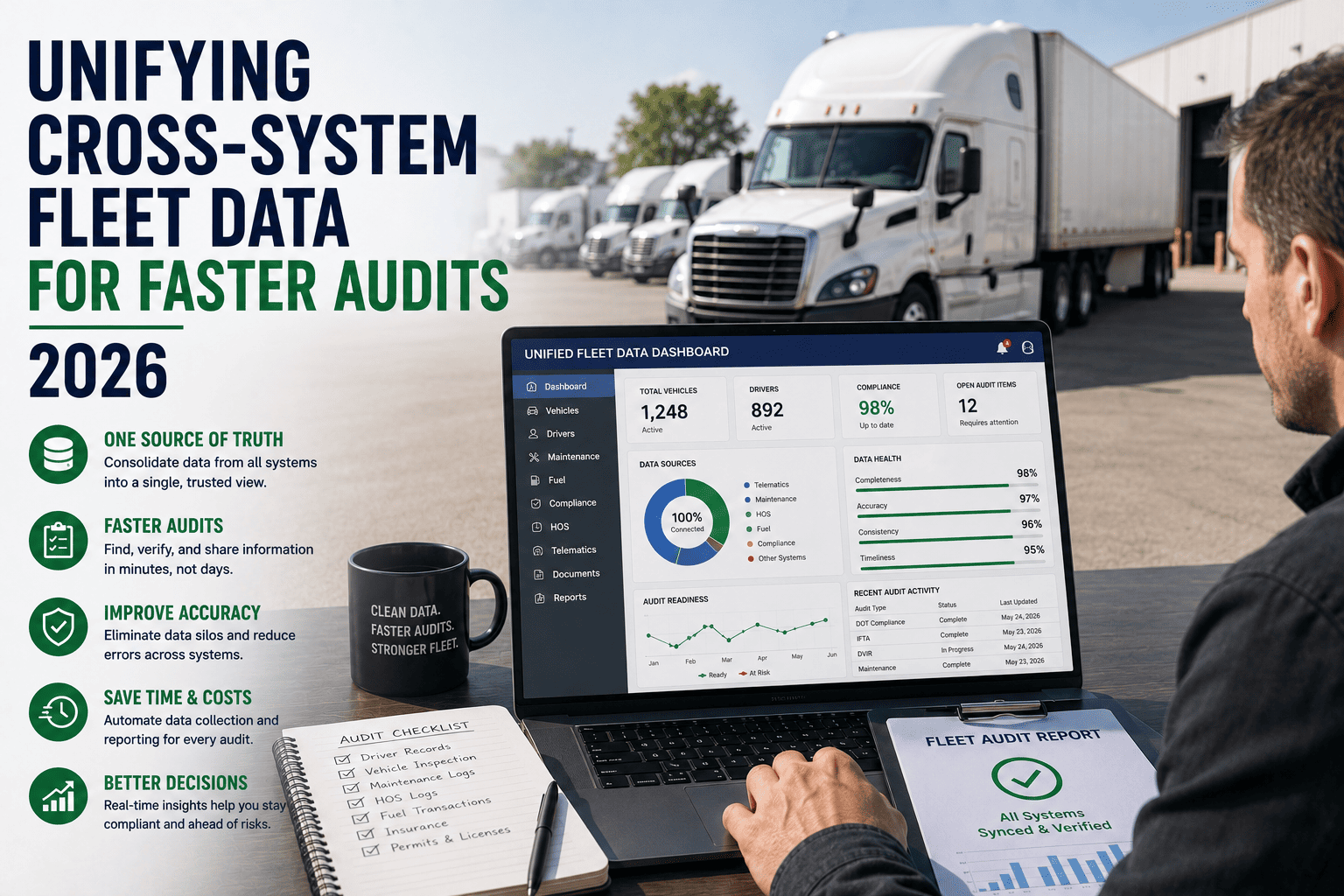
A defensible record ties four things together for every driver and vehicle: the behavioral data, the inspection history, the maintenance timeline, and the coaching response. When these live in separate spreadsheets or disconnected tools, gaps appear the moment opposing counsel starts asking questions. When they live in one system, your fleet can respond to a records request in minutes instead of weeks.
Why Response Speed Matters As Much As The Record Itself
Insurers are increasingly pricing policies based on how quickly a fleet can demonstrate its risk profile, not just its crash history. A fleet that can pull a complete driver and vehicle history on demand signals operational discipline, which underwriters reward with better renewal terms. Fleets that scramble to assemble records across multiple platforms signal the opposite, regardless of how safe their actual operations may be.
Practical Steps To Close The Gap
Centralize telematics, inspection, and maintenance data in one platform. Set a fixed weekly cadence for reviewing flagged driver events. Require documented sign-off whenever a defect or violation is resolved. Keep license, medical certification, and eligibility records updated automatically rather than manually.
Every day your fleet's data stays split across separate tools is another day a plaintiff's attorney has an easier job. FleetRabbit consolidates driver behavior, inspections, and maintenance into a single defensible timeline. Book a demo to walk through your fleet's current exposure with our team.
Benchmarks Worth Tracking
Fleet managers who stay ahead of liability issues track a small set of numbers consistently rather than reacting only after an incident. Aim to review hard braking, speeding, and distraction alerts weekly rather than monthly. Track the percentage of flagged events that receive documented coaching within seven days, since unreviewed alerts carry more legal risk than no monitoring at all. Monitor how long it takes your team to pull a complete driver and vehicle record on request, and aim for minutes rather than days. Fleets that reach these benchmarks typically see fewer repeat incidents and stronger positioning at insurance renewal.
Frequently Asked Questions
Liability in trucking is no longer decided by whether an incident happens. It is decided by whether your fleet can show, clearly and quickly, that risk was being managed all along. That proof lives in your driver records, your inspection history, and your coaching trail, not in memory or scattered spreadsheets.
FleetRabbit unifies driver behavior, inspections, maintenance, and compliance records into one defensible history, so your fleet is ready the moment it matters most. Start your free trial with no credit card required, or book a short call with our team to see your fleet's risk picture today.