.png)
Fuel represents one of the largest controllable operating expenses in fleet management, typically accounting for 20 to 35 percent of total transportation costs depending on fuel prices, route distance, and vehicle type. With fuel price volatility, driver shortages pushing longer routes, and customer expectations for faster delivery at lower costs, fleet managers face constant pressure to reduce fuel spend without compromising service quality or driver safety. The difference between a fleet operating at industry average fuel efficiency and one using proven fuel management strategies can be tens of thousands of dollars per year. Leading transportation companies systematically attack fuel costs from multiple angles: route optimization that eliminates unnecessary miles, idle reduction that stops waste at the pump, preventive maintenance that keeps engines running at peak efficiency, driver coaching that encourages fuel-conscious behavior, and real-time analytics that identify consumption anomalies before they compound. This guide covers the seven strategies that deliver the biggest fuel savings, explains the financial impact of each approach, and shows how digital fleet management platforms like FleetRabbit automate these practices across your entire operation so fuel optimization becomes embedded in daily operations rather than a one-time effort.
2026 Fleet Fuel Cost Reality
Recent fleet management data shows that well-optimized operations reduce fuel consumption by 10 to 15 percent compared to fleets using manual processes. A 100-truck fleet averaging 75,000 miles per year at 6.5 miles per gallon consuming diesel at current market prices spends approximately 1.7 million dollars annually on fuel. A 12 percent reduction through structured fuel management strategies saves 204,000 dollars per year without reducing service. For smaller fleets of 15 to 25 trucks, the same 12 percent improvement translates to 30,000 to 50,000 dollars in annual savings. Fuel management is not aspirational cost reduction; it is proven, measurable ROI available today.
Reduce Fuel Spend by 10-15% Starting Today
FleetRabbit's fuel analytics platform tracks consumption by vehicle and driver, identifies idle time waste, optimizes routes for efficiency, and sends alerts when consumption exceeds targets. See exactly where your fleet is losing fuel dollars and fix it.
Strategy 1: Route Optimization and Planning
Inefficient routing is one of the easiest fuel waste to eliminate and one of the most impactful. Drivers without optimized routes often take longer paths, revisit areas, make unnecessary detours, and consume significantly more fuel than needed. A 500-mile trip that should take a specific route instead covers 550 miles due to poor planning, burning 8 to 10 percent more fuel than necessary. Over a year, one truck wasting 10 percent of fuel on routing inefficiency costs 17,000 to 20,000 dollars extra. Multiply that across a 50-truck fleet and routing waste alone costs 850,000 to 1 million dollars annually.
Implementation: Use route optimization software that considers multiple variables simultaneously: real-time traffic conditions, number of stops, time windows, vehicle capacity, and driver hours-of-service restrictions. Modern routing algorithms now account for weather impacts on fuel efficiency. Drivers should receive routes before leaving the yard, not mid-trip adjustments that force backtracking. Fleet managers should review route efficiency metrics weekly and adjust frequent routes showing inefficient patterns.
Expected Savings: 5 to 8 percent fuel reduction through route optimization alone. A 50-truck fleet spending 1.7 million dollars annually on fuel saves 85,000 to 136,000 dollars. Smaller fleets see proportional savings. This strategy pays for route optimization software in weeks, not months.
Strategy 2: Idle Reduction and Shutdown Management
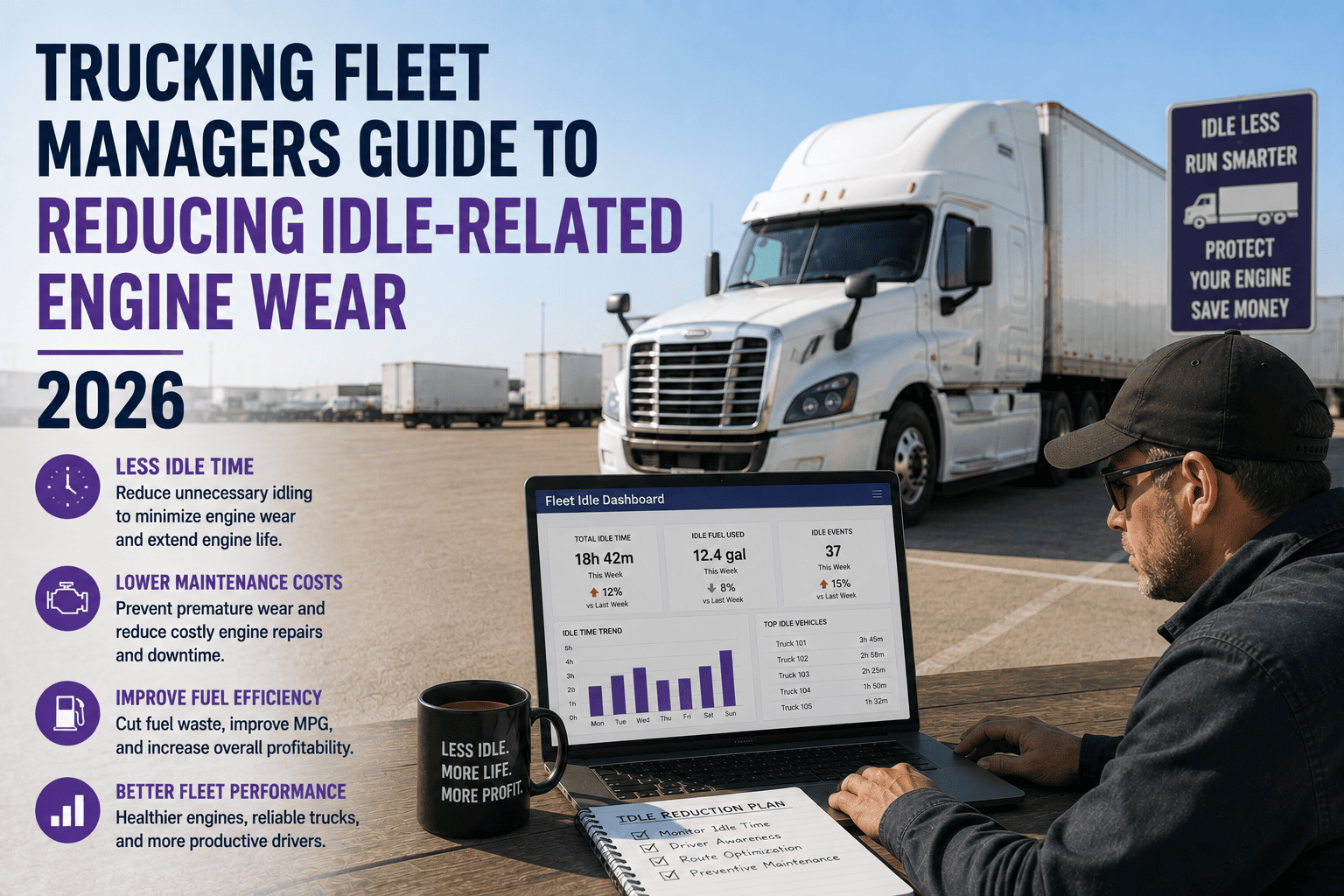
Excessive idling represents pure waste. Idling does not move freight, does not earn revenue, and consumes fuel at a rate of approximately 0.3 to 0.8 gallons per hour depending on engine type. A truck idling 2 hours per day burns 600 to 1,600 gallons of fuel per year for zero productivity. In cold climates where drivers idle for engine warm-up and heating, idling can exceed 3 hours daily. A fleet of 50 trucks with average 2 hours daily idling consumes approximately 30,000 to 80,000 gallons annually purely from idling. At 3.50 dollars per gallon, that is 105,000 to 280,000 dollars wasted annually on trucks sitting still.
Implementation: Install auxiliary power units (APUs) or automatic engine shutdown systems that eliminate the need to idle for heating, cooling, or sleeping. APUs cost 3,000 to 5,000 dollars per truck but pay for themselves in fuel savings within 18 to 24 months. For immediate results without capital investment, implement idling time limits in driver standard operating procedures. GPS tracking shows idle time by location and duration, allowing fleet managers to identify problem areas and drivers. Some locations generate unnecessary idle (high-traffic truck stops, shipping docks with slow loading). Analyze these and work with partners to reduce wait times.
Expected Savings: 3 to 6 percent fuel reduction through idle elimination. Combined with route optimization, a fleet can easily achieve 10 percent total fuel savings. A 50-truck fleet removes 15,000 to 30,000 dollars in annual idling waste.
Strategy 3: Preventive Maintenance and Engine Optimization
Poorly maintained engines lose fuel efficiency rapidly. A truck with clogged air filters, incorrect tire pressure, misaligned wheels, worn fuel injectors, or low engine oil burns significantly more fuel than a properly maintained vehicle. Studies show that vehicles skipping preventive maintenance lose 5 to 10 percent fuel efficiency within months. Tire pressure alone impacts efficiency substantially: tires underinflated by just 10 PSI increase rolling resistance and fuel consumption by 3 percent. A fleet of 50 trucks with underinflated tires spends an extra 51,000 dollars annually on fuel.
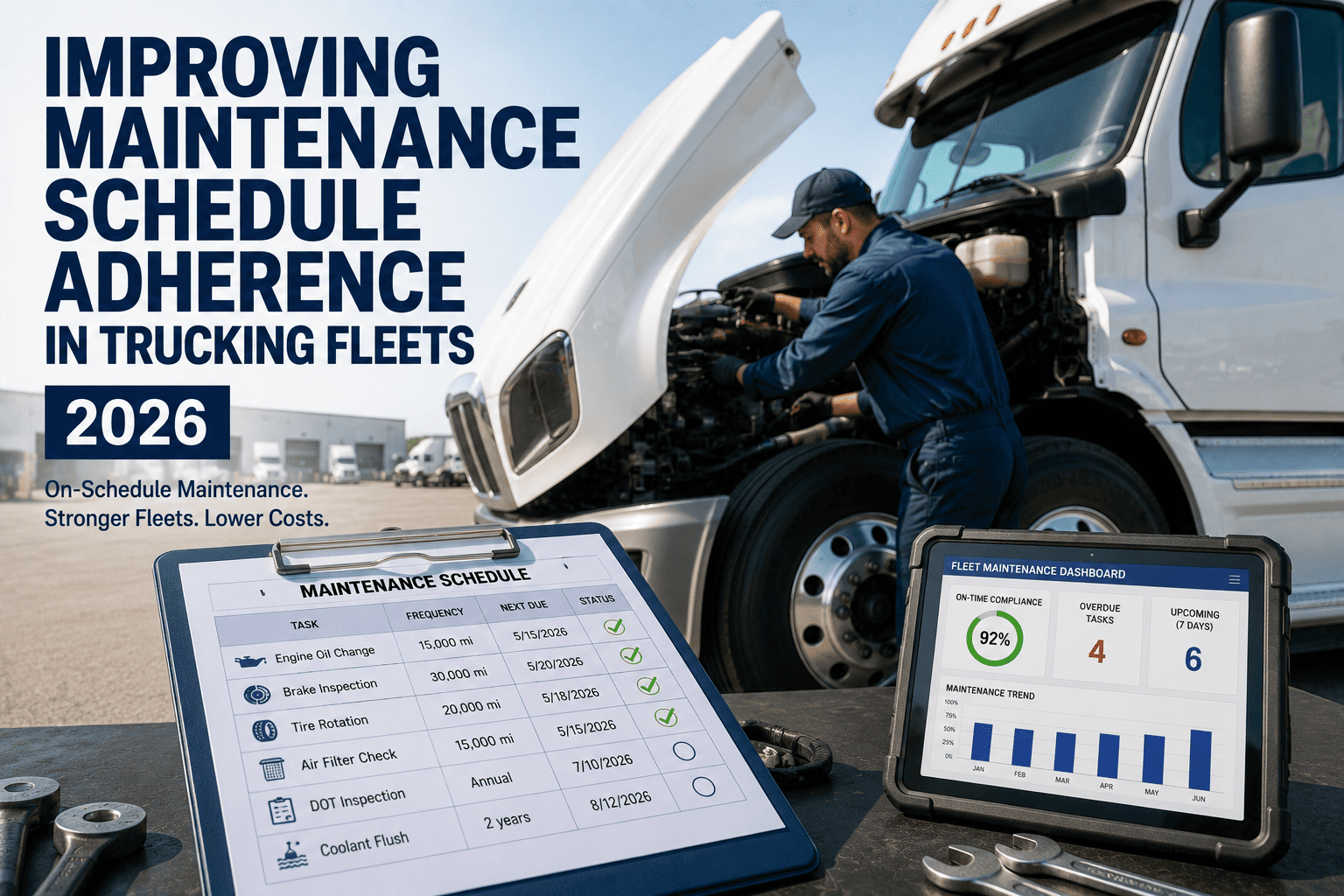
Implementation: Establish a disciplined preventive maintenance schedule covering air filter replacement, fuel filter replacement, spark plug service, oil changes at manufacturer intervals, tire pressure checks at every stop, wheel alignment verification, transmission fluid servicing, and cooling system maintenance. Engine diagnostics using telematics can identify fault codes indicating efficiency problems before major failures occur. DPF (Diesel Particulate Filter) regeneration should be monitored to ensure it occurs under optimal conditions rather than on-road where it increases fuel consumption. Track tire pressure across your fleet using tire pressure monitoring systems or manual checks on a strict schedule.
Expected Savings: 3 to 5 percent fuel improvement from proper maintenance. A 50-truck fleet improves efficiency by 51,000 to 85,000 dollars annually. Maintenance costs less than the fuel savings generated, making this a direct profit improvement.
Strategy 4: Driver Behavior Coaching and Incentives
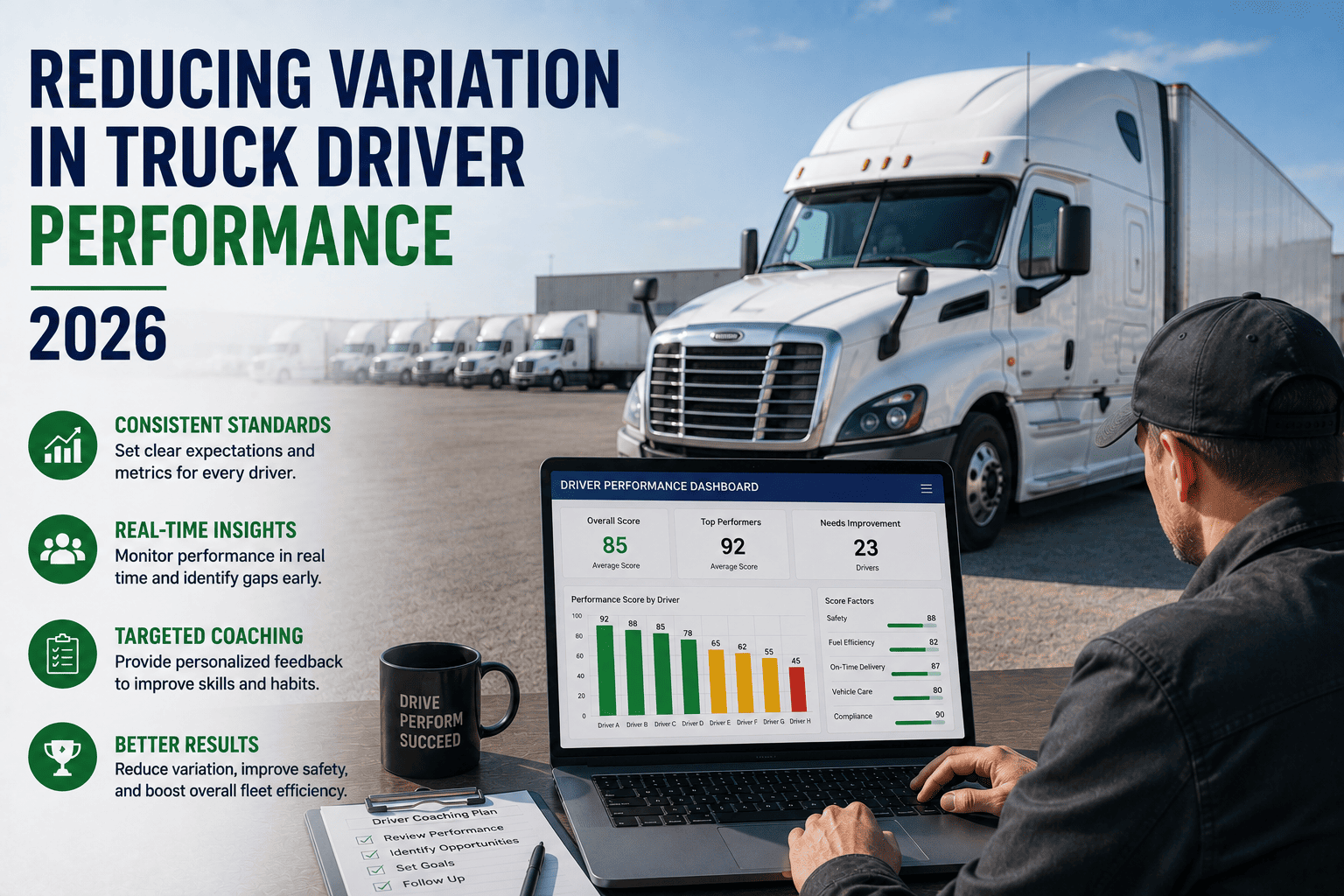
Driver behavior has enormous impact on fuel consumption. Aggressive acceleration burns excess fuel rapidly. Hard braking wastes the energy accumulated in momentum. Speeding reduces fuel efficiency substantially: every 5 mph above 55 mph on the highway reduces fuel economy by approximately 2 percent. A driver consistently exceeding posted speed limits by 10 mph reduces vehicle fuel efficiency by 4 percent. Conversely, drivers trained in smooth acceleration, steady cruising, and anticipatory driving reduce fuel consumption by 5 to 15 percent.
Implementation: Provide real-time in-cab coaching using telematics systems that alert drivers to aggressive acceleration, excessive speed, or hard braking immediately as it occurs. Reward driver performance through fuel efficiency bonuses, contests, or recognition programs. Share per-vehicle fuel consumption data with drivers so they understand their personal impact. Establish speed governors that limit maximum speed to 62 to 65 mph, significantly reducing highway fuel consumption while maintaining realistic delivery schedules. Conduct driver training emphasizing smooth operation, proper gearing, and anticipatory driving. Fuel efficiency training combined with real-time feedback generates the highest engagement and fastest results.
Expected Savings: 3 to 8 percent fuel reduction through driver coaching. The variation depends on baseline driver behavior. Fleets with previously undisciplined driving see larger improvements. A 50-truck fleet improves efficiency by 51,000 to 136,000 dollars annually while also reducing accidents through safer driving behaviors.
Strategy 5: Fuel Analytics and Anomaly Detection
Many fleets do not understand where their fuel consumption actually occurs or why it varies from month to month. Without detailed analytics, fuel waste hides in averages. One truck consuming 20 percent more fuel than identical vehicles on similar routes goes unnoticed if overall fleet average appears acceptable. A sudden spike in fuel consumption caused by a mechanical problem gets attributed to seasonal factors instead of triggering immediate investigation. Fleet managers operating without fuel analytics are flying blind.
Implementation: Implement fuel management software that tracks consumption by vehicle, driver, route, and time period. Compare actual consumption against baseline expectations for each truck. Establish alerts when any vehicle exceeds target consumption by more than 5 percent. Investigate alerts immediately to identify root causes: is the truck being overloaded? Is the driver exhibiting poor fuel behavior? Is maintenance falling behind? Is the route different than normal? Build dashboards showing fuel efficiency by driver, by vehicle type, by region, and by route. Share metrics with drivers and maintenance teams. Set realistic fuel efficiency targets based on vehicle type and typical routes, then actively manage toward those targets.
Expected Savings: 2 to 4 percent fuel reduction through analytics-driven optimization. More importantly, analytics prevents silent fuel waste that compounds over months. Detecting a 10 percent consumption increase in one truck and fixing it within 2 weeks saves 3,400 dollars on that vehicle. Across a 50-truck fleet, catching similar problems early in all vehicles saves 170,000 dollars annually compared to letting inefficiencies persist.
Strategy 6: Fuel Card Management and Cost Control
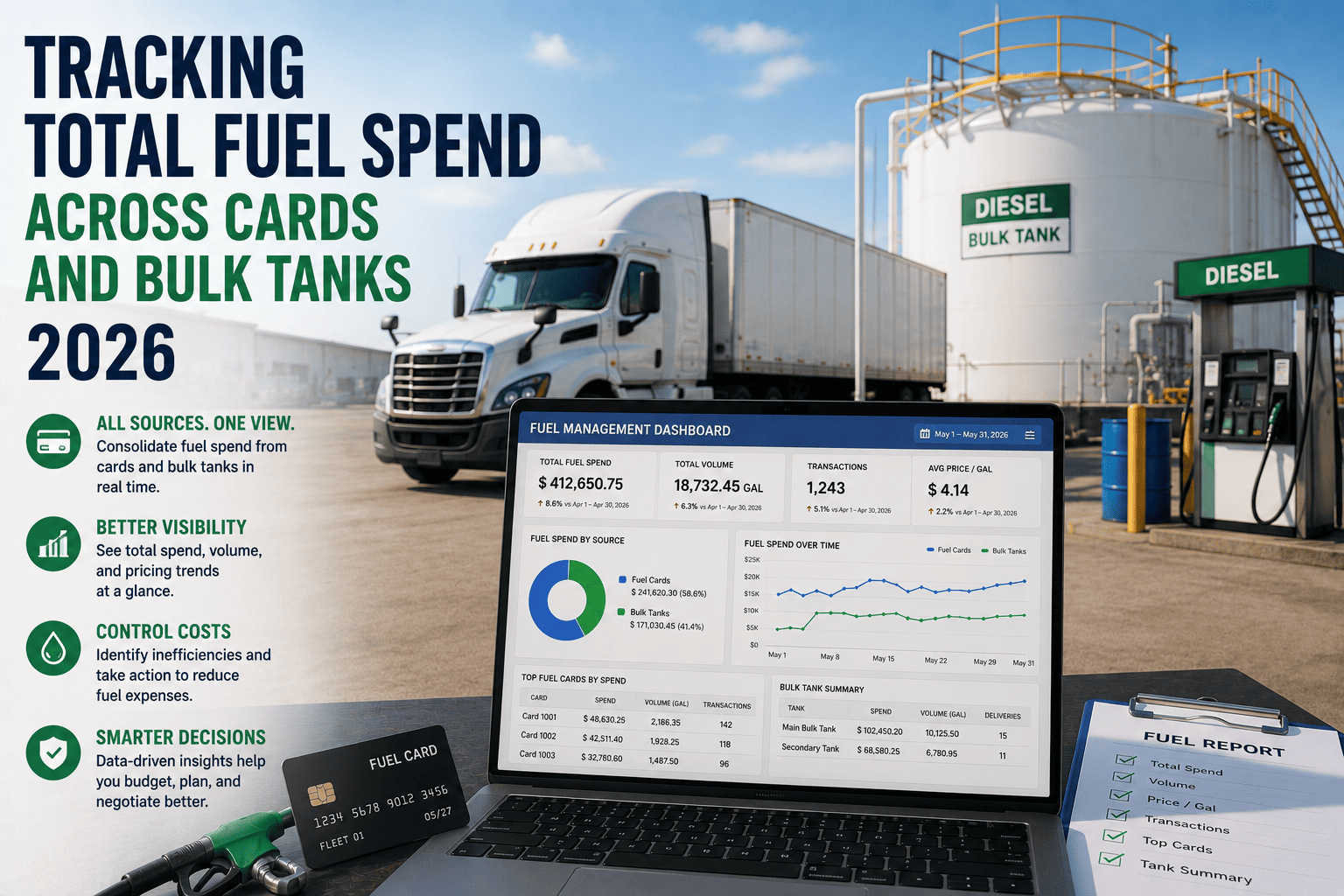
Many fleets lose money through fuel card fraud, unauthorized purchases, and missed rebate opportunities. Drivers sometimes use fuel cards for personal fuel or non-business purchases. Fuel prices vary significantly across regions and individual truck stops, creating opportunities to save on every gallon through strategic fueling. Some fuel cards offer rebates of 2 to 5 cents per gallon at partner locations. Missing these rebates on 100,000 gallons annually costs 2,000 to 5,000 dollars.
Implementation: Use fuel cards with transaction-level controls that restrict purchases to fuel only, disable personal fuel use, and provide detailed reporting. Integrate fuel card data with fleet management systems to identify price anomalies. If a driver reports fueling with 5 gallons at one stop, then 20 gallons at another stop the same day, investigate the discrepancy. Route drivers toward fuel stops offering rebates and competitive pricing. Negotiate volume discounts with fuel networks. Track fuel cost per gallon across the fleet and by individual truck. Identify outliers suggesting fraud or unusual fueling patterns. Set standard fuel fill-up procedures requiring full tank fills to reduce partial fills that inflate transaction costs.
Expected Savings: 1 to 3 percent fuel cost reduction through strategic purchasing and fraud prevention. A 50-truck fleet spending 1.7 million on fuel saves 17,000 to 51,000 dollars through fuel card optimization alone.
Strategy 7: Load Optimization and Weight Reduction
Weight directly impacts fuel consumption. Carrying unnecessary cargo, tools, equipment, or supplies increases fuel use proportionally. A truck carrying an extra 2,000 pounds of unnecessary weight consumes 2 to 3 percent more fuel. Many trucks accumulate equipment, spare parts, and supplies that rarely get used, becoming rolling storage instead of revenue-generating assets. Additionally, efficient load planning that maximizes density and minimizes empty return trips improves fuel economy while improving asset utilization.
Implementation: Audit truck cabs and cargo areas to identify non-essential items. Establish procedures for carrying only necessary tools and supplies. Use load optimization software that maximizes cargo density to reduce trips and improve fuel efficiency. When possible, reduce empty return trips by coordinating backhaul loads with partner carriers. Lighter vehicles consume less fuel, so removing 500 pounds of unnecessary weight saves measurable fuel. Oversized trucks assigned to light-load routes consume more fuel than necessary; match truck size to typical load requirements. Consider vehicle right-sizing if many trucks are operating below capacity.
Expected Savings: 2 to 5 percent fuel reduction through load optimization and weight reduction. A 50-truck fleet improves efficiency by 34,000 to 85,000 dollars annually.
Combine Strategies for Maximum Fuel Savings
Implementing all seven strategies simultaneously creates a 10 to 15 percent total fuel reduction. A 100-truck fleet saves 200,000 to 300,000 dollars annually. FleetRabbit automates route optimization, idle tracking, maintenance scheduling, driver coaching, fuel analytics, and load tracking in one integrated platform.
Implementation Priority and Timeline
Phase 1 (Immediate, Days 1-30): Implement driver behavior coaching and fuel analytics. These require no capital investment and show results within 2 to 4 weeks. Start tracking fuel consumption by vehicle and driver. Establish target efficiency baselines. Identify outliers consuming excessive fuel and investigate.
Phase 2 (Short-term, Months 2-3): Optimize routes and review fuel card strategy. Route optimization software implementation takes weeks to integrate with dispatch systems. Fuel card review for fraud and rebate opportunities can start immediately but benefits accrue as patterns emerge.
Phase 3 (Medium-term, Months 3-6): Address preventive maintenance backlog and idle reduction. Audit current maintenance schedules and bring vehicles into full compliance. Install APUs or automatic shutdown systems based on idle analysis results. Weight reduction and load optimization require operational process changes but generate quick returns.
Phase 4 (Ongoing): Monitor analytics, adjust targets, celebrate wins with drivers. Fuel optimization is not a one-time project. Sustained results require continuous focus and driver engagement.
Fuel Management Technology and Platform Integration
Effective fuel management requires technology integration across multiple systems. GPS tracking must connect to fuel card transactions to identify consumption anomalies. Route optimization must link to driver coaching systems to reinforce efficient routes. Maintenance systems must flag vehicles underperforming on fuel efficiency metrics so technicians can investigate. Telematics must provide real-time feedback to drivers without overwhelming them with data. Fleet managers need dashboards showing all fuel-related metrics in one view with alerts for exceptions.
Manual processes using spreadsheets and email cannot coordinate these systems effectively. Standalone tools cause data silos. Fleet managers waste time consolidating reports from multiple systems instead of focusing on optimization. Integrated platforms like FleetRabbit connect all fuel management functions, automate data flow, and generate insights that point directly to improvement opportunities. The difference between scattered tools and an integrated platform is measured in tens of thousands of dollars annually.
| Strategy | Expected Fuel Savings | Implementation Cost | Time to ROI |
|---|---|---|---|
| Route Optimization | 5-8% | Software subscription | 2-4 weeks |
| Idle Reduction | 3-6% | 3-5K per truck (APU) | 18-24 months |
| Preventive Maintenance | 3-5% | Maintenance labor | Immediate |
| Driver Coaching | 3-8% | Training + telematics | 4-8 weeks |
| Fuel Analytics | 2-4% | Software subscription | 2-6 weeks |
| Fuel Card Mgmt | 1-3% | Card provider fees | Ongoing |
| Load Optimization | 2-5% | Software + training | 3-8 weeks |
Common Fuel Management Mistakes to Avoid
Focusing Only on Price Per Gallon: Many fleets obsess over finding the cheapest fuel at individual pumps while ignoring consumption. A fleet paying 0.05 dollars less per gallon while consuming 10 percent more fuel overall is worse off. Focus on total fuel spend (gallons consumed multiplied by price paid), not price alone.
Setting Unrealistic Efficiency Targets: Targets too aggressive discourage drivers and encourage falsification of records. Targets too loose miss opportunity. Base targets on historical performance adjusted for vehicle type, route profile, and seasonal factors. A truck operating in mountainous terrain with frequent stops cannot match fuel efficiency of an OTR flatbed.
Implementing Changes Without Driver Buy-In: Drivers operate vehicles daily and know operational realities fleet managers miss. Sudden fuel restrictions without explanation generate resentment and safety risks. Involve drivers early in program design, explain goals, tie improvements to compensation, and celebrate successes publicly.
Ignoring Maintenance Fundamentals: Fuel efficiency improvements collapse if vehicles fall into disrepair. A truck with worn engine seals consuming 15 percent extra fuel will nullify all driver coaching benefits. Prevention prevents regression.
Pursuing Capital Solutions Before Low-Cost Options: Many fleets rush to buy expensive APUs before eliminating excessive idling through process change. Implement low-cost operational improvements first, measure results, then justify capital investments based on proven ROI.
Frequently Asked Questions: Fleet Fuel Management
Q: How much can my fleet realistically reduce fuel costs?
Most fleets see 10 to 15 percent fuel reduction within 6 months by implementing all seven strategies. A 50-truck fleet spending 1.7 million annually saves 170,000 to 255,000 dollars. Results vary based on baseline efficiency. Start a free trial to analyze your current fuel consumption.
Q: Which fuel management strategy provides the fastest ROI?
Driver coaching and fuel analytics deliver fastest results, showing 5 to 8 percent savings within 4 to 8 weeks with minimal investment. Route optimization provides similar fast results. APUs have longer payback periods of 18 to 24 months but are highly worthwhile at scale.
Q: How do I track fuel consumption and identify problem areas?
Integrate GPS tracking with fuel card data and maintenance records. Compare consumption by vehicle, driver, and route against baselines. Investigate vehicles exceeding targets by more than 5 percent. Book a demo to see FleetRabbit fuel analytics dashboards.
Q: What technology do I need for fuel management?
Core systems needed: GPS tracking, fuel card integration, route optimization software, telematics for real-time data, maintenance management, and fuel analytics. An integrated platform consolidates all functions eliminating data silos and manual work.
Q: How do I get drivers to support fuel efficiency programs?
Tie fuel efficiency improvements to driver compensation through bonuses or contests. Provide real-time in-cab feedback showing their impact. Share monthly results and recognize top performers. Include drivers in program design from the start.
Q: What is idle reduction worth annually?
A truck idling 2 hours daily burns 600 to 1,600 gallons per year. At current fuel prices, that is 2,100 to 5,600 dollars per truck annually. A 50-truck fleet with average 2-hour daily idling wastes 105,000 to 280,000 dollars yearly on pure idling.
Q: Can route optimization work for pickup and delivery operations?
Yes. Route optimization algorithms handle complex pickup and delivery constraints including time windows, customer preferences, vehicle capacity, and driver hours. These fleets often see larger fuel savings because optimization eliminates backtracking and improves stop sequencing significantly.
Q: How does FleetRabbit help with fuel management?
FleetRabbit combines GPS tracking, fuel analytics, idle monitoring, preventive maintenance scheduling, and driver coaching in one integrated platform. Real-time dashboards show consumption by vehicle and driver with alerts for anomalies. Start free or book a demo.
Start Your Fuel Savings Plan Today
Get a clear picture of your current fuel consumption and savings opportunities. FleetRabbit shows you exactly where fuel dollars are being wasted and how to recover them. Start immediately with zero upfront cost.
Key Takeaways: Fleet Fuel Management
Fuel represents 20 to 35 percent of total fleet operating costs and is one of the few areas where fleet managers have direct control over expenses. Proven fuel management strategies deliver 10 to 15 percent fuel reductions, translating to 170,000 to 255,000 dollars annually for a 50-truck fleet. The most effective approach combines multiple strategies simultaneously: route optimization eliminating unnecessary miles, idle reduction stopping waste at the pump, preventive maintenance keeping engines efficient, driver coaching encouraging smooth operation, fuel analytics identifying anomalies, fuel card optimization controlling costs, and load planning maximizing utilization. Implementation happens in phases starting with low-cost, high-impact strategies like driver coaching and fuel analytics, progressing to medium-term improvements like route optimization and idle reduction, and eventually justifying capital investments like APUs based on proven ROI. Technology integration is critical because disconnected systems create data silos and manual work preventing optimization. Fleet managers who systematically implement these strategies across their operation lock in sustainable fuel savings that improve bottom line profitability year after year while also reducing emissions and improving safety through fewer aggressive driving incidents.