Every fleet manager has sat through a vendor pitch promising the world, then watched the software gather dust while the budget line item quietly bleeds money. With dozens of fleet technologies competing for a shrinking capital budget, the real question isn't "what's available" — it's "what pays for itself the fastest." Some tools return their cost in 60 days. Others take two years and never fully justify the investment. Knowing the difference is the single biggest lever a fleet manager has for improving margins in 2026.
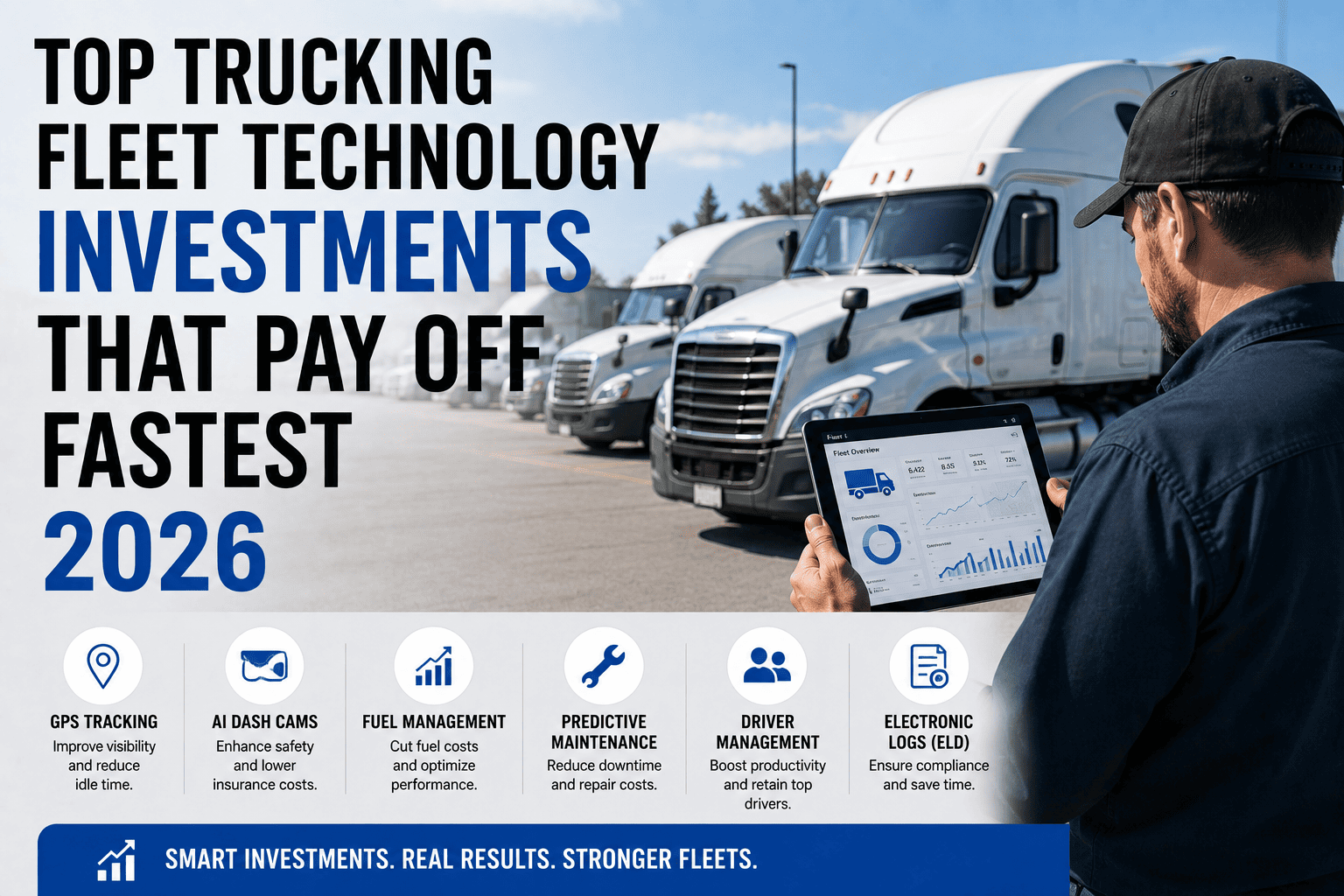
GPS and telematics tracking deliver the quickest payback, often inside 60 to 90 days, through fuel savings, idle reduction, and theft recovery. AI dash cams follow at 4 to 6 months once insurance premium reductions apply. Predictive maintenance software typically breaks even in 6 to 12 months but delivers the largest long-term savings, cutting unplanned downtime by up to 60 percent. Combined, fleets running integrated platforms report 300 to 500 percent ROI within 18 months.
Why Fleet Technology Investment Order Matters
Most fleets fail at technology adoption not because they choose bad tools, but because they choose them in the wrong order. Buying predictive maintenance software before establishing basic GPS visibility means the system has no location or usage data to build predictions from. Installing dash cams before drivers trust the fleet's technology culture creates resistance that delays every future rollout. The fleets that see the fastest returns follow a deliberate sequence: visibility first, safety second, prediction third, and integration last.
The Visibility-First Principle
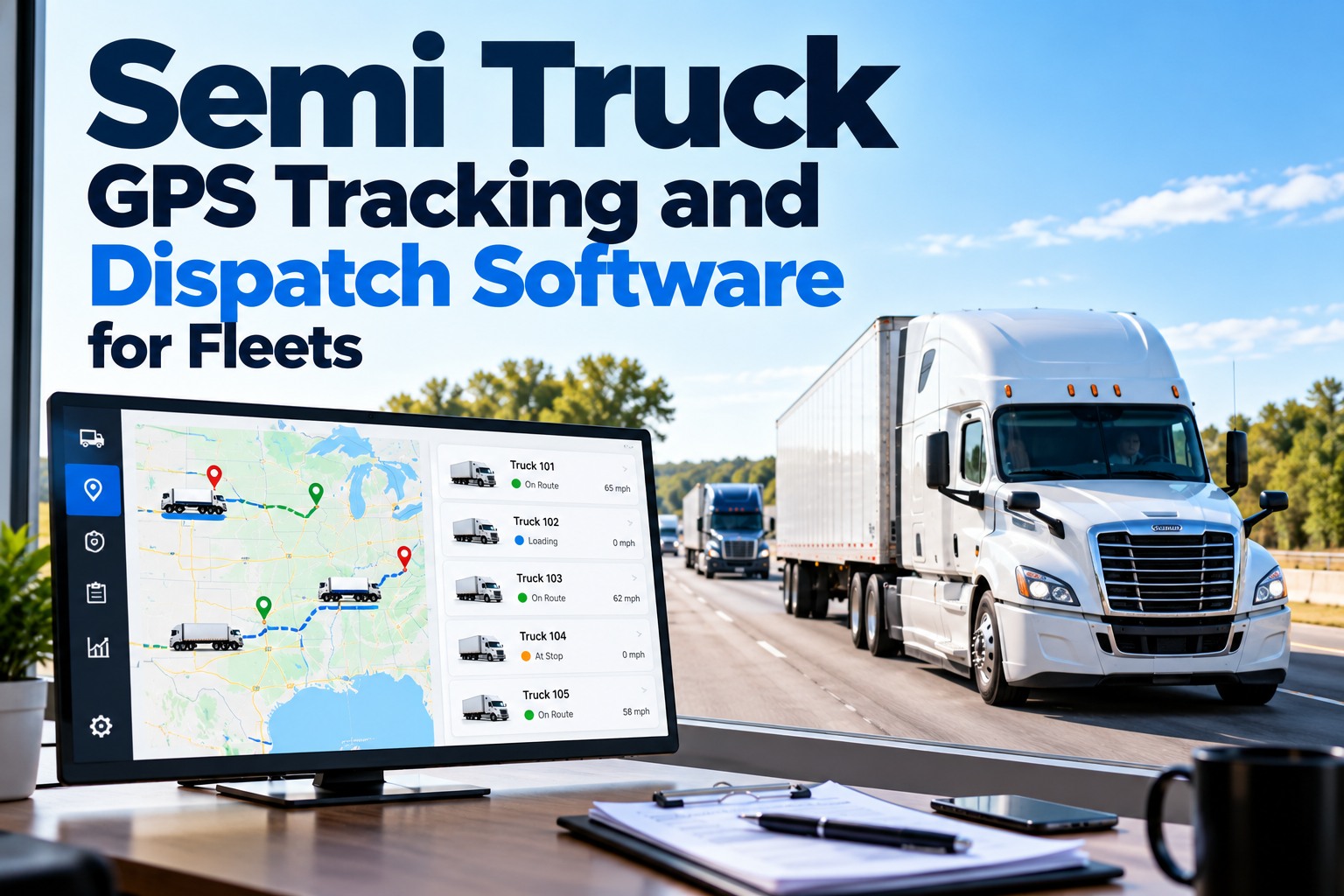
Every high-ROI fleet technology decision starts with data. GPS and telematics tracking is not just the fastest payback category, it is also the foundation every other tool depends on. Route history, idle patterns, and engine diagnostics collected from day one become the training data that makes AI dash cams smarter and predictive maintenance more accurate. Skipping this step is the single most common reason later investments underperform their projected ROI.
What Changes in the First 30 Days
Fleets that deploy GPS tracking typically see behavior change almost immediately. Idle time drops as drivers know engine hours are visible. Unauthorized stops disappear. Route adherence improves without a single conversation, simply because visibility changes behavior. This is why on-time delivery performance often improves by double digits within the first month, well before any other technology is added.
Not sure which investment to make first? FleetRabbit combines GPS visibility, maintenance scheduling, and safety analytics in one platform, so every dollar you spend compounds instead of competing. Sign up for a free trial and start tracking your ROI from day one.
Comparing Payback Speed Across Fleet Technologies
Not every technology is judged fairly by the same yardstick. A tool that pays back in 60 days but only saves a few thousand dollars a year is different from one that takes a year but compounds into six figures of annual savings. The table below breaks down both dimensions so you can weigh speed against scale.
| Technology | Typical Payback Period | Primary Savings Driver | Annual Impact (25-Vehicle Fleet) |
|---|---|---|---|
| GPS & Telematics Tracking | 60 to 90 days | Fuel savings, idle reduction, theft recovery, route optimization | 45000 to 126000 dollars |
| AI Dash Cams | 4 to 6 months | Insurance premium reduction, exoneration claims, fewer accidents | 15000 to 40000 dollars |
| Predictive Maintenance Software | 6 to 12 months | Prevented breakdowns, reduced downtime, lower repair premiums | 40000 to 60000 dollars |
| Route & Fuel Optimization | 2 to 3 months | Reduced mileage, lower idle fuel burn, driver behavior coaching | 20000 to 45000 dollars |
| Digital ELD & Compliance Tools | 3 to 5 months | Avoided fines, faster audits, reduced administrative labor | 8000 to 20000 dollars |
| Unified Platform (All Combined) | 6 to 18 months | Compounding data across fuel, safety, and maintenance categories | 100000 to 200000 dollars |
Breaking Down the Top Three Investments
These three categories consistently deliver the fastest and most reliable returns, regardless of fleet size or industry segment.
GPS and Telematics: The Foundation Layer
GPS tracking remains the single highest-ROI technology a fleet can deploy, largely because it addresses so many cost centers at once. Fuel represents 30 to 40 percent of total fleet operating cost, and visibility alone recovers a meaningful share of that waste through better routing and less idling. Beyond fuel, GPS-equipped vehicles see recovery rates above 90 percent in theft scenarios, compared to under 50 percent without tracking, and insurers frequently offer 8 to 25 percent premium discounts for documented tracking programs.
Where the Savings Actually Come From
Idle time monitoring alone identifies waste that would otherwise go unnoticed, since commercial vehicles idle an average of three to four hours per shift. Route optimization cuts unnecessary mileage. Driver behavior scoring reduces the aggressive driving patterns that can lower fuel economy by 15 to 30 percent. Each mechanism is small on its own, but together they explain why payback often arrives within the first quarter.
AI Dash Cams: Protection That Pays for Itself
Dash cams have shifted from a nice-to-have safety feature to a documented financial asset. With a large share of truck accidents caused by other vehicles, a single exoneration from false-claim litigation can save tens of thousands of dollars and cover months of subscription cost in one event. Fleets using AI-powered video systems report meaningful reductions in distracted driving incidents and fewer accidents overall, both of which flow directly into lower insurance premiums at the next renewal cycle.
Predictive Maintenance: The Long-Term Compounder
While predictive maintenance software takes longer to break even, it delivers the deepest and most durable savings of any category. Preventing a single unplanned breakdown saves hundreds to thousands of dollars in lost revenue, emergency repair premiums, and towing costs. Fleets that combine telematics data with maintenance scheduling typically prevent 10 to 15 additional breakdowns annually once the system has enough historical data to make accurate predictions, which is exactly why sequencing this investment after GPS tracking accelerates its own payback.
How to Prioritize Your Technology Budget
With a limited budget and multiple technologies competing for attention, sequencing matters as much as selection. A practical rollout plan looks like this.
Every fleet's payback timeline depends on its own fuel spend, accident history, and maintenance backlog. Book a demo and our team will map out which investment pays back fastest for your specific vehicle count and routes.
Frequently Asked Questions
Stop guessing which technology deserves your next budget dollar. FleetRabbit unifies GPS tracking, AI safety analytics, and predictive maintenance in one platform so every investment compounds instead of competing for attention. Start your free trial with no credit card required, or talk to our team about your specific fleet.