It never happens at a convenient time. A truck loses power on the shoulder of an interstate at eleven at night, the driver is stuck waiting for a tow, and the load sits exactly where it broke down instead of where it was supposed to be. By the time the truck is back in service, what could have been a 200 dollar scheduled fix has turned into an 8,000 dollar emergency. In 2026, the technology to see that failure coming weeks in advance already exists inside most trucks. The only question is whether anyone is listening to it.
Industry-wide, unplanned commercial vehicle breakdowns cost fleets more than 25 billion dollars a year, with a single roadside failure running 450 to 760 dollars in direct repairs before towing and lost productivity push the total impact past 1,900 dollars per incident. Research now suggests 75 to 95 percent of these breakdowns are predictable in advance, yet the majority of fleets still operate reactively, waiting for a truck to fail instead of acting on the warning signs it already produced.
The Real Multiplier: Scheduled vs. Emergency Repair Cost
The underlying mechanical problem is rarely the expensive part of an emergency repair. What makes a roadside breakdown costly is everything wrapped around it: after-hours labor rates, towing, expedited parts, and every hour the truck sits earning nothing. The same repair, caught early and scheduled into a planned shop visit, almost always costs a fraction of the emergency version.
Emergency repairs commonly run 3 to 9 times higher than the identical repair completed during a planned shop visit, once towing, expedited parts, and after-hours labor are factored in.
Why Emergency Labor Rates Run So High
Standard shop labor typically runs 150 to 200 dollars an hour, but a roadside emergency call shifts that to 250 to 400 dollars an hour, with weekend and holiday work sometimes reaching 500 dollars an hour. Add a diagnostic fee, a tow bill, and a driver sitting idle for hours, and the invoice grows well beyond the original mechanical issue.
FleetRabbit monitors fault codes and vehicle health continuously, flagging developing issues weeks before they become a roadside call. Sign up for free and start catching problems while they are still a 200 dollar fix.
The Fault Code Noise Problem
Most trucks are already telling maintenance teams what is about to fail, the problem is volume. A single truck can generate 300 to 400 fault codes a month, and without a way to separate the ones that matter from the ones that do not, technicians often clear codes during a routine visit rather than investigate each one individually. That habit is understandable, and it is also exactly how a warning sign gets missed until it becomes a breakdown.
Severity Scoring Is What Makes the Data Usable
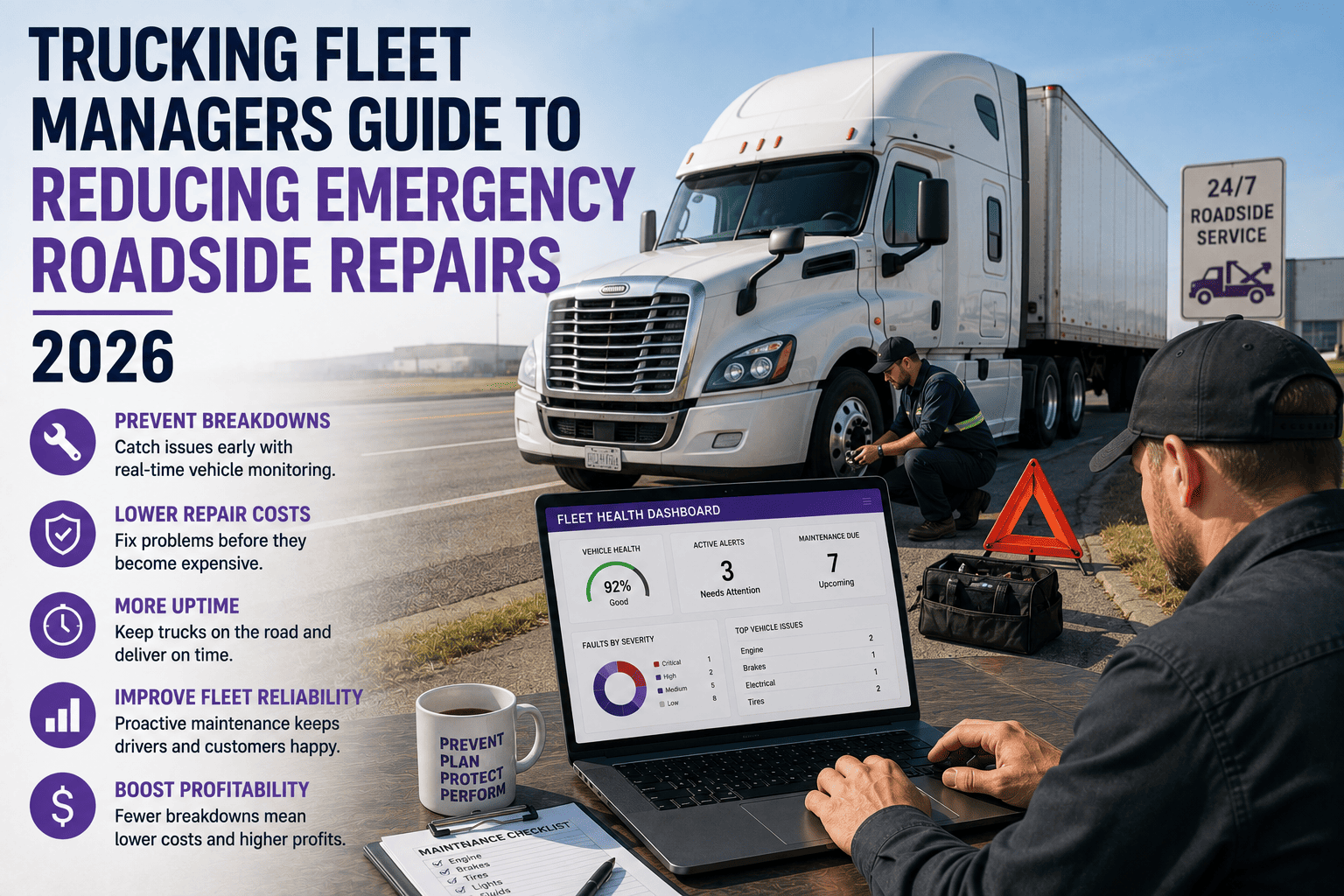
The fix is not reading every single code by hand, it is automatically scoring severity so the codes that actually predict failure rise to the top of a technician's queue while routine noise stays in the background. Once that filter is in place, a fault code stops being clutter and starts being an early warning system.
A Simple Way to Check Your Current Process
Ask your maintenance team how fault codes get reviewed today. If the honest answer is "we clear them during the next scheduled visit," your fleet is very likely missing warnings that could have prevented a recent breakdown.
Building a Predictive Maintenance Program That Actually Works
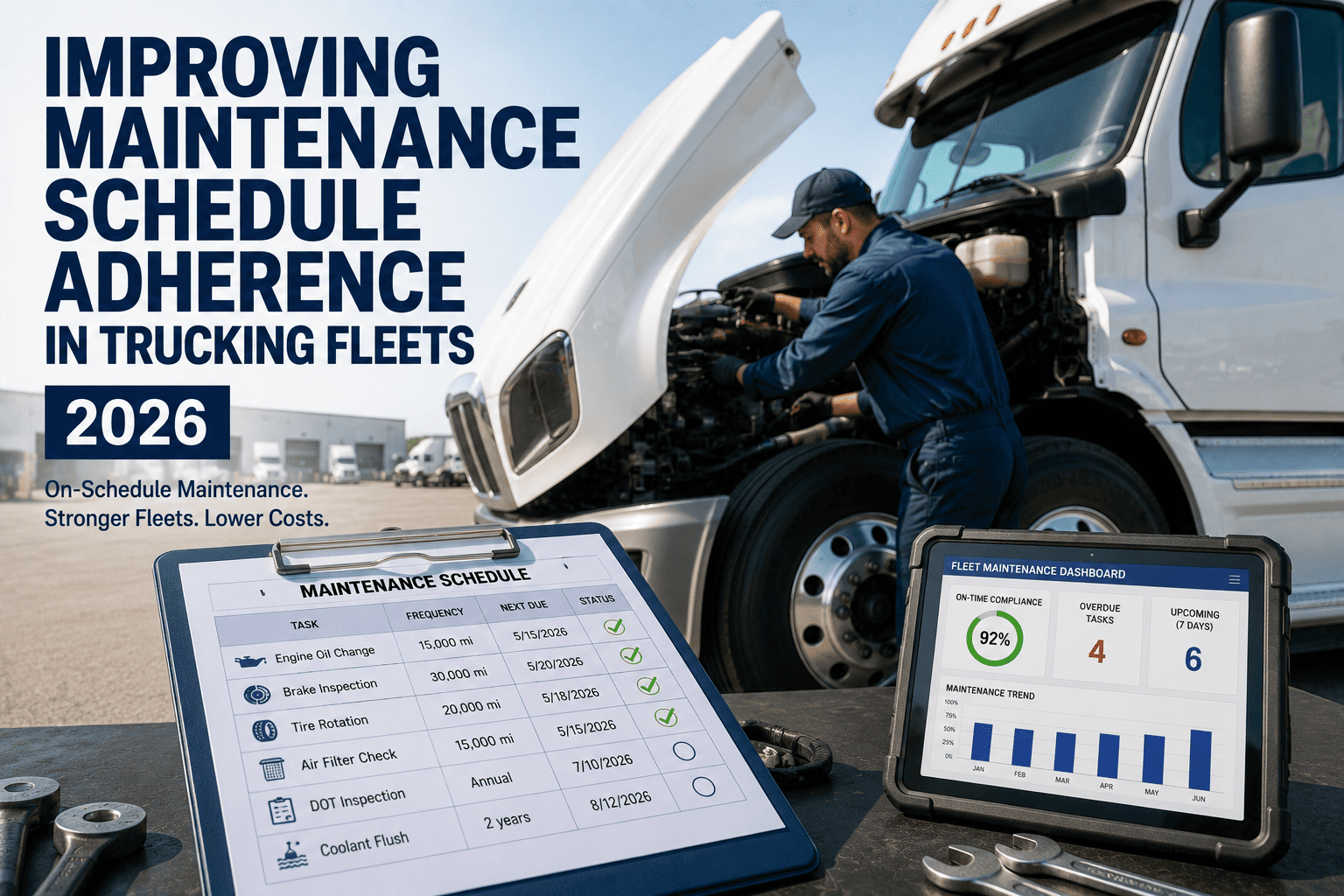
Predictive maintenance is not about replacing your existing maintenance schedule, it is about layering real-time condition data on top of it so repairs happen when a component actually needs attention rather than only on a fixed calendar interval. Fixed-interval schedules ignore how terrain, load weight, and driving conditions accelerate wear differently across a fleet, which is exactly why identical trucks on identical schedules can fail at very different times.
What This Looks Like By Repair Type
The gap between a scheduled fix and an emergency version holds true across almost every major truck system, not just the engine.
| System | Scheduled Repair Range | Emergency Roadside Range |
|---|---|---|
| Engine Diagnostics | 350 to 600 dollars | 450 to 750 dollars diagnostic fee alone |
| Cooling System | Several hundred dollars if caught early | Up to 60,000 to 70,000 dollars if it escalates to engine failure |
| Electrical / Alternator | Around 400 dollars in-shop | Around 1,200 dollars as a roadside call |
| Brakes | Predictable, planned cost | 1,500 to 4,000 dollars including parts and labor |
Fleets that connect fault code monitoring directly to automated work orders typically cut breakdowns by up to 75 percent and reduce emergency repair costs by 3 to 9 times compared to fleets still waiting for the next scheduled inspection to find a problem. Curious what this would look like across your own fleet? Book a demo and see real fault code data from your vehicles scored and prioritized live.
Every roadside breakdown is, in a very real sense, a warning that arrived too late to act on. The data was almost always there weeks earlier, buried in a fault code nobody scored as urgent. Fleets that close that gap in 2026 are not spending more on maintenance, they are simply spending it earlier, when the fix is still small and the truck is still where it is supposed to be.
FleetRabbit captures and scores every fault code the moment it fires, turning silent warnings into scheduled repairs before they become emergencies. Get started free with no credit card required.