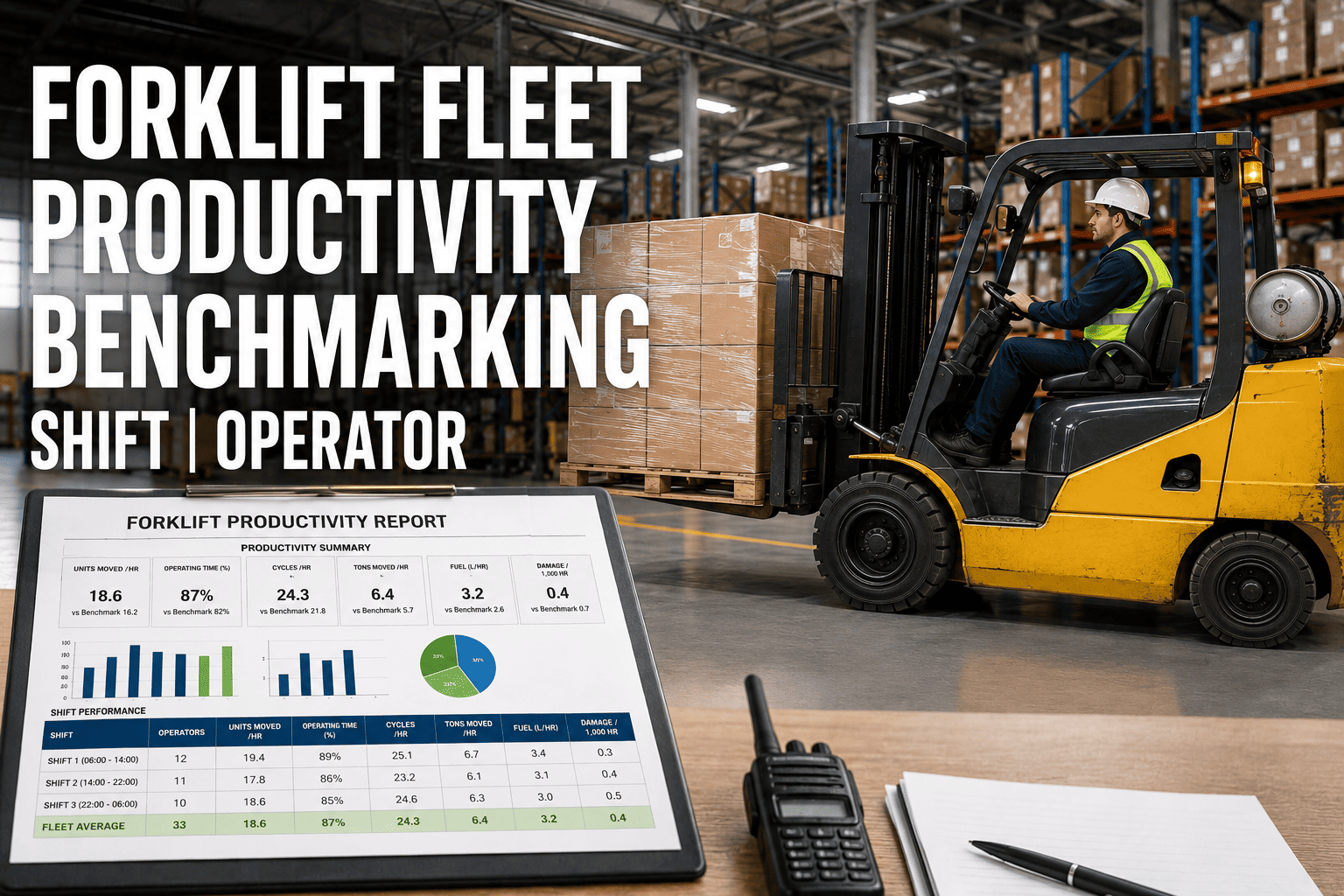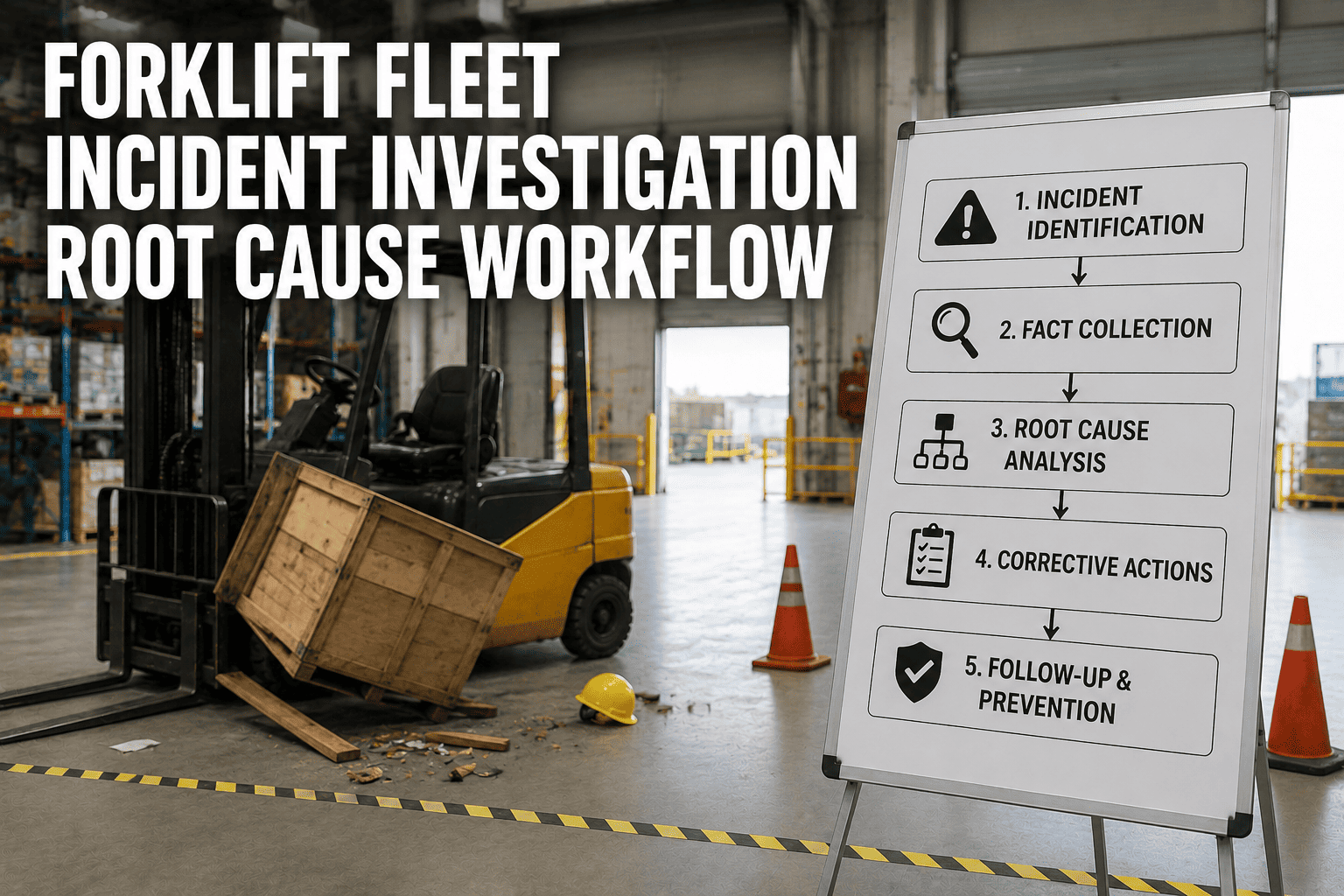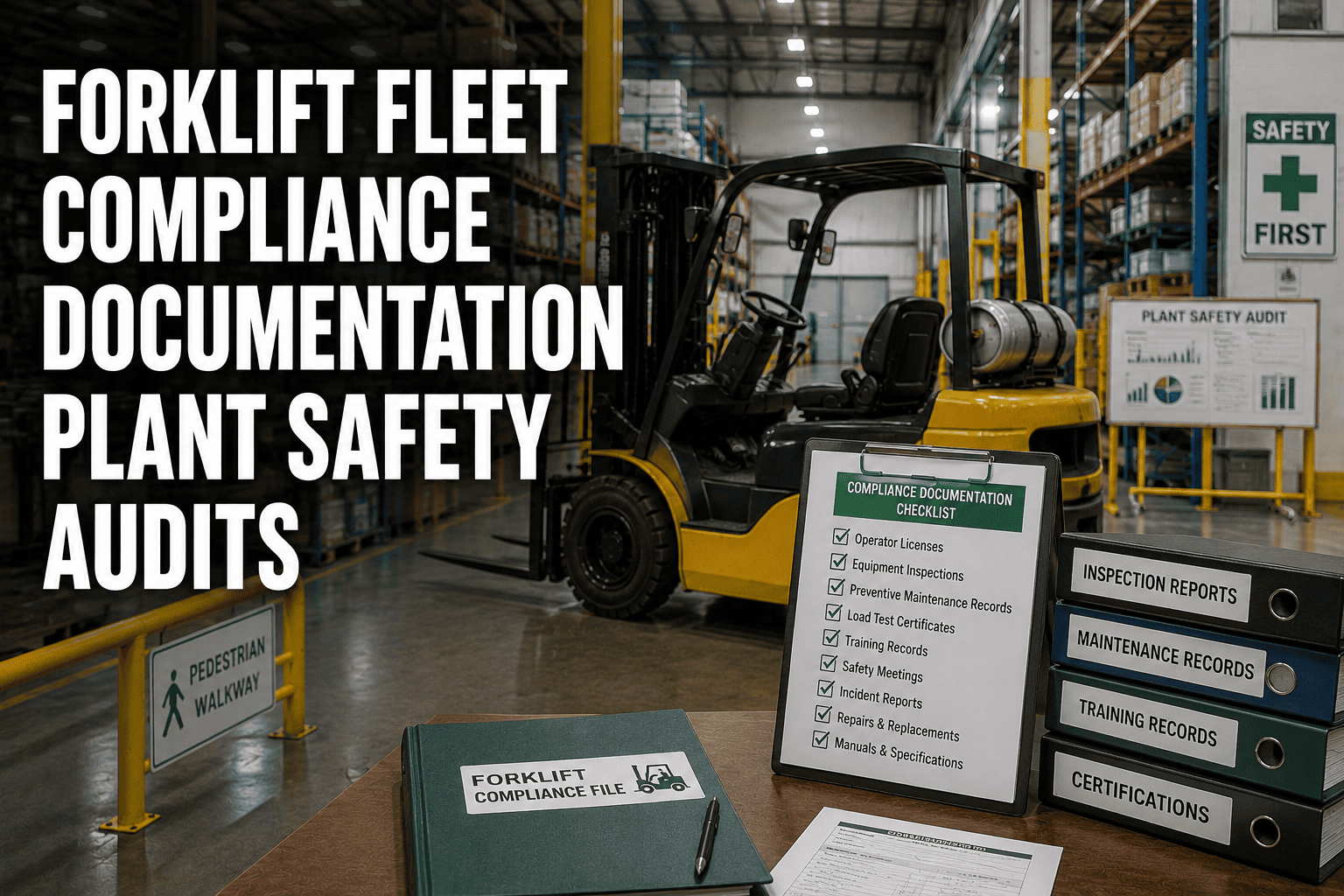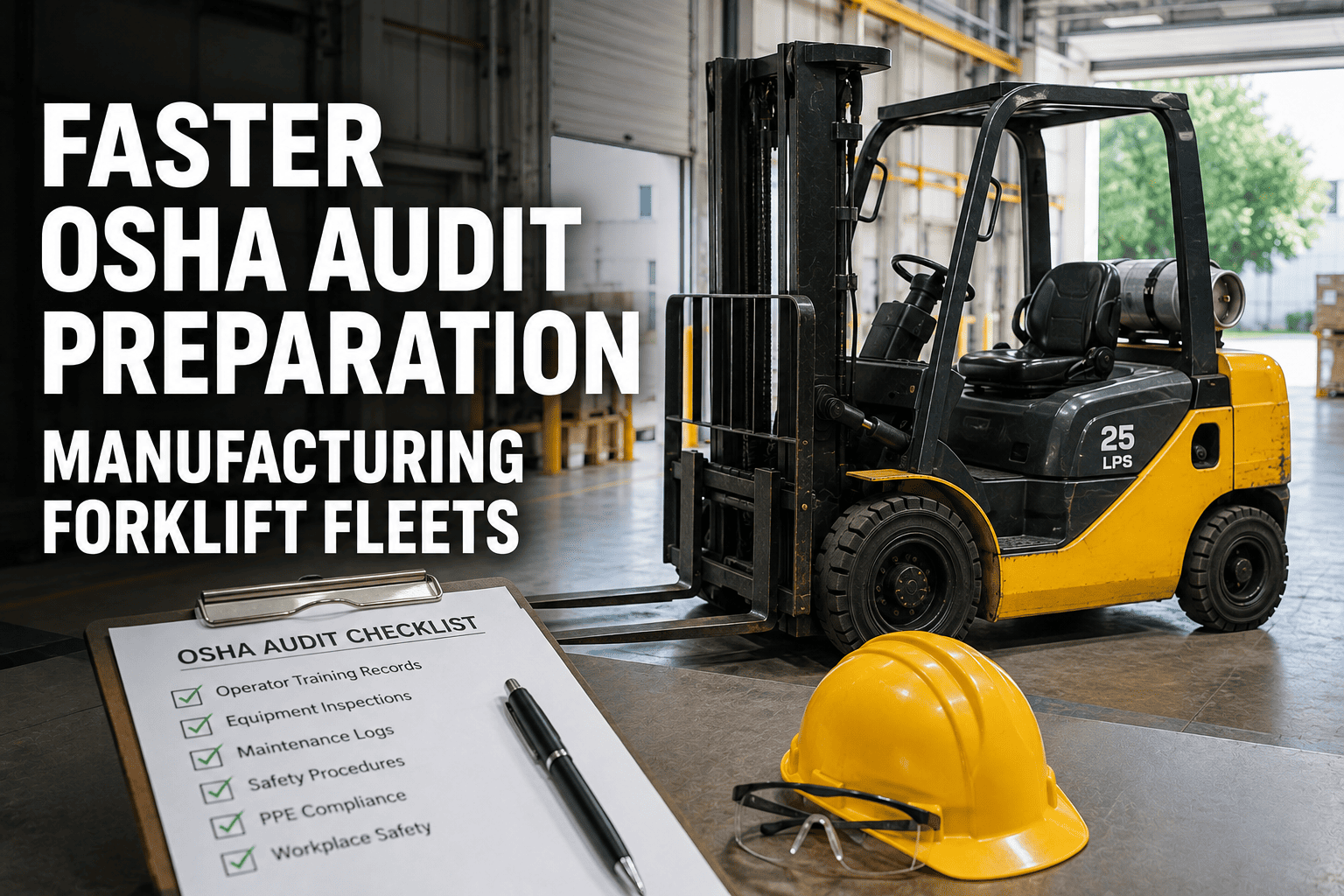
An OSHA compliance officer walks onto the floor unannounced, and the first thing they ask for is not a walkthrough, it is paperwork. Certification records. Refresher training dates. Daily pre-shift inspection logs. For most plants, that request kicks off a scramble through file cabinets, shared drives, and a maintenance binder nobody has fully updated since spring. The equipment might be perfectly safe. The problem is proving it fast enough.
Three of the five most commonly cited forklift violations under OSHA 29 CFR 1910.178 are pure documentation failures, missing training records, missing refresher records, and missing certifications, not unsafe driving. A serious violation runs up to 16,550 dollars, and willful or repeat violations reach 165,514 dollars per instance. Keeping certification, inspection, and maintenance records assembled and current is what actually separates a clean audit from a citation.
Where Audits Actually Go Wrong
Most plants assume an audit is about equipment condition. In practice, the standard treats missing paperwork the same as a missing safety practice. If it isn't documented, it did not happen, no matter how well the fleet is actually run.
FleetRabbit keeps certifications, inspections, and maintenance history assembled automatically, so nothing depends on a file cabinet. Sign up free and see your fleet's compliance status right now.
What an Inspector Actually Asks to See
OSHA 29 CFR 1910.178(l) puts the entire burden of proof on the employer. When an inspector arrives, four categories of records come up almost every time.
From Scramble to Ready in Four Steps
The gap between a stressful audit and a routine one usually comes down to whether these records live in one connected system or across a dozen disconnected ones.
Centralize Every Record Type
Certifications, inspections, and maintenance history are pulled into one system instead of spreadsheets, binders, and shared drives.
Track Expirations Automatically
Certification and refresher due dates are flagged well before they lapse, instead of being discovered during the inspection itself.
Digitize the Daily Checklist
Pre-shift inspections are completed and logged from the truck itself, closing the gap that paper checklists routinely leave open.
Export a Complete Record on Demand
When an inspector asks, the full compliance picture is available in minutes, not after a day spent digging through files.
Why This Matters Beyond Passing an Audit
Documentation gaps rarely start as an intentional shortcut, they build up quietly over months as paper forms go missing or a refresher date slips through the cracks. By the time an inspector arrives, the same records that would have taken minutes to compile from a connected system can take days to reconstruct from memory and file cabinets, if they can be reconstructed at all. Getting ahead of that gap protects the fleet whether or not an audit ever happens, since timely recertification alone has been shown to meaningfully reduce accident rates on the floor.
If your last audit involved more searching than answering, the fix is not more filing cabinets, it is a system that keeps every record current automatically. You can sign up for a free trial and see your fleet's certification and inspection status today, or book a demo to walk through what an audit-ready export actually looks like.
Certification records, refresher tracking, daily inspections, and maintenance history, all assembled automatically and ready to export the moment an inspector asks. Stop rebuilding your compliance picture from scratch every time.